
1. Introduction
 Tokyo
Image by:Kuma Jio
Tokyo
Image by:Kuma Jio
 Sydney
Image by:Kellie Jane
Sydney
Image by:Kellie Jane
Tokyo and Sydney represent two distinct global powerhouses, offering compelling financial and cultural environments, yet differing significantly in their economic drivers, urban landscapes, and living expenses. The comparison reveals Sydney's cost of living, encompassing groceries, dining, and utilities, as generally higher than Tokyo's, although the former's salaries can partially offset these differences. Tokyo benefits from advanced environmental technologies like widespread sulfur-scrubbers mitigating pollution, and its unique architectural features, including sophisticated Brise-soleil facades on many buildings, reflect a blend of high density and climate adaptation. The property market stands out as the most pronounced differentiator, with Sydney's housing costs reaching extraordinary levels, particularly for central-area apartments, while Tokyo's market, despite its own high price points, presents a comparatively less stretched scenario for property acquisition and rental, reflecting varying economic pressures and market dynamics.
While both cities deliver a high standard of living, subtle distinctions emerge in quality-of-life factors. Sydney is often perceived as marginally safer and potentially offers a slightly more temperate climate, alongside public healthcare systems that may appear more readily accessible or standardized. Tokyo, conversely, showcases unique cultural vibrancy and technological integration, though its dense population necessitates significant environmental management. Infrastructure also differs, with Sydney's reliance on extensive road networks contrasting with Tokyo's intricate public transport system, including the iconic Maglev train, highlighting different approaches to mobility and urban sprawl. These factors, combined with varying levels of green space and seasonal climates, shape the lived experience within each city.
The property markets themselves exhibit vastly different characteristics, directly influencing affordability and lifestyle choices. Sydney's market is characterized by exorbitant prices, driven by high demand and a dynamic, albeit pressured, economy with a higher GDP per capita and average salaries. Tokyo's market, while expensive, tends towards greater stability, reflecting a mature economy, though salaries are comparatively lower. This disparity is starkly illustrated by the Property Price to Income Ratio, which remains exceptionally high in Sydney, indicating a significantly less affordable market than the implied data for Tokyo suggests. The decision to purchase or rent property in either city involves weighing substantial financial commitments against the unique advantages each offers.
Sydney's allure lies in its potentially higher earning potential, dynamic economic sectors, and a perceived edge in certain quality-of-life metrics like safety and climate. However, this comes at the cost of immense pressure on its housing market, making property acquisition or rental exceptionally challenging despite the higher income base. Tokyo, meanwhile, presents a highly stable environment, technological prowess, and a unique urban culture, supported by advanced environmental controls like sulfur-scrubbers and architectural innovations such as Brise-soleil facades. While its property market is costly, the relative affordability compared to Sydney, particularly for those prioritizing value or seeking a distinct urban experience, offers a different calculus for those considering relocation or investment. The choice ultimately hinges on balancing financial considerations against personal priorities and lifestyle preferences.
In conclusion, both Tokyo and Sydney are expensive and desirable global destinations, but they present fundamentally different propositions. Sydney offers potentially higher salaries and a slightly more temperate climate with perceived advantages in safety and healthcare, but confronts severe housing affordability challenges. Tokyo provides a stable, technologically advanced, and culturally unique environment with a different urban fabric, where property costs, while high, may offer better value relative to income for some, facilitated by technologies like sulfur-scrubbers and architectural features such as Brise-soleil facades. The decision requires careful consideration of the specific trade-offs between cost, lifestyle, economic opportunities, and the unique characteristics of these two distinct metropolises.
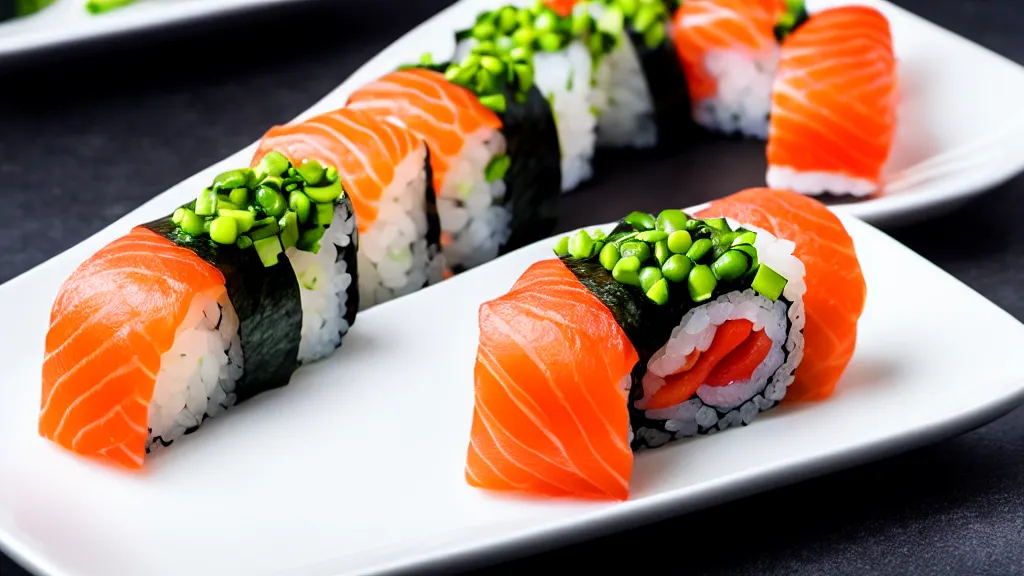 Tokyo
Tokyo Sydney
Local cuisine & dishes
Tokyo
Sydney
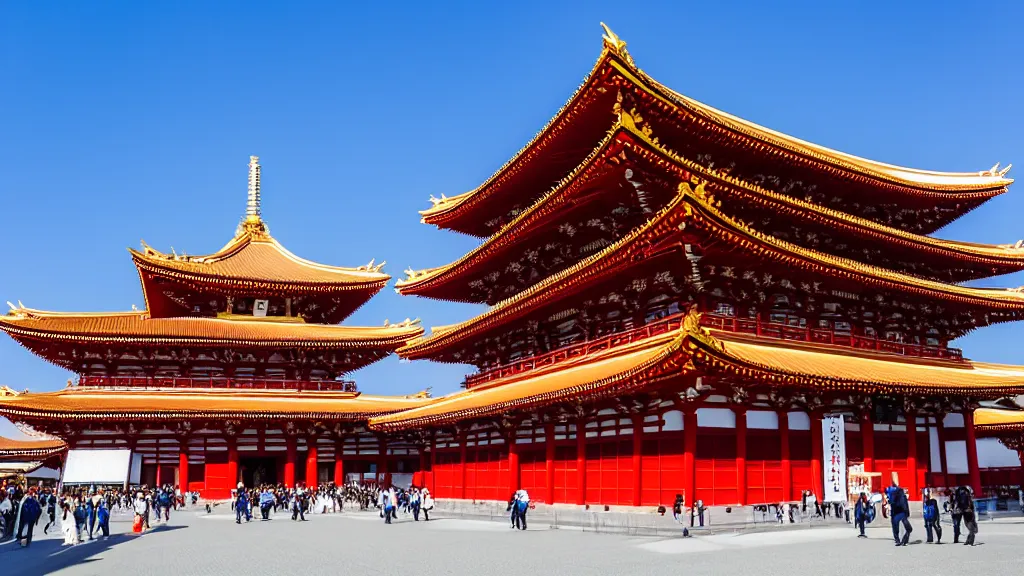 Tokyo
Tokyo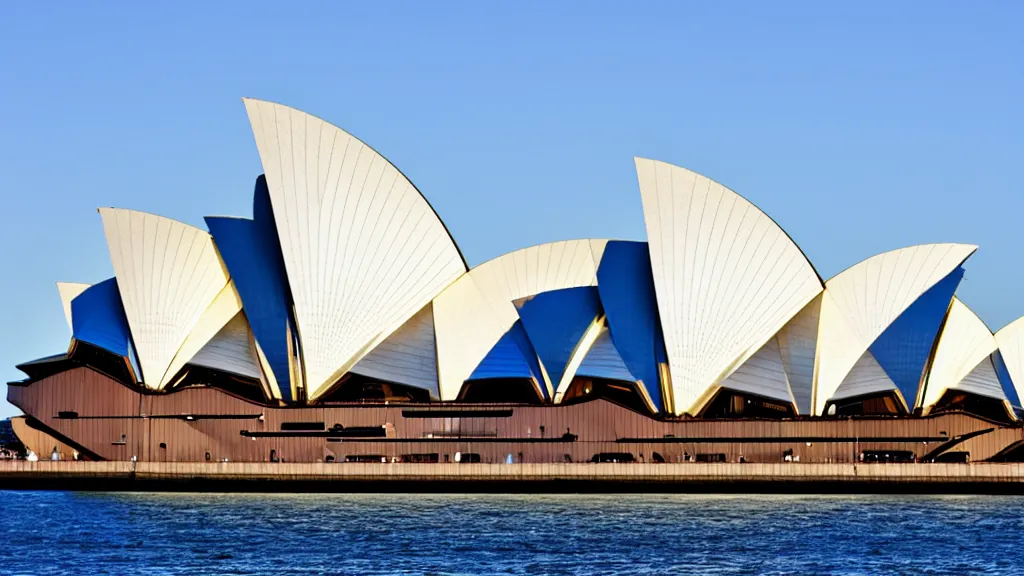 Sydney
Travel & attractions
Tokyo
Sydney
Real estate & living comparison
| Tokyo | Sydney | |
|---|---|---|
| Price per Square Meter to Buy Apartment in City Centre | 11527.44 USD | 12133.91 USD |
| Price per Square Meter to Buy Apartment Outside of Centre | 5177.29 USD | 7710.31 USD |
| International Primary School, Annual Tuition per Child | 16525.57 USD | 26885.17 USD |
| Private Full-Day Preschool or Kindergarten, Monthly Fee per Child | 1109.52 USD | 2215.67 USD |
| Jeans (Levi's 501 or Similar) | 50.48 USD | 80.78 USD |
| Men's Leather Business Shoes | 81.46 USD | 130.87 USD |
| Apples (1 kg) | 5.11 USD | 3.5 USD |
| Bananas (1 kg) | 2.44 USD | 3.08 USD |
| 1 Bedroom Apartment in City Centre | 1148.4 USD | 2620.41 USD |
| 1 Bedroom Apartment Outside of City Centre | 647.9 USD | 1682.34 USD |
| Bottled Water (0.33 Liter) | 0.79 USD | 2.43 USD |
| Cappuccino (Regular Size) | 3.3 USD | 3.85 USD |
| Annual Mortgage Interest Rate (20-Year Fixed, in %) | 1.7 USD | 6.05 USD |
| Average Monthly Net Salary (After Tax) | 2629 USD | 4189.48 USD |
| Cinema Ticket (International Release) | 12.72 USD | 17.73 USD |
| Monthly Fitness Club Membership | 68.51 USD | 74.9 USD |
| Gasoline (1 Liter) | 1.12 USD | 1.33 USD |
| Monthly Public Transport Pass (Regular Price) | 69.96 USD | 154.16 USD |
| Basic Utilities for 85 m2 Apartment (Electricity, Heating, Cooling, Water, Garbage) | 157.7 USD | 208.26 USD |
| Broadband Internet (Unlimited Data, 60 Mbps or Higher) | 29.85 USD | 55.31 USD |
| Population | 37,785,000 | 4,840,600 |
Last updated: 2026-04-05T11:35:31+00:00
Comments for this comparison