
Aizuwakamatsu vs. Omaha: Detailed 2026 Cost of Living & Quality Comparison
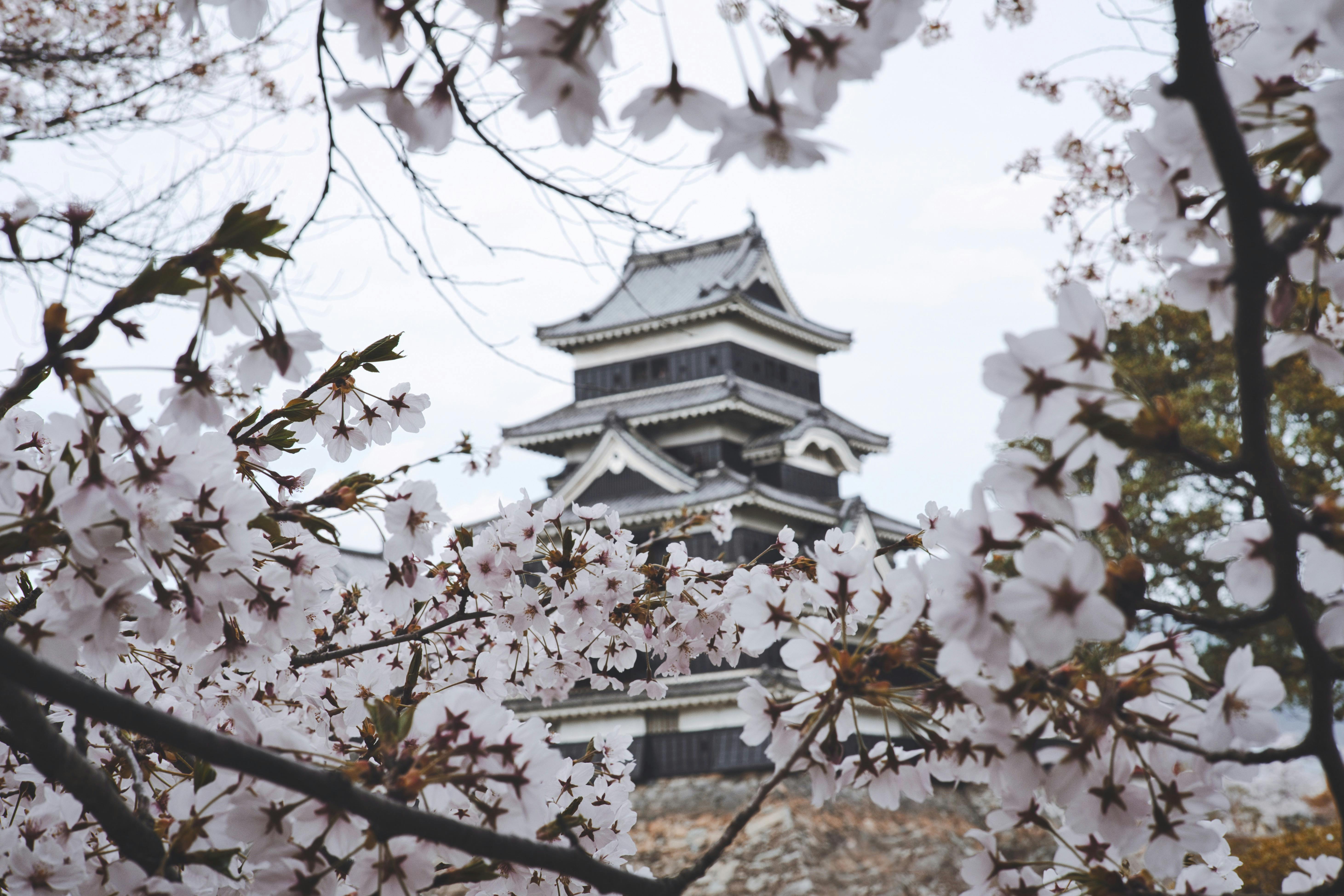 Aizuwakamatsu
Image by:Evgeny Tchebotarev
Aizuwakamatsu
Image by:Evgeny Tchebotarev
 Omaha
Image by:Hub JACQU
Omaha
Image by:Hub JACQU
Aizuwakamatsu presents a markedly different urban and economic profile compared to Omaha, a major US metropolitan center. The data available for Aizuwakamatsu is significantly more limited, focusing primarily on basic population figures, GDP per capita ($46,200), growth rates (population 0.43%, GDP 1.68%), and sparse restaurant cost comparisons. This scarcity makes comprehensive analysis challenging, unlike the wealth of information available for Omaha, which includes detailed cost of living indices, extensive restaurant and market basket data, real estate prices, rental costs, salary figures, and various quality of life metrics. This fundamental disparity in data granularity immediately suggests that Omaha offers a much more complete picture of its economic and social environment, while Aizuwakamatsu's profile remains relatively sketchy based on the provided figures.
Economically, Aizuwakamatsu's GDP per capita of $46,200, coupled with modest growth rates (1.68% GDP, 0.43% population), provides only basic indicators of its economic health, lacking context from comparative indices or sector-specific data. Housing data for Aizuwakamatsu is notably sparse, with no information on rental costs or property prices provided. This absence makes direct comparison difficult. Conversely, Omaha presents a clearer economic landscape, with a significantly higher GDP per capita of $74,600, reflecting a larger and potentially more dynamic economy. Figures like the average monthly net salary ($3,925.07) and detailed housing data (e.g., city center apartment rentals and property prices) offer benchmarks. The lack of comparable data for Aizuwakamatsu prevents any assessment of its housing market, but the figures from Omaha suggest higher costs, particularly for multi-bedroom units in central locations, relative to its smaller size.
The quality of life assessment reveals a stark difference in data availability. While Omaha offers a detailed profile with a Quality of Life Index of 188.73 and supporting metrics covering safety, healthcare, climate, pollution, and commute times, Aizuwakamatsu provides virtually no specific indices beyond its population count. This makes any meaningful assessment of safety, healthcare quality, climate perceptions, or pollution levels impossible based on the given information. The limited data for Aizuwakamatsu contrasts sharply with Omaha's comprehensive metrics, hindering a thorough evaluation of its overall livability and well-being factors.
Assessing investment and career opportunities in Aizuwakamatsu is particularly challenging due to the lack of detailed economic data, such as employment rates, industry composition, or unemployment figures. The available GDP growth rate of 1.68% and population growth of 0.43% offer some indicators, but little context on job creation or sector trends. For Omaha, the data paints a clearer picture with robust growth rates (2.89% GDP, 0.67% population) and higher salaries ($3,925.07 average net monthly). While specific employment data is not provided, the higher GDP per capita, stronger growth rates, and significantly higher salaries compared to the limited Aizuwakamatsu figures suggest potentially more diverse and lucrative career opportunities and investment prospects in Omaha, although further data would be needed for a definitive comparison.
Omaha emerges as a significantly more complex and data-rich environment compared to Aizuwakamatsu. The extensive dataset for Omaha allows for a detailed analysis across cost of living, quality of life, real estate, and economic indicators, painting a picture of a large US city with a vibrant economy, higher cost of living (especially for housing and food), and a generally positive quality of life index despite some lower-scoring specific factors like healthcare and climate. In contrast, Aizuwakamatsu presents a much simpler profile with limited data points, making a comprehensive comparison difficult. While Aizuwakamatsu has a lower population and potentially lower costs for basic goods, the lack of data on housing, healthcare, safety, and economic opportunities prevents any substantive conclusion about its overall desirability or livability. Omaha appears to offer more robust career potential and investment data, but also comes with correspondingly higher costs and specific trade-offs identified in its quality of life metrics. Aizuwakamatsu remains an enigma wrapped in limited data, lacking the infrastructure like advanced Maglev systems or environmental controls such as widespread Brise-soleil facades and Sulfur-scrubbers detailed for Omaha.
 Aizuwakamatsu
 Omaha
OmahaLocal cuisine & dishes
Aizuwakamatsu
Omaha
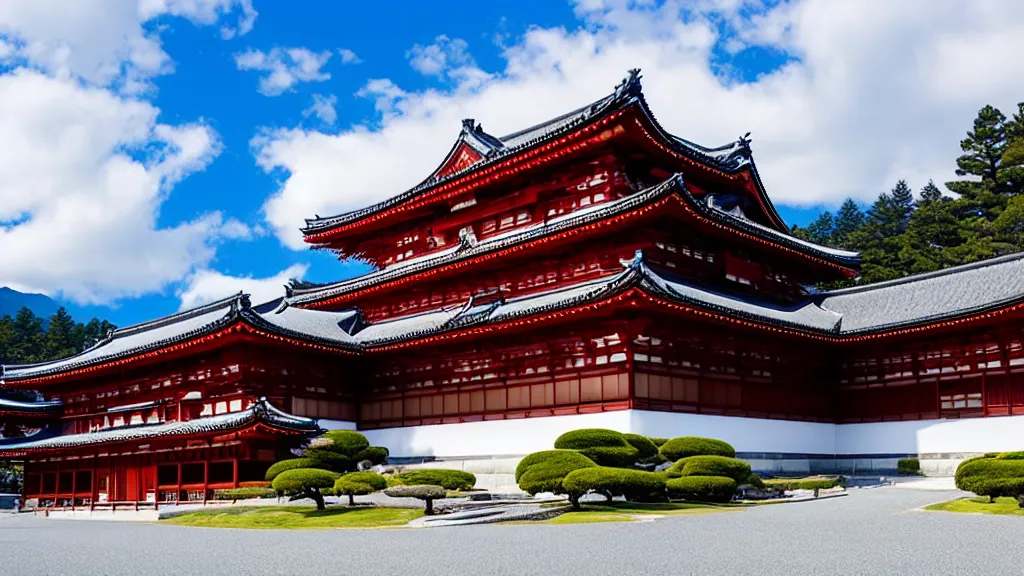 Aizuwakamatsu
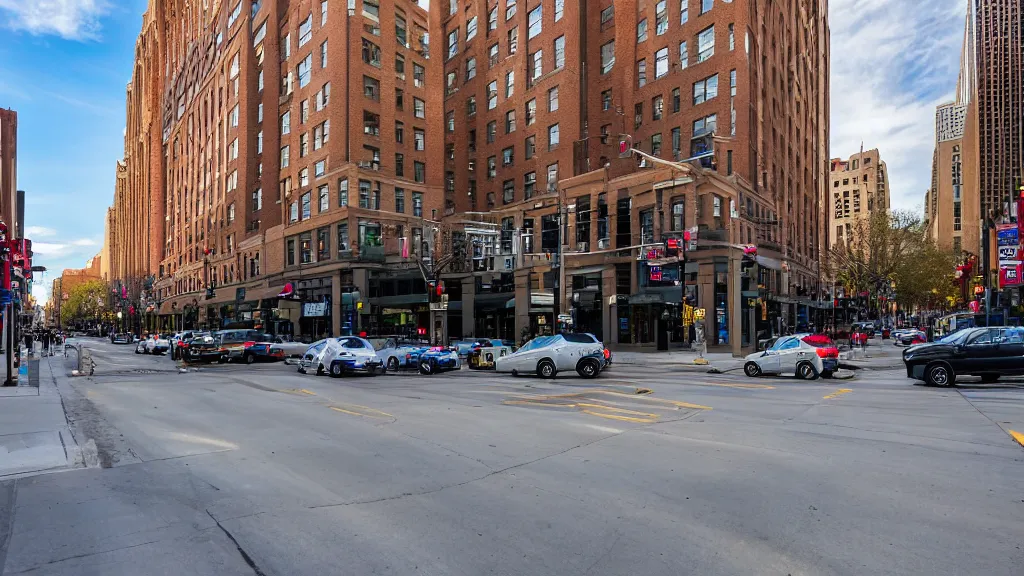 Omaha
OmahaTravel & attractions
Aizuwakamatsu
Omaha
Real estate & living comparison
| Aizuwakamatsu | Omaha | |
|---|---|---|
| Bottled Water (0.33 Liter) | 0.64 USD | 1.64 USD |
| Cappuccino (Regular Size) | 1.91 USD | 5.24 USD |
| GDP Growth Rate: | 1.68 USD | 2.89 USD |
| GDP Per Capita ($) : | 46200 USD | 74600 USD |
| Population | 117,924 | 826,161 |
Last updated: 2026-04-05T11:50:09+00:00
Comments for this comparison