
Ankang vs. Tabuk: Detailed 2026 Cost of Living & Quality Comparison
 Ankang
Image by:Mad Skillz,,
Ankang
Image by:Mad Skillz,,
 Tabuk
Image by:SALEH .
Tabuk
Image by:SALEH .
Tabuk and Ankang represent two vastly different urban environments, reflecting the core economic disparities between Saudi Arabia and China. Tabuk, with a GDP per capita of $55,100, signifies a much more affluent economic base despite a lower growth rate of 0.75%. This contrasts sharply with Ankang's $22,100 GDP per capita and 5.25% growth rate, indicating a developing economy with more expansion potential. This fundamental difference immediately shapes the living experience, with Tabuk reflecting higher prosperity but distinct demographic and economic structures.
The economic disparity is starkly reflected in the cost of living, particularly housing. While property prices in Ankang range from approximately $180,510 to $353,610, indicative of the broader Chinese market, Tabuk presents a dramatically different picture. Its city-center apartments cost a mere $943 per month for a one-bedroom unit. Although Tabuk's net salary after tax ($1,732) is lower than its GDP would suggest, its overall cost structure, especially housing, is significantly more affordable than in Ankang, presenting a different financial reality for residents.
Quality of life metrics paint a complex picture, with significant trade-offs. Tabuk boasts a higher safety index (72.94) and notably shorter commute times (20 minutes), suggesting a lower crime environment and better urban transit. However, its health care index (58.33) is considerably lower than implied standards in Ankang, raising concerns about healthcare access and quality. Furthermore, Tabuk's environmental quality is a major weakness, with a low climate comfort index (57.14) and no data on air or water quality, contrasting with the implied better environmental conditions in Ankang.
From an investment and career standpoint, the cities diverge further. Tabuk shows stable but limited growth, with a population increase of 1.68% and sluggish GDP expansion. Ankang, conversely, offers significantly stronger expansion potential, driven by its 5.25% GDP growth rate, despite its lower starting point. This suggests Ankang is a more dynamic market for business and career advancement, albeit one with different risk characteristics than the established but slower-growing Tabuk.
Ultimately, the comparison between Ankang and Tabuk reveals two fundamentally distinct places. For those prioritizing economic opportunity, career advancement, and a developing market, Ankang offers compelling prospects, despite likely challenges in safety, healthcare, and environmental quality. Conversely, Tabuk appeals to those valuing safety, established infrastructure, and shorter commutes, though at a substantially higher cost of living and with concerns over healthcare and environmental comfort. The choice hinges on weighing economic dynamism against established quality of life metrics.
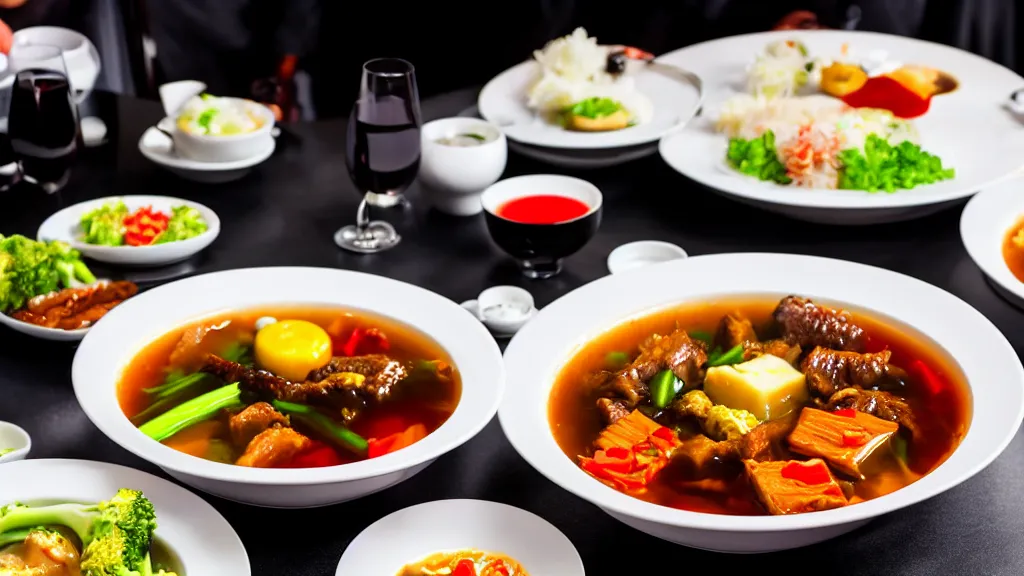 Ankang
 Tabuk
TabukLocal cuisine & dishes
Ankang
Tabuk
 Ankang
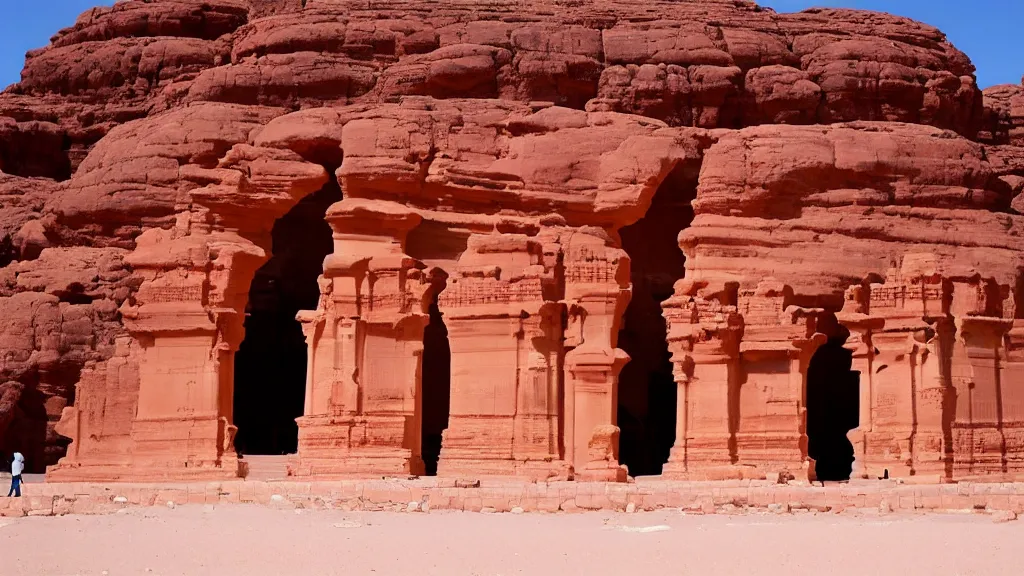 Tabuk
TabukTravel & attractions
Ankang
Tabuk
Real estate & living comparison
| Ankang | Tabuk | |
|---|---|---|
| International Primary School, Annual Tuition per Child | 18764.63 USD | 8526.09 USD |
| Private Full-Day Preschool or Kindergarten, Monthly Fee per Child | 568.26 USD | 666.1 USD |
| Apples (1 kg) | 1.78 USD | 1.96 USD |
| Bananas (1 kg) | 1.07 USD | 1.57 USD |
| Bottled Water (0.33 Liter) | 0.29 USD | 0.27 USD |
| Cappuccino (Regular Size) | 2.32 USD | 3.02 USD |
| GDP Growth Rate: | 5.25 USD | 0.75 USD |
| GDP Per Capita ($) : | 22100 USD | 55100 USD |
| Cinema Ticket (International Release) | 5.66 USD | 25.31 USD |
| Gasoline (1 Liter) | 1.14 USD | 0.64 USD |
| Taxi 1 km (Standard Tariff) | 0.33 USD | 2.66 USD |
| Basic Utilities for 85 m2 Apartment (Electricity, Heating, Cooling, Water, Garbage) | 50.14 USD | 159.86 USD |
| Broadband Internet (Unlimited Data, 60 Mbps or Higher) | 12.77 USD | 104.24 USD |
| Population | 2,493,436 | 886,036 |
Last updated: 2026-04-05T11:23:40+00:00
Comments for this comparison