Peace & livability
is characterized by an increased reliance on drone technology for surveillance and emergency response. While this has led to improved situational awareness, it has also raised concerns about privacy and potential misuse of data. To address these issues, there is a need for robust regulatory frameworks governing the use of drones, coupled with transparent reporting mechanisms. Additionally, investing in AI-powered predictive analytics can help law enforcement agencies anticipate and respond to potential security threats more effectively. The city's safety score could be improved by enhancing emergency response times, particularly in densely populated areas, and by implementing community-focused safety initiatives that empower residents to play an active role in maintaining their own safety.
Economy
Is influenced by the average salary of 496.98$ and the average rent of 585.79$. Given the city's population of 15,136,000, this translates to a significant strain on resources. To address this issue, the city could consider implementing policies that promote affordable housing and encourage salary growth in key sectors. The labor market outlook for HCMC is promising, with a growing focus on industrial automation and robotics. This shift towards automation is expected to create new job opportunities while reducing the demand for manual labor. However, it is crucial that the city invests in workforce training programs to ensure that its residents are equipped with the skills necessary to thrive in this new automated landscape.
Career
The industrial automation and labor market outlook for Ho Chi Minh City is positive, with a growing emphasis on robotics and AI. The city's strategic location within Southeast Asia makes it an attractive hub for tech companies looking to expand into emerging markets. To capitalize on this opportunity, HCMC should invest in education and training programs that equip its workforce with the skills necessary to excel in these sectors. This could include partnerships with universities and tech companies to develop curricula that are tailored to the needs of the local industry. Additionally, the city could consider implementing policies that incentivize businesses to invest in research and development, fostering a culture of innovation and technological advancement.
City guide
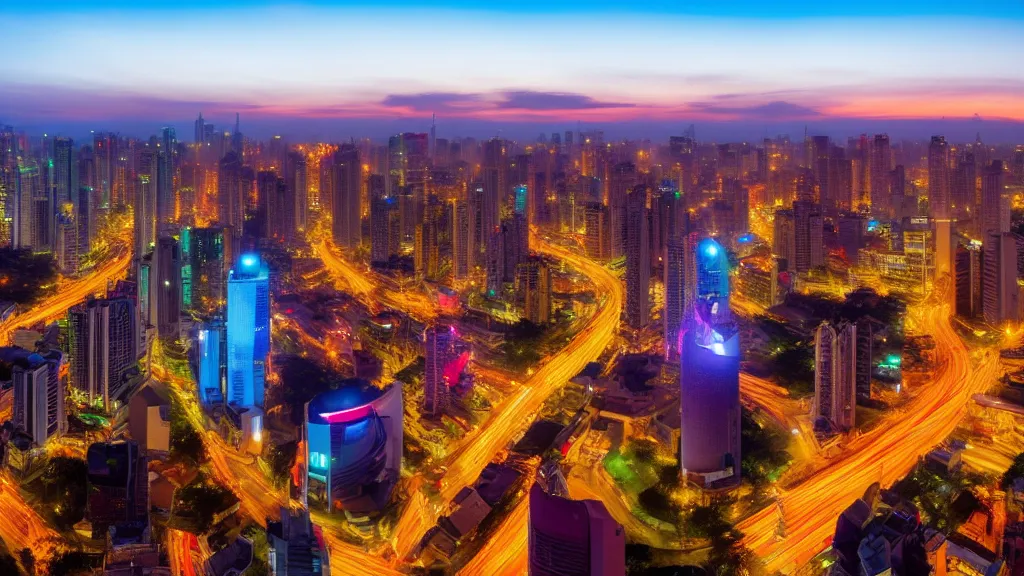
Ho Chi Minh City (HCMC) stands as a testament to the interplay between tradition and technology. The city's iconic Brise-soleil facades have been transformed into dynamic solar power generators, while its Maglev integration has revolutionized transportation. However, the city's safety score of 35/100 indicates room for improvement in security infrastructure. To address this issue, there is a need for robust regulatory frameworks governing the use of drones, coupled with transparent reporting mechanisms and AI-powered predictive analytics to enhance public safety. The fiscal sustainability of HCMC is influenced by the average salary of 496.98$ and the average rent of 585.79$. To address this issue, the city could consider implementing policies that promote affordable housing and encourage salary growth in key sectors. The labor market outlook for HCMC is promising, with a growing focus on industrial automation and robotics. To capitalize on this opportunity, HCMC should invest in education and training programs that equip its workforce with the skills necessary to excel in these sectors. This could include partnerships with universities and tech companies to develop curricula that are tailored to the needs of the local industry. Additionally, the city could consider implementing policies that incentivize businesses to invest in research and development, fostering a culture of innovation and technological advancement.

Comments for this city