
Austin vs. Talca: Detailed 2026 Cost of Living & Quality Comparison
 Austin
Image by:Ruben Reyes
Austin
Image by:Ruben Reyes
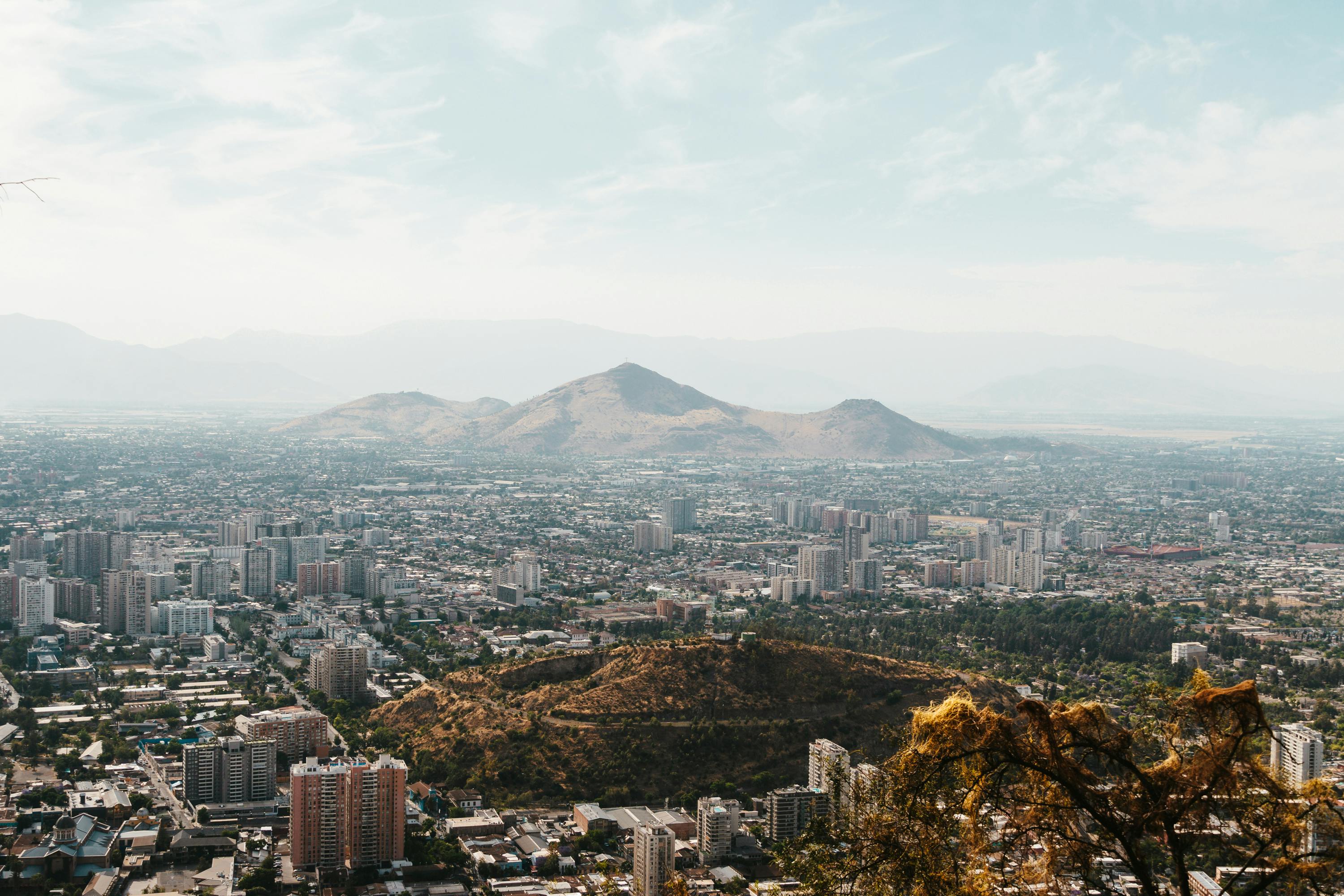 Talca
Image by:Csaba Marosi
Talca
Image by:Csaba Marosi
Austin presents a vastly different economic and cost-of-living profile compared to Talca. Austin's economy is significantly larger, evidenced by its GDP per capita of $74,600 versus Talca's $29,500, reflecting broader economic activity and higher average incomes. This economic strength is mirrored in its higher average monthly net salary of $4,916.91 compared to Talca's $679.39. However, this economic dynamism comes with a substantial price tag. Austin's property market is markedly more expensive, with city center apartments priced at $7,259.06 per square meter, significantly higher than Talca's $1,698.47. Even outside the city center, Austin's $3,216.73 per square meter is substantially more than Talca's $1,132.31. This high cost of living is further underscored by Austin's regional indices being generally above the national average, contrasting with Talca's lower regional indices. The high property prices relative to income, indicated by a ratio of 5.33, suggest potential affordability challenges in Austin.
The gap in quality of life between Austin and Talca is equally pronounced. Austin scores considerably higher across key indices, with an overall Quality of Life Index of 190.19, significantly above the average. This is driven by superior Safety (56.01) and Health Care (64.9) scores compared to typical national averages. While Austin's Pollution Index (43.06) is relatively low, its Climate Index (82.08) is moderate, and its Commute Time Index (40.48) is lower than many US cities, suggesting manageable travel times. Conversely, Talca's quality of life metrics, based on its regional indices, are considerably lower. Although specific Talca indices aren't provided here, the available data points, like lower safety and healthcare scores in other Chilean cities, suggest a less favorable overall environment compared to Austin's benchmark indices.
Austin offers superior investment and career prospects, despite its high cost. Its robust GDP growth rate of 2.89% and higher GDP per capita indicate a dynamic job market and stronger economic potential. The higher average net salary provides greater potential for career earnings and investment accumulation. While the high property prices represent a significant hurdle, they also reflect this economic strength. Talca, with its lower GDP per capita ($29,500) and sluggish GDP growth rate (0.22%), presents a much smaller economic base and fewer high-paying opportunities. Its lower property prices might be more accessible for entry-level investment, but the slow growth rate and lower quality of life scores likely limit long-term prospects and the ability to attract and retain skilled workers.
The decision between Austin and Talca fundamentally involves weighing economic dynamism and quality of life against affordability. Austin's higher GDP per capita, robust growth, and superior quality of life indices make it the clear leader for those prioritizing career advancement, investment potential, and amenities. The trade-off is a significantly higher cost of living, particularly housing, which is substantially more expensive than in Talca. Talca offers substantially lower living costs and more affordable housing, but at the cost of reduced economic dynamism, lower quality of life scores, and slower growth, making it a less attractive option for long-term professional and financial goals, despite its immediate affordability.
Austin decisively outperforms Talca across the key dimensions analyzed. Its higher GDP per capita ($74,600 vs. $29,500), stronger population growth (0.67% vs. 0.61%), and significantly higher average net salary ($4,916.91 vs. $679.39) establish a clear economic advantage. This is matched by superior quality of life metrics, particularly safety and healthcare, giving Austin a significant edge. While Austin's cost of living and housing prices are substantially higher, its economic strength and amenities make it the preferred choice for maximizing income, career prospects, and overall lifestyle quality in 2026. Talca, conversely, offers lower costs but falls short in economic dynamism and quality of life, making it a less compelling option for most individuals seeking significant long-term financial gain or a high-quality living environment.
 Austin
 Talca
TalcaLocal cuisine & dishes
Austin
Talca
 Austin
 Talca
TalcaTravel & attractions
Austin
Talca
Real estate & living comparison
| Austin | Talca | |
|---|---|---|
| Price per Square Meter to Buy Apartment in City Centre | 7259.06 USD | 1698.47 USD |
| Price per Square Meter to Buy Apartment Outside of Centre | 3216.73 USD | 1132.31 USD |
| International Primary School, Annual Tuition per Child | 20818.75 USD | 3736.62 USD |
| Private Full-Day Preschool or Kindergarten, Monthly Fee per Child | 1409.76 USD | 502.26 USD |
| Jeans (Levi's 501 or Similar) | 53.81 USD | 45.29 USD |
| Men's Leather Business Shoes | 110.47 USD | 85.53 USD |
| Apples (1 kg) | 4.99 USD | 1.86 USD |
| Bananas (1 kg) | 1.56 USD | 1.65 USD |
| 1 Bedroom Apartment in City Centre | 2111.76 USD | 452.92 USD |
| 1 Bedroom Apartment Outside of City Centre | 1365.59 USD | 396.31 USD |
| Bottled Water (0.33 Liter) | 2.24 USD | 1.35 USD |
| Cappuccino (Regular Size) | 5.39 USD | 2.55 USD |
| Annual Mortgage Interest Rate (20-Year Fixed, in %) | 6.36 USD | 5.43 USD |
| Average Monthly Net Salary (After Tax) | 4916.91 USD | 679.39 USD |
| Cinema Ticket (International Release) | 15 USD | 6.11 USD |
| Monthly Fitness Club Membership | 62.82 USD | 33.21 USD |
| Gasoline (1 Liter) | 0.73 USD | 1.46 USD |
| One-Way Ticket (Local Transport) | 1.75 USD | 0.8 USD |
| Basic Utilities for 85 m2 Apartment (Electricity, Heating, Cooling, Water, Garbage) | 190.82 USD | 105.98 USD |
| Broadband Internet (Unlimited Data, 60 Mbps or Higher) | 65.76 USD | 20.38 USD |
| Population | 1,915,031 | 206,069 |
Last updated: 2026-04-05T11:52:50+00:00
Comments for this comparison