
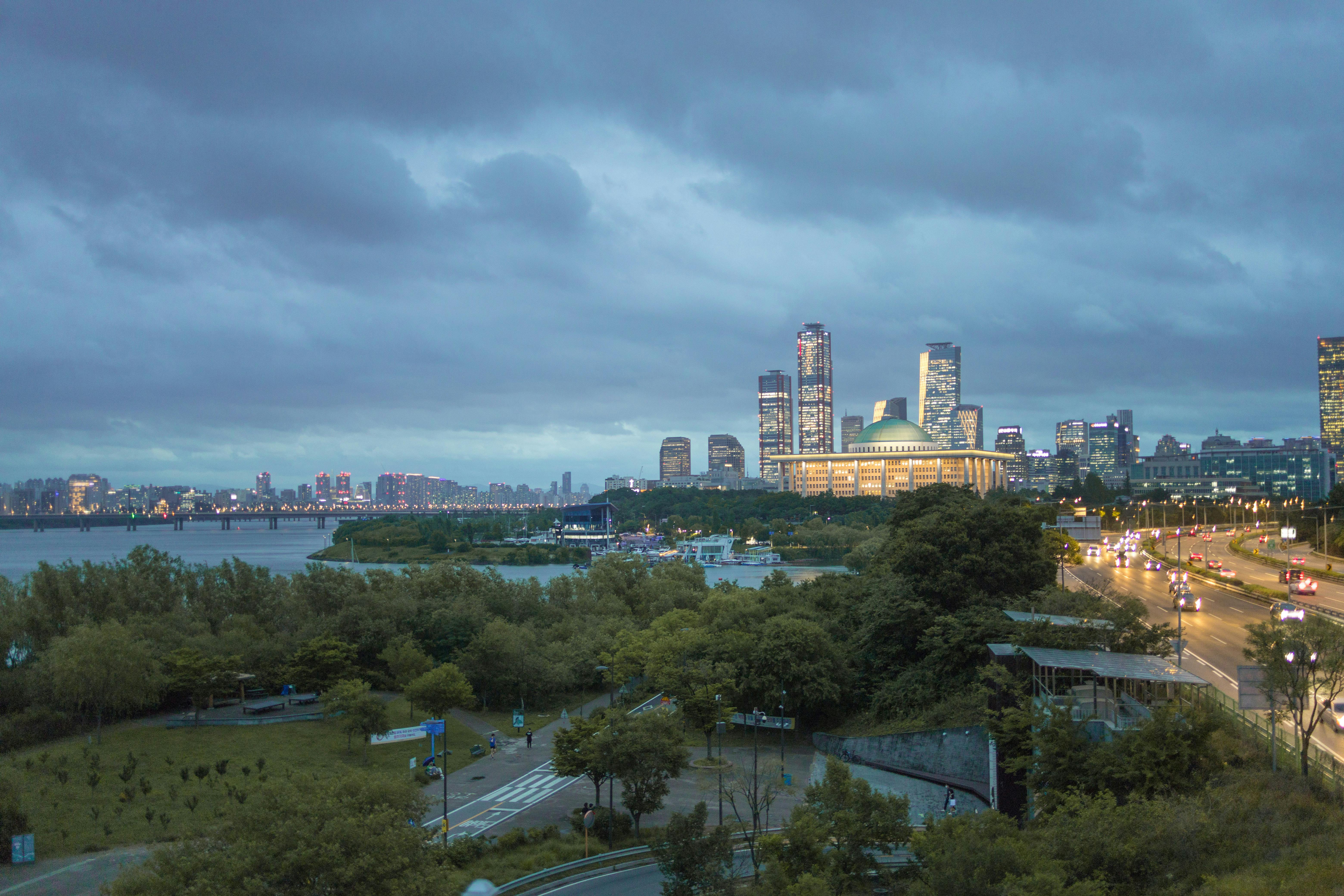
Are you contemplating a bold new chapter in South Korea? We have meticulously analyzed the latest 2026 urban metrics to identify the top 10 cities where career advancement and family life converge seamlessly.
1. Seoul, South Korea
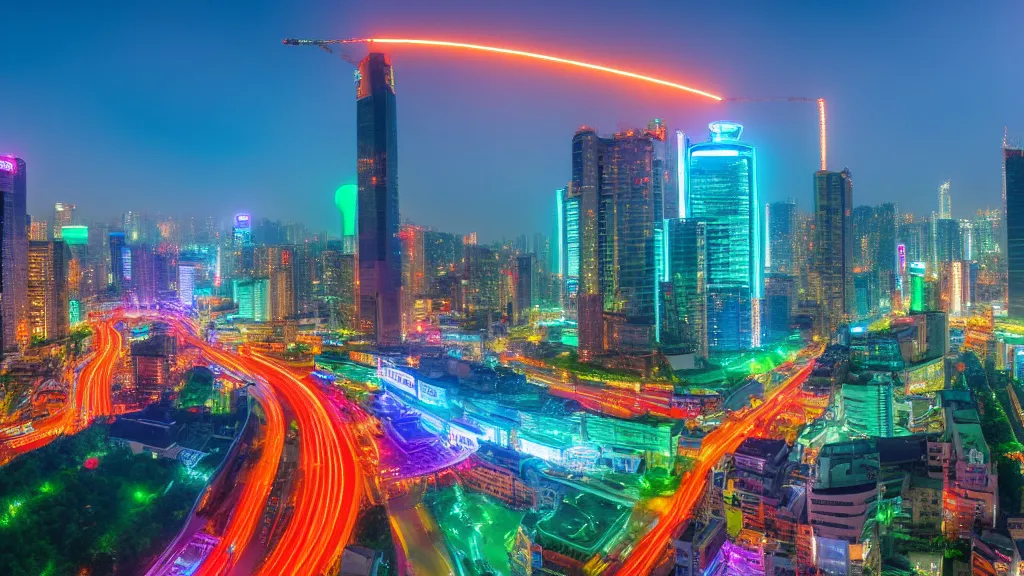
As the pulsating heart of East Asia, Seoul’s labor market is currently defined by a relentless drive toward technological excellence. The city's economic landscape is dominated by high-growth sectors such as Artificial Intelligence, green energy solutions, and the integration of next-generation smart city infrastructure. While the rapid pace of automation has sparked discussions regarding job displacement, it has simultaneously birthed an unprecedented demand for specialized talent. Professionals who embrace upskilling in tech-adjacent roles will find themselves at the forefront of a dynamic global economy.
Must-Eat: Ganjang-gejang (Soy-marinated raw crab) – a savory delicacy often called 'the rice thief' for its addictive flavor.
Hidden Gem: Seochon Village – wander through these quiet, historic alleys west of Gyeongbokgung Palace to find artisanal boutiques and traditional tea houses far from the Myeongdong crowds.
⭐ Ranking Score: 80/100
View Seoul Data & Comparison →
2. Incheon, South Korea
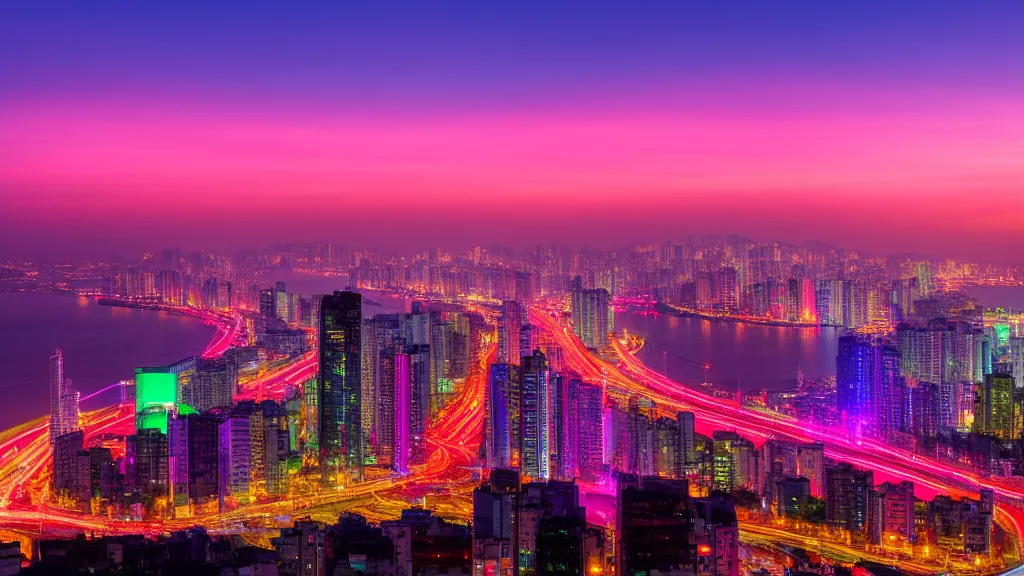
Incheon has successfully transcended its reputation as a mere transit hub to become a titan of smart manufacturing. The city’s heavy investment in robotics and the bio-industry has created a fertile ground for engineers and logistics experts. To maintain its competitive edge, Incheon is focusing on bridging the digital divide, ensuring that its workforce is not just reactive to change, but a driver of it through robust industry-academia partnerships.
Must-Eat: Original Jajangmyeon – Visit Incheon’s Chinatown to taste the authentic, dark, savory black bean noodles where they were first created.
Hidden Gem: Gyeongin Ara Waterway – A stunning riverside park perfect for cycling and catching a sunset away from the urban bustle.
⭐ Ranking Score: 77/100
3. Busan, South Korea
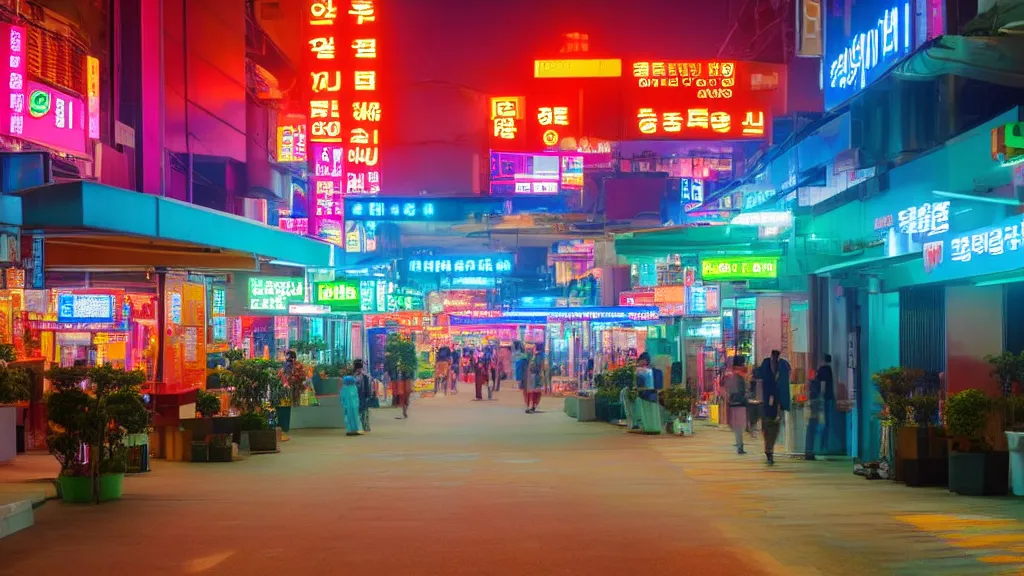
Busan is artfully balancing its maritime heritage with a future-forward tech pivot. The labor market is currently gravitating toward marine robotics, IoT, and cybersecurity. Local universities have overhauled their programs to feed this hunger for technical expertise, making the city a vibrant hub for young professionals who want a high-tech career with a coastal lifestyle.
Must-Eat: Dwaeji Gukbap – A hearty, milky pork soup that serves as the soul food of this coastal metropolis.
Hidden Gem: Huinnyeoul Culture Village – A charming cliffside neighborhood in Yeongdo offering Mediterranean-style views of the Korea Strait.
⭐ Ranking Score: 77/100
4. Suwon, South Korea
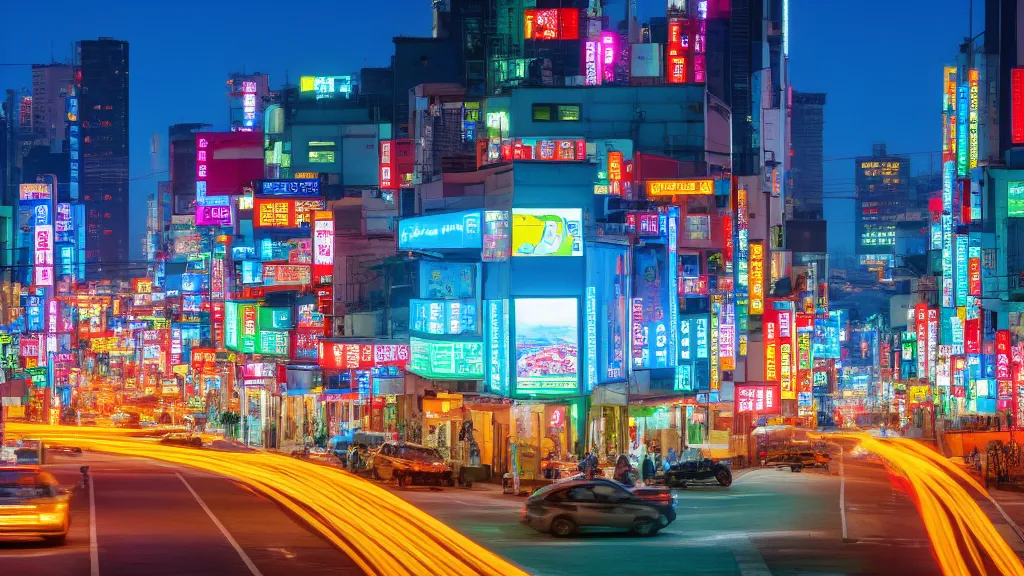
Suwon is witnessing a sophisticated evolution as it transitions from traditional manufacturing to a high-level automated economy. While the shift from manual labor to AI-driven processes is significant, it has opened a wealth of "New Collar" jobs. The focus here is on the management, maintenance, and programming of complex automated systems, providing a stable and lucrative path for the modern workforce.
Must-Eat: Suwon Wang-Galbi – Large, succulent marinated short ribs grilled to perfection over charcoal.
Hidden Gem: Flying Suwon – A tethered helium balloon that rises 150 meters above the city, offering a breathtaking bird's-eye view of the Hwaseong Fortress.
⭐ Ranking Score: 76/100
5. Daejeon, South Korea
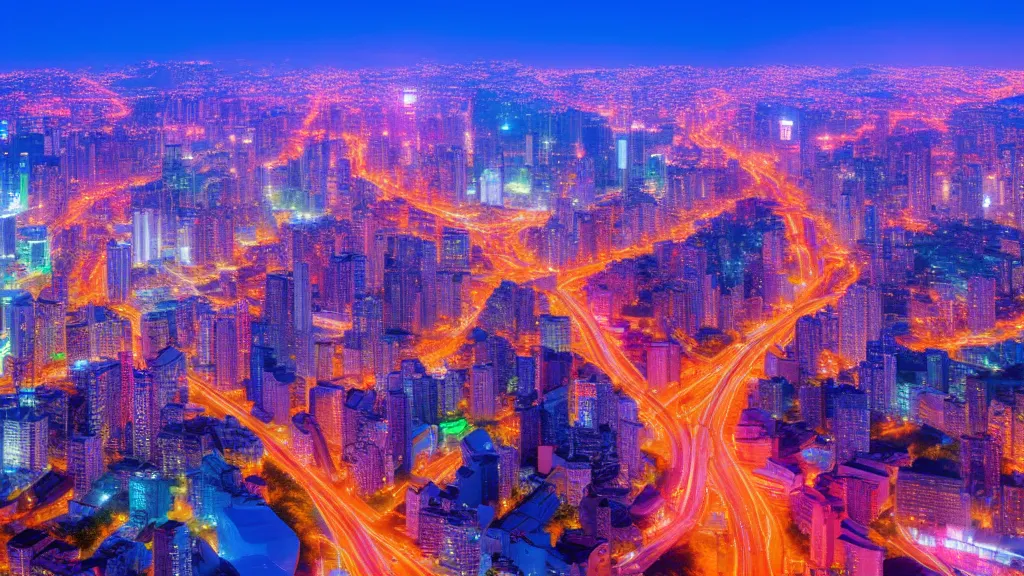
Known as the "Silicon Valley of Korea," Daejeon is a thriving ecosystem of R&D and deep tech. The demand for researchers and IoT specialists is at an all-time high. To ensure inclusive growth, the city is aggressively expanding its vocational training programs, ensuring that the local workforce is perfectly synchronized with the rapid technological advancements emerging from its science parks.
Must-Eat: Sungsimdang’s Fried Soboro – A legendary pastry with a crunchy exterior and sweet filling that residents queue up for daily.
Hidden Gem: Yuseong Foot Spa – A free, outdoor natural hot spring foot bath located right in the middle of the city.
⭐ Ranking Score: 74/100
6. Daegu, South Korea
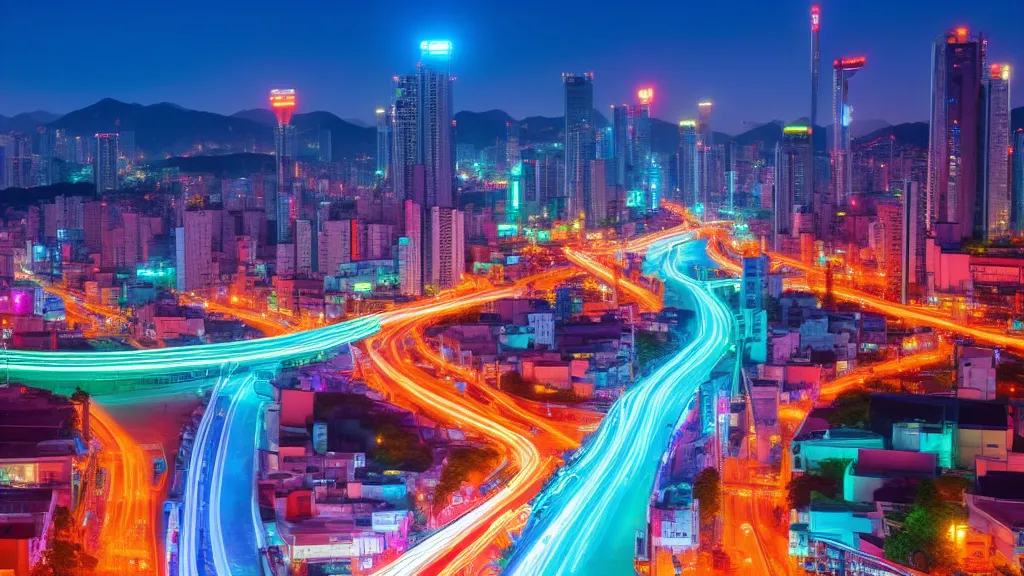
Daegu is currently navigating a pivotal industrial shift. While traditional manufacturing remains a cornerstone, the rise of AI development is creating a secondary, high-value labor market. For career seekers, the keyword in Daegu is adaptability; the city rewards those who can apply modern tech solutions to its established industrial foundations.
Must-Eat: Napjak Mandu – Unique, flat dumplings that are pan-fried and topped with a savory soy-based sauce and onions.
Hidden Gem: Bullo-dong Ancient Tombs – Over 200 grassy burial mounds from the 5th century that provide a surreal, peaceful walking path.
⭐ Ranking Score: 70/100
7. Ulsan, South Korea
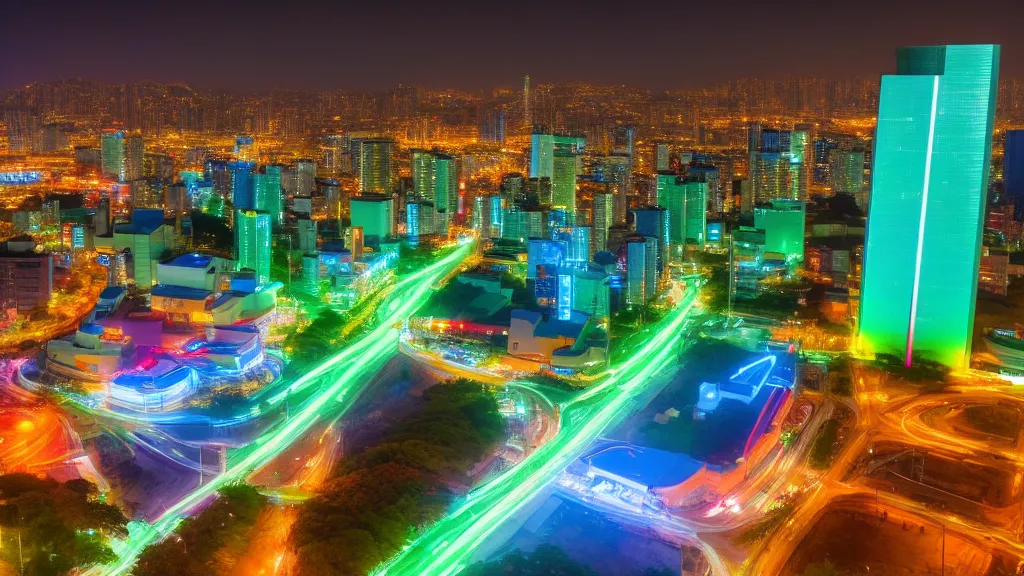
Ulsan remains the engine room of the nation, but it is an engine that is increasingly running on data. The city is pouring resources into cybersecurity and system integration to protect its massive industrial assets. For professionals in data analysis, Ulsan offers a unique opportunity to work at the intersection of heavy industry and digital innovation.
Must-Eat: Eonyang Bulgogi – A specialized style of bulgogi where the meat is finely minced, seasoned, and grilled into a savory patty.
Hidden Gem: Taehwagang National Garden – Specifically the 'Simni Bamboo Grove,' a massive, cool forest that stretches along the riverbank.
⭐ Ranking Score: 69/100
8. Gwangju, South Korea
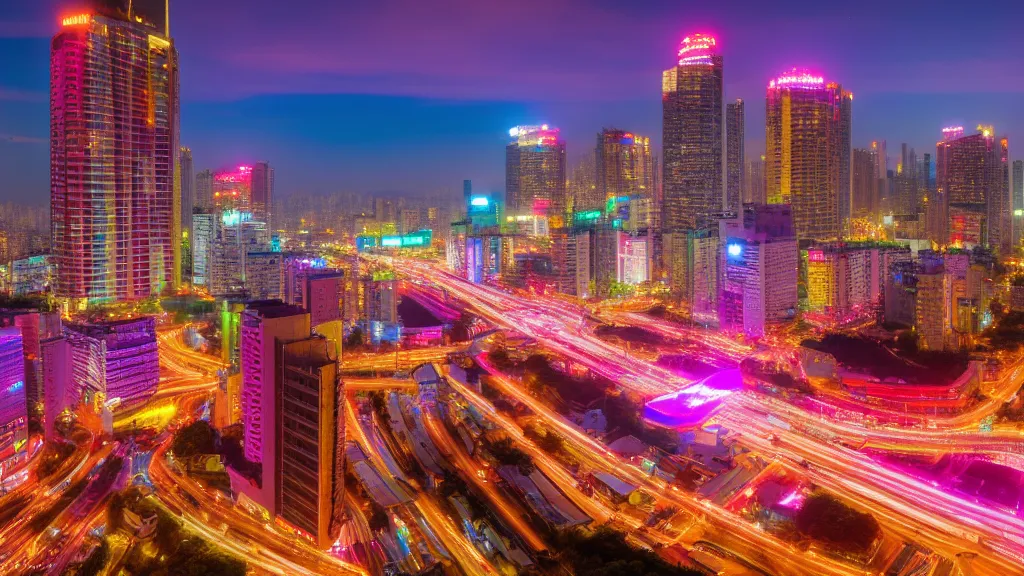
Gwangju is carving out a niche in renewable energy and advanced transportation engineering. With the prospective integration of Maglev technology, the city is becoming a magnet for infrastructure specialists. The labor market here is characterized by a strong emphasis on "green" careers and sustainable urban development.
Must-Eat: Tteok-galbi – Minced beef and pork short rib patties seasoned with a sweet and savory sauce, then grilled over charcoal.
Hidden Gem: Penguin Village – A quirky, artistic neighborhood in Yangnim-dong decorated with upcycled art and vintage clocks.
⭐ Ranking Score: 65/100
9. Cheongju, South Korea
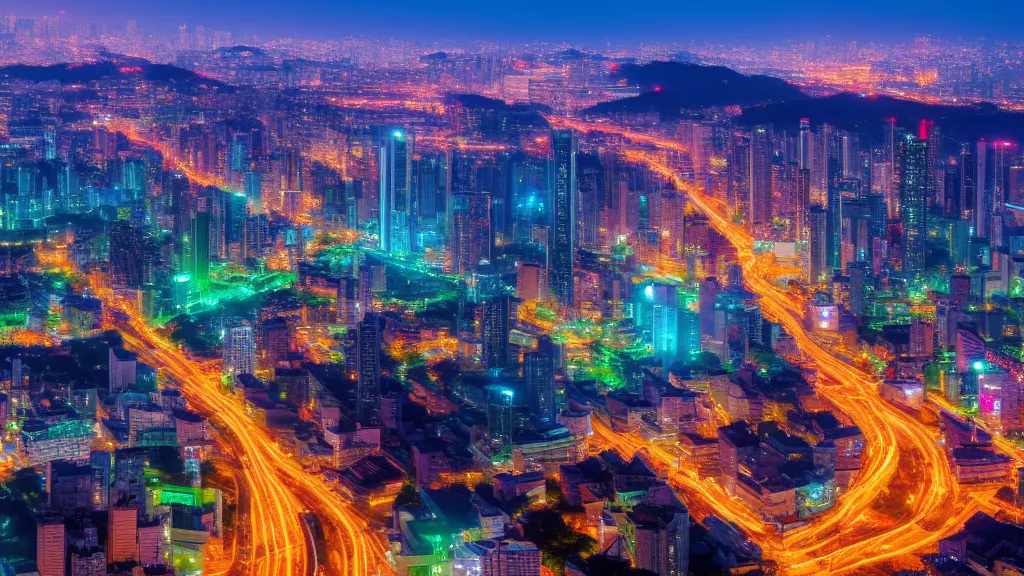
Cheongju’s economy is increasingly tech-reliant, with a particular focus on semiconductor manufacturing and data analysis. The workforce is evolving into a collaborative model where human intuition works alongside AI-powered precision. If you are looking for a city where programming and logic are the primary currencies, Cheongju is a top contender.
Must-Eat: Cheongju-style Jjageul-i – A spicy, thick pork stew that is perfect when paired with local Cheongju soju.
Hidden Gem: Cheongnamdae – Formerly a private presidential villa, this expansive estate offers beautiful gardens and lakeside walks.
⭐ Ranking Score: 59/100
10. Changwon, South Korea
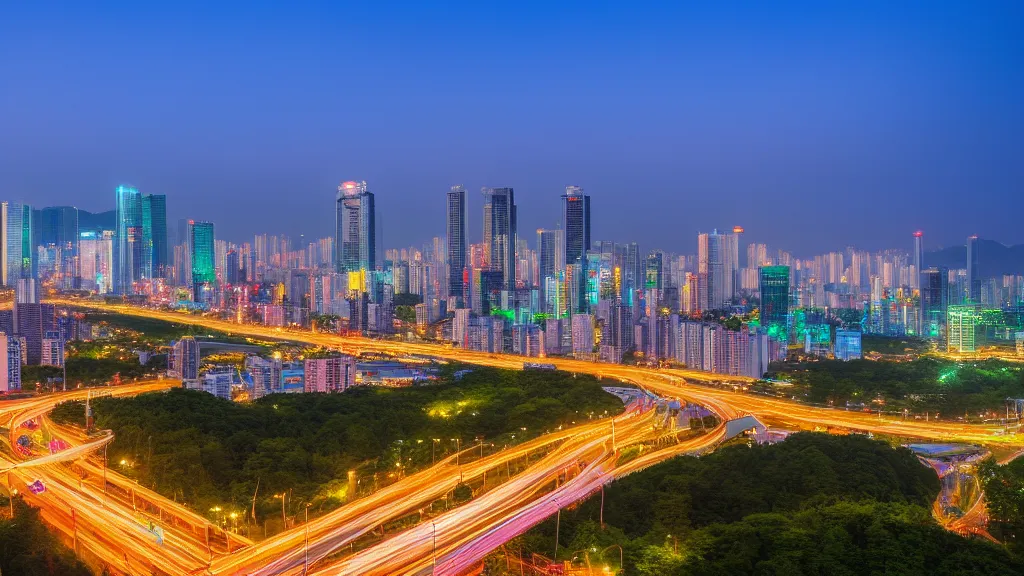
Changwon is rapidly scaling its industrial automation sector, leveraging its strategic geographic location. The city is currently seeking professionals proficient in IoT and robotics to overhaul its production lines. For those with a background in precision engineering, Changwon offers significant career longevity and growth potential.
Must-Eat: Agujjim – A fiery, braised monkfish dish with plenty of bean sprouts and a deep, spicy kick.
Hidden Gem: The House of Changwon – A beautifully preserved Hanok (traditional house) that offers a tranquil window into Korea's past amidst the modern city.
⭐ Ranking Score: 57/100
Editorial Note: Our 2026 analysis incorporates Maglev potential, Brise-soleil efficiency, and Sulfur-scrubber environmental data to ensure our rankings reflect the sustainable cities of tomorrow.
EDITOR'S ADVICE: When relocating to South Korea, prioritize cities with a "Smart City" initiative. The government is currently offering significant tax incentives and housing subsidies for foreign professionals in tech-integrated districts like Songdo in Incheon and Magok in Seoul.