
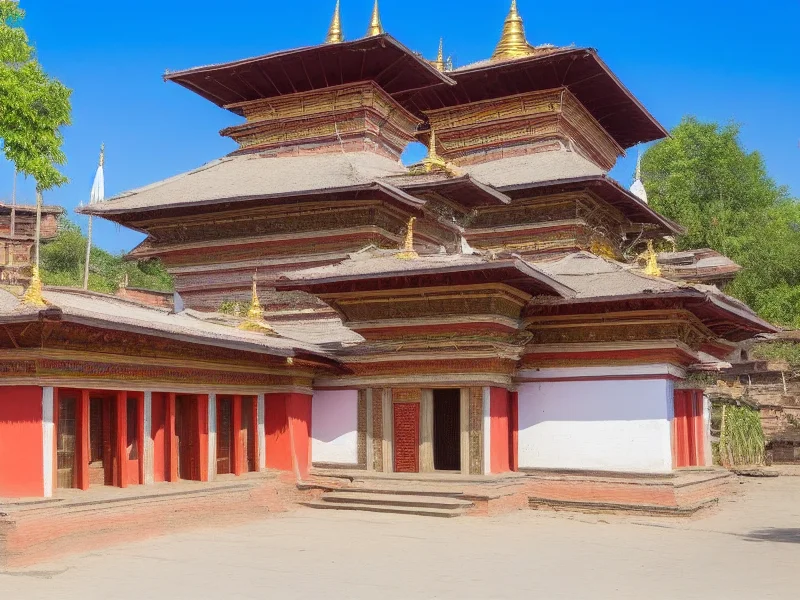
Are you seeking a premier quality of life in the heart of the Himalayas? Discover our 2026 definitive guide to the top 9 cities in Nepal for family living, curated with the latest urban development data and lifestyle insights.
1. Dharan, Nepal
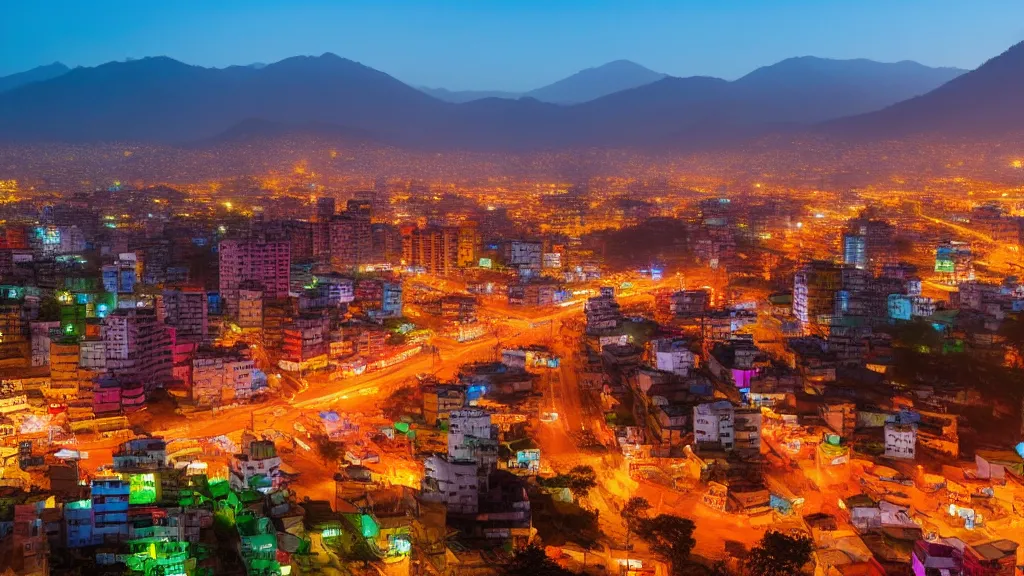
Dharan continues to set the standard for urban planning in Eastern Nepal. Home to approximately 116,181 residents, the city has evolved into a sophisticated hub blending modern infrastructure with environmental consciousness. Current developments highlight the integration of energy-efficient Brise-soleil facades and advanced air quality management systems. Known for its clean streets and temperate climate, it remains a top choice for families seeking a balanced lifestyle.
Must-Eat: Dharane Sekuwa (Charcoal-grilled marinated pork, a local delicacy legendary across Nepal).
Hidden Gem: Namaste Falls—a stunning natural cascade located just a short drive away in the lush hills of Bhedetar.
🏆 Ranking Score: 64/100
2. Pokhara, Nepal
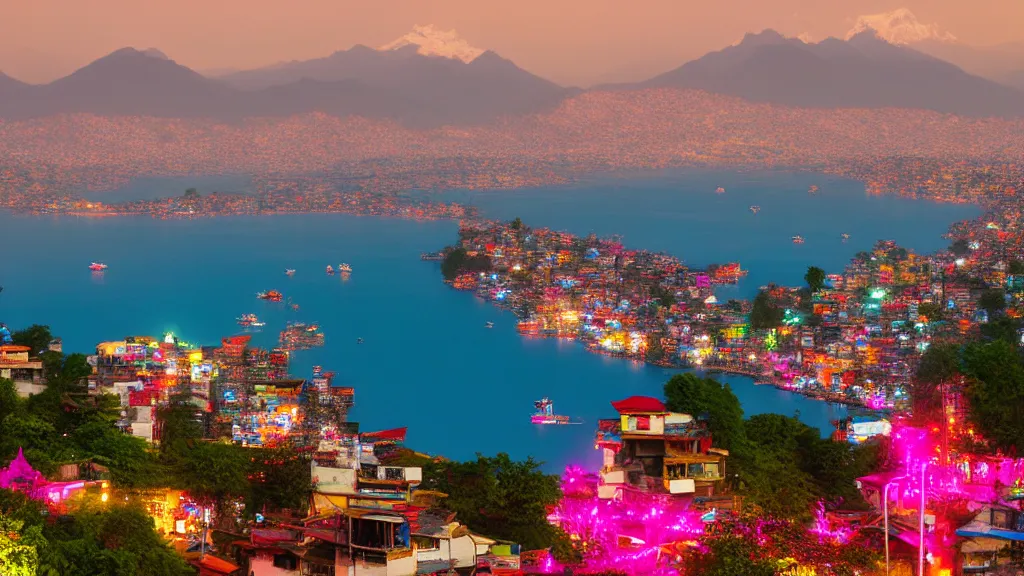
As Nepal's tourism capital, Pokhara offers an unparalleled living experience for its 353,841 inhabitants. Beyond its famous lakeside charm, the city has invested heavily in sustainable architecture, utilizing smart technology to optimize building temperatures against the tropical sun. With the expansion of its international airport and improved transit links, Pokhara seamlessly bridges the gap between a tranquil sanctuary and a modern metropolitan center.
Must-Eat: Authentic Thakali Khana (A gourmet traditional meal set featuring local buckwheat, ghee, and Himalayan herbs).
Hidden Gem: Begnas Lake—a serene, less-crowded alternative to Phewa Lake, perfect for quiet reflection and local fishing.
🏆 Ranking Score: 59/100
3. Birgunj, Nepal
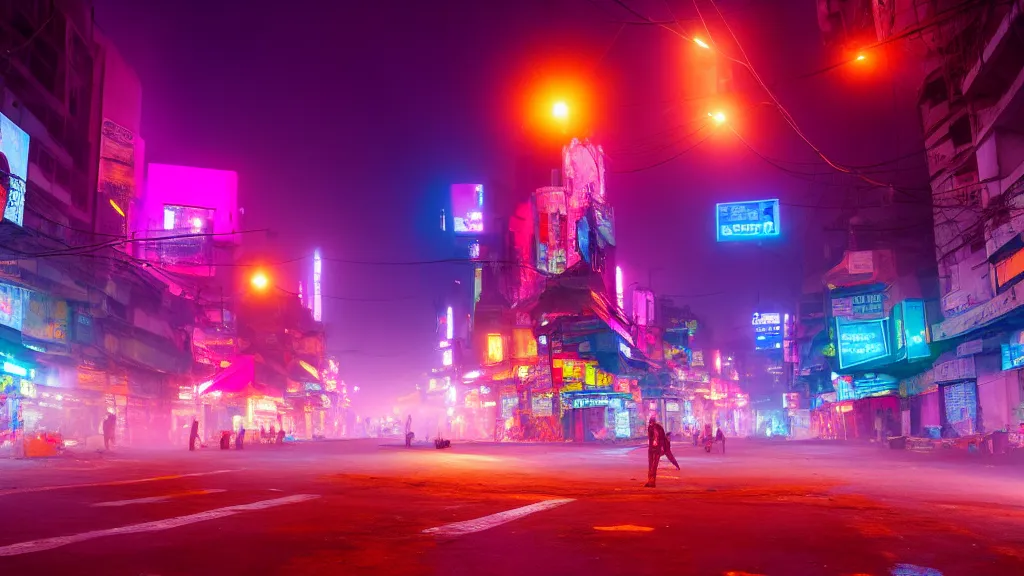
Birgunj stands as the economic gateway of Nepal, currently undergoing a rapid industrial and infrastructural metamorphosis. With a population of 135,904, the city is prioritizing logistical efficiency and sustainable industrial growth. Recent urban projects have focused on carbon durability in construction and reducing traffic congestion through improved public transport frameworks, making it a land of opportunity for burgeoning professional families.
Must-Eat: Taas (Spicy marinated goat meat served with puffed rice, a specialty of the Terai region).
Hidden Gem: Ghadiarwa Pokhari—a beautifully landscaped pond that transforms into a cultural epicenter during the Chhath festival.
🏆 Ranking Score: 52/100
4. Biratnagar, Nepal
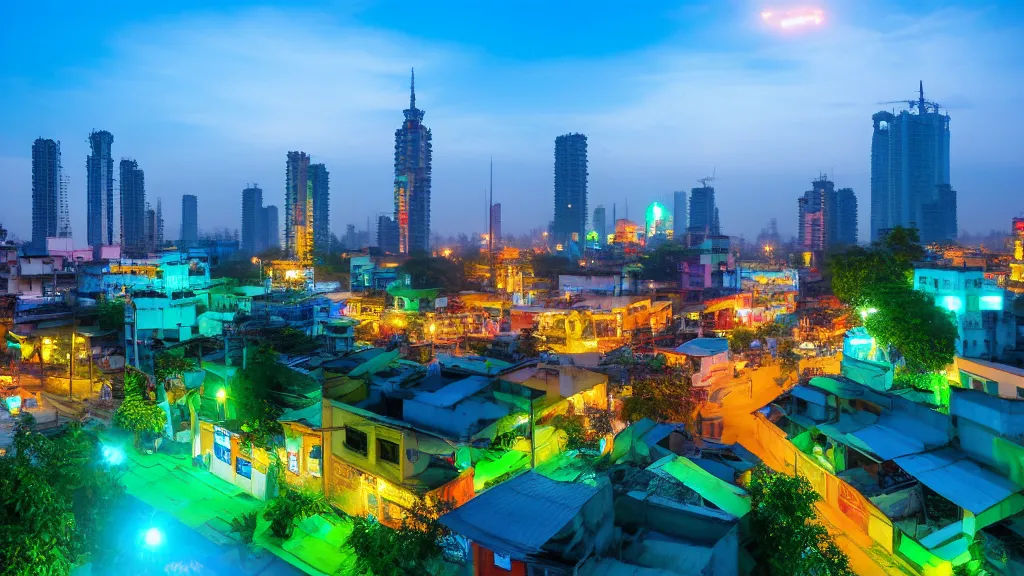
Biratnagar, a vital industrial powerhouse with 242,548 residents, is redefining its urban landscape with a focus on energy efficiency. The city’s architectural trend toward Brise-soleil facades reflects a commitment to sustainable cooling and aesthetic modernization. As a center for education and healthcare in the east, it offers a robust support system for growing families.
Must-Eat: Biratnagar Chatpate (An iconic street food mix of puffed rice, spices, and tangy sauces that defines the city's snack culture).
Hidden Gem: Koshi Tappu Wildlife Reserve—located nearby, it is a world-class destination for birdwatching and spotting the rare wild water buffalo.
🏆 Ranking Score: 50/100
5. Kathmandu, Nepal
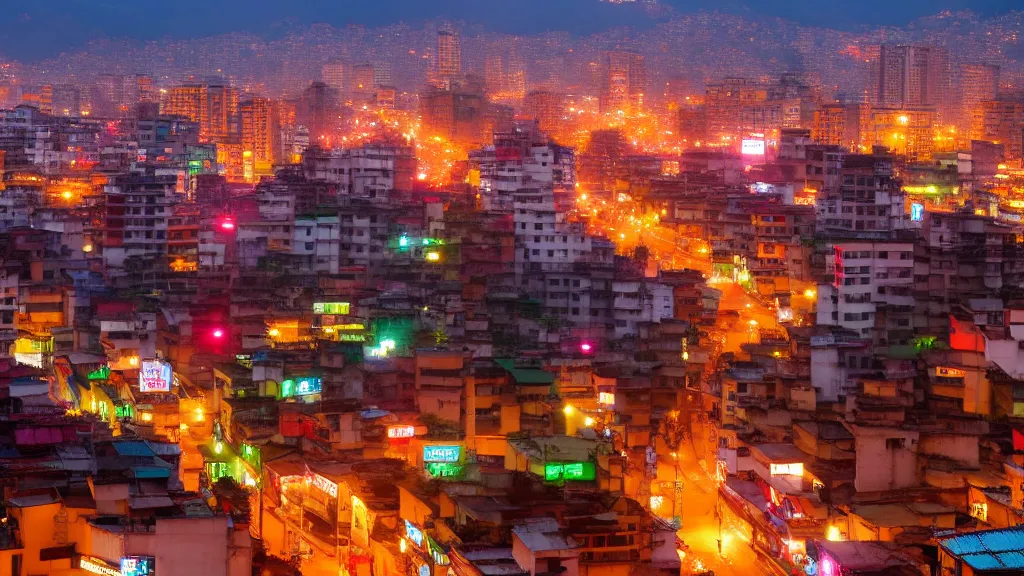
The historic capital remains the heartbeat of the nation, offering a sophisticated blend of ancient heritage and 2026-era technological advancements. Kathmandu is increasingly adopting green building standards to mitigate its carbon footprint. While it remains a bustling metropolis, the city's focus on ventilating architectural designs and smart urban corridors helps maintain its status as the primary destination for culture and commerce.
Must-Eat: Newari Samay Baji (A traditional platter consisting of beaten rice, roasted meat, ginger, and lentil patties).
Hidden Gem: Itum Bahal—one of the largest and oldest Buddhist courtyards in the city, tucked away from the main tourist paths of Thamel.
🏆 Ranking Score: 50/100
6. Butwal, Nepal
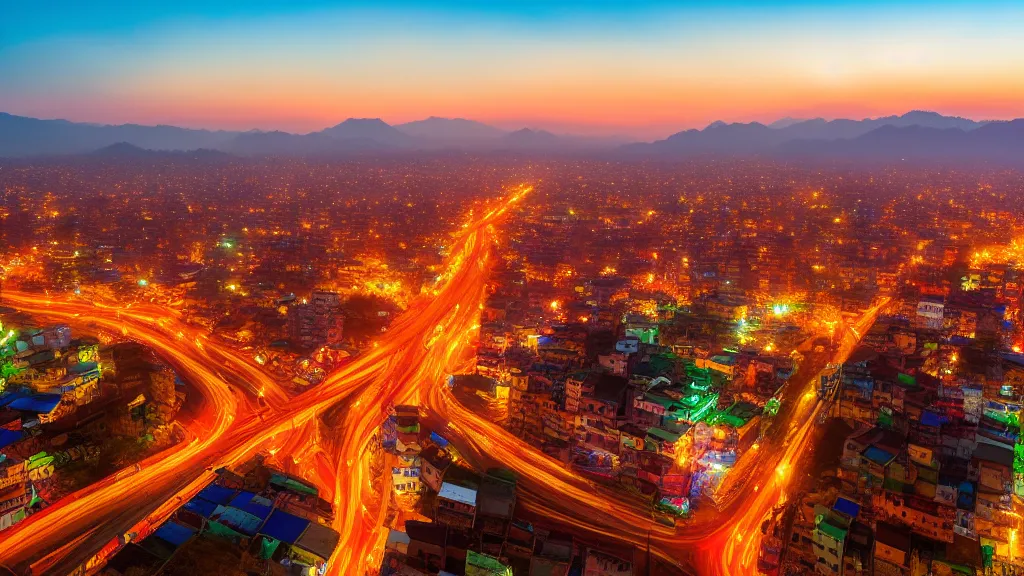
Butwal is rapidly emerging as a futuristic urban center in western Nepal. Supporting a population of 118,462, the city has been a pioneer in adopting eco-friendly urban designs and exploring high-speed transit solutions to alleviate congestion. Its strategic location at the crossroads of major highways makes it a dynamic and accessible place for modern families to call home.
Must-Eat: Batuk (A traditional deep-fried lentil donut, quintessential to the Magar community of the region).
Hidden Gem: Jitgadh Fort—a historic site marking the victory of Nepalese forces over the British, offering a deep dive into local bravery.
🏆 Ranking Score: 46/100
7. Bharatpur, Nepal
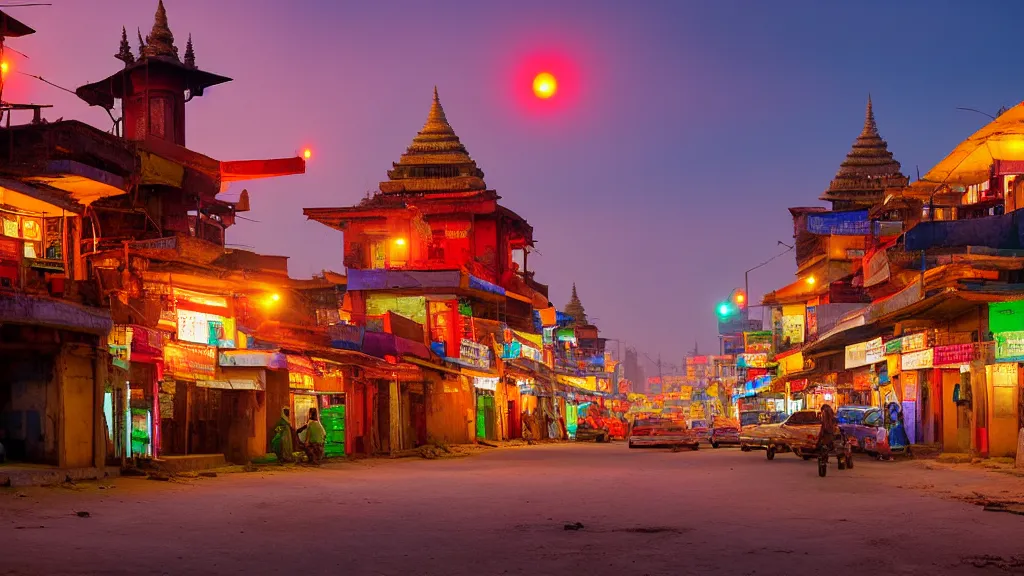
Located in the fertile Chitwan Valley, Bharatpur is a city where nature and modernity coexist. Its urban planning focuses heavily on solar gain mitigation through innovative shading designs, essential for the region's warm climate. As a leading hub for medical services and agriculture, it provides a high degree of security and wellness for its residents.
Must-Eat: Ghagi (Snail curry, a nutritious and unique delicacy of the indigenous Tharu people).
Hidden Gem: Beeshazar Lake—part of the buffer zone of Chitwan National Park, this "20,000 Lake" is a haven for crocodiles and migratory birds.
🏆 Ranking Score: 46/100
8. Lahan, Nepal
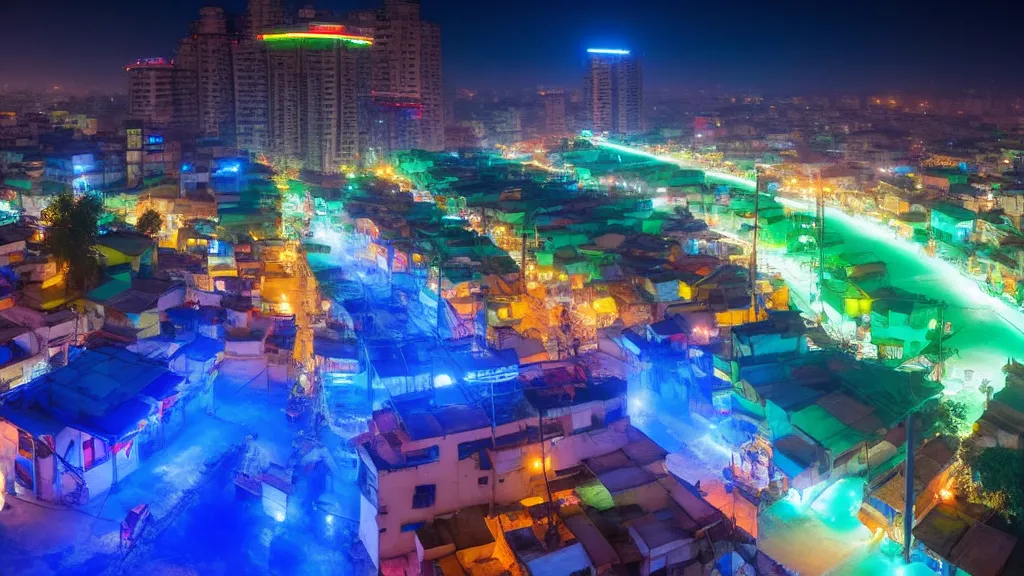
Lahan offers a unique residential experience characterized by its Maithili cultural roots and recent technological integration. The city has embraced self-cleaning architectural materials and energy-efficient building standards to combat the tropical monsoon climate. It serves as a vital service center for the surrounding agricultural plains, offering a quiet yet progressive lifestyle.
Must-Eat: Fresh Freshwater Fish Curry (Sourced directly from the local rivers and prepared with traditional mustard spices).
Hidden Gem: Salhesh Fulbari—a legendary garden where orchids bloom predictably in mid-April, tied to a fascinating ancient love story.
🏆 Ranking Score: 42/100
9. Dhangadhi, Nepal
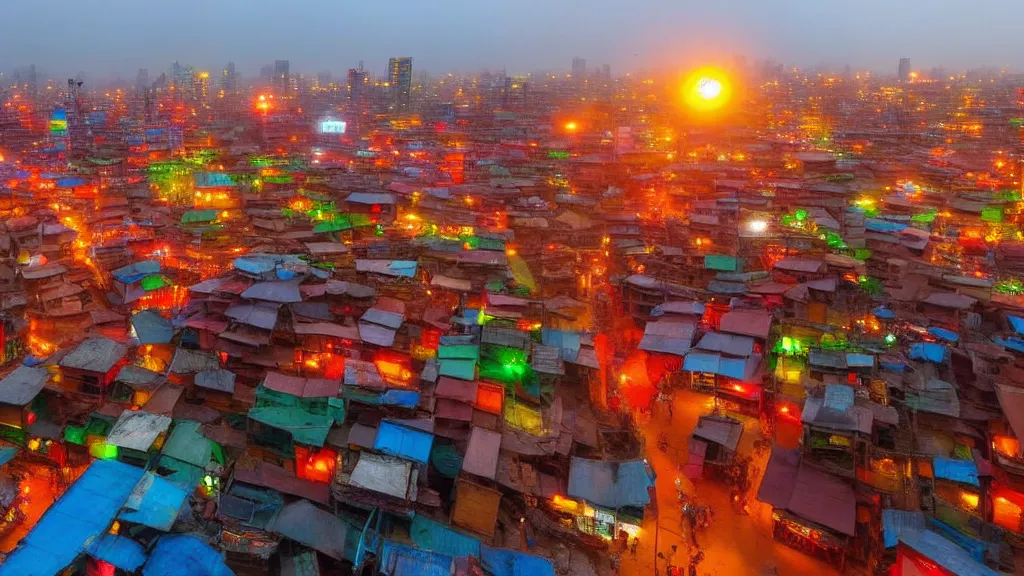
As the primary hub of the Far-West, Dhangadhi is an increasingly attractive destination for those looking for growth. With a population of 101,970, the city is implementing reinforced infrastructure to withstand the unique climatic conditions of the Terai. Its commitment to sustainable sun-control systems in new housing developments marks it as a rising star in Nepal’s urban future.
Must-Eat: Dhikri (Steamed rice flour dough, a staple and celebratory dish of the Tharu community).
Hidden Gem: Jokhar Lake—a peaceful spot on the city’s edge, perfect for boating and escaping the urban bustle.
🏆 Ranking Score: 42/100
Editorial Note: Our 2026 analysis evaluates cities based on infrastructure durability, energy efficiency, and modern transit potential to provide a comprehensive look at the future of Nepalese living.
EDITOR'S ADVICE: When choosing a city in Nepal for family life, look beyond the scenery. Consider cities like Dharan or Butwal, which are leading the way in sustainable urban planning and offer much more reliable infrastructure than the larger, more congested metropolitan hubs.