
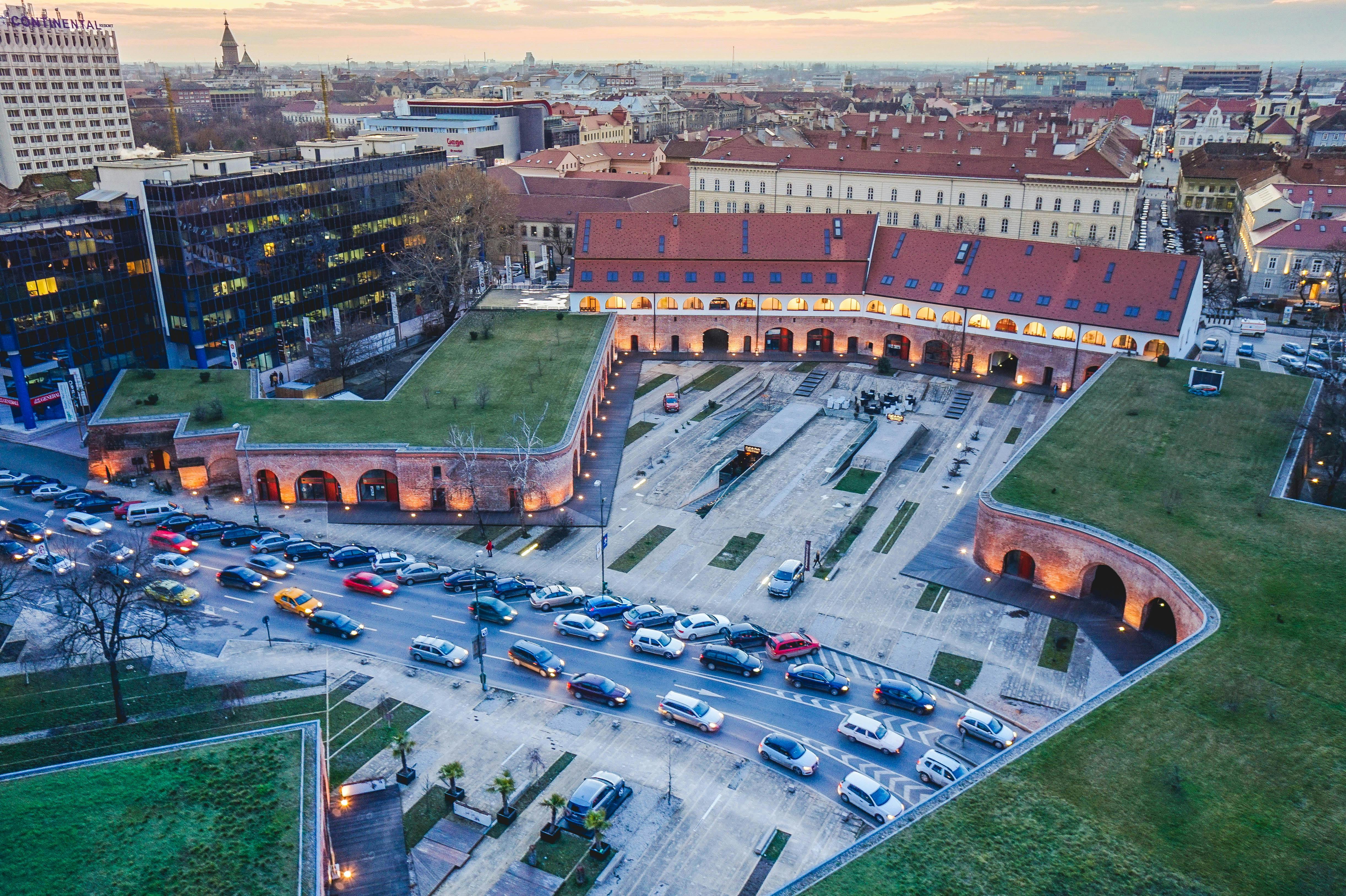
Are you envisioning a sophisticated fresh start in Eastern Europe? We have meticulously analyzed the 2026 urban landscape to curate a definitive ranking of the top 10 Romanian cities offering an unparalleled quality of life for global professionals and families alike.
1. Timisoara, Romania
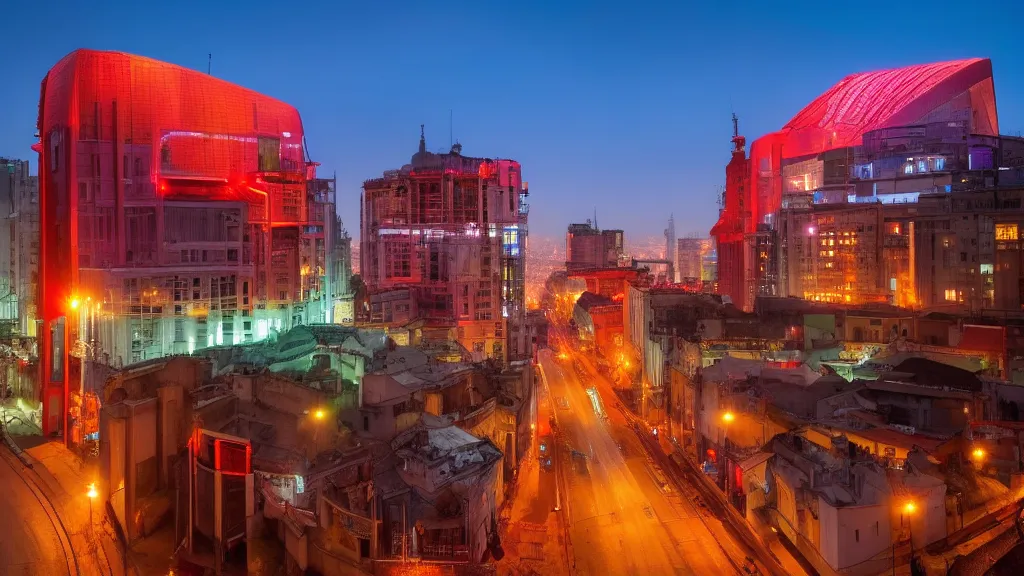
Timisoara continues to lead the pack, elegantly bridging its historical "Little Vienna" charm with cutting-edge sustainable architecture. The city has become a pioneer in energy-efficient living, utilizing advanced brise-soleil facades and adjustable louvers to master climate control. This commitment to green urbanism makes it a top-tier choice for eco-conscious expatriates.
Local Flavor: You must try the Banat-style Goulash, a rich, slow-cooked stew that reflects the region’s diverse cultural heritage.
Hidden Gem: Explore the Theresa Bastion, a beautifully restored remnant of the Vauban-style fortress that now houses cozy cafes and art galleries.
⭐ Ranking Score: 67/100
View Timisoara Data & Comparison →
2. Targu-Mures, Romania
Targu-Mures is rapidly evolving into a futuristic hub while maintaining its aristocratic soul. The city is gaining international recognition for its integration of high-efficiency architectural shading and pioneering transit solutions. Its unique blend of Transylvanian traditions and modern mobility makes it a standout destination for those seeking a balanced, high-tech lifestyle.
Local Flavor: Indulge in Somloi Galuska, a decadent trifle-like dessert that is a staple in this multicultural city.
Hidden Gem: Step into the Mirror Hall within the Palace of Culture, where breathtaking stained glass tells the stories of Szekler folklore.
⭐ Ranking Score: 66/100
3. Oradea, Romania
Oradea is a masterclass in urban regeneration. With a median salary of $976.85 and accessible luxury housing, it offers an enviable cost-of-living ratio. The city’s Art Nouveau facades are now being complemented by sustainable building technologies, ensuring that one of Romania's most beautiful cities remains at the forefront of 21st-century comfort.
Local Flavor: Sample the Plăcintă cu brânză, a traditional savory pie often filled with local sheep’s cheese and dill.
Hidden Gem: Visit the Moskovits Palace, an architectural marvel in turquoise that captures the essence of Oradea’s Belle Époque spirit.
⭐ Ranking Score: 63/100
4. Sibiu, Romania
Sibiu remains the cultural heartbeat of Transylvania, now enhanced by smart-city initiatives. The city’s famous "houses with eyes" are now paired with modern photovoltaic shading systems, merging medieval aesthetics with renewable energy. It is a sanctuary for those who value heritage alongside environmental stewardship.
Local Flavor: Don't miss the Sibiu Salami (Salam de Sibiu), a world-renowned cured meat with a distinct, refined flavor profile.
Hidden Gem: Wander through the Stairs Passage, a brick-and-stone walkway that connects the Upper and Lower towns with an air of mystery.
⭐ Ranking Score: 62/100
5. Cluj-Napoca, Romania
As Romania's premier tech hub, Cluj-Napoca balances a high-energy startup scene with sophisticated urban planning. Its architectural evolution focuses heavily on thermal management and smart facades, catering to a growing population of international professionals who demand both style and sustainability.
Local Flavor: Taste the Varză à la Cluj, a delicious layered cabbage dish often referred to as the Transylvanian version of lasagna.
Hidden Gem: Take a sunset hike to Cetățuia Hill for a panoramic view of the entire city skyline.
⭐ Ranking Score: 62/100
Top things to do in Timisoara
Guided tours, attractions and local experiences.
Explore tours & activities6. Arad, Romania
Arad serves as a vital gateway to the West, offering a compelling mix of neoclassical grandeur and modern infrastructure. While the city continues to invest in high-speed connectivity and energy-efficient building designs, it remains an affordable and spacious alternative to the larger metropolitan areas.
Local Flavor: Try Pancove, fluffy traditional doughnuts dusted with powdered sugar, perfect for a mid-day treat.
Hidden Gem: The Neolog Synagogue, a stunning example of Moorish-style architecture, is a quiet testament to the city’s rich history.
⭐ Ranking Score: 59/100
7. Baia Mare, Romania
Nestled at the foot of the mountains, Baia Mare is redefining itself through industrial innovation and green building practices. Its recent focus on reducing its carbon footprint through modern architectural elements makes it an emerging favorite for families seeking proximity to nature without sacrificing urban convenience.
Local Flavor: Savour a bowl of Sarmale (cabbage rolls) made with Maramures-specific herbs and smoked meats.
Hidden Gem: Visit Stephen’s Tower (Turnul lui Ștefan), the iconic symbol of the city offering majestic views of the historic center.
⭐ Ranking Score: 58/100
View Baia Mare Data & Comparison →
8. Bucharest, Romania
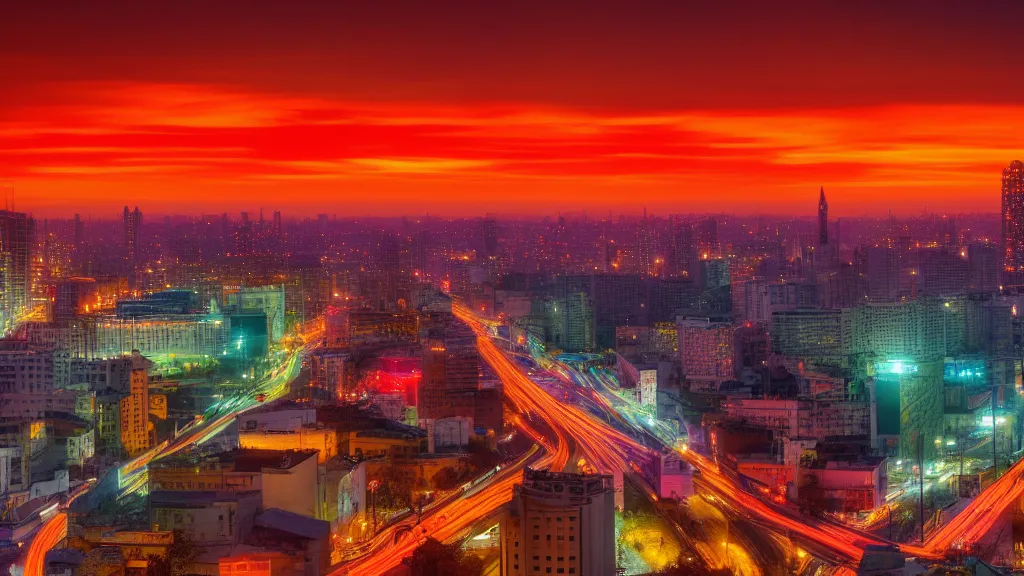
The dynamic capital, Bucharest, remains a titan of culture and commerce. With a population of over 2.4 million, the city is undergoing a green revolution, integrating sustainable facades into its iconic landmarks. From the Romanian Athenaeum to modern office towers, the "Little Paris" of the East is embracing a high-tech, eco-friendly future.
Local Flavor: You haven't truly visited Bucharest until you’ve tried Mici (grilled meat rolls) with mustard at the Obor Market.
Hidden Gem: The Macca-Vilacrosse Passage, a yellow-glass-roofed arcade that transports you back to the bohemian spirit of the 19th century.
⭐ Ranking Score: 58/100
View Bucharest Data & Comparison →
9. Iasi, Romania
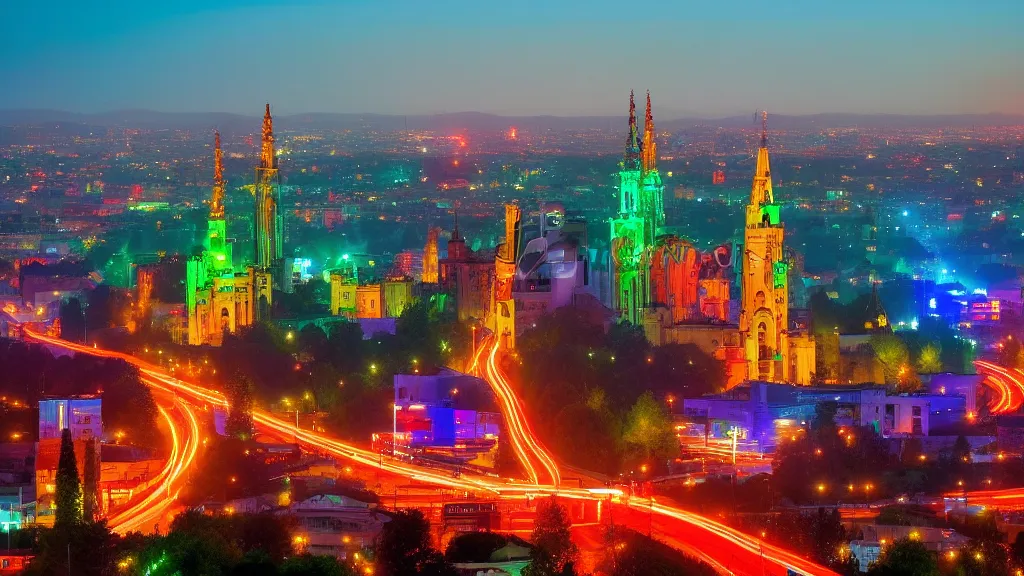
Iasi is a scholarly sanctuary that doubles as a burgeoning tech center. The city’s architectural strategy emphasizes thermal comfort and modern urban transit, making it a highly livable space for researchers and digital nomads who appreciate its deep intellectual and religious history.
Local Flavor: Sample Pârjoale Moldovenești, savory meat patties seasoned with garlic and dill that define Eastern Romanian comfort food.
Hidden Gem: The Technical University Library is often cited as one of the most beautiful libraries in the world—a true cathedral of knowledge.
⭐ Ranking Score: 57/100
10. Brasov, Romania
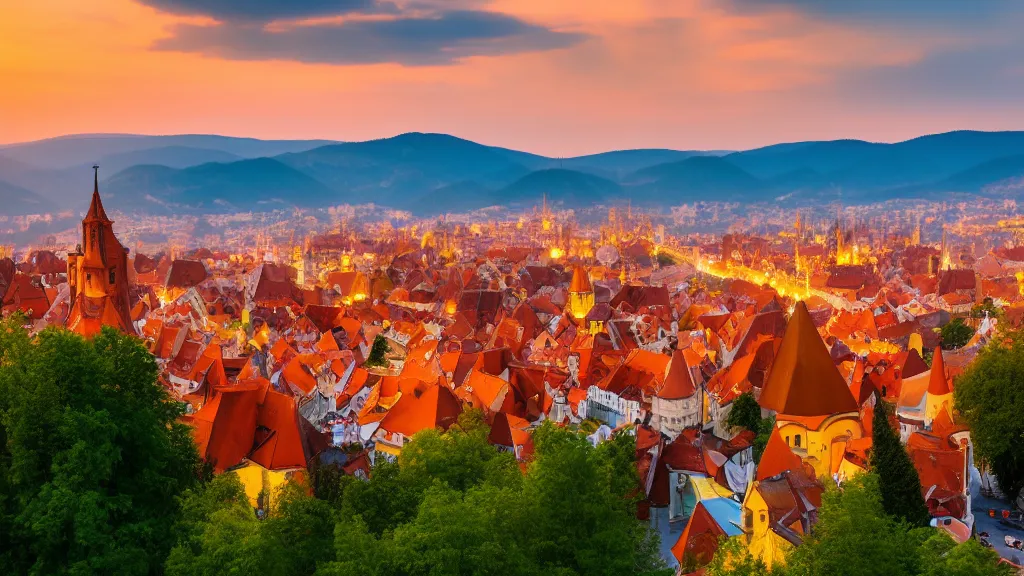
Brasov remains a timeless favorite, expertly blending its medieval Saxon heritage with 2026's eco-mobility standards. The city’s commitment to sustainable design and advanced transportation systems ensures that its alpine beauty is preserved for future generations, making it the ultimate lifestyle destination.
Local Flavor: Warm up with Bulz—roasted polenta balls filled with creamy cheese and topped with sour cream.
Hidden Gem: Find Rope Street (Strada Sforii), one of the narrowest streets in Europe, hidden just behind the main square.
⭐ Ranking Score: 55/100
View Brasov Data & Comparison →
Editorial Note: Our 2026 analysis incorporates high-tech transit potential, energy-efficient building metrics, and environmental air-quality data to ensure your next move is a future-proof investment.
EDITOR'S ADVICE: While Bucharest offers the most career opportunities, those seeking a higher quality of life and shorter commutes should look toward Oradea or Timisoara. These western cities are leading the way in sustainable urban design, offering a "15-minute city" lifestyle that is increasingly rare in larger capitals.