
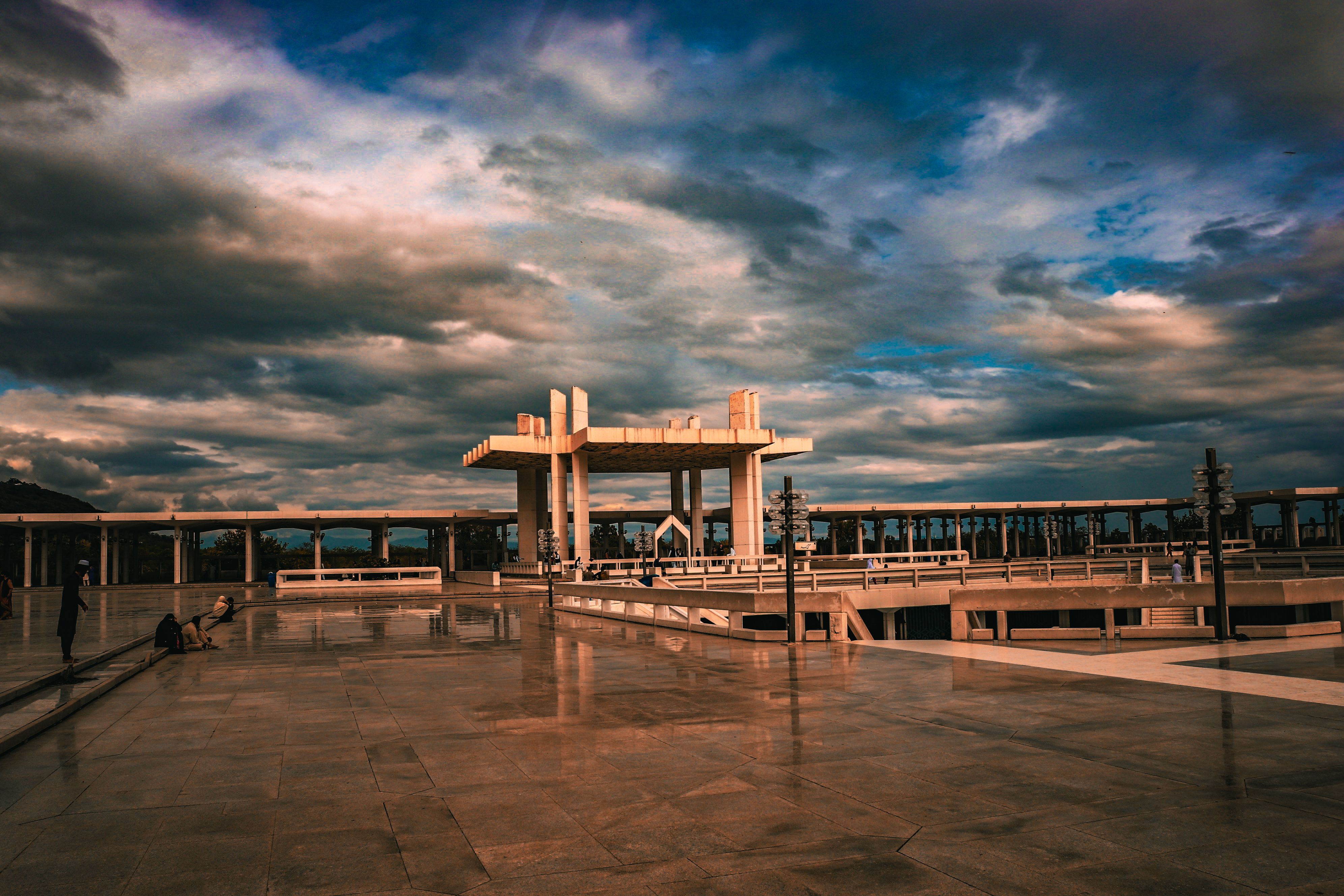
Cost of living in Islamabad: quick overview
Islamabad, Pakistan's capital city, offers a unique blend of modern amenities and traditional charm. Whether you're an expat looking for a new home or a traveler planning a visit, understanding the cost of living is crucial. This article provides insights into housing, food, transport, and daily expenses to help you make informed decisions.
Housing and accommodation costs
Renting in Islamabad can be competitive, especially in prime locations like F-6, F-7, or G-5. The city offers a range of options from luxury apartments to more modest homes suitable for budget-conscious individuals. While exact prices vary widely depending on the neighborhood and type of accommodation, it's generally advisable to start your search early and be flexible with your location choices.
Food, groceries and eating out
Daily food costs in Islamabad can fluctuate based on your lifestyle and dietary preferences. Groceries are relatively affordable at local markets, but prices may rise if you opt for imported or organic products. Eating out is also a popular choice among residents; street food offers budget-friendly options, while restaurants cater to those seeking more upscale dining experiences.
Top things to do in Islamabad
Guided tours, attractions and local experiences.
Explore tours & activitiesTransport and daily expenses
Islamabad's transport system includes buses, taxis, and ride-hailing services like Careem or Uber. Public transportation can be economical for regular commuters, but it may not cover all areas efficiently. Taxis are convenient but tend to be more expensive than public transit. For those who prefer cycling or walking, the city has designated bike lanes and pedestrian-friendly zones in certain areas.
Who is Islamabad affordable for?
Islamabad can cater to a variety of traveler types depending on their budget and lifestyle preferences. Students and young professionals often find shared accommodations more affordable than renting solo. Families might prefer larger homes or apartments, which can be costlier but offer better value in terms of space and amenities.
How to save money in Islamabad
- Compare accommodation before booking: Take the time to research different neighborhoods and compare prices across various platforms. This will help you find a place that suits your budget without compromising on quality or location.
- Stay flexible with dates: If possible, plan your stay during off-peak seasons when rates are typically lower. Being open to alternative travel dates can lead to significant savings.
- Use local transport when practical: Opt for public transportation or ride-sharing services instead of taxis whenever feasible. This not only saves money but also allows you to experience the city more intimately.
- Choose areas based on your daily needs: Consider living in neighborhoods that are close to your workplace, school, or other essential locations. Proximity can reduce transportation costs and make your daily routine smoother.
Final recommendation
The cost of living in Islamabad varies widely depending on individual circumstances and lifestyle choices. While it may not be the cheapest city globally, there are numerous ways to manage expenses effectively. By being mindful of your housing options, food choices, and daily transportation needs, you can enjoy a comfortable stay without breaking the bank.
FAQ
- Is Islamabad expensive? The cost of living in Islamabad is moderate compared to other major cities around the world. While it may seem pricey for some, there are plenty of affordable options available if you know where to look and how to budget.
- What is the biggest cost in Islamabad? Housing tends to be the most significant expense for residents, followed closely by food and transportation costs. However, these can vary greatly depending on your specific needs and preferences.
- Can budget travelers visit Islamabad? Absolutely! With careful planning and a bit of flexibility, budget travelers can enjoy all that Islamabad has to offer without overspending. Look for affordable accommodations, eat at local eateries, and use public transport whenever possible.