
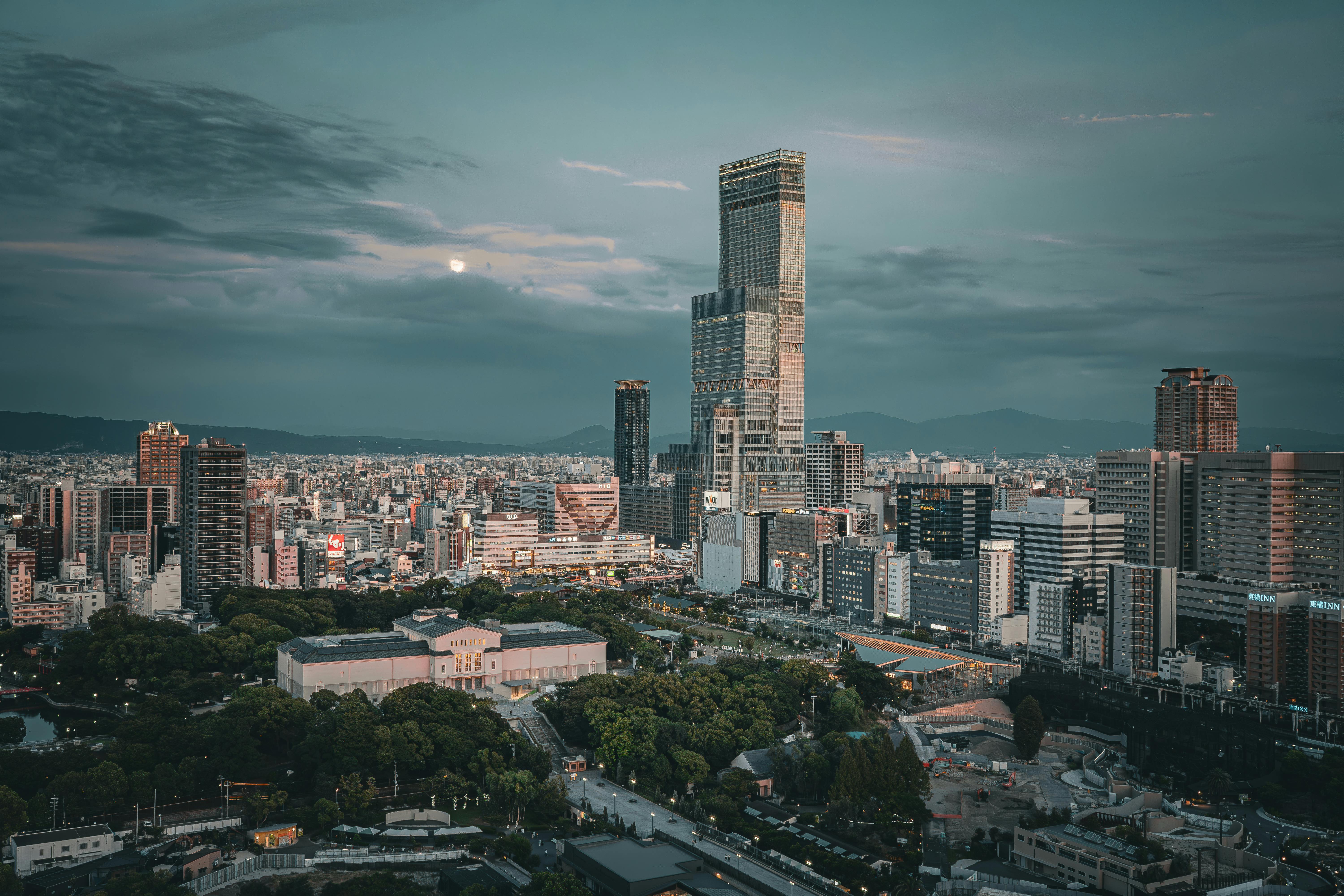
Cost of living in Ōsaka: quick overview
Ōsaka, a vibrant city known for its rich cultural heritage and bustling atmosphere, offers a unique blend of affordability and convenience. Whether you're planning to visit as a tourist, move there as an expat, or work remotely, understanding the cost of living is crucial. This article provides insights into housing, food, transport, and daily expenses to help you make informed decisions.
Housing and accommodation costs
Ōsaka's real estate market experiences varying levels of rent pressure depending on the area. Central districts like Umeda and Namba are more expensive due to their proximity to business centers and entertainment venues, while suburban areas tend to offer more affordable options. Accommodation choices range from traditional Japanese-style apartments (mansion) to Western-style condominiums and single rooms in shared houses.
Food, groceries and eating out
Daily food costs can vary significantly based on your lifestyle and preferences. For those who prefer cooking at home, grocery shopping is relatively affordable with a wide variety of options available from supermarkets like AEON and Daiei. Eating out in Ōsaka offers a range of experiences, from budget-friendly street food to high-end dining. Local specialties such as takoyaki (octopus balls) and okonomiyaki (savory pancakes) are both delicious and reasonably priced.
Transport and daily expenses
The city's public transport system is efficient and extensive, making it convenient for getting around without a car. The Ōsaka Metro and JR lines cover most areas of the city, with day passes available to save money on frequent travel. Daily expenses also include utilities like water, electricity, and internet, which are generally reasonable but can vary based on usage.
Who is Ōsaka affordable for?
Ōsaka's cost of living makes it attractive for a variety of travelers. Budget-conscious tourists who plan their trips carefully can enjoy the city without breaking the bank. Remote workers and expats looking to live in an urban environment with lower costs compared to Tokyo will find Ōsaka appealing. Additionally, students on tight budgets often thrive here due to its affordable accommodation options.
How to save money in Ōsaka
- Compare accommodation before booking: Take the time to research and compare different housing options to find the best deal that fits your budget. Websites like Airbnb, Yahoo Japan Housing, and Suumo can be useful.
- Stay flexible with dates: Booking flights and accommodations during off-peak times or mid-week can often result in significant savings.
- Use local transport when practical: Opting for public transportation over taxis or ride-sharing services is a cost-effective way to explore the city. Consider purchasing a day pass if you plan on traveling extensively within one day.
- Choose areas based on your daily needs: Living in an area that suits your lifestyle can reduce unnecessary expenses. For instance, choosing a home near your workplace or close to public transport hubs can save money on commuting costs.
Final recommendation
In summary, while Ōsaka does have its expensive areas and services, it offers numerous opportunities for cost-effective living. By being mindful of housing choices, transportation options, and daily expenses, you can enjoy all that this dynamic city has to offer without straining your budget.
FAQ
- Is Ōsaka expensive? Like any major city, Ōsaka does have its pricey aspects, particularly in central areas. However, with careful planning and smart choices, it's possible to live comfortably without breaking the bank.
- What is the biggest cost in Ōsaka? Housing typically represents one of the largest expenses for residents, especially those living in prime locations like Umeda or Namba.
- Can budget travelers visit Ŏsaka? Absolutely! With a range of affordable accommodation options and plenty of free activities to enjoy, Ōsaka is very welcoming to budget-conscious visitors.