
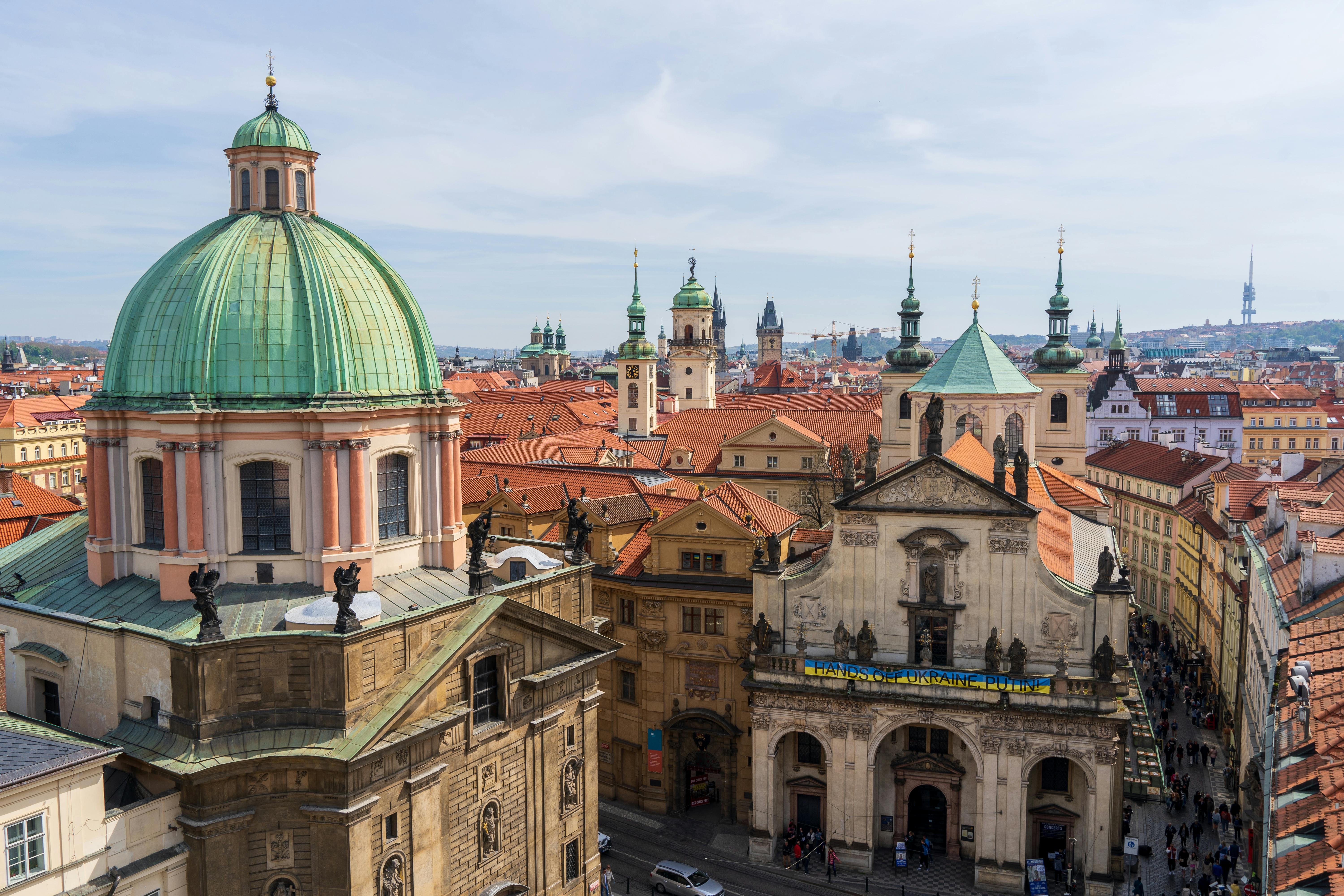
Cost of living in Prague: quick overview
Prague, known for its stunning architecture and rich history, offers a unique blend of affordability and luxury. Whether you're planning to live there long-term or just visiting for a short stay, understanding the cost of living can help you make informed decisions about your budget.
Housing and accommodation costs
The housing market in Prague is diverse, with options ranging from cozy apartments to luxurious penthouses. Rent prices vary significantly depending on location, size, and amenities. Central areas like Old Town tend to be more expensive due to their proximity to tourist attractions and business districts. For those looking for a quieter setting, neighborhoods further out offer more affordable rent but may require longer commutes.
Food, groceries and eating out
Daily food costs in Prague can vary widely depending on your lifestyle and dietary preferences. Eating at local cafes or restaurants is generally cheaper than dining at upscale establishments. Supermarkets like Tesco and Billa offer a wide range of products from fresh produce to ready-to-eat meals, catering to various budgets.
Top things to do in Prague
Guided tours, attractions and local experiences.
Explore tours & activitiesTransport and daily expenses
The public transport system in Prague is efficient and affordable, making it an excellent choice for getting around the city. A single ticket costs just a few Czech koruna (CZK), and day passes are available at a discounted rate. Taxis can be more expensive but offer convenience, especially during late hours when public transportation might not run.
Who is Prague affordable for?
Prague's cost of living makes it particularly attractive to students, young professionals, and digital nomads who are looking for a vibrant city with lower expenses compared to Western European capitals. The city also caters well to budget travelers who plan their trips carefully.
How to save money in Prague
- Compare accommodation before booking: Take the time to compare prices and read reviews for different accommodations. Booking through platforms like Airbnb or directly with landlords can sometimes offer better deals than hotel chains.
- Stay flexible with dates: Traveling during off-peak seasons can significantly reduce costs, both in terms of accommodation and activities.
- Use local transport when practical: While taxis are convenient, using the metro or buses is much more economical for daily commuting. Consider purchasing a day pass if you plan to use public transportation frequently.
- Choose areas based on your daily needs: If you're working from home and don't need to be in the city center every day, consider living in less expensive neighborhoods that are still well-connected via public transport.
Final recommendation
Prague offers a balanced mix of affordability and quality of life. Whether you're planning a short visit or considering long-term residency, understanding your budget needs and making informed choices about accommodation, food, and transportation can help you enjoy all that Prague has to offer without breaking the bank.
FAQ
- Is Prague expensive? While some aspects of living in Prague might be pricey—especially central housing—the overall cost of living is relatively affordable compared to many other European cities, particularly for those who plan their expenses carefully.
- What is the biggest cost in Prague? Housing typically represents the largest expense for residents and long-term visitors. Rent prices can vary widely depending on location and amenities, with central areas being significantly more expensive than neighborhoods further out.
- Can budget travelers visit Prague? Absolutely! With careful planning, budget travelers can enjoy all that Prague has to offer without overspending. Opting for hostels or budget hotels, eating at local eateries, and using public transport are great ways to keep costs down while still experiencing the city's charm.