
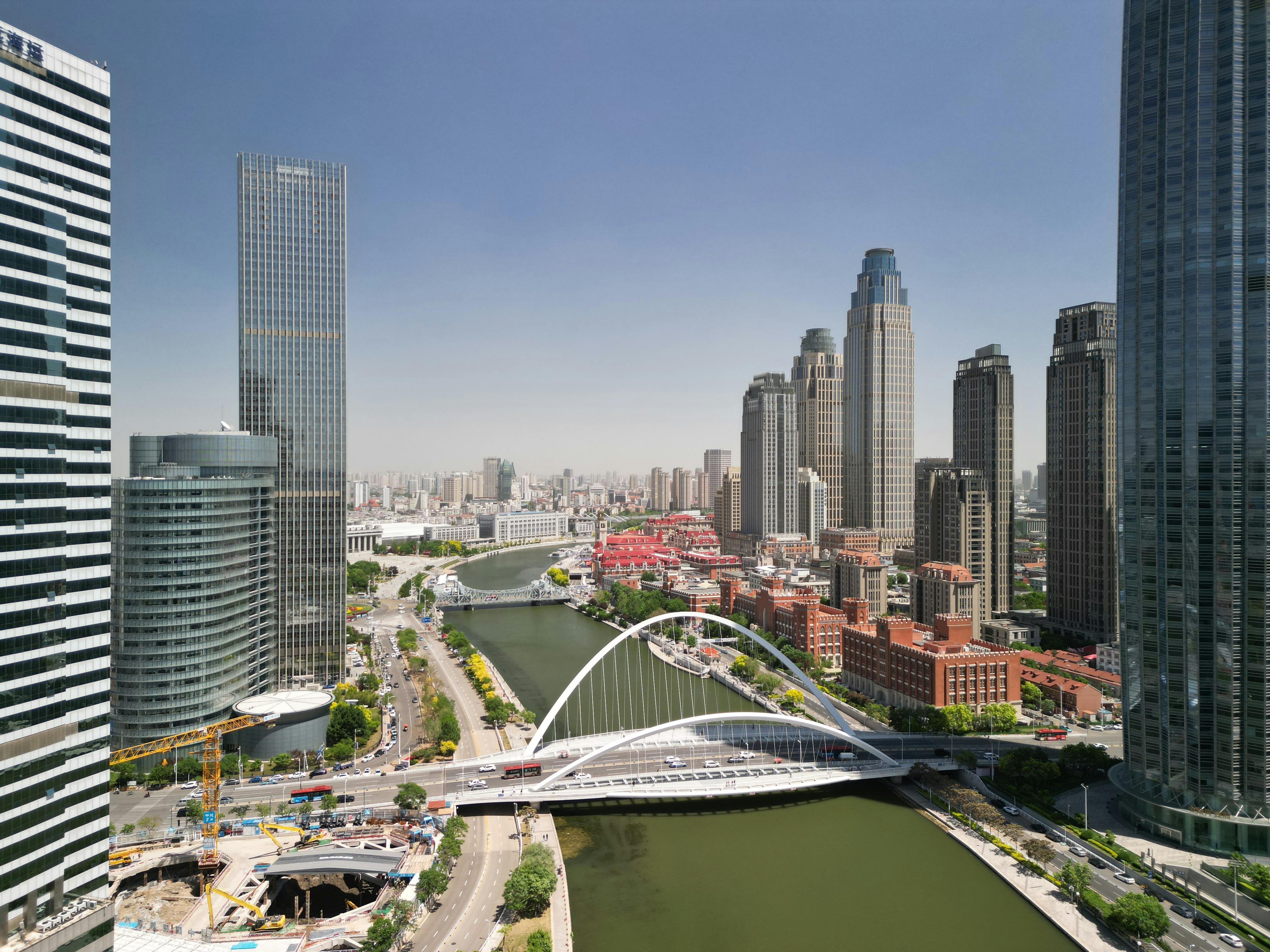
Cost of living in Tianjin: quick overview
Tianjin, a bustling port city located just east of Beijing, offers a unique blend of modernity and tradition. For travelers, expats, and remote workers looking to settle down or simply visit for a while, understanding the cost of living is crucial. This article provides an overview of Tianjin's expenses, from housing and food to transportation and daily necessities.
Housing and accommodation costs
The cost of renting in Tianjin can vary widely depending on your location within the city. Central areas like Heping District tend to be more expensive due to their proximity to business districts and cultural attractions. On the other hand, suburban areas offer more affordable options but may require longer commutes.
Food, groceries and eating out
Your daily food expenses in Tianjin will largely depend on your lifestyle preferences. Dining at local eateries can be quite budget-friendly, with meals costing around 30-50 RMB ($4-$7 USD) per person. Groceries are generally affordable too, especially if you shop at local markets rather than high-end supermarkets.
Top things to do in Tianjin
Guided tours, attractions and local experiences.
Explore tours & activitiesTransport and daily expenses
Tianjin's public transportation system is efficient and relatively inexpensive. A single ride on the subway costs around 3 RMB ($0.45 USD), making it a cost-effective way to get around the city. Buses are also widely available, with fares starting at just 1-2 RMB per trip.
Who is Tianjin affordable for?
Tianjin can be quite affordable for budget travelers and students who prioritize practical living arrangements over luxury accommodations. It's also a good fit for expats or remote workers looking to balance cost of living with quality of life, especially those willing to live in more suburban areas.
How to save money in Tianjin
- Compare accommodation before booking: Take the time to compare different neighborhoods and types of housing. Look for deals on long-term rentals or negotiate with landlords who may offer discounts for longer stays.
- Stay flexible with dates: Traveling during off-peak seasons can significantly reduce your costs, whether you're looking at flights, hotels, or even local attractions that might have lower prices outside of peak times.
- Use local transport when practical: While taxis are convenient, they can add up quickly. Opt for public transportation whenever possible to save money and get a feel for the city's rhythm.
- Choose areas based on your daily needs: If you work or study in central Tianjin, consider living nearby to minimize commuting costs and time. However, if you're more interested in exploring suburban areas with lower rents, factor in additional transportation expenses.
Final recommendation
Tianjin offers a balanced cost of living that can cater to various budgets and lifestyles. Whether you're looking for an affordable place to live or simply want to enjoy the city without breaking the bank, Tianjin has options suited to your needs. Just be sure to plan ahead and make informed decisions about housing, food, and transportation.
FAQ
- Is Tianjin expensive? While some areas can be pricey, particularly in central districts, Tianjin offers a range of affordable options for those willing to explore different neighborhoods. It's generally more budget-friendly than Beijing but still provides access to modern amenities and cultural attractions.
- What is the biggest cost in Tianjin? Housing tends to be the largest expense for most residents, followed closely by food and transportation costs depending on individual lifestyle choices.
- Can budget travelers visit Tianjin? Absolutely! With its affordable public transport system, numerous local eateries offering cheap yet delicious meals, and a variety of free or low-cost attractions, Tianjin is very welcoming to budget-conscious visitors.