
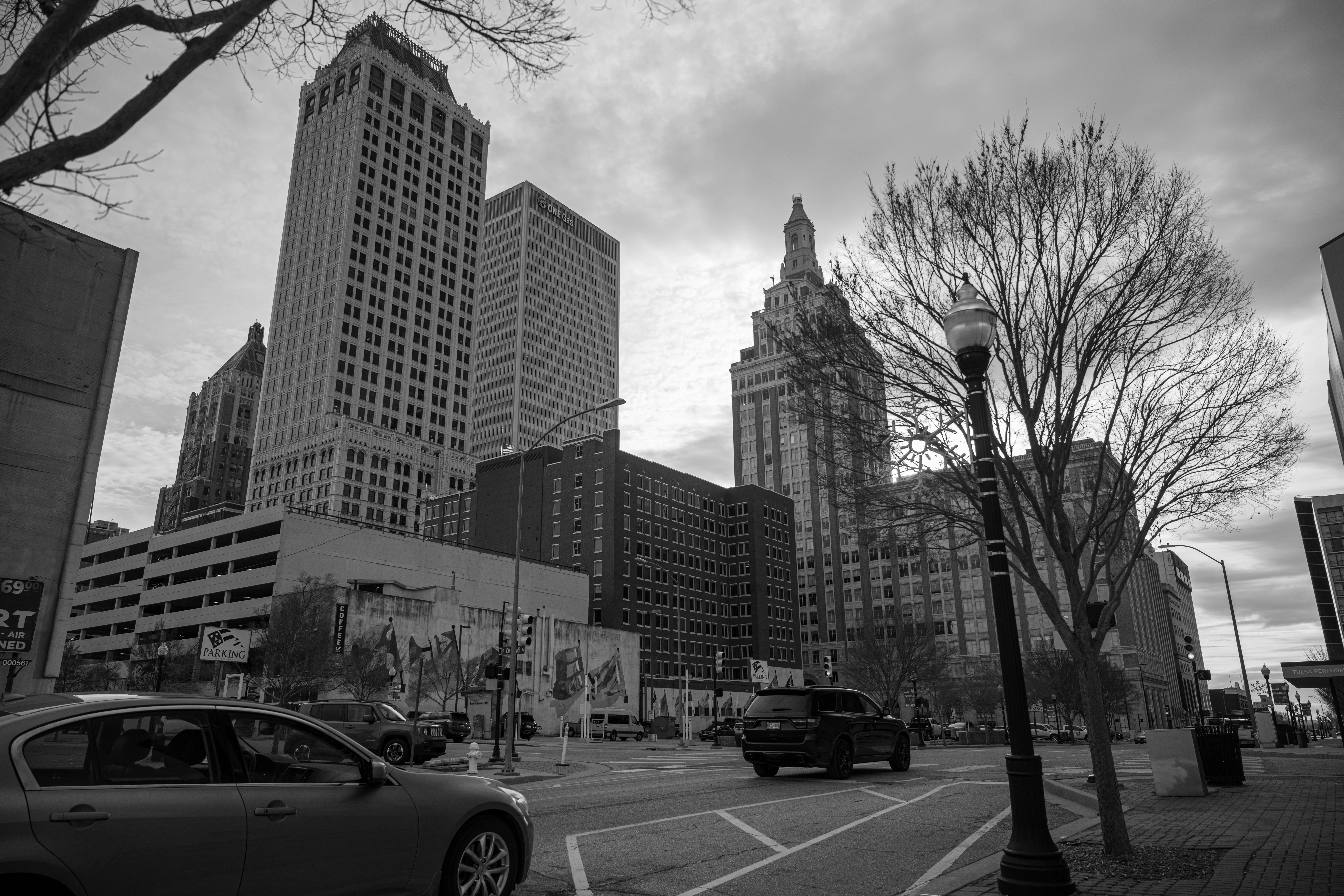
Cost of living in Tulsa: quick overview
Tulsa, Oklahoma's second-largest city, offers a blend of affordability and cultural richness that makes it an attractive destination for both tourists and long-term residents. Whether you're planning a short visit or considering a move to the area, understanding the cost of living is crucial. This article provides insights into housing, food, transport, and other daily expenses to help you make informed decisions.
Housing and accommodation costs
Tulsa's rental market varies widely depending on location and property type. Downtown Tulsa offers a mix of historic buildings and modern apartments, often with higher rents due to proximity to amenities like restaurants, shops, and entertainment venues. On the outskirts, you'll find more affordable options in suburban neighborhoods, which might be ideal for families or those looking for larger living spaces.
For long-term residents, it's important to consider factors beyond just rent prices. Utilities, property taxes, and maintenance costs can also impact your overall budget. Tulsa generally offers a good balance between cost and quality of life, making it an attractive option for those seeking affordable housing without sacrificing comfort or convenience.
Food, groceries and eating out
The daily food expenses in Tulsa vary widely depending on individual preferences and dietary needs. For those who prefer cooking at home, grocery shopping can be quite economical. Local supermarkets offer a wide range of products from fresh produce to pantry staples, often with competitive prices compared to larger cities.
Eating out is another option that varies greatly by restaurant type and cuisine. Fast food chains are affordable for quick meals on the go, while dining at upscale restaurants or trendy cafes can be more expensive but offer a unique taste of Tulsa's culinary scene. For budget-conscious travelers, street vendors and casual eateries provide delicious options without breaking the bank.
Transport and daily expenses
Tulsa has a mix of public transportation options including buses operated by GT Transit, which cover most parts of the city. Public transport can be an economical way to get around, especially for those who don't need a car or prefer not to drive in urban areas. However, having your own vehicle offers greater flexibility and convenience.
Other daily expenses like internet service, phone plans, and personal care items are generally comparable to other mid-sized American cities. Tulsa's cost of living is often more manageable than larger metropolitan areas, making it a favorable choice for those looking to stretch their budget further.
Who is Tulsa affordable for?
Tulsa can be particularly appealing for several types of travelers and residents:
- Budget-conscious tourists: Those who want to explore without spending too much on accommodation or dining out will find Tulsa offers plenty of affordable options.
- Young professionals: Starting a career in Tulsa can be less stressful financially compared to larger cities, with lower housing costs and a vibrant job market.
- Families: Suburban areas offer spacious homes at reasonable prices, along with good schools and community amenities.
How to save money in Tulsa
- Compare accommodation before booking: Take time to research different neighborhoods and property types. Booking platforms like Airbnb or VRBO can provide a range of options from budget-friendly apartments to cozy cabins outside the city.
- Stay flexible with dates: Traveling during off-peak seasons often means lower prices for flights, hotels, and activities. This is especially true in Tulsa where tourism isn't as high year-round compared to coastal or mountain destinations.
- Use local transport when practical: Public transit can be a cost-effective way to explore the city without worrying about parking or traffic. It's also an eco-friendly option that helps reduce your carbon footprint.
- Choose areas based on your daily needs: If you're planning to live in Tulsa long-term, consider neighborhoods close to work, public transport hubs, and grocery stores. This can save money on commuting costs and make everyday life more convenient.
Final recommendation
Tulsa offers a balanced cost of living that makes it an attractive option for various types of residents and visitors. Whether you're looking to start a new career, raise a family, or simply enjoy a budget-friendly vacation, Tulsa's affordability combined with its rich cultural offerings make it worth considering.
FAQ
- Is Tulsa expensive? Compared to larger cities like New York or San Francisco, Tulsa is relatively affordable. However, costs can vary depending on your lifestyle and specific needs.
- What is the biggest cost in Tulsa? Housing typically represents a significant portion of monthly expenses for residents. Other major costs include food, transportation, and utilities.
- Can budget travelers visit Tulsa? Absolutely! With its affordable accommodation options and diverse dining scene, Tulsa offers plenty to see and do without breaking the bank.