
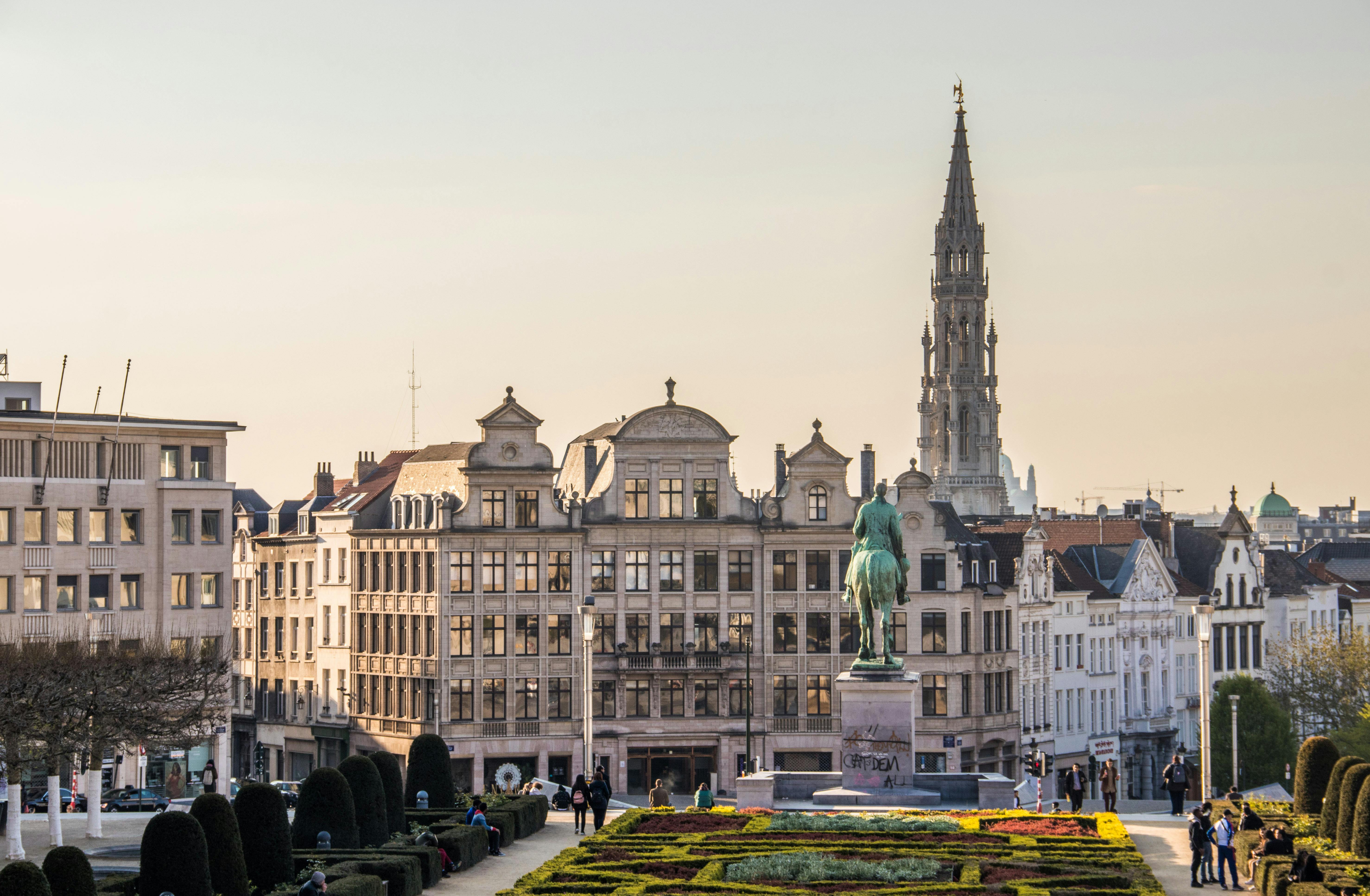
Is Brussels expensive?
Brussels, the capital of Belgium and a hub for European institutions, is often perceived as an expensive city. However, whether it's pricey or not largely depends on your budget, lifestyle choices, and travel goals.
What makes Brussels feel expensive?
The perception that Brussels is expensive can stem from several factors:
- Accommodation: Central hotels in the city center are often pricey due to high demand. Tourist areas like the Grand Place and European Quarter tend to have higher rates.
- Transportation: Public transport is efficient but can be costly if you're not using a day or multi-day pass. Taxis and ride-sharing services also come with hefty prices, especially during peak hours.
- Dining out: Brussels offers a wide range of dining options from street food to high-end restaurants. While there are affordable eateries, the city's reputation for gourmet cuisine can lead to higher average costs.
- Tourist areas: Popular spots like the Grand Place and Atomium attract many visitors and often come with inflated prices for souvenirs and snacks.
What can still be affordable?
Despite its reputation, Brussels offers several ways to keep costs down:
Top things to do in Brussels
Guided tours, attractions and local experiences.
Explore tours & activities- Budget-friendly neighborhoods: Areas like Louise and Ixelles offer a mix of affordability and convenience. They're close to the city center but have lower accommodation rates.
- Street food and markets: Brussels has numerous street food stalls, farmers' markets, and local eateries that serve up delicious meals at reasonable prices.
- Free attractions: Many museums and cultural sites offer free entry or discounted days. The city also hosts various outdoor events and festivals throughout the year.
Budget travel tips for Brussels
- Compare accommodation: Use booking platforms to compare prices across different neighborhoods. Look for apartments, hostels, or guesthouses outside of peak tourist areas.
- Avoid unnecessary peak dates: Traveling during off-peak seasons can significantly reduce costs. Consider visiting in the spring or fall when crowds are thinner and prices lower.
- Use practical areas: Opt for neighborhoods like Louise, Ixelles, or Saint-Gilles where you'll find a mix of affordable accommodation and local amenities.
- Plan daily transport: Purchase day passes or multi-day cards for public transportation. These can be more cost-effective than buying individual tickets each time.
Who may find Brussels expensive?
Tourists who stick to the main tourist areas and high-end restaurants might find Brussels pricey. Additionally, those traveling during peak seasons or staying in luxury hotels will likely incur higher costs.
Who may find Brussels reasonable?
Budget-conscious travelers and flexible visitors can enjoy Brussels without breaking the bank. By choosing affordable accommodations, exploring local neighborhoods, and taking advantage of free attractions, you can have a memorable experience without overspending.
Final recommendation
If you're on a tight budget or looking to stretch your travel dollars further, Brussels offers plenty of opportunities for cost-effective exploration. With some planning and flexibility, you can enjoy the city's rich culture, history, and cuisine while keeping expenses in check.
FAQ
- Is Brussels expensive for tourists? Yes, Brussels can be pricey for tourists who stick to high-end hotels and tourist-heavy areas. However, with careful planning, you can find affordable options that still offer a great experience.
- How can I save money in Brussels? To save money, consider staying in budget-friendly neighborhoods like Louise or Ixelles, use public transport day passes, and explore free attractions and street food markets.
- Is accommodation the biggest cost? While accommodation can be pricey, especially in central areas, it's not always the largest expense. Dining out and transportation also contribute significantly to travel costs.