
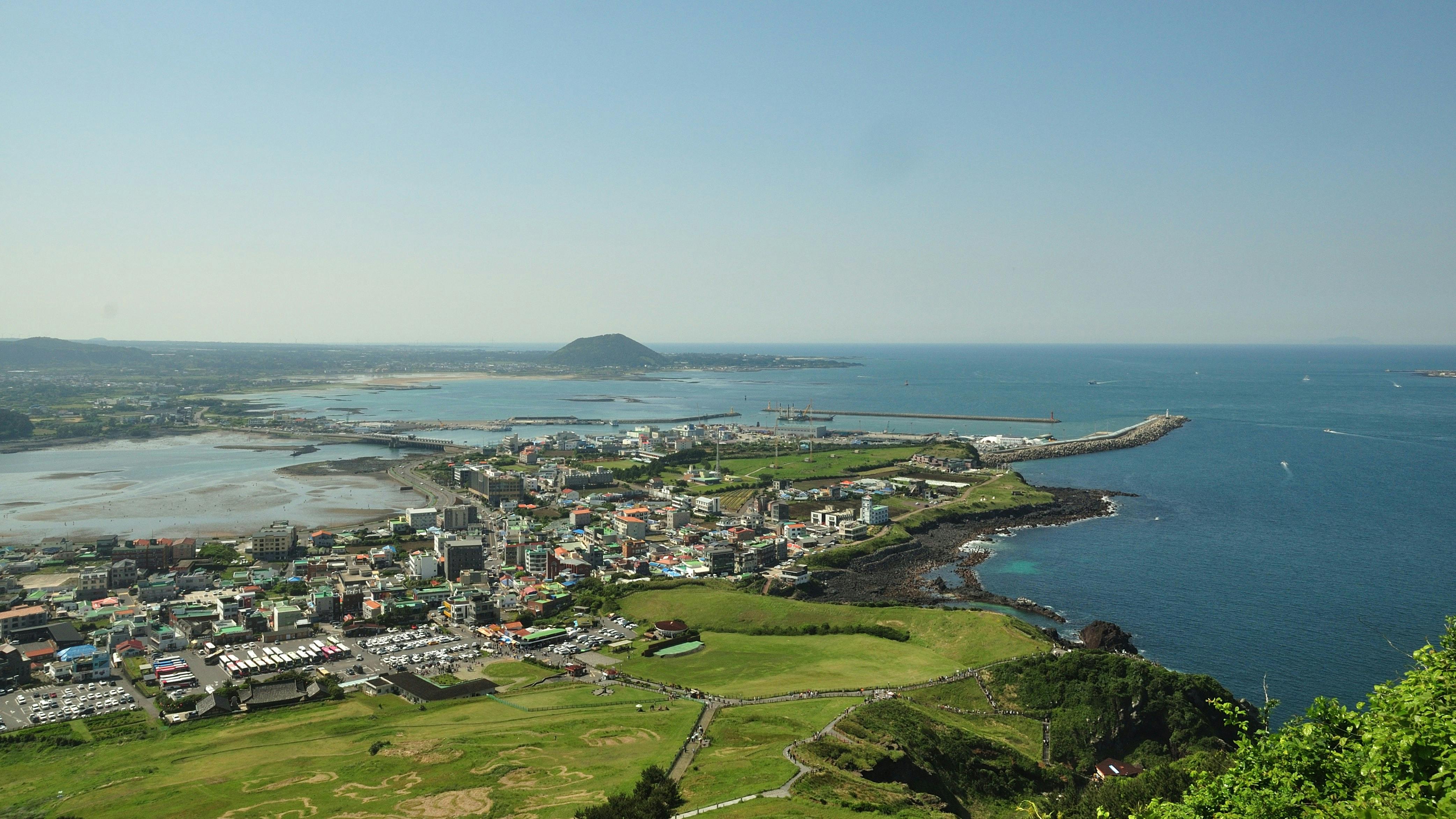
Is Jeju expensive?
Jeju Island, often referred to as South Korea's Hawaii, is a popular destination for its natural beauty and relaxed atmosphere. However, many travelers wonder if it fits their budget. This article aims to provide practical insights into the cost of living in Jeju.
What makes Jeju feel expensive?
The perception that Jeju is pricey often stems from several factors:
- Accommodation: Hotels and resorts can be costly, especially during peak seasons like summer and winter holidays. Even budget accommodations tend to charge more than mainland Korea.
- Transportation: Taxis are readily available but pricey compared to public transport options. Renting a car or scooter is also an option but comes with its own set of costs.
- Food: Dining out in tourist areas can be expensive, particularly at restaurants offering seafood and local specialties. However, street food and casual eateries offer more affordable alternatives.
- Tourist Areas: Popular spots like Hallasan National Park and Seongsan Ilchulbong (Sunrise Peak) often have entrance fees or require guided tours that can add up.
What can still be affordable?
Despite the higher costs, there are ways to keep expenses in check:
- Local Markets and Supermarkets: Buying groceries from local markets is much cheaper than dining out. Many supermarkets offer a wide range of products at reasonable prices.
- Public Transport: Using buses and the island's train system can be significantly less expensive compared to taxis or rental cars, especially for short distances.
- Budget Accommodation: Hostels, guesthouses, and budget hotels offer more affordable options. Booking in advance can also help secure better rates.
Budget travel tips for Jeju
- Compare accommodation: Use booking platforms to compare prices across different types of accommodations. Look out for deals and discounts, especially during off-peak seasons.
- Avoid unnecessary peak dates: Traveling outside the high season can save you a lot on flights, hotels, and activities. Spring (April-May) and autumn (September-November) are great times to visit Jeju without breaking the bank.
- Use practical areas: Staying in less touristy parts of Jeju like Seogwipo or Andeok can be cheaper than staying in more central locations. These areas still offer easy access to major attractions.
- Plan daily transport: Purchase a multi-day public transportation pass if you plan on exploring multiple sites. This is often cheaper than buying individual tickets for each ride.
Who may find Jeju expensive?
Tourists who stick to the main tourist areas and opt for luxury accommodations might find Jeju pricey. Those looking for high-end dining experiences or frequent use of taxis will also likely incur higher costs.
Who may find Jeju reasonable?
Budget-conscious travelers, backpackers, and those willing to explore beyond the typical tourist spots can enjoy a more affordable stay in Jeju. Flexibility with accommodation choices and transportation methods can significantly reduce expenses.
Final recommendation
If you're on a tight budget but still want to experience Jeju's beauty, plan ahead, choose practical areas for your stay, and make use of public transport. With these strategies, even the most frugal traveler can enjoy all that Jeju has to offer without feeling financially strained.
FAQ
- Is Jeju expensive for tourists? Yes, Jeju can be pricey due to high accommodation and transportation costs in tourist areas. However, with careful planning and budget-friendly choices, it's possible to have an enjoyable trip without breaking the bank.
- How can I save money in Jeju? Save by staying in budget accommodations, using public transport, dining at local eateries, and exploring off-the-beaten-path areas. Booking during low season also helps reduce costs.
- Is accommodation the biggest cost? While accommodation is often a significant expense, especially in peak seasons, transportation and food can also add up quickly. Balancing these expenses through careful planning can help manage overall costs effectively.