
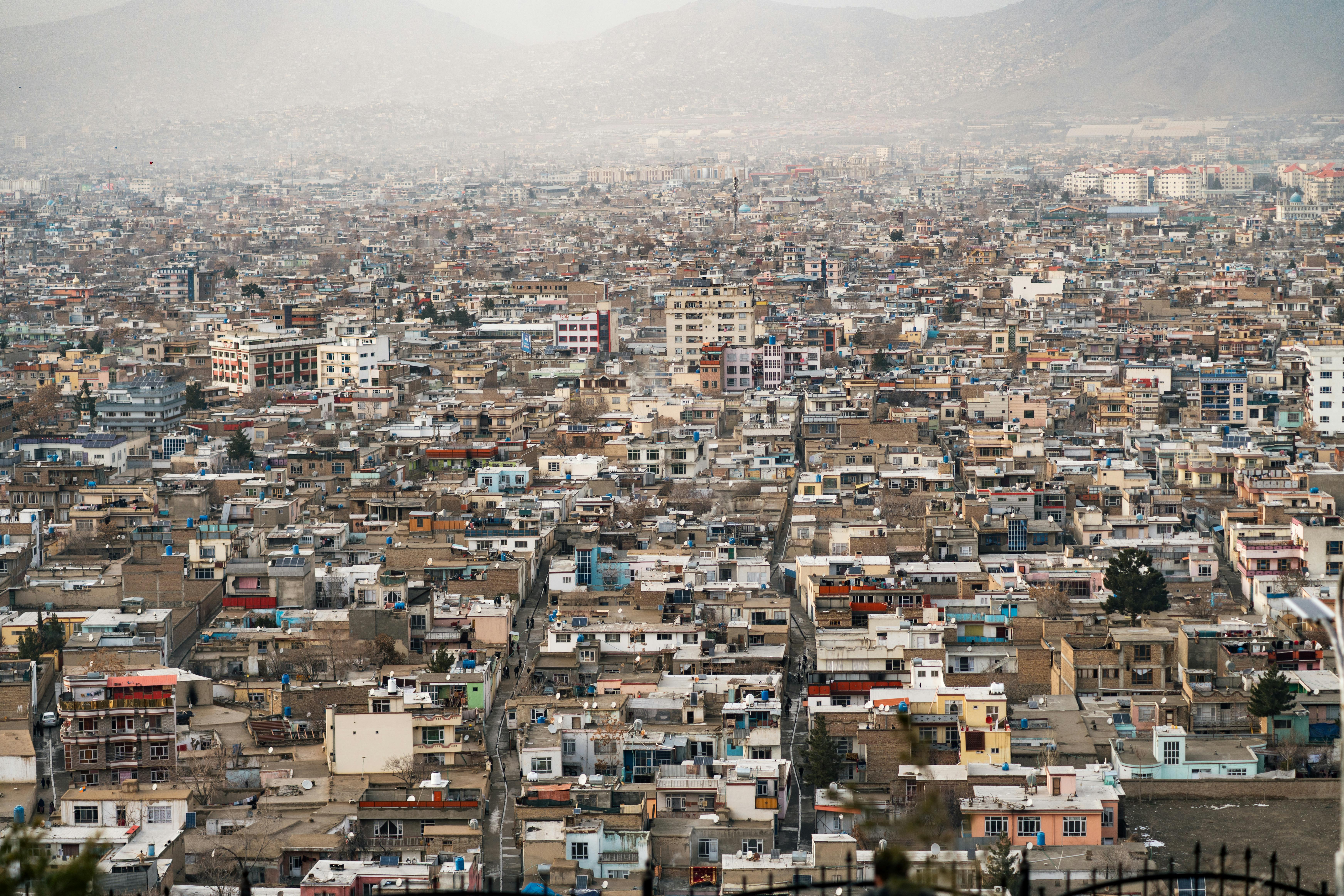
Is Kabul expensive?
Kabul, the capital of Afghanistan, is a city that offers unique cultural experiences and historical sites. However, for many travelers, it can be challenging to gauge whether the city is affordable or not. This article aims to provide practical insights into the cost factors in Kabul, helping you make informed decisions about your visit.
What makes Kabul feel expensive?
Kabul's perceived expense stems from several factors:
- Accommodation: Hotels and guesthouses can be pricey, especially those catering to international visitors. Security measures also add to the costs.
- Transportation: Taxis are readily available but can be expensive compared to other cities in the region. Public transport is less developed, making private transportation a necessity for many.
- Food and Dining: Restaurants serving international cuisine tend to be costly. However, local street food and markets offer more affordable options.
- Tourist Areas: Certain areas of Kabul are geared towards tourists and expatriates, with higher prices reflecting the demand for services in these zones.
- Lifestyle Choices: The cost of living can vary widely depending on personal choices. Luxury goods and imported products tend to be expensive due to import taxes and tariffs.
What can still be affordable?
Despite the higher costs in some areas, there are ways to keep expenses manageable:
- Local Markets: Shopping at local markets for groceries and souvenirs is much cheaper than buying from international stores.
- Cooking Meals: Cooking your own meals can significantly reduce food costs. Many hotels offer kitchen facilities, or you can find affordable guesthouses with cooking options.
- Budget Accommodation: Hostels and budget-friendly guesthouses are available for those willing to compromise on luxury.
- Public Transportation: While taxis might be expensive, public buses and shared taxis (tuk-tuks) offer more affordable alternatives.
Budget travel tips for Kabul
- Compare accommodation: Research thoroughly before booking. Look at various options online and read reviews to find the best value for your budget.
- Avoid unnecessary peak dates: Traveling during off-peak seasons can reduce costs significantly, as prices tend to be lower when fewer tourists are around.
- Use practical areas: Stay in neighborhoods that offer a good balance of safety and affordability. Areas like Karteh Jangi or Shahr-e Now have more budget-friendly options compared to the city center.
- Plan daily transport: Opt for public transportation when possible, or negotiate fixed rates with local drivers if you plan on using taxis frequently.
Who may find Kabul expensive?
Tourists and expatriates who prioritize comfort and convenience might find Kabul's costs prohibitive. Those accustomed to luxury accommodations, fine dining, and high-end shopping will likely spend more than budget-conscious travelers.
Who may find Kabul reasonable?
Budget-conscious travelers and those with flexible schedules can enjoy Kabul without breaking the bank. Visitors who are willing to explore local markets, cook their own meals, and use public transport can significantly reduce expenses while still experiencing the city's rich culture and history.
Final recommendation
Kabul is not inherently expensive; it depends on your travel style and priorities. By making informed choices about where you stay, how you eat, and how you move around the city, you can enjoy a memorable trip without overspending.
FAQ
- Is Kabul expensive for tourists? Yes, Kabul can be pricey for tourists who prefer luxury accommodations and high-end dining. However, with careful planning and budget-friendly choices, it's possible to have an affordable stay.
- How can I save money in Kabul? To save money, consider staying in budget hotels or hostels, cooking your own meals, using public transport, and shopping at local markets instead of international stores.
- Is accommodation the biggest cost? While accommodation can be expensive, especially for those seeking luxury options, it's not always the largest expense. Food, transportation, and entertainment costs also contribute significantly to overall expenses.