
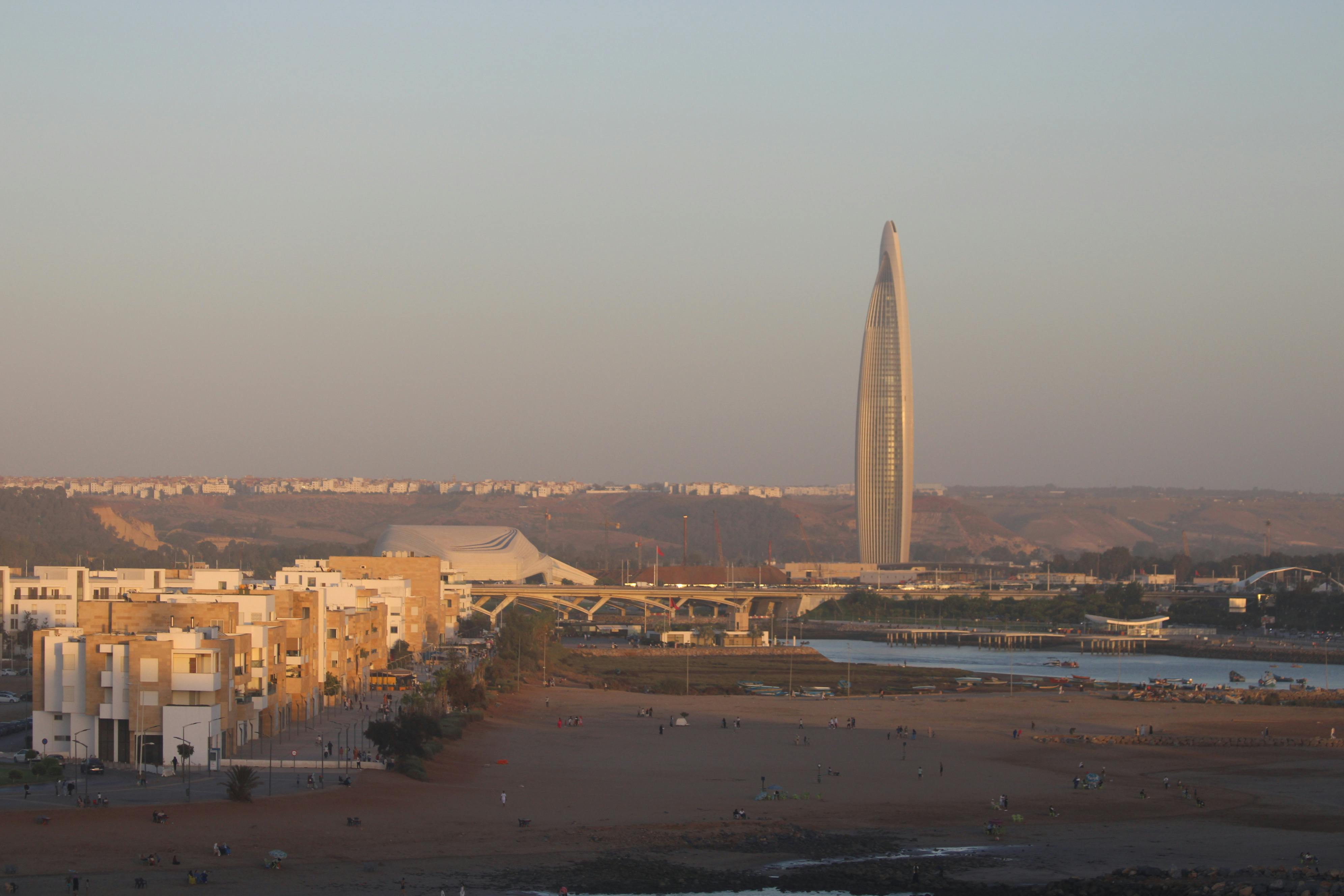
Is Rabat expensive?
Rabat, Morocco's capital city, offers a unique blend of history and modernity. However, for many travelers, the question often arises: is Rabat an expensive destination? This article aims to provide practical insights into managing costs while enjoying all that Rabat has to offer.
What makes Rabat feel expensive?
Rabat can indeed seem pricey due to several factors. Accommodation in central areas, especially near historical sites and tourist attractions like the Kasbah des Oudayas, tends to be on the higher side. Transport within the city is generally affordable with taxis and public buses available, but dining out at popular restaurants or cafes can add up quickly. Additionally, lifestyle choices such as frequenting upscale boutiques and luxury hotels contribute to a perception of high costs.
What can still be affordable?
Despite these factors, Rabat offers many opportunities for cost-effective travel. Local markets like the Marché Central provide an array of fresh produce at reasonable prices. Public transport is inexpensive, making it easy to explore the city without breaking the bank. Moreover, staying in less touristy areas can significantly reduce accommodation costs.
Budget travel tips for Rabat
- Compare accommodation: Use platforms like Booking.com or Airbnb to compare prices and read reviews before booking a place to stay. Opting for apartments instead of hotels often offers better value for money.
- Avoid unnecessary peak dates: Travel during off-peak seasons when possible, as this can lead to lower accommodation rates and fewer crowds at tourist spots.
- Use practical areas: Choose neighborhoods like Hay Hassani or Souissi where you'll find more affordable lodging options and local eateries. These areas are also closer to public transport hubs.
- Plan daily transport: Purchase a Rabat bus card for unlimited travel on the city's buses, which is much cheaper than individual rides. Alternatively, consider renting a bike or scooter if you're staying longer.
Who may find Rabat expensive?
Tourists who prefer luxury accommodations and high-end dining experiences might find Rabat pricey. Similarly, those planning extended stays without a budget for accommodation in prime locations could face financial challenges. Additionally, visitors with limited local knowledge or unfamiliarity with the city's cost-saving options might inadvertently spend more.
Who may find Rabat reasonable?
Budget-conscious travelers and flexible visitors often find Rabat to be quite affordable. Those who are willing to explore beyond tourist hotspots can discover charming neighborhoods with lower costs for food, lodging, and entertainment. Individuals planning their trips carefully by researching local markets, public transport options, and budget-friendly restaurants will likely enjoy a more economical stay.
Final recommendation
Rabat is not inherently expensive but requires careful planning to manage costs effectively. By choosing the right accommodation, utilizing affordable transportation methods, and exploring less touristy areas, visitors can have an enjoyable experience without overspending.
FAQ
- Is Rabat expensive for tourists? While some aspects of Rabat might seem pricey, especially in central locations or during peak seasons, the city offers numerous affordable options. With careful planning and a willingness to explore beyond tourist areas, visitors can enjoy their stay without breaking the bank.
- How can I save money in Rabat? To save money, consider staying in less expensive neighborhoods, using public transport instead of taxis, dining at local eateries rather than upscale restaurants, and shopping for souvenirs directly from artisans or markets. Additionally, booking accommodations during off-peak times can also help reduce costs.
- Is accommodation the biggest cost? Accommodation is often a significant expense in Rabat, particularly if you choose to stay near major attractions. However, by opting for budget-friendly hotels or apartments outside of central areas, visitors can significantly lower their overall expenses.