
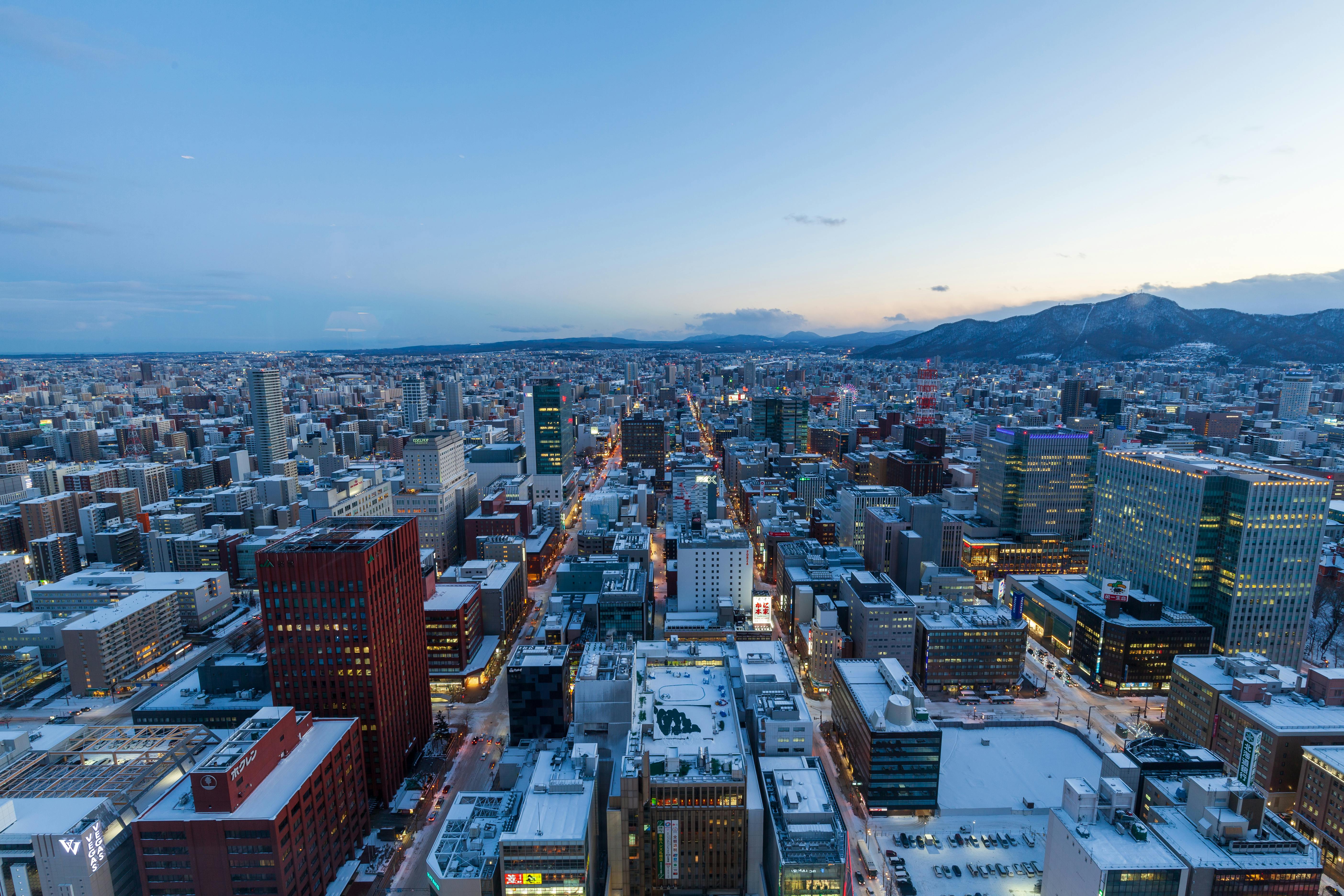
Is Sapporo safe for tourists?
Sapporo, the capital city of Hokkaido, is generally considered a safe destination for travelers. Like any major urban area, it's important to stay aware and follow common-sense safety guidelines.
General safety in Sapporo
Sapporo is known for its friendly locals and low crime rates compared to other large cities in Japan. The city has a well-organized public transportation system that runs efficiently, making it easy to navigate without feeling unsafe. Visitors should still exercise basic precautions such as being aware of their surroundings and avoiding isolated areas late at night.
Safety during the day and at night
During daylight hours, Sapporo is bustling with activity and offers a wide range of attractions for tourists to explore safely. The city's streets are well-lit and patrolled by police, which adds an extra layer of security. At night, while it’s generally safe to walk around, especially in the central areas like Susukino or Odori Park, it’s wise to stick to busy streets and avoid poorly lit alleys.
Top things to do in Sapporo
Guided tours, attractions and local experiences.
Explore tours & activitiesAreas and situations to be careful about
Sapporo is a relatively safe city overall, but there are certain areas where tourists should exercise extra caution. For instance, the nightlife district of Susukino can get crowded with bars and clubs late at night, which might attract rowdy crowds or drunk individuals. It’s also advisable to be cautious in any area that seems deserted after dark.
Safety tips for first-time visitors
- Keep valuables secure: Always keep your wallet, phone, and other valuable items out of sight when walking around or using public transportation. Consider wearing a money belt under your clothes to store cash and important documents.
- Use reliable transport: Stick to well-known taxi companies and reputable ride-sharing services like Uber or Didi. Public buses and trains are also safe options, but be mindful of pickpockets during peak hours.
- Stay aware at night: If you plan on staying out late, let someone know your whereabouts and travel in groups if possible. Avoid walking alone through deserted areas after dark.
- Check local advice: Before traveling to Sapporo, check the latest safety information from reliable sources such as the Japanese Ministry of Foreign Affairs or local tourism websites. They often provide up-to-date tips on staying safe during your visit.
Is Sapporo safe for families?
Sapporo is a family-friendly destination with many attractions suitable for children, including parks, museums, and cultural events. The city’s public spaces are generally well-maintained and secure, making it easy to enjoy outdoor activities without worrying too much about safety. However, as with any travel destination, parents should keep an eye on their kids at all times and teach them basic safety rules.
Final recommendation
In summary, Sapporo is a safe city for tourists of all kinds, offering a mix of cultural experiences and natural beauty in a secure environment. By following common-sense precautions and staying informed about local conditions, visitors can enjoy their time in the city without undue concern.
FAQ
- Is Sapporo safe at night? Yes, Sapporo is generally safe at night, especially in well-lit areas like central Susukino and Odori Park. However, it’s wise to avoid isolated streets after dark.
- Is Sapporo safe for solo travelers? Absolutely, Sapporo welcomes solo travelers with its friendly locals and secure public spaces. Just be mindful of your surroundings and use reliable transportation options.
- What should tourists avoid in Sapporo? Tourists should avoid poorly lit or deserted areas late at night, especially those unfamiliar with the city. It’s also a good idea to stay away from any gatherings that seem unruly or unsafe.