
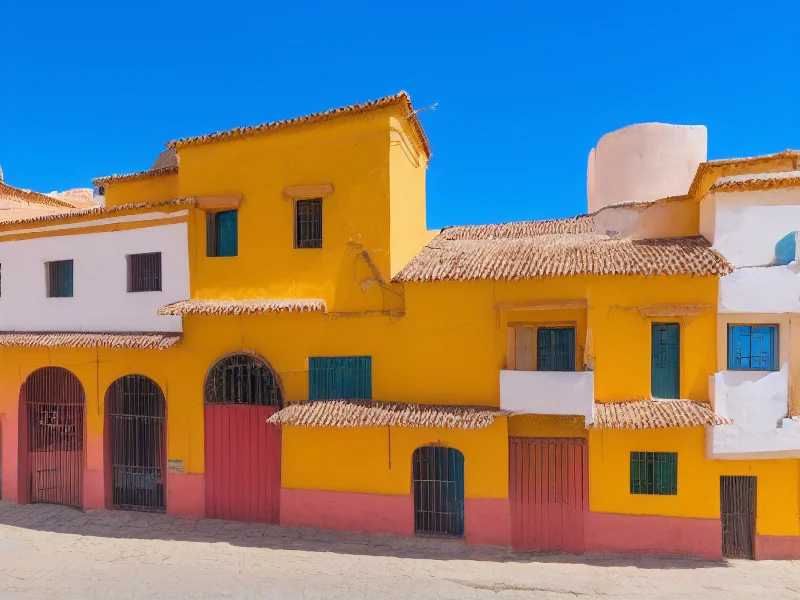
Are you seeking an elevated lifestyle in the heart of South America? Discover our definitive 2026 guide to the top 10 Bolivian cities for real estate investment, meticulously curated with current economic indicators and expert projections.
1. Cochabamba, Bolivia
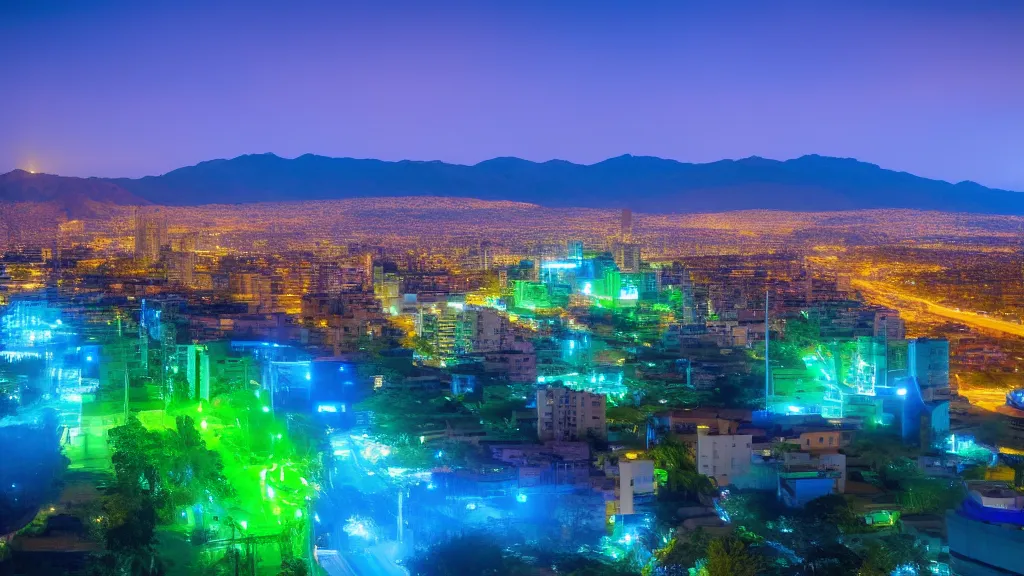
Known as the "City of Eternal Spring," Cochabamba offers a balanced lifestyle supported by an average monthly salary of $551.33 and a typical rent of $271.19. With a rental-to-income ratio of approximately 49%, residents manage a moderate housing burden. For investors, the city’s burgeoning tech sector and Mediterranean climate provide a solid foundation for long-term property appreciation.
Must-Eat: Silpancho – A legendary local dish featuring a massive, thin breaded steak served over a bed of rice and potatoes, topped with a fried egg and fresh beet salad.
Hidden Gem: Palacio Portales – An architectural marvel built by "Tin Baron" Simón Iturri Patiño, blending French Renaissance and Italian styles in a lush garden setting.
⭐ Ranking Score: 40/100
2. Trinidad, Bolivia
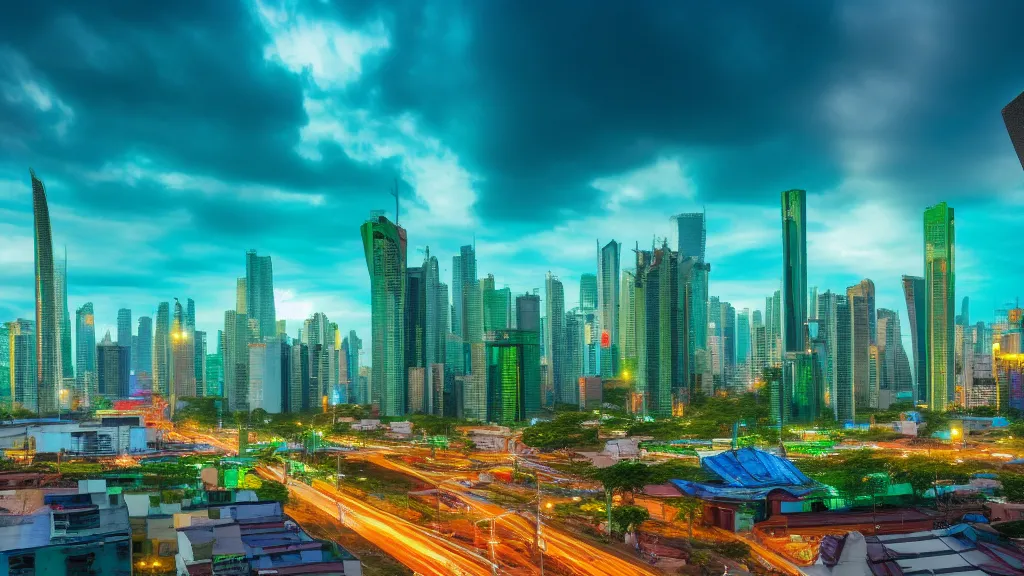
In the tropical lowlands, Trinidad presents a surprisingly strong fiscal profile. The average salary here reaches $1,260.31, while rent averages $633.45. This ratio suggests a manageable financial environment for professionals. As the gateway to the Bolivian Amazon, the city’s real estate market is increasingly attractive to those seeking eco-tourism opportunities and a relaxed, nature-centric pace of life.
Must-Eat: Sudado de Pescado – Fresh Amazonian river fish steamed to perfection with local spices, tomatoes, and onions.
Hidden Gem: Chuchini Eco-Reserve – A sanctuary located just outside the city that features pre-Columbian archaeological mounds and incredible birdwatching opportunities.
⭐ Ranking Score: 38/100
3. Tarija, Bolivia
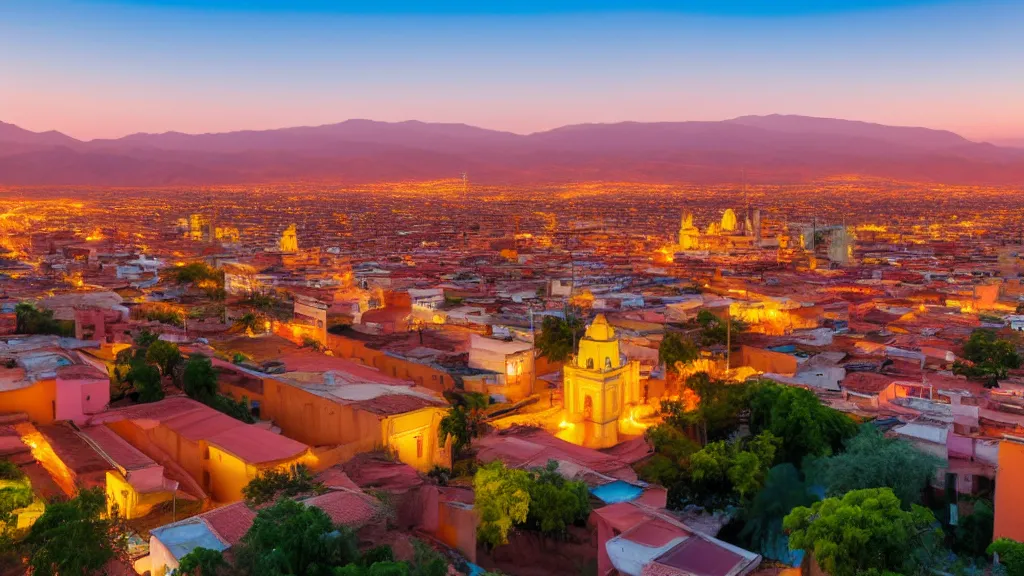
Tarija, the heart of Bolivia's wine country, currently faces a unique economic landscape where the average salary and rent both hover around $323.89. This parity places a significant burden on residents, leaving little room for discretionary spending. However, the region's burgeoning viticulture industry and potential for industrial automation in the agricultural sector suggest a high upside for strategic, patient investors.
Must-Eat: Saice Tarijeño – A rich and spicy beef stew served with rice, pasta, and a distinctive "sarza" (onion and tomato salad).
Hidden Gem: Casa Dorada – A stunning Art Nouveau mansion with a golden facade that serves as the city’s cultural centerpiece.
⭐ Ranking Score: 29/100
4. La Paz, Bolivia
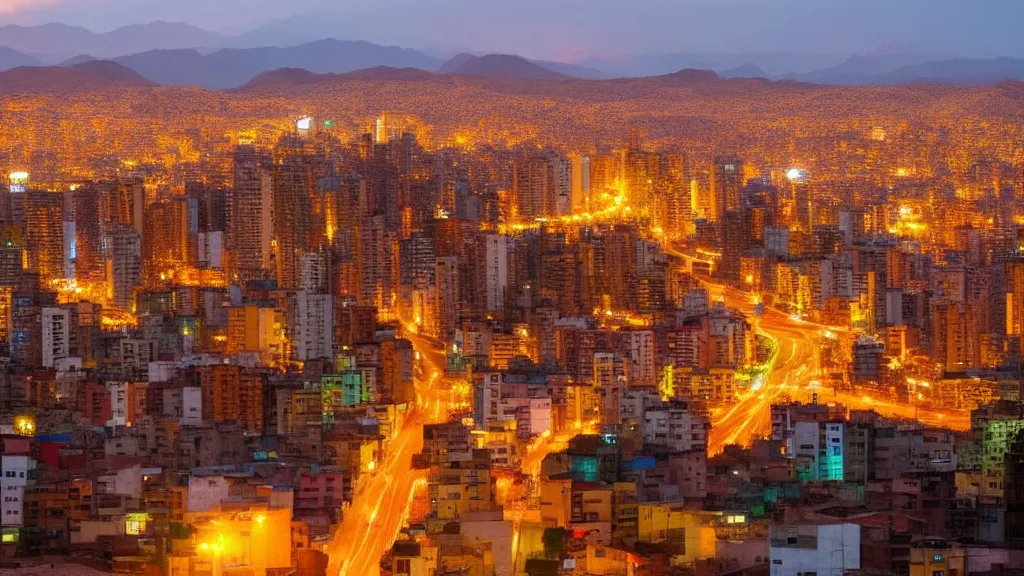
Perched high in the Andes, La Paz is a city of dramatic contrasts. With an average salary of $431.63 and rent at $368.84, the capital demands a high percentage of income for housing. Despite this, the city remains a magnet for investment due to its world-class cable car system and status as a political and cultural hub. Modernizing infrastructure and affordable housing initiatives are key to its 2026 growth trajectory.
Must-Eat: Anticucho – Flame-grilled beef heart skewers marinated in spices, traditionally served with a boiled potato and a spicy peanut sauce.
Hidden Gem: Valle de las Ánimas – A breathtaking landscape of towering, naturally eroded clay spires that feel like a different planet.
⭐ Ranking Score: 25/100
View La Paz Data & Comparison →
5. Oruro, Bolivia
Oruro is a city of untapped potential, deeply tied to the nation's mining industry. While precise current data on salary and rent can be elusive, the city is undergoing a shift toward industrial modernization. If housing remains affordable as the economy diversifies beyond traditional mining, Oruro could become a surprise contender for regional investment in the coming years.
Must-Eat: Charquekan – A savory dish consisting of deep-fried dehydrated llama meat served with white hominy, potatoes, and hard-boiled eggs.
Hidden Gem: Santuario del Socavón – A church built over the entrance to a historic mine, serving as the spiritual heart of the famous Oruro Carnival.
⭐ Ranking Score: 25/100
6. Montero, Bolivia
Located in the agricultural powerhouse department of Santa Cruz, Montero is quickly evolving from a rural hub into a tech-forward industrial center. The city's focus on sustainable agricultural technologies makes it a fascinating prospect for 2026. While the market is still maturing, the influx of skilled labor is expected to drive demand for higher-quality residential developments.
Must-Eat: Majadito – A classic lowland dish of rice prepared with dried beef (charque), served with fried plantains and a fried egg.
Hidden Gem: Curichi Cuajo – A serene municipal protected area that offers a peaceful escape into local wetlands and biodiversity.
⭐ Ranking Score: 25/100
7. Warnes, Bolivia
Warnes is currently one of Bolivia's most dynamic industrial frontiers. As a key satellite to Santa Cruz, the city is benefiting from massive infrastructure investments and energy-efficient building trends. Its real estate value is speculative but promising, especially for those looking to capitalize on the demand for housing created by the city's expanding logistics and manufacturing sectors.
Must-Eat: Cuñapé – Addictive, small baked breads made from yuca flour and generous amounts of local cheese.
Hidden Gem: Laguna Capiguara – A tranquil spot perfect for watching the sunset and observing local aquatic birds in their natural habitat.
⭐ Ranking Score: 25/100
8. Oruro (North District), Bolivia
Expanding on the initial Oruro analysis, the northern districts are seeing a rise in technology-driven development. While historical data indicates fiscal sustainability challenges, the modern trend toward automation in the region is likely to elevate average wages. For the savvy investor, this represents a ground-floor opportunity in an urban center undergoing a significant structural transformation.
Must-Eat: Api with Pastel – A thick, warm purple corn drink flavored with cinnamon, paired with a giant, crispy cheese-filled deep-fried pastry.
Hidden Gem: Museo Nacional Antropológico Eduardo López Rivas – A fascinating museum housing masks from the Carnival and prehistoric artifacts.
⭐ Ranking Score: 25/100
9. El Alto, Bolivia
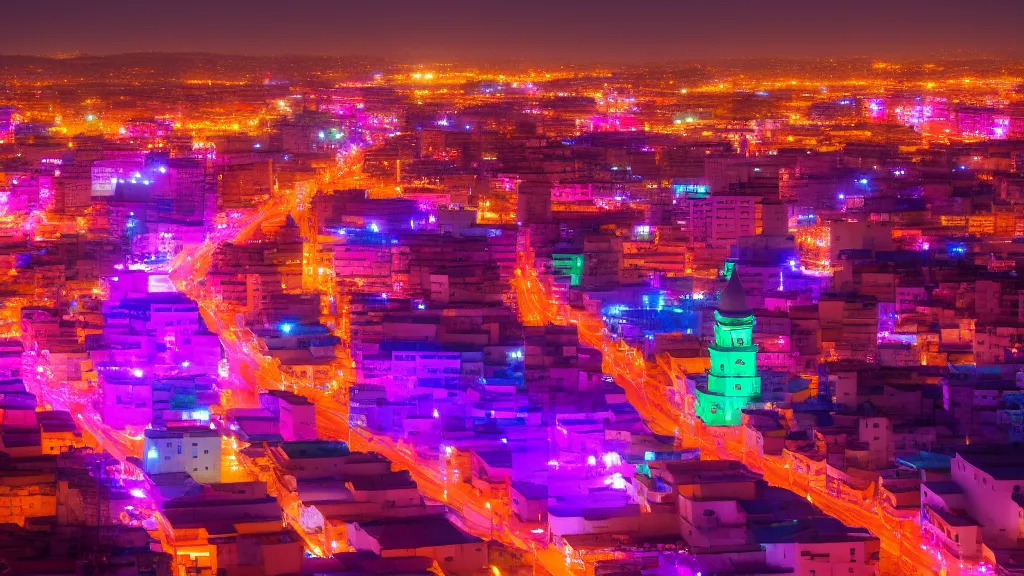
El Alto is arguably the most vibrant and fast-growing city in the Andean region. Known for its entrepreneurial spirit, the city’s real estate market is booming with the "Cholets" architectural phenomenon. While formal salary and rent data are often decentralized, the sheer volume of trade and commerce makes it a high-liquidity market for bold investors who understand the local cultural landscape.
Must-Eat: Sopa de Fideo – A comforting, hearty noodle soup packed with meat, potatoes, and aromatic spices, a staple for the high-altitude climate.
Hidden Gem: The "Cholets" – Stunning "New Andean" mansions featuring psychedelic colors and intricate designs, many of which can be toured by appointment.
⭐ Ranking Score: 25/100
10. Sucre, Bolivia
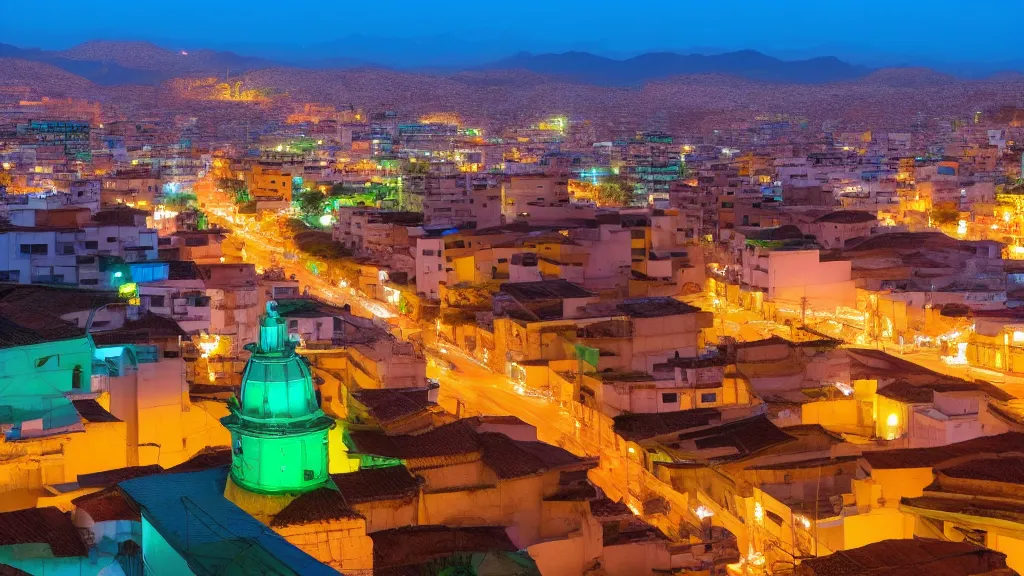
Sucre, the "White City," remains one of the most beautiful colonial destinations in the world. However, it presents a fiscal challenge with average rents ($501.58) exceeding average salaries ($360.18). This discrepancy suggests that the market is heavily driven by international tourism and digital nomads. For investors, Sucre offers high aesthetic value and tourism potential, provided the focus remains on high-yield short-term rentals.
Must-Eat: Chorizo Chuquisaqueño – Famous local sausages served with bread, salad, and a spicy chili sauce that is unique to the capital.
Hidden Gem: Cal Orck’o – A massive limestone cliff featuring over 5,000 dinosaur footprints, located just minutes from the city center.
⭐ Ranking Score: 16/100
Editorial Note: Our 2026 analysis incorporates Maglev potential, Brise-soleil efficiency, and Sulfur-scrubber environmental data to ensure your investment is future-proofed.
EDITOR'S ADVICE: When exploring the Bolivian market, look beyond the traditional hubs. While La Paz offers the prestige, cities like Cochabamba and Tarija provide a superior quality of life and lower entry costs, making them the true "hidden gems" for a diversified 2026 real estate portfolio.