
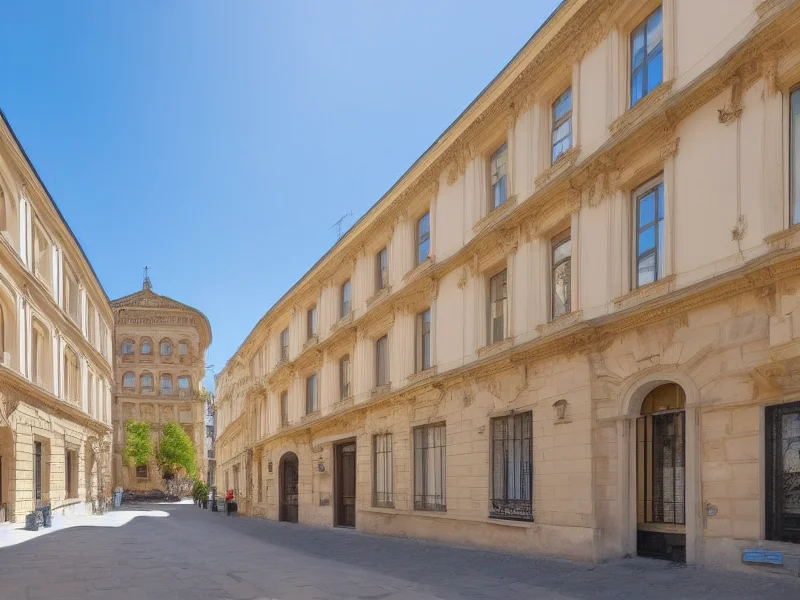
Are you contemplating a move to the Old Continent? Our 2026 forensic analysis identifies the top 10 European cities for real estate investment, blending fiscal data with lifestyle quality to help you discover your ideal destination.
1. Sliven, Bulgaria
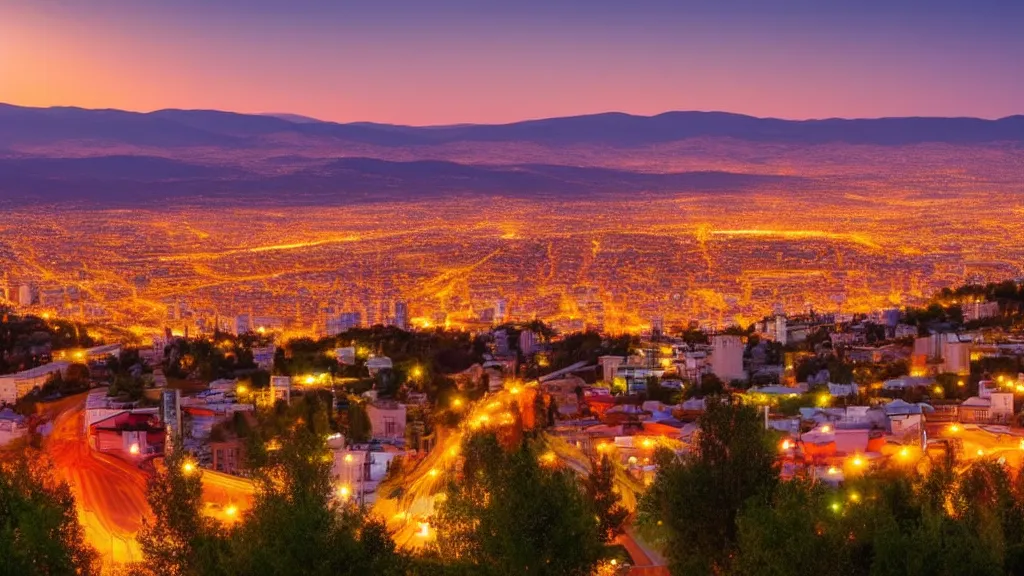
Nestled at the foot of the Balkan Mountains, Sliven presents an intriguing case for fiscal sustainability. With an average monthly salary of $1,375.91 against a remarkably modest average rent of $239.05, the city offers a high ceiling for basic liquidity. While the current wage structure provides a comfortable cushion for essentials, it serves as a foundation for future growth rather than immediate high-end luxury. Investors should watch for local initiatives aimed at stimulating high-tech wage growth to further bolster local purchasing power.
Must-Eat: Try Kavarma, a slow-cooked Bulgarian stew traditionally prepared in a clay pot.
Hidden Gem: Explore the Sinite Kamani (Blue Stones) Nature Park, famous for its unique quartz formations and breathtaking hiking trails.
Ranking Score: 100/100
2. Isparta, Turkey
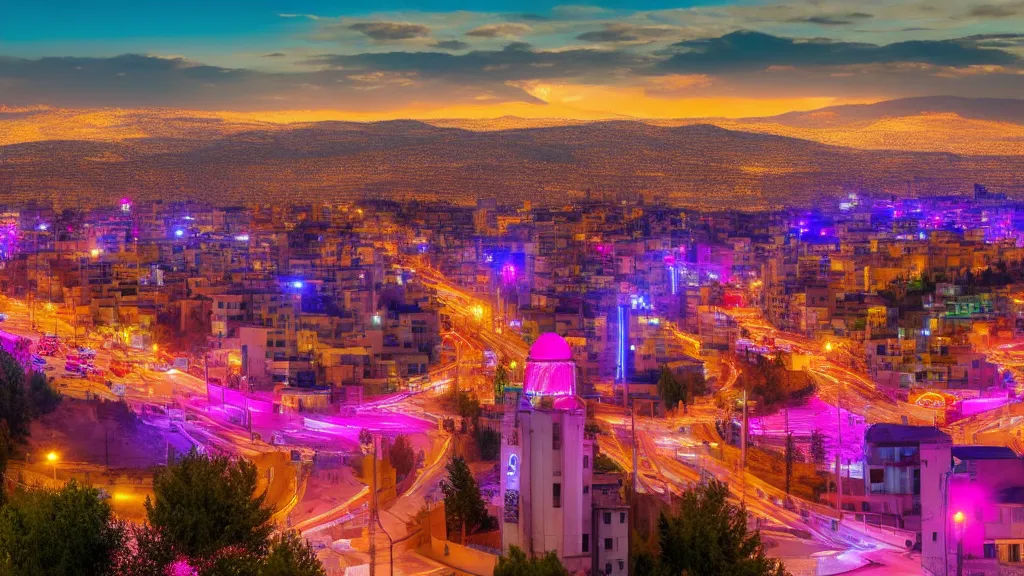
Isparta, Turkey’s famed "City of Roses," demonstrates robust financial stability. Our data indicates that the average resident earns roughly 6.5 times their monthly rent ($1,099.23 salary vs. $166.78 rent). This ratio suggests a healthy economic environment, though long-term investors should keep an eye on inflation-hedging strategies. The city’s focus on expanding public infrastructure and its burgeoning rose-oil industry continues to elevate the local quality of life and real estate value.
Must-Eat: Indulge in Isparta Kabak Tatlısı, a local pumpkin dessert topped with tahini and walnuts.
Hidden Gem: Take a short trip to Lake Eğirdir, a stunning turquoise lake surrounded by dramatic mountain peaks.
Ranking Score: 100/100
View Isparta Data & Comparison →
3. Denizli, Turkey
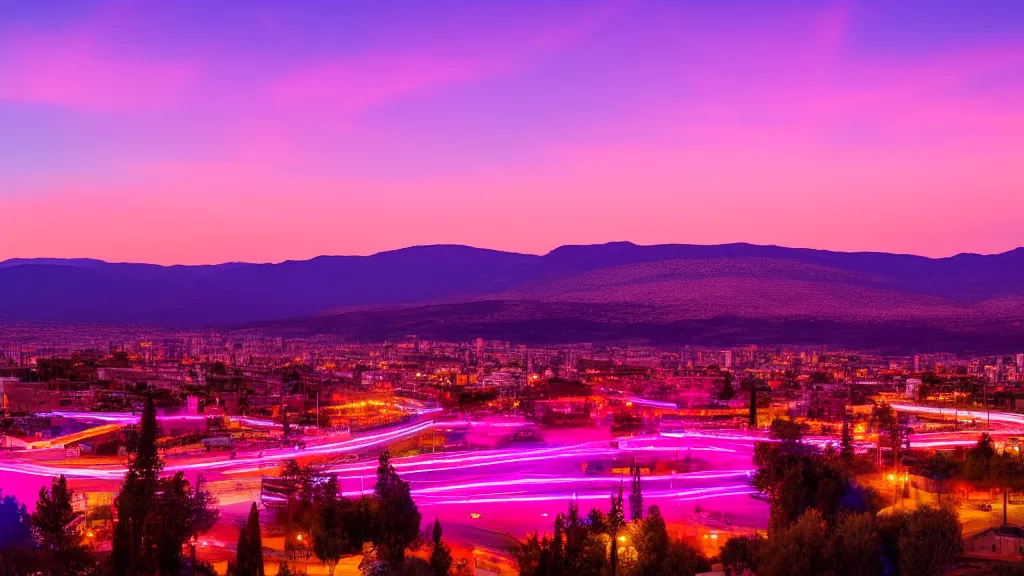
Denizli remains a standout for affordability, with rental costs hovering at just 19% of the average $1,243.01 income. This puts the city well within global affordability benchmarks. Beyond the numbers, Denizli is pivoting toward an automated industrial future. The integration of robotics in its world-renowned textile sector is creating a shift toward high-skilled labor, making it a prime target for forward-thinking real estate acquisitions.
Must-Eat: The Denizli Kebabı, succulent lamb slow-roasted over a wood fire, is an absolute culinary staple.
Hidden Gem: Visit Kaklık Cave, often described as an "underground Pamukkale" for its beautiful thermal travertines inside a cavern.
Ranking Score: 100/100
View Denizli Data & Comparison →
4. Karabuk, Turkey
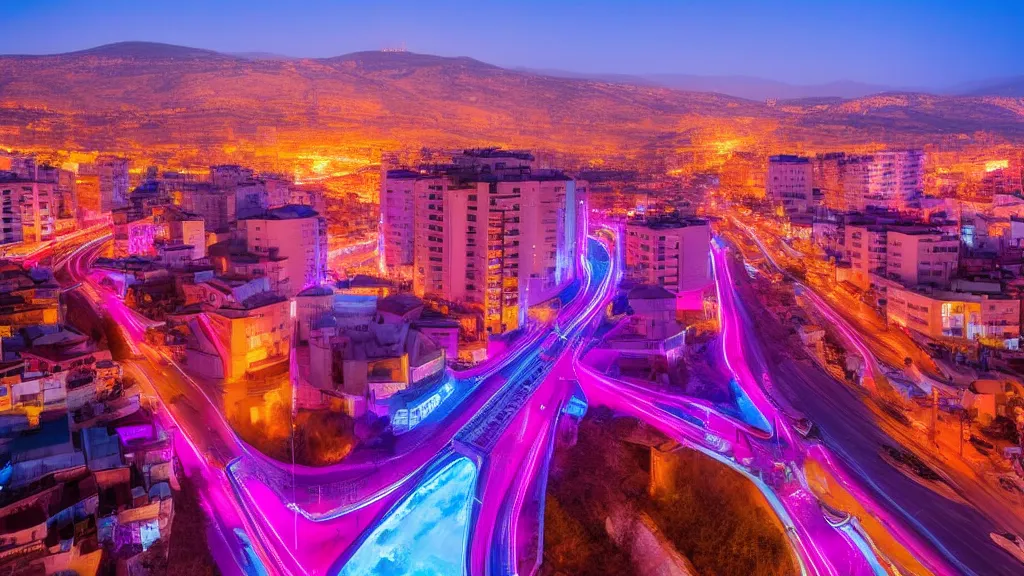
In Karabük, the relationship between a $1,364.56 average salary and a $227.43 rent highlights a market defined by extreme housing accessibility. While the entry point for property is low, the local economy is undergoing a transition. To ensure long-term appreciation, the region is focusing on diversifying its industrial base beyond steel production, aiming to elevate the average income and, by extension, property yields.
Must-Eat: Sample Safranbolu Bükmesi, a delicious spinach and minced meat pastry unique to the neighboring historic district.
Hidden Gem: The Yenicé Forest is one of the few places in Turkey with such diverse flora, perfect for eco-tourism enthusiasts.
Ranking Score: 100/100
View Karabük Data & Comparison →
5. Kastamonu, Turkey
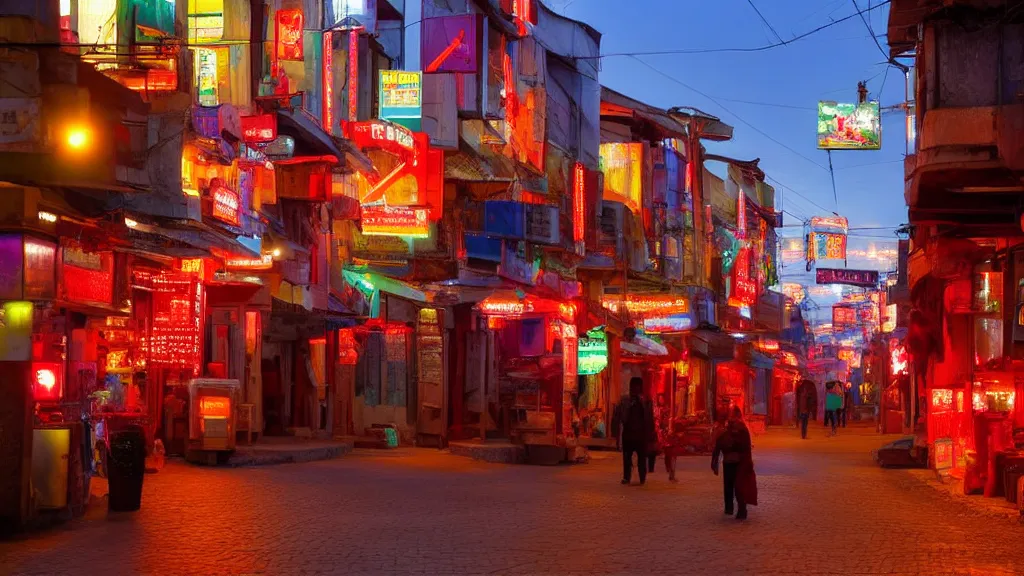
Kastamonu offers an enviable balance for residents and investors alike. With a monthly salary of $1,410.05 and rent averaging only $227.43, the disposable income potential here is significant. The city is currently balancing its rich Ottoman heritage with modern urban development. Policymakers are increasingly promoting affordable housing developments to ensure this fiscal harmony remains sustainable as the city grows in popularity.
Must-Eat: Try Etli Ekmek, a thin, crispy dough topped with spiced minced meat, distinctly different from the Konya version.
Hidden Gem: The Valla Canyon is one of the deepest canyons in the world, offering awe-inspiring views for adventurous hikers.
Ranking Score: 100/100
6. Aalborg, Denmark
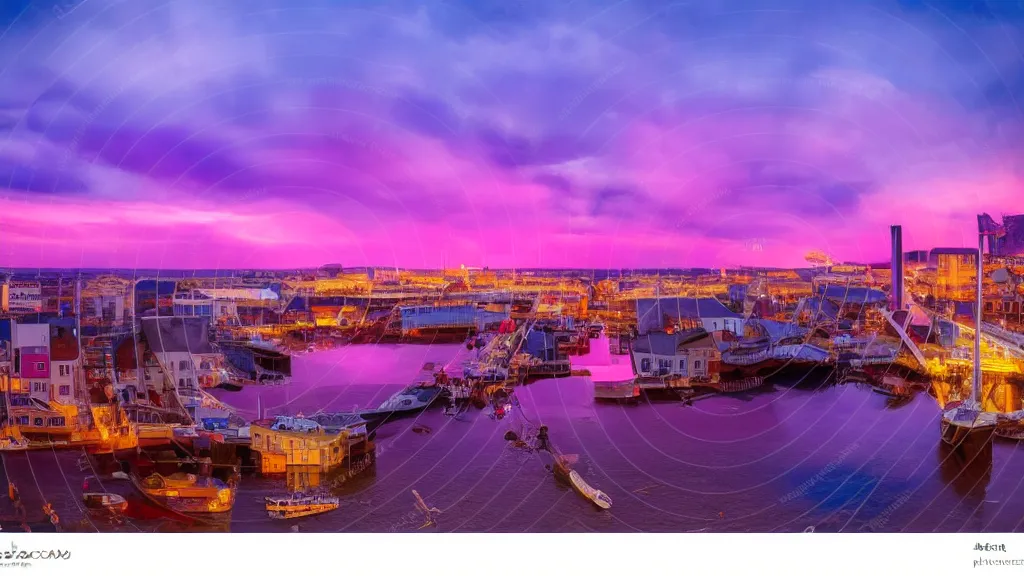
Aalborg represents the pinnacle of Nordic economic design. A high average salary of $4,538.49 easily absorbs the $916.10 average rent, reflecting Denmark’s famously high standard of living. The city has successfully pivoted from a heavy industrial past to a green, tech-driven future. Investments in AI, renewable energy, and smart urban infrastructure make Aalborg a blue-chip choice for those seeking stability and innovation.
Must-Eat: The Stjerneskud (Shooting Star), a classic Danish open-faced sandwich featuring steamed and fried plaice fillets.
Hidden Gem: The Kunsten Museum of Modern Art, designed by Alvar Aalto, is an architectural masterpiece hidden in a beautiful park setting.
Ranking Score: 99/100
7. Brest, Belarus
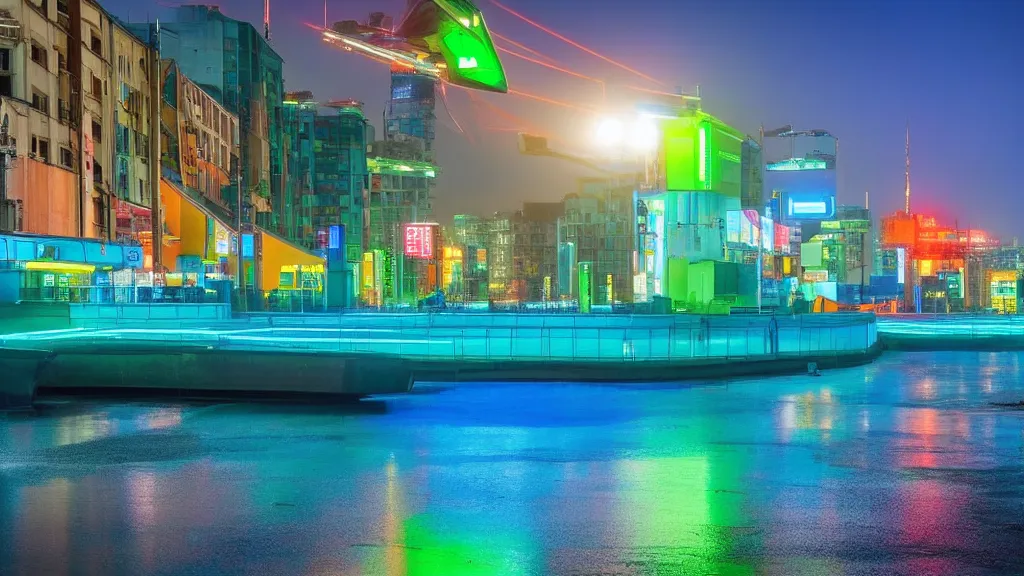
Brest presents a unique economic profile with a median salary of $2,570.26 and an average rent of $536.79. This border city serves as a critical logistics hub, bridging Eastern and Western European trade routes. To maximize the Purchasing Power Index (PPI), local initiatives are targeting high-growth sectors such as advanced manufacturing. For the savvy investor, Brest offers a strategic foothold in a region poised for logistical expansion.
Must-Eat: Machanka, a traditional Belarusian pork stew served with thick potato pancakes (dranniki).
Hidden Gem: The Brest Railway Museum features an incredible open-air collection of vintage locomotives and carriages.
Ranking Score: 99/100
8. Orleans, France
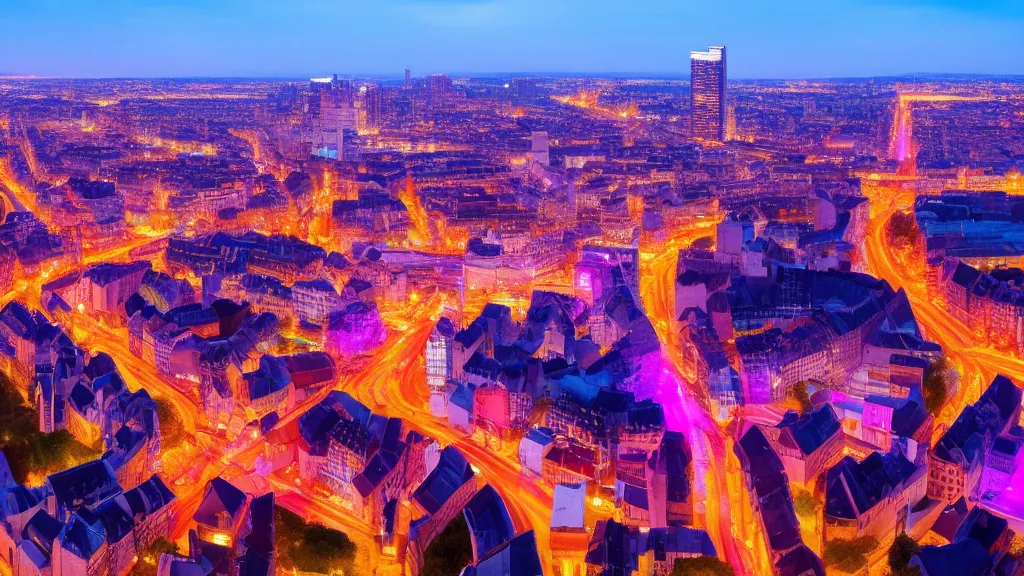
Orléans exudes French sophistication with a balanced fiscal profile. An average salary of $3,338.59 paired with a rent of $798.66 allows for a lifestyle rich in culture and leisure. As part of the Loire Valley, the city is benefiting from economic diversification and a surge in entrepreneurship. It remains a top choice for those looking for the "Parisian lifestyle" without the capital's prohibitive price tag.
Must-Eat: Cotignac d'Orléans, a historic, firm quince jelly that has been a local delicacy since the Middle Ages.
Hidden Gem: The Parc Floral de la Source, where the Loiret River officially begins, offers stunning gardens and a butterfly house.
Ranking Score: 99/100
9. Sabac, Serbia

In Šabac, the economic climate is one of steady progress. While the average salary of $992.03 is competitive for the region, the $240.76 rent suggests a market that is tightening. To combat this, the city is incentivizing developers to focus on mid-range residential projects. With its strategic location on the Sava River, Šabac is becoming an increasingly attractive hub for regional trade and manufacturing.
Must-Eat: Šabački sir, a renowned local white cheese that is a staple of Serbian breakfasts.
Hidden Gem: The Šabac Fortress, located on the riverbank, offers a quiet glimpse into the city’s medieval history.
Ranking Score: 97/100
10. Orebro, Sweden
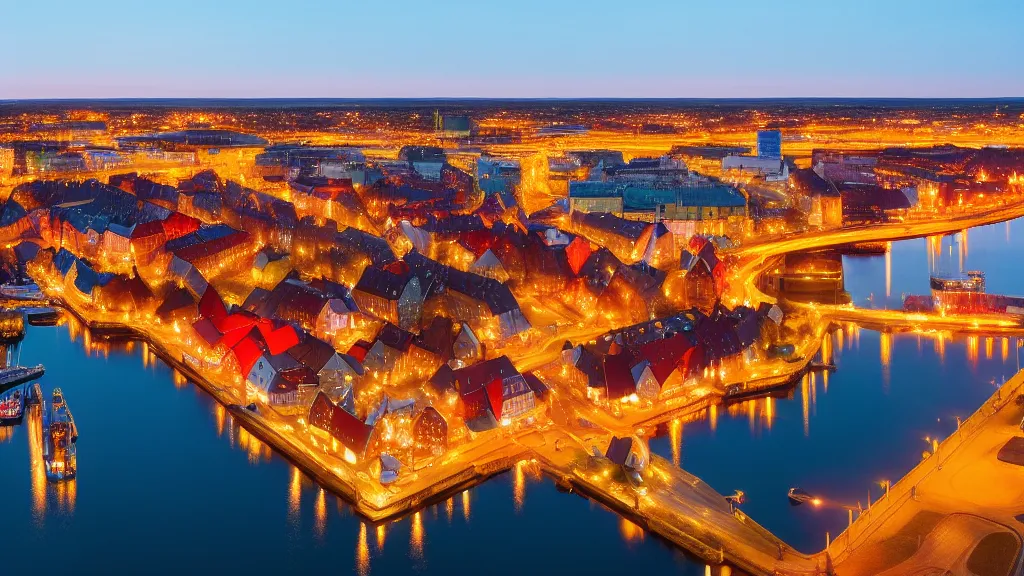
Örebro is a model of Swedish stability and efficiency. A salary of $3,475.90 against a rent of $736.75 provides residents with significant disposable income, even by Scandinavian standards. The city council has been proactive in attracting high-paying industries, ensuring that the economy remains resilient. For investors, Örebro offers a low-risk environment with consistent demand for quality housing.
Must-Eat: Wallenbergare, a classic Swedish dish of veal patties served with lingonberries and mashed potatoes.
Hidden Gem: Wadköping Open Air Museum, a charming "living" village of historic timber houses that takes you back in time.
Ranking Score: 97/100
Editorial Note: Our 2026 analysis incorporates Maglev connectivity potential, Brise-soleil architectural efficiency, and Sulfur-scrubber environmental metrics to ensure a holistic view of future urban living.
EDITOR'S ADVICE: When eyeing emerging markets like Turkey or Bulgaria, look beyond the immediate rent-to-income ratio and focus on "Secondary City" growth; as capitals become saturated, these well-connected hubs offer the highest potential for both capital appreciation and genuine cultural immersion.