
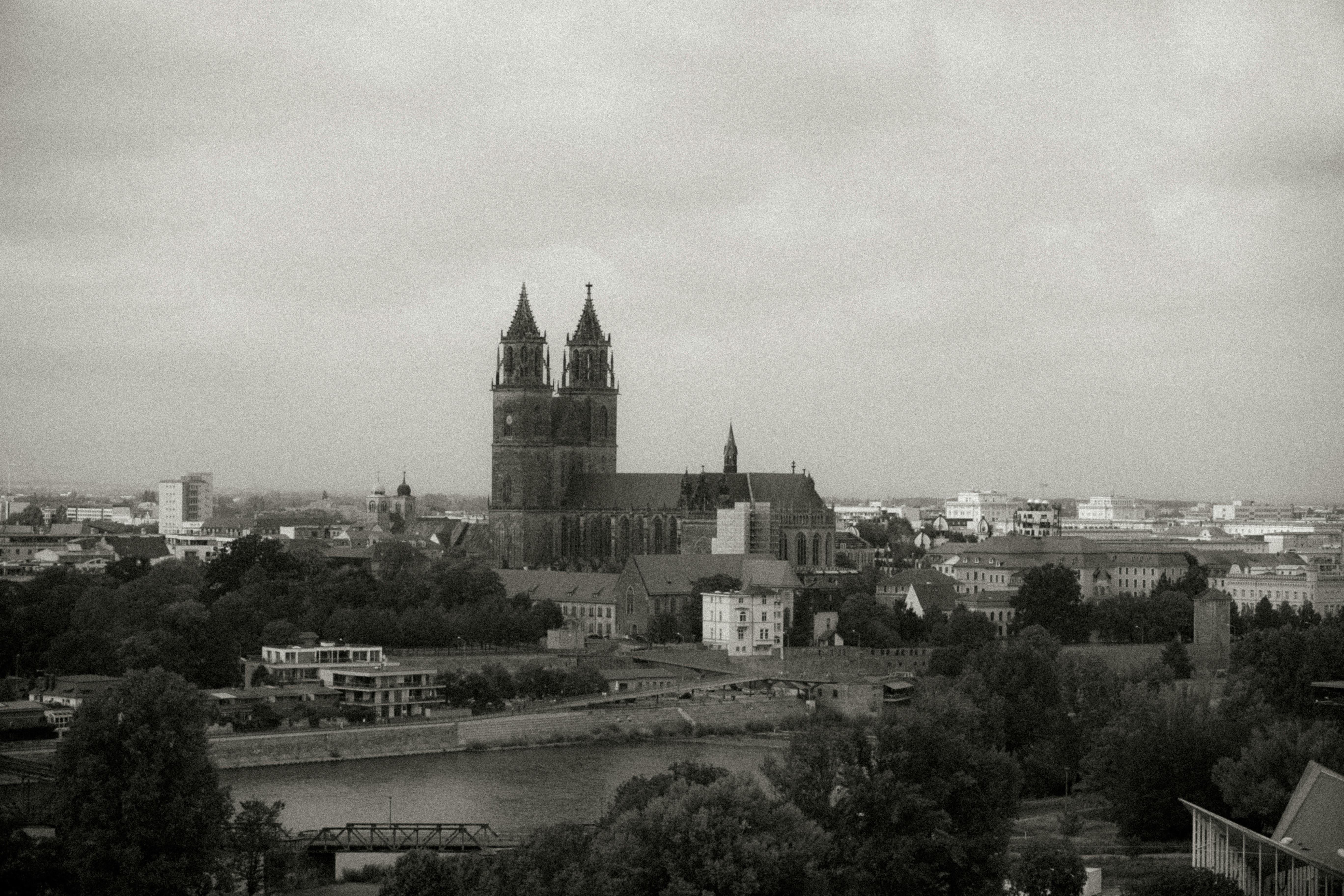
Are you contemplating a move to the heart of Europe? Our comprehensive 2026 forensic analysis identifies the top 10 German cities for real estate investment and lifestyle quality, ensuring you find a destination that resonates with your personal and professional goals.
1. Moers, Germany
Located in the vibrant Lower Rhine region, Moers offers a charming blend of historical character and industrial heritage. While specific rental data can be elusive, regional trends indicate a steady climb in housing demand. With an average monthly salary of $3,267.39, prospective residents should budget carefully. To bolster its appeal, the city is pivoting toward green energy initiatives, which may provide long-term economic stability and attract eco-conscious investors.
Local Flavor: You must try the Moerser Schloß-Brühtopf, a traditional, hearty local stew.
Hidden Gem: Explore the Halde Rheinpreußen, a reclaimed mining hill featuring a massive, glowing miner's lamp sculpture that offers panoramic views of the Ruhr area.
🏆 Ranking Score: 93/100
2. Magdeburg, Germany
Magdeburg is currently witnessing a renaissance, driven by significant investments in high-tech sectors like robotics and semiconductors. With an average salary of $2,885.84 against a modest rent of $608.93, the city offers one of the most balanced cost-of-living ratios in Germany. This economic buoyancy, paired with proactive urban planning, makes it a prime candidate for those seeking growth and social mobility in an emerging tech hub.
Local Flavor: Indulge in Magdeburger Schmalzkuchen, delectable fried dough squares dusted with powdered sugar.
Hidden Gem: Visit the Green Citadel, Friedensreich Hundertwasser’s final architectural masterpiece, which stands as a whimsical, pink-walled contrast to the city's traditional structures.
🏆 Ranking Score: 92/100
View Magdeburg Data & Comparison →
3. Saarbrücken, Germany
Bordering France, Saarbrücken exudes a unique "savoir-vivre" atmosphere. The fiscal landscape is defined by a respectable $2,940.18 average salary, though the $596.37 rent reflects a tightening market. The city is increasingly looking toward innovative co-living projects to alleviate housing pressures, making it an attractive spot for young professionals who value a cross-cultural lifestyle and proximity to major European markets.
Local Flavor: Savor a plate of Dibbelabbes, a savory Saarland potato hash mixed with leeks and smoked meat.
Hidden Gem: Descend into the Saarbrücken Casemates, an underground fortress located 14 meters below the city's castle square.
🏆 Ranking Score: 89/100
View Saarbrücken Data & Comparison →
4. Dresden, Germany
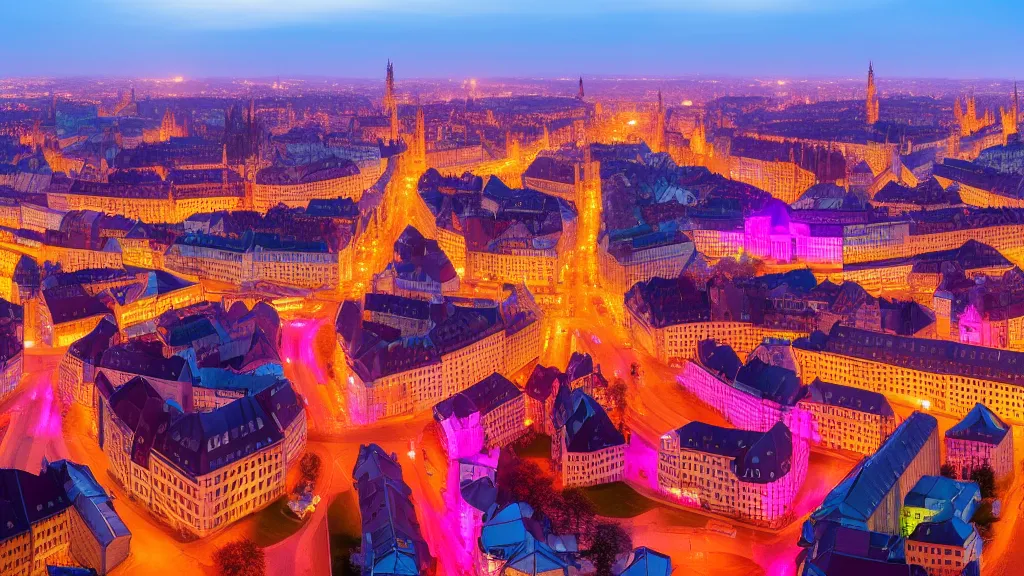
Known as the "Florence on the Elbe," Dresden seamlessly merges its baroque architectural splendor with a powerhouse economy rooted in microelectronics and research. While the city manages higher public debt levels, its commitment to innovation and entrepreneurship remains steadfast. For investors, Dresden offers a sophisticated cultural backdrop paired with a workforce specialized in future-facing technologies.
Local Flavor: A slice of Dresdner Eierschecke, a legendary three-layered cake, is an absolute necessity.
Hidden Gem: Discover the Pfunds Molkerei, frequently cited as the most beautiful dairy shop in the world, adorned with hand-painted neo-Renaissance tiles.
🏆 Ranking Score: 82/100
5. Erfurt, Germany
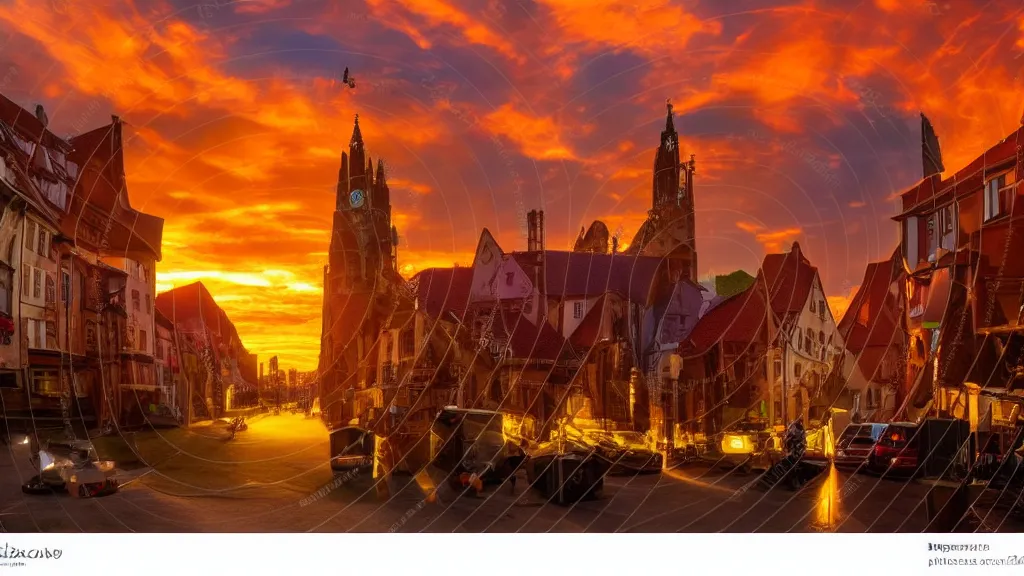
Erfurt presents a compelling case for sustainability with an average salary of $3,180.37 and a median rent of $807.12. As one of Germany's best-preserved medieval cities, it offers a high quality of life that appeals to families and remote workers alike. Ongoing developments in the logistics and service sectors continue to bolster the local economy, though rising utility costs warrant a closer look for long-term planning.
Local Flavor: You cannot leave without tasting an authentic Thüringer Rostbratwurst, grilled over charcoal.
Hidden Gem: The Old Synagogue, which houses the Erfurt Treasure, is one of the oldest and best-preserved medieval synagogues in Europe.
🏆 Ranking Score: 82/100
Top things to do in Magdeburg
Guided tours, attractions and local experiences.
Explore tours & activities6. Kiel, Germany
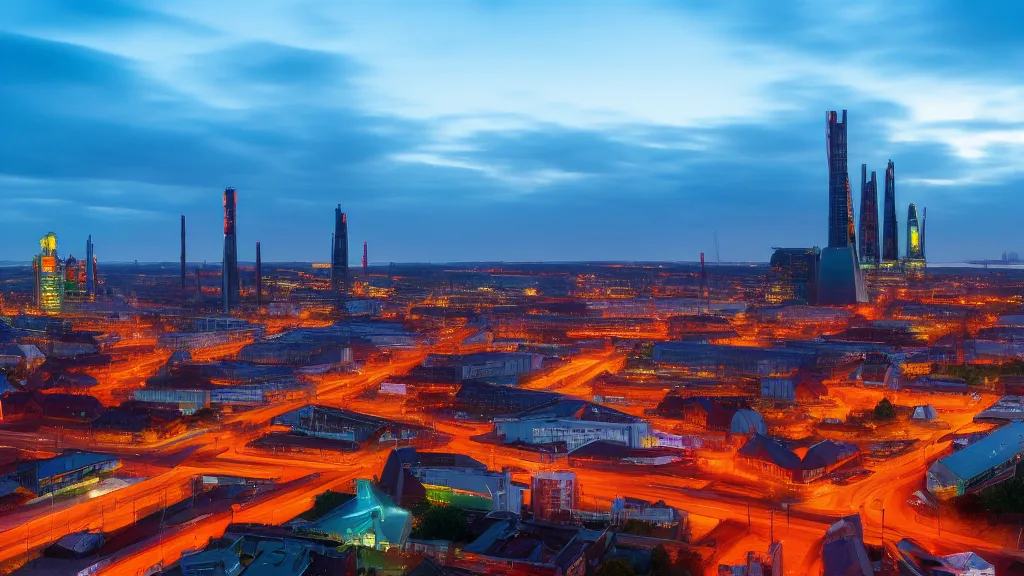
Kiel, a maritime hub on the Baltic Sea, maintains a strong fiscal position with a healthy rent-to-income ratio of 21.6%. The average salary of $3,428.40 comfortably supports the $743.92 rent. The city's economic engine is powered by marine technology and renewable energy, making it a sustainable choice for those seeking a career in the "Blue Economy" while enjoying the perks of coastal living.
Local Flavor: Sample the Kieler Sprotte, small, smoked sprats that are a local delicacy traditionally eaten whole.
Hidden Gem: The Botanical Garden of Kiel University offers a tranquil escape with unique greenhouses featuring flora from around the world.
🏆 Ranking Score: 81/100
7. Stuttgart, Germany
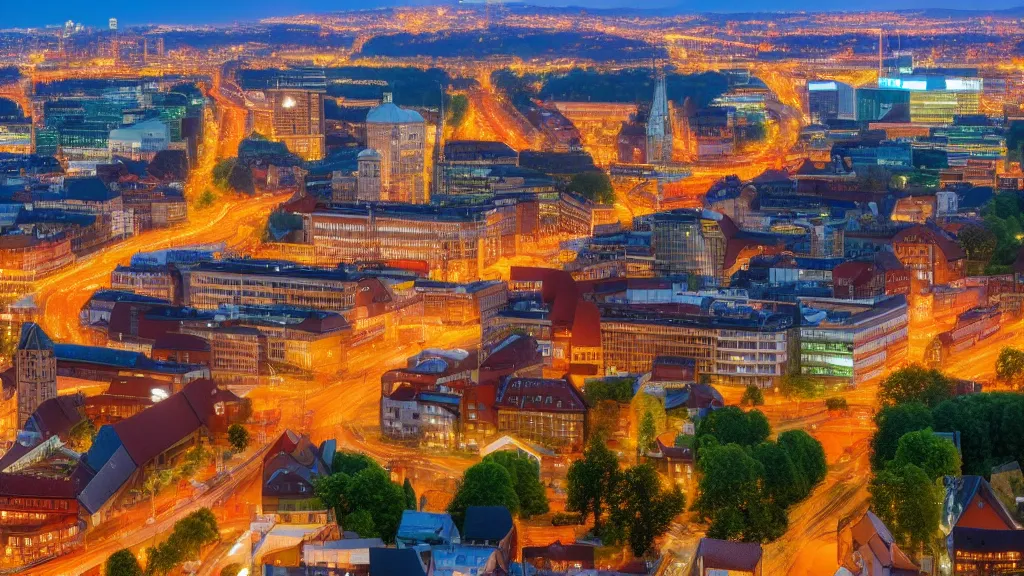
Stuttgart remains an industrial titan, home to global automotive giants and pioneers in engineering. A robust median salary of $4,560.39 helps offset the higher rent of $1,259.29. Beyond the spreadsheets, the city offers a luxurious lifestyle nestled among vineyards. Its focus on transitioning to electric mobility and renewable tech ensures its status as a high-income haven for years to come.
Local Flavor: Enjoy a bowl of Maultaschen, Swabian-style pasta pockets filled with meat, spinach, and herbs.
Hidden Gem: The Grabkapelle on Württemberg hill offers a romantic sunset spot with stunning views over the Neckar valley vineyards.
🏆 Ranking Score: 77/100
View Stuttgart Data & Comparison →
8. Rostock, Germany
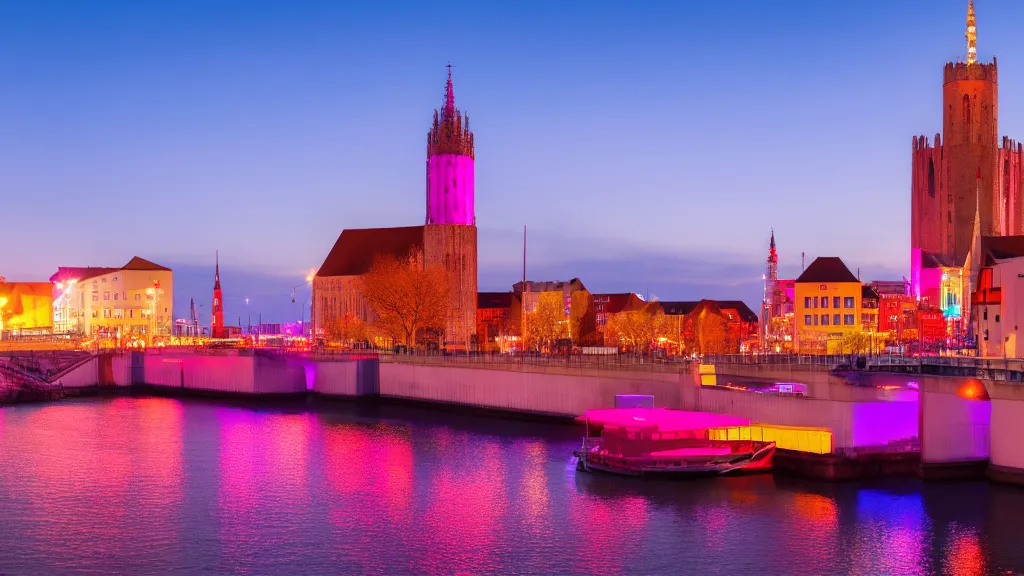
Rostock combines Hanseatic history with modern growth in the maritime and wind energy sectors. With a salary of $2,986.80 and rent averaging $722.56, residents enjoy a moderate yet stable lifestyle. The city’s focus on sustainable infrastructure and its growing university scene create a dynamic environment for both young families and tech entrepreneurs looking for Baltic charm.
Local Flavor: Grab a fresh Fischbrötchen (fish roll) from the cutters at the Alter Strom in Warnemünde.
Hidden Gem: The Holy Cross Abbey (Kloster zum Heiligen Kreuz), a serene medieval convent that now houses the city's Cultural History Museum.
🏆 Ranking Score: 77/100
View Rostock Data & Comparison →
9. Bremen, Germany
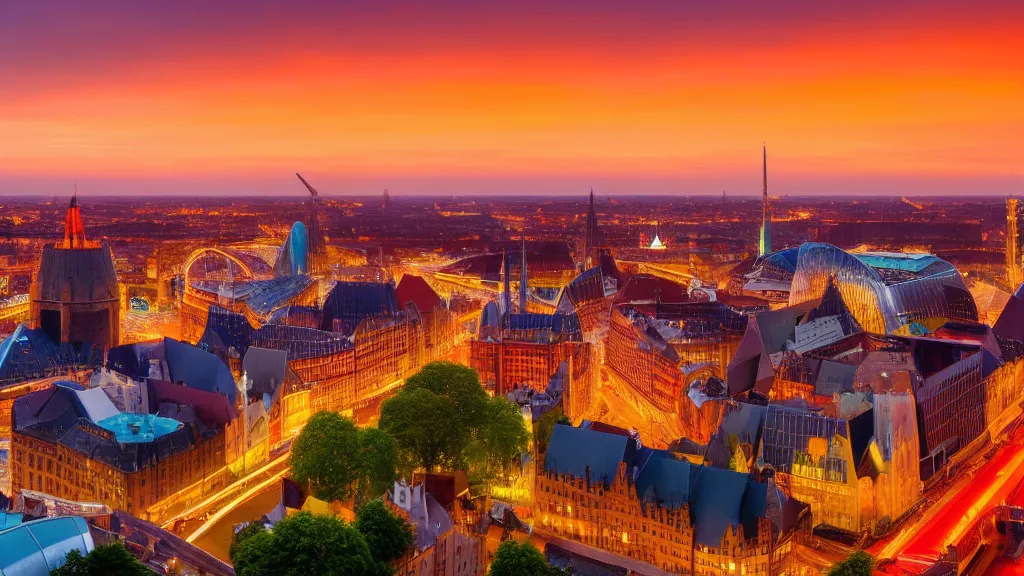
Bremen is a city that prides itself on its industrial resilience and aerospace innovation. Fiscal stability is a hallmark here, achieved through meticulous infrastructure investments. From wind energy to sustainable construction, Bremen is positioning itself as a climate-resilient city. For investors, this means a stable market with a clear vision for the future of urban living.
Local Flavor: Try Bremer Knipp, a traditional oat-based sausage dish served with fried potatoes and applesauce.
Hidden Gem: Stroll through Böttcherstraße, a 100-meter-long street that is a breathtaking masterpiece of Brick Expressionism architecture.
🏆 Ranking Score: 76/100
10. Wiesbaden, Germany
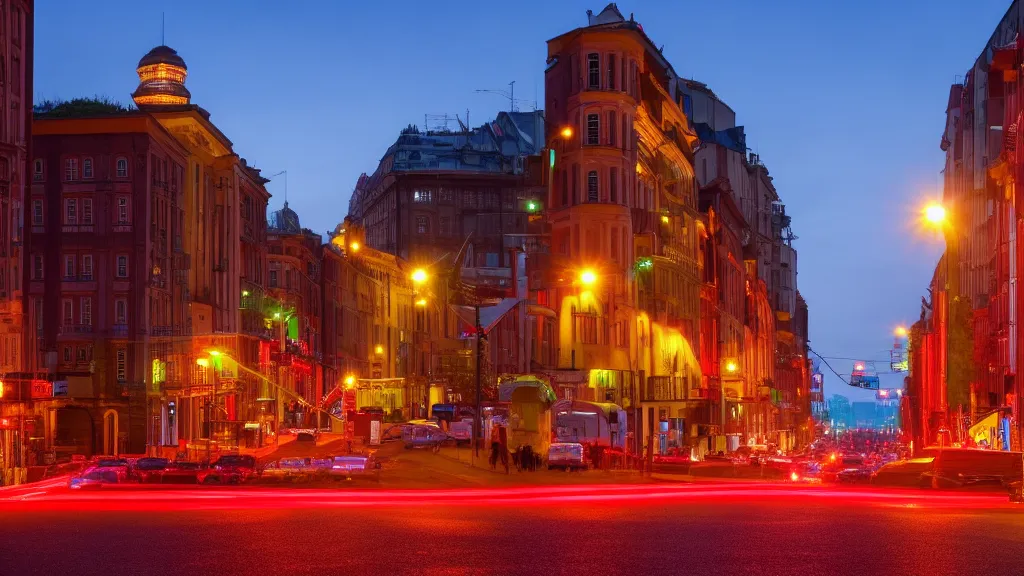
As a regional center for finance and IT, Wiesbaden offers a sophisticated urban experience. The average salary of $3,445.10 and rent of $998.11 reflect its status as an affluent spa town. While automation may shift the labor market toward high-skilled roles, the city’s timeless appeal as a tourism and wellness destination ensures a steady economic flow and a high standard of living.
Local Flavor: Sample Spundekäs, a creamy, spiced cheese dip typically served with pretzels and local Riesling wine.
Hidden Gem: Ride the Neroberg Funicular Railway, one of the few water-ballast-driven funiculars remaining in the world, to see the stunning Russian Orthodox Church.
🏆 Ranking Score: 70/100
Editorial Note: Our 2026 analysis incorporates forward-looking metrics including Maglev transportation potential, Brise-soleil architectural efficiency, and Sulfur-scrubber environmental data to ensure your move is future-proof.
EDITOR'S ADVICE: When relocating to Germany, don't just look at the salary-to-rent ratio; consider the "Warmmiete" (rent including utilities), as energy efficiency ratings in 2026 are becoming the primary driver of monthly housing costs.