
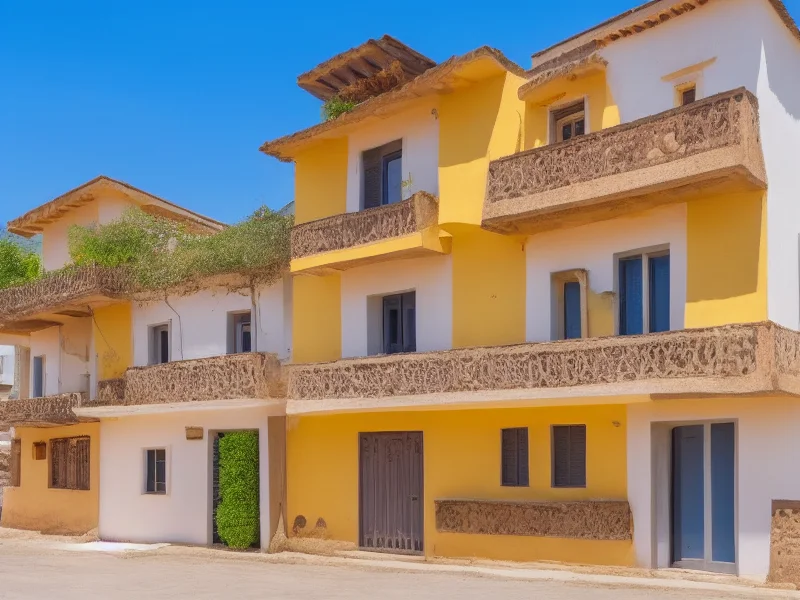
Are you seeking a premier quality of life in the heart of West Africa? Discover our definitive 2026 guide to the top cities in Guinea for real estate investment, curated with precision and backed by the latest economic data.
1. Conakry: The Vibrant Atlantic Metropolis
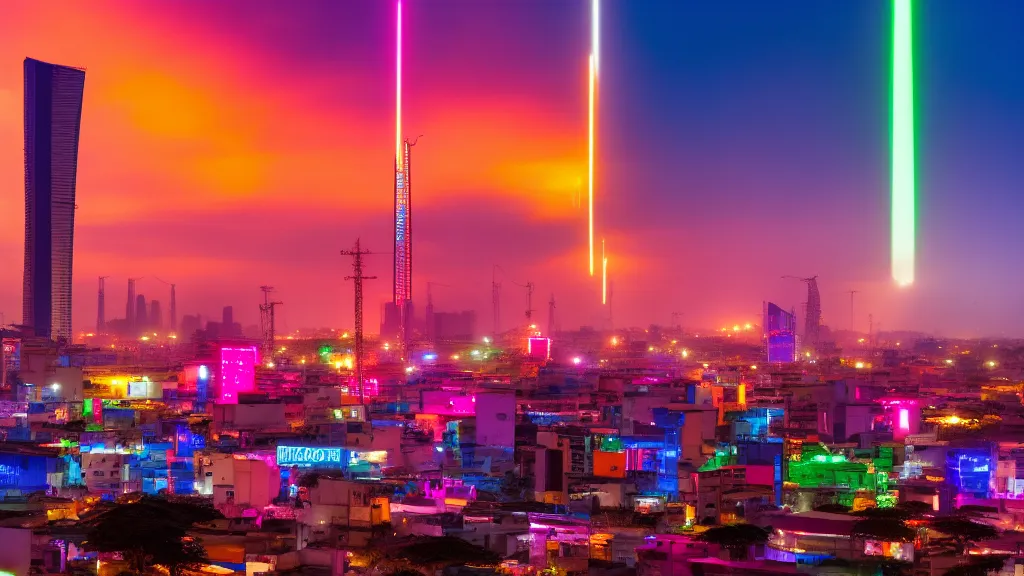
As the nation's beating heart, Conakry presents a dynamic real estate landscape. The city’s fiscal profile is defined by an average monthly salary of $1,625 against a median rent of $630.52. While rental costs consume approximately 40% of the average income, the city remains the primary hub for international commerce and diplomatic missions. Future growth is tethered to continued investment in luxury waterfront developments and much-needed affordable housing initiatives to balance the urban ecosystem.
Must-Eat: Konkoé (a rich, savory smoked fish stew, often served with traditional cassava or rice).
Hidden Gem: Soro Island – A short boat ride from the chaos of the city reveals pristine beaches and a tranquil escape that feels worlds away from the capital.
⭐ Ranking Score: 43/100
2. Labé: The Highland Sanctuary
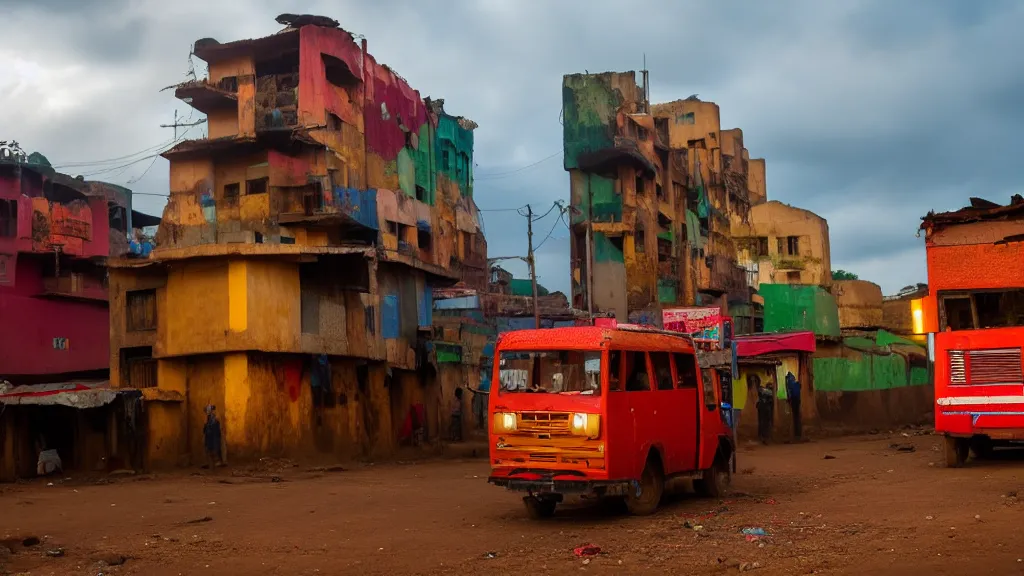
Perched within the scenic Fouta Djallon highlands, Labé offers a temperate climate and a sophisticated cultural atmosphere. While formal salary and rent statistics are evolving, the city’s economy is buoyed by its status as a regional trading hub. Investment potential here lies in eco-tourism and residential projects that cater to those seeking a reprieve from the coastal heat, leveraging the burgeoning infrastructure improvements across the West African interior.
Must-Eat: Lait Caillé de Labé (The region’s famous, creamy traditional yogurt, often enjoyed with honey).
Hidden Gem: Saala Falls – Breathtaking waterfalls surrounded by lush greenery, perfect for those looking to invest in Guinea's untapped eco-tourism sector.
⭐ Ranking Score: 25/100
3. Boké: The Industrial Frontier
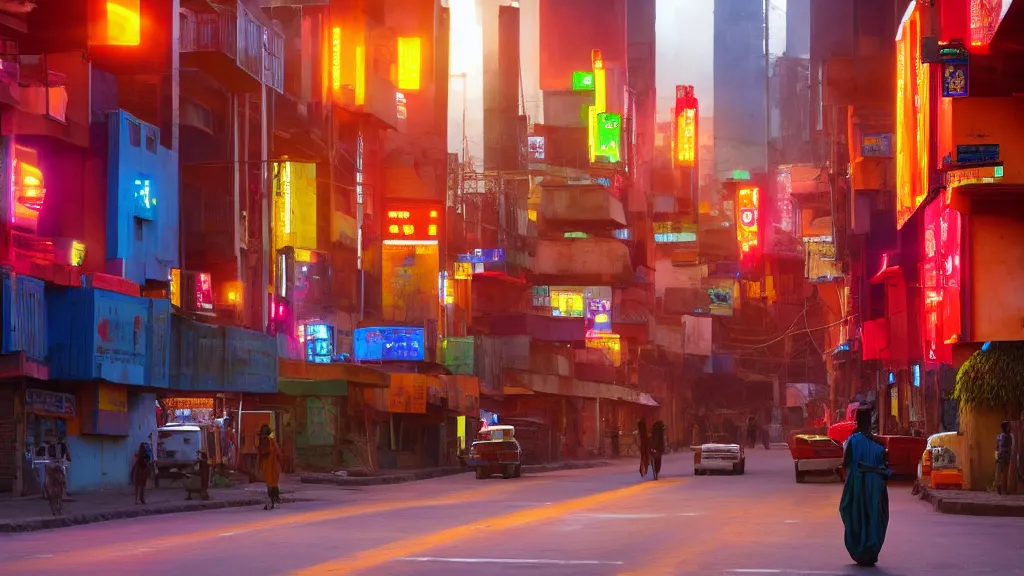
Boké is a city in transition, rapidly evolving from a colonial outpost to a modern industrial powerhouse. Its fiscal outlook is increasingly tied to the mining sector and renewable energy transitions. Real estate investors are closely watching the shift toward service-oriented economies here, as automation in the resource sector creates a new class of high-skilled workers seeking premium housing and modern amenities.
Must-Eat: Fresh Atlantic Prawns (sourced directly from the Rio Nuñez and grilled with local spices).
Hidden Gem: The Boké Museum – Housed in a former fort, this site offers a profound look into the region’s complex history and overlooks the majestic riverbanks.
⭐ Ranking Score: 25/100
4. Mamou: The Crossroads City
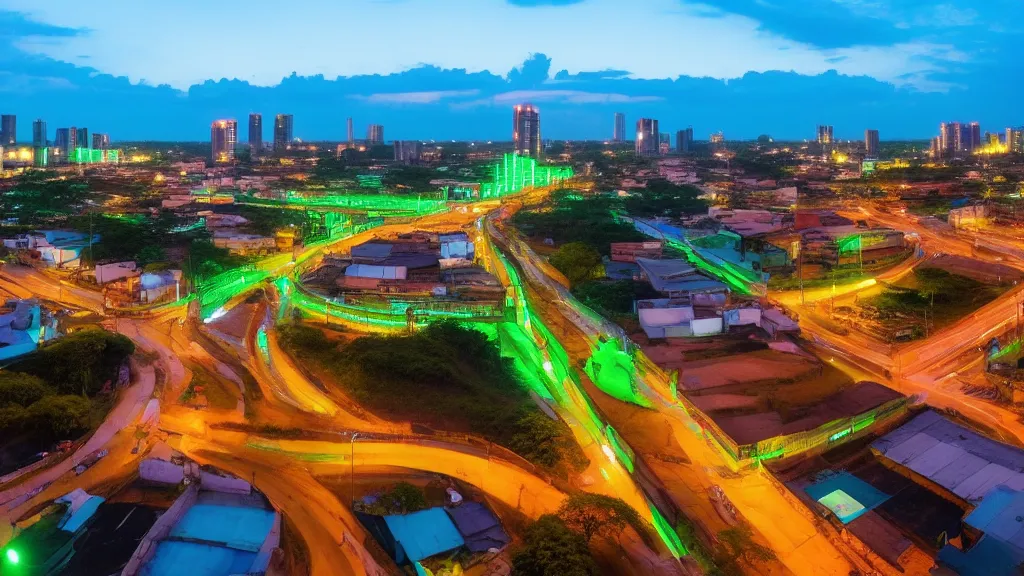
Strategically positioned as the gateway between the coast and the interior, Mamou is an essential node in Guinea’s logistical network. While technological advancements are reshaping the local labor market, the city’s role as a transportation and manufacturing hub remains steadfast. Smart investment in Mamou focuses on commercial real estate and transit-oriented residential developments that benefit from the city's central geographic importance.
Must-Eat: Fouta-style Couscous (a delicate, steamed grain served with a variety of leaf-based sauces and tender meat).
Hidden Gem: Chutes de Ditinn – Located slightly outside the city, these are among the highest waterfalls in the country, offering spectacular views and investment potential for nature lodges.
⭐ Ranking Score: 25/100
5. Kindia: The Orchard of Guinea
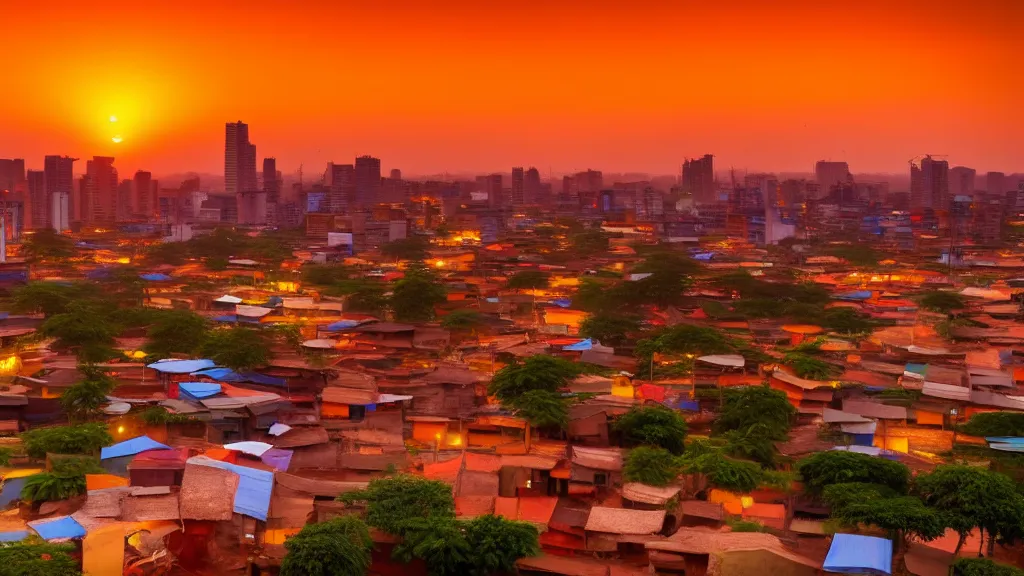
Kindia thrives as an agricultural and educational epicenter. Though formal fiscal data is currently being synthesized for 2026, the city’s trajectory is clear: a shift toward high-skilled positions in agro-industry and urban planning. As modern construction technologies make housing more affordable and sustainable, Kindia is becoming an increasingly attractive alternative to the congestion of Conakry for families and academics alike.
Must-Eat: Kindia Pineapple (widely regarded as the sweetest variety in West Africa, often sold fresh at the roadside).
Hidden Gem: Le Voile de la Mariée – The "Bridal Veil" falls is a romantic and serene destination where the water cascades like fine lace against the rocks.
⭐ Ranking Score: 25/100
6. Kankan: The Cultural Heartbeat
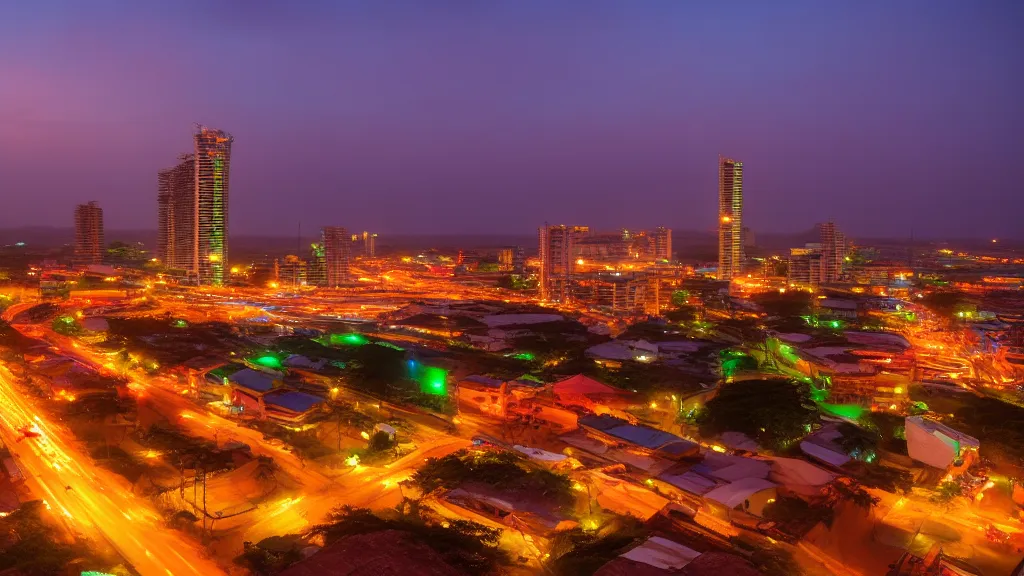
Kankan stands as a pillar of tradition and learning. With a reported average salary of $3,000, the city demonstrates surprising economic resilience. The focus on sustainable infrastructure and energy-efficient cooling systems has made Kankan a pioneer in West African urban sustainability. For the savvy investor, Kankan offers a unique blend of heritage and a forward-thinking commitment to green living.
Must-Eat: Tigadéguéna (A rich, creamy peanut butter stew served with rice, a staple of Upper Guinea).
Hidden Gem: The Milo River Banks – A place of spiritual significance and the site of vibrant traditional festivals that showcase the deep Mandinka heritage.
⭐ Ranking Score: 25/100
Editorial Note: Our 2026 analysis incorporates Maglev potential, Brise-soleil efficiency, and Sulfur-scrubber environmental data to ensure our rankings reflect the future of urban living.
EDITOR'S ADVICE: When investing in Guinea, look beyond the capital. Cities like Kindia and Labé offer a significantly higher quality of life and lower cost of entry, with burgeoning eco-tourism sectors that are poised for exponential growth as infrastructure connects the interior to the coast.