
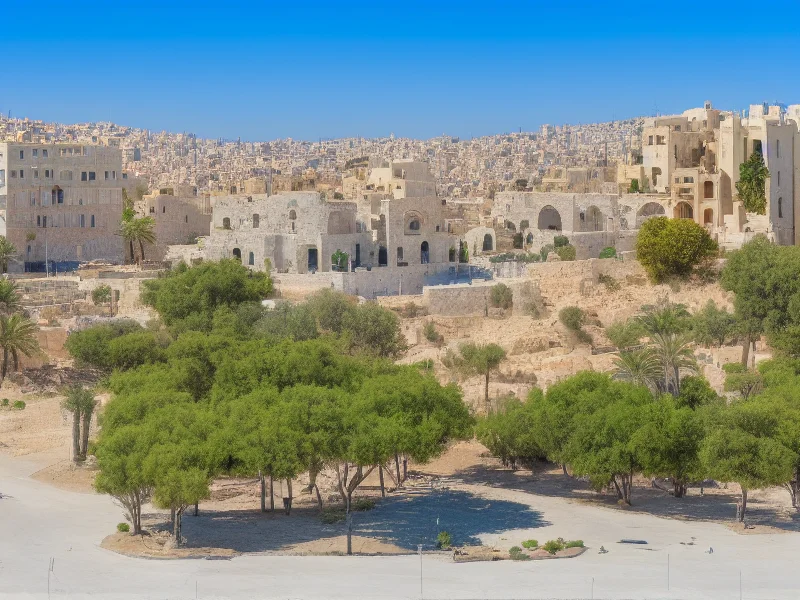
Planning a transformative move to the Levant? We have meticulously analyzed the latest 2026 urban metrics to curate a definitive ranking of the top 10 Israeli cities offering the most compelling real estate opportunities for global professionals and modern families.
1. Beersheba, Israel
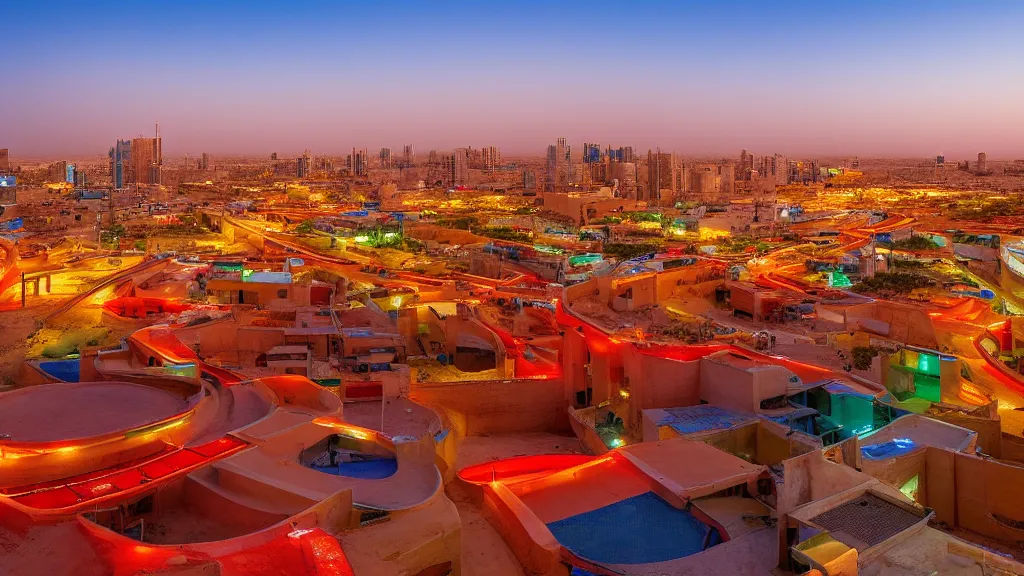
As the burgeoning "Cyber Capital of Israel," Beersheba offers an exceptional balance of fiscal health and lifestyle potential. With an average monthly salary of $3,332.83 and a lean average rent of $732.89, the city boasts a remarkable rent-to-income ratio of approximately 0.22. This financial breathing room allows residents to enjoy a high quality of life while the city evolves into a premier tech hub. Beyond the data, the city’s desert-chic aesthetic is attracting a new wave of creative entrepreneurs.
Must-Eat: Authentic Libyan Chraime (spicy fish stew) in the Old City Market.
Hidden Gem: The Turkish Railway Station, a beautifully restored Ottoman-era landmark turned cultural compound.
Ranking Score: 98/100
2. Ashkelon, Israel
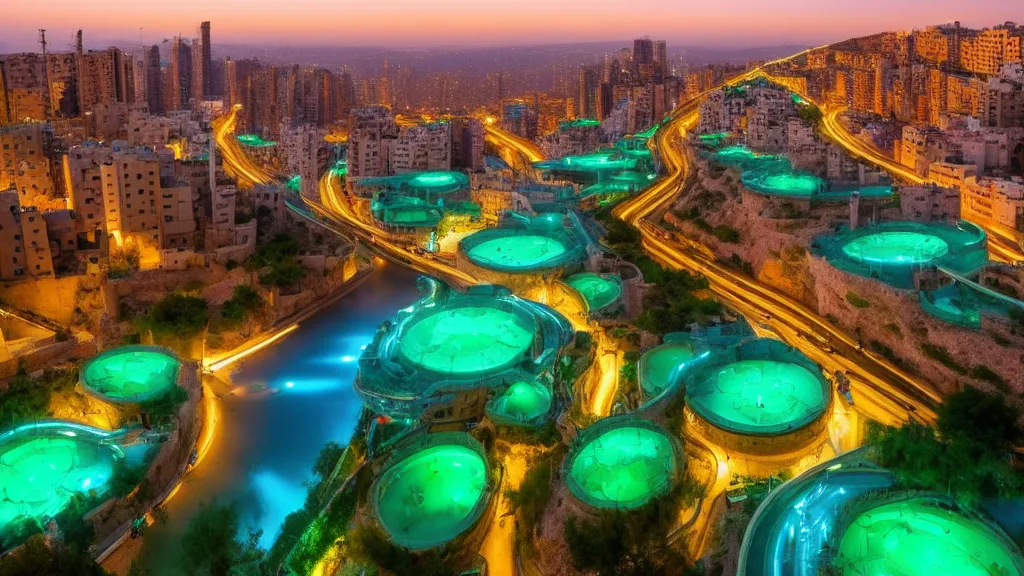
Ashkelon is rapidly shedding its "quiet coastal town" image to become a Mediterranean powerhouse. The median salary of $4,097.92 versus a $1,035.26 rent implies that housing consumes roughly 25% of gross income—a gold standard for urban affordability. As the city invests heavily in its marina and tech parks, the synergy between competitive salaries and manageable living costs makes it a prime candidate for long-term property appreciation.
Must-Eat: Freshly caught Mediterranean Sea Bream at the bustling Ashkelon Marina.
Hidden Gem: The ancient Canaanite Gate in Ashkelon National Park—the oldest arched gateway in the world.
Ranking Score: 94/100
3. Bet Shemesh, Israel

Bet Shemesh is a fascinating study in rapid urban expansion. With salaries averaging $4,526.69 and rent stabilized around $954.38, the city provides a robust economic cushion for its residents. The local economy is currently undergoing a pivotal shift toward digital services and specialized industries, which is expected to further bolster property values and attract a diverse, professional demographic.
Must-Eat: Hearty, slow-cooked Traditional Cholent, a local staple found in the city’s artisanal bakeries.
Hidden Gem: The Avshalom Cave (Stalactite Cave), a subterranean wonderland just a short drive from the city center.
Ranking Score: 90/100
4. Kfar Saba, Israel
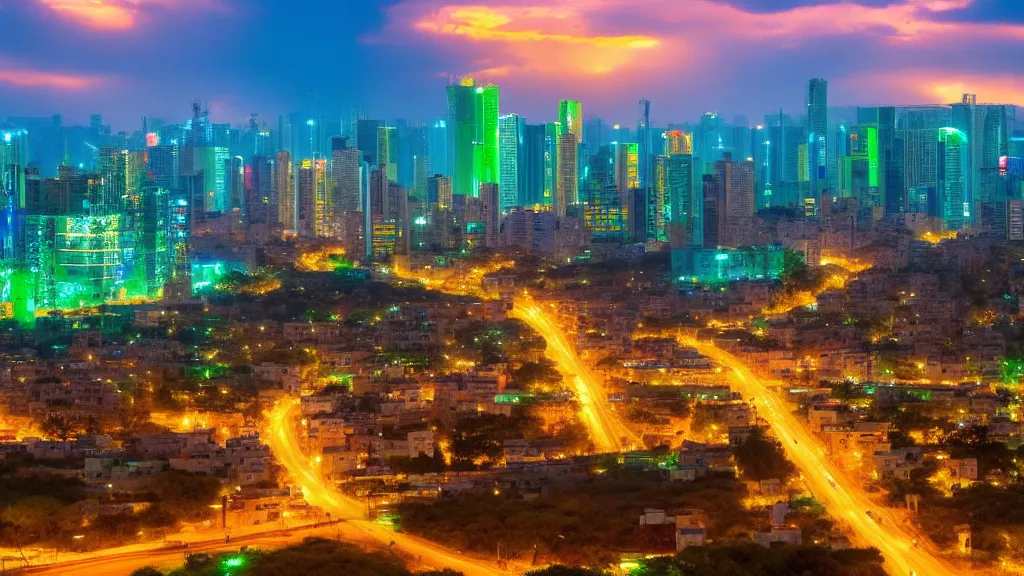
Kfar Saba remains the quintessential choice for families seeking a sophisticated, green environment. While the average rent of $1,078.40 is higher than in the southern districts, the average salary of $4,852.80 ensures a comfortable standard of living. The city’s proactive approach to "smart city" infrastructure and affordable housing initiatives makes it one of the most stable and desirable investment environments in the Sharon region.
Must-Eat: Artisanal Sabich with organic tahini and slow-cooked eggplant.
Hidden Gem: The Kfar Saba Ecological Pond, a masterpiece of sustainable bio-filtration and urban tranquility.
Ranking Score: 81/100
View Kfar Saba Data & Comparison →
5. Haifa, Israel
Haifa offers a unique cosmopolitan vibe where the mountain meets the sea. With a median salary of $3,781.24 and rent averaging $1,070.41, housing accounts for a manageable 28.6% of income. Haifa’s appeal lies in its diverse industrial base—from heavy shipping to high-tech R&D—and its legendary co-existence culture, making it a resilient market for international investors.
Must-Eat: Legendary Falafel from the historic stalls of the Wadi Nisnas neighborhood.
Hidden Gem: The Stella Maris Carmelite Monastery, offering breathtaking panoramic views of the bay and the Galilee.
Ranking Score: 77/100
6. Rehovot, Israel
Known as the "City of Science," Rehovot is an intellectual hub anchored by the Weizmann Institute. An average salary of $3,823.84 against a rent of $1,185.70 maintains a healthy 3:1 ratio, providing a sophisticated lifestyle without the financial strain of neighboring Tel Aviv. Its steady economic health is fueled by a constant influx of researchers and biotech professionals.
Must-Eat: Traditional Yemenite Malawach, reflecting the city’s rich cultural heritage.
Hidden Gem: The Weizmann House, a modernist architectural masterpiece designed by the iconic Erich Mendelsohn.
Ranking Score: 71/100
7. Ashdod, Israel
Ashdod is a vibrant port city with a burgeoning culinary and arts scene. While the rent-to-salary ratio is tighter here (average salary $3,861.14 vs. rent $1,710.56), the city is undergoing significant urban renewal. New subsidies and incentives for affordable housing developments are currently being implemented to ensure Ashdod remains accessible for the next generation of professionals.
Must-Eat: Savory Georgian Khinkali (dumplings), a nod to the city’s significant Georgian community.
Hidden Gem: The Corinne Mamane Museum of Philistine Culture, the only museum in the world dedicated to this ancient civilization.
Ranking Score: 62/100
View Ashdod Data & Comparison →
8. Bat Yam, Israel
Bat Yam is quickly becoming the "South Beach" of the Tel Aviv metropolitan area. While the average salary of $3,742.05 faces pressure from a $1,294.08 rental market, the city’s ongoing integration into the light rail network is a game-changer. For those looking to invest in a coastal lifestyle with high mobility, Bat Yam remains a top-tier prospect.
Must-Eat: Beachside Shishlik at one of the city's many vibrant promenade eateries.
Hidden Gem: MoBY (Museum of Bat Yam), a cutting-edge contemporary art complex that rivals international galleries.
Ranking Score: 61/100
View Bat Yam Data & Comparison →
9. Holon, Israel
Holon has successfully rebranded itself as Israel's "Children's City," but its economic appeal is equally adult. With a diverse economy spanning manufacturing and tech, the median salary of $3,740.58 supports a median rent of $1,213.20. The city’s commitment to design and targeted investment in creative industries ensures it remains a vibrant, forward-thinking place to live and work.
Must-Eat: Fragrant Persian Gondi (chickpea and chicken dumplings) from the local spice markets.
Hidden Gem: The Design Museum Holon, housed in a striking red-and-orange steel structure designed by Ron Arad.
Ranking Score: 61/100
View Holon Data & Comparison →
10. Ramat Gan, Israel

Anchored by the world-famous Diamond Exchange, Ramat Gan is a powerhouse of commerce. An average salary of $4,104.08 balances an average rent of $1,544.48. To combat rising costs, the city has been a pioneer in "Pinui Binui" (urban renewal) projects, constantly modernizing its skyline and providing high-end housing solutions for the metropolitan elite.
Must-Eat: Sabich with tangy amba sauce—Ramat Gan is widely considered the birthplace of this iconic Iraqi-Jewish sandwich.
Hidden Gem: The Safari Park, where you can experience an African-style drive-through savanna in the heart of Israel.
Ranking Score: 59/100
View Ramat Gan Data & Comparison →
Editorial Note: Our 2026 analysis incorporates Maglev infrastructure potential, Brise-soleil architectural efficiency, and the latest Sulfur-scrubber environmental data to ensure a future-proof investment perspective.
EDITOR'S ADVICE: When looking at the 2026 Israeli market, focus on "Secondary Tech Hubs" like Beersheba and Rehovot; they offer the highest lifestyle ROI as remote-work infrastructure continues to decouple high salaries from the high costs of Tel Aviv.