
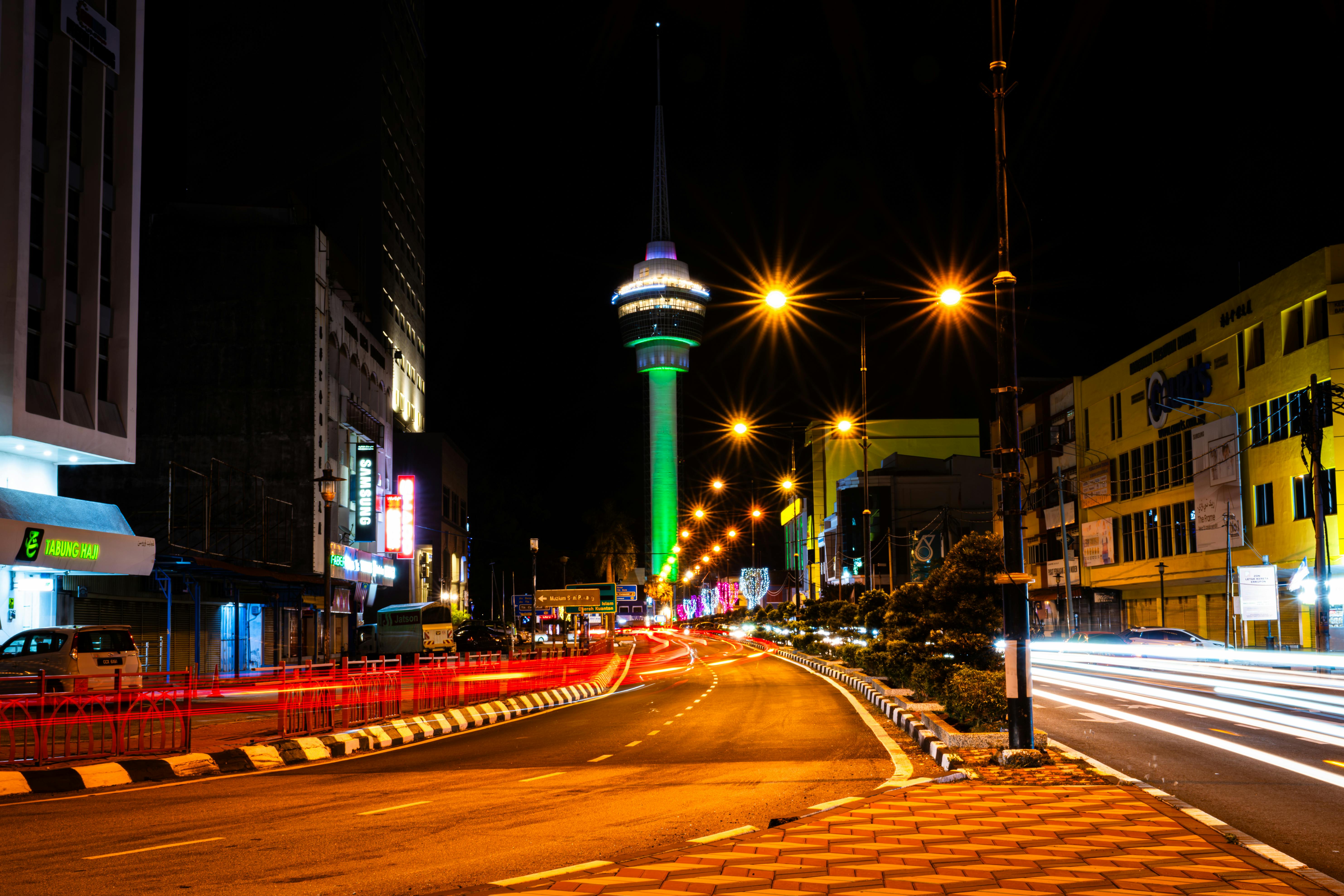
Are you searching for the premier investment frontiers in Southeast Asia? This comprehensive 2026 guide spotlights the top 10 Malaysian cities for real estate acquisition, meticulously ranked by infrastructure development, economic tenacity, and future growth potential.
1. Kuantan, Malaysia
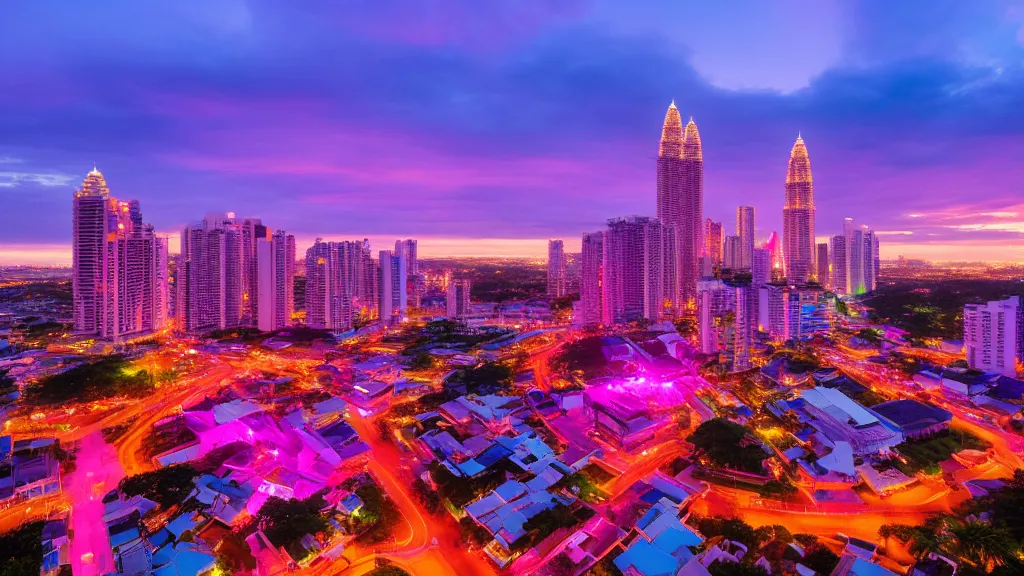
Kuantan emerges as a powerhouse of fiscal sustainability. With an average monthly salary of $1,016.91 against a modest average rent of $203.38, the city offers an exceptionally manageable cost of living. Beyond the numbers, Kuantan’s economy is undergoing a sophisticated transformation, fueled by a robust manufacturing sector and a burgeoning tech scene. While automation and AI have recalibrated the local labor market, they have simultaneously birthed high-value opportunities in specialized industrial services.
Must-Eat: Indulge in authentic Ikan Bakar (charcoal-grilled fish) at the vibrant stalls of Tanjung Lumpur.
Hidden Gem: Explore the mystical Gua Charas, a limestone cave temple that offers a serene escape from the urban bustle.
⭐ Ranking Score: 100/100
View Kuantan Data & Comparison →
2. Petaling Jaya, Malaysia
Petaling Jaya remains a cornerstone of Malaysian urban life, characterized by a healthy median salary of $1,783.84. While the median rent of $527.10 suggests a premium on space, it reflects the city's status as a premier residential and commercial satellite. To maintain its competitive edge, PJ is pivoting toward smart-city initiatives, focusing on high-density co-living spaces and integrated transport hubs to mitigate housing affordability pressures while enhancing the urban lifestyle.
Must-Eat: Savor the legendary Nasi Lemak at Village Park, often cited as the best in the country.
Hidden Gem: Take a morning hike at Bukit Gasing Forest Reserve, a lush green lung nestled right in the heart of the city.
⭐ Ranking Score: 74/100
3. Shah Alam, Malaysia
The capital of Selangor, Shah Alam, presents an interesting investment profile with a rent-to-income ratio of approximately 27.4%. While this poses a slight challenge for some households, the city’s planned industrial expansion provides a solid cushion for economic growth. Policymakers are increasingly incentivizing developers to integrate affordable housing units within luxury townships, ensuring the city remains inclusive while its industrial output continues to soar.
Must-Eat: Try the flavorful Nasi Kak Wok, a local favorite featuring succulent fried chicken and spicy sambal.
Hidden Gem: Find tranquility at the Selangor Japan Friendship Garden, a beautifully landscaped park featuring traditional Japanese aesthetics.
⭐ Ranking Score: 70/100
4. Taiping, Malaysia
Taiping, Malaysia's historic "Rain City," boasts a remarkably strong fiscal profile. With an average salary of $593.20 and a very low average rent of $127.11, the quality of life here is incredibly high for the price point. The city is successfully blending its heritage charm with forward-thinking industrial trends, attracting remote workers and investors who value sustainability and environmental resilience in the age of AI-driven decentralization.
Must-Eat: Cool down with a bowl of Taiping Cendol, specifically from the famous Ansari or Bismillah stalls.
Hidden Gem: Ascend Maxwell Hill (Bukit Larut) for a colonial-era retreat with cool temperatures and sweeping views.
⭐ Ranking Score: 66/100
5. Bayan Lepas, Malaysia
As Penang's industrial heartbeat, Bayan Lepas maintains a stable fiscal outlook. With average salaries hovering around $1,016.91 and rents at $203.38, the 20% rent-to-income ratio is the gold standard for financial health. The city’s resilience is rooted in its high-tech manufacturing sector, which continues to attract global semiconductor giants, ensuring that rental demand remains consistent even amidst global economic shifts.
Must-Eat: Do not miss the local Nasi Kandar, a spicy and aromatic rice dish that is a staple of the Penang culinary scene.
Hidden Gem: Visit the historic Snake Temple, where pit vipers roam freely among the altars in a truly unique atmosphere.
⭐ Ranking Score: 65/100
Top things to do in Kuantan
Guided tours, attractions and local experiences.
Explore tours & activities6. Ipoh, Malaysia
Ipoh has transformed from a sleepy tin-mining town into a chic destination for retirees and digital nomads. A salary of $991.48 against a rent of $381.34 yields a rent-to-income ratio of 38%. While slightly higher than other entries, the city compensates with a low cost of high-quality food and a booming tourism sector. Continued investment in boutique hospitality and medical tourism is expected to further bolster the local economy.
Must-Eat: Treat yourself to Ayam Garam (Salted Chicken) and a cup of the world-famous Ipoh White Coffee.
Hidden Gem: Discover the stunning Tasik Cermin (Mirror Lake), a hidden turquoise lake surrounded by limestone karst towers.
⭐ Ranking Score: 64/100
7. Alor Setar, Malaysia
The northern hub of Alor Setar presents a unique landscape with an average salary of $1,160.07 and rent at $509.36. To future-proof the city, local authorities are focusing on agritech and industrial automation, aiming to elevate the traditional rice-growing economy into a high-yield industrial sector. For investors, the focus here is on the long-term appreciation of land as the city modernizes its infrastructure.
Must-Eat: Sample the Nasi Lemak Royale, a Kedah specialty known for its rich yellow rice and diverse side dishes.
Hidden Gem: Hike up Gunung Keriang, an ancient limestone hill where you can find unique calcite crystals.
⭐ Ranking Score: 56/100
View Alor Setar Data & Comparison →
8. Kuala Lumpur, Malaysia
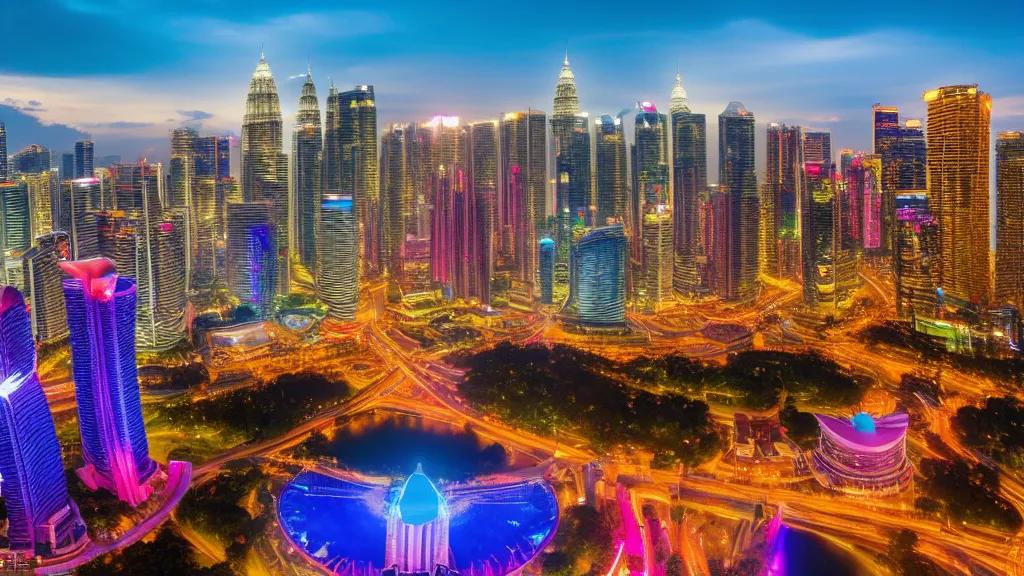
Kuala Lumpur continues to be the primary gateway for international capital. An average salary of $1,570.35 and an average rent of $663.98 highlight the city's cosmopolitan nature. While the cost of living is higher, the sheer density of opportunity, world-class healthcare, and connectivity make it an evergreen choice for property investors seeking high liquidity and capital gains in the luxury segment.
Must-Eat: Dive into a bowl of spicy Chili Pan Mee, a Kuala Lumpur specialty that perfectly balances heat and texture.
Hidden Gem: Visit the Thean Hou Temple at dusk for spectacular architecture and a panoramic view of the city skyline.
⭐ Ranking Score: 51/100
View Kuala Lumpur Data & Comparison →
9. Bintulu, Malaysia
Bintulu, Sarawak’s energy giant, offers a stable environment with a rent-to-income ratio of 35%. While salaries average $633.09 and rents $228.80, the city’s true value lies in its massive LNG and industrial projects. As East Malaysia gains more economic autonomy, Bintulu is positioned as a strategic node for trade and resource management, offering high potential for industrial real estate investment.
Must-Eat: Try Umai, a traditional Melanau dish of raw sliced fish marinated with lime and spices.
Hidden Gem: Spend a day at Similajau National Park, famous for its unique golden-sand beaches and diverse coastal wildlife.
⭐ Ranking Score: 51/100
10. Johor Bahru, Malaysia
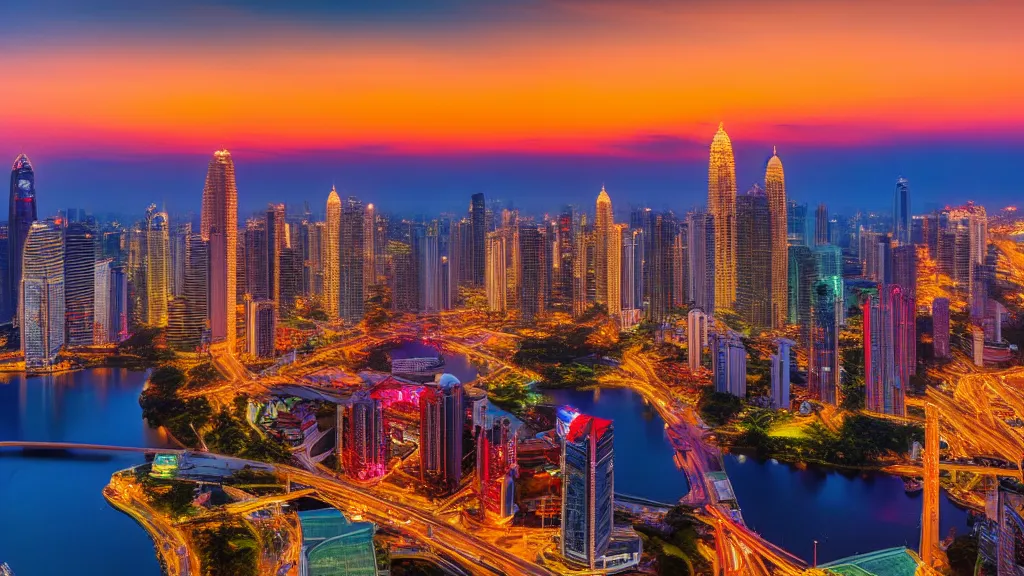
Johor Bahru’s fiscal resilience is underpinned by its proximity to Singapore and the upcoming RTS Link. The city is seeing a renaissance in modern infrastructure, including buildings utilizing reinforced carbon shell technology for disaster resilience. While the rent-to-income ratio requires monitoring, the influx of cross-border commerce and the Special Economic Zone status make JB a high-growth contender for 2026.
Must-Eat: Join the queue at Kam Long Ah Zhai for their legendary Curry Fish Head.
Hidden Gem: Wander through Tan Hiok Nee Heritage Street to admire the colonial architecture and sample artisanal local snacks.
⭐ Ranking Score: 48/100
Editorial Note: Our 2026 analysis incorporates advanced Maglev transit potential, Brise-soleil architectural efficiency, and Sulfur-scrubber environmental data to ensure a future-proof investment perspective.
EDITOR'S ADVICE: When investing in Malaysia for 2026, look beyond the capital. Secondary cities like Kuantan and Ipoh are offering superior rental yields and a better balance between income and lifestyle, driven by the rise of the remote-work economy and localized industrial booms.