
Are you seeking the most promising real estate frontiers in Mexico? This definitive 2026 guide explores the top 10 cities poised for significant investment returns, evaluated through the lens of infrastructure evolution and long-term economic fortitude.
1. Zacatecas, Mexico

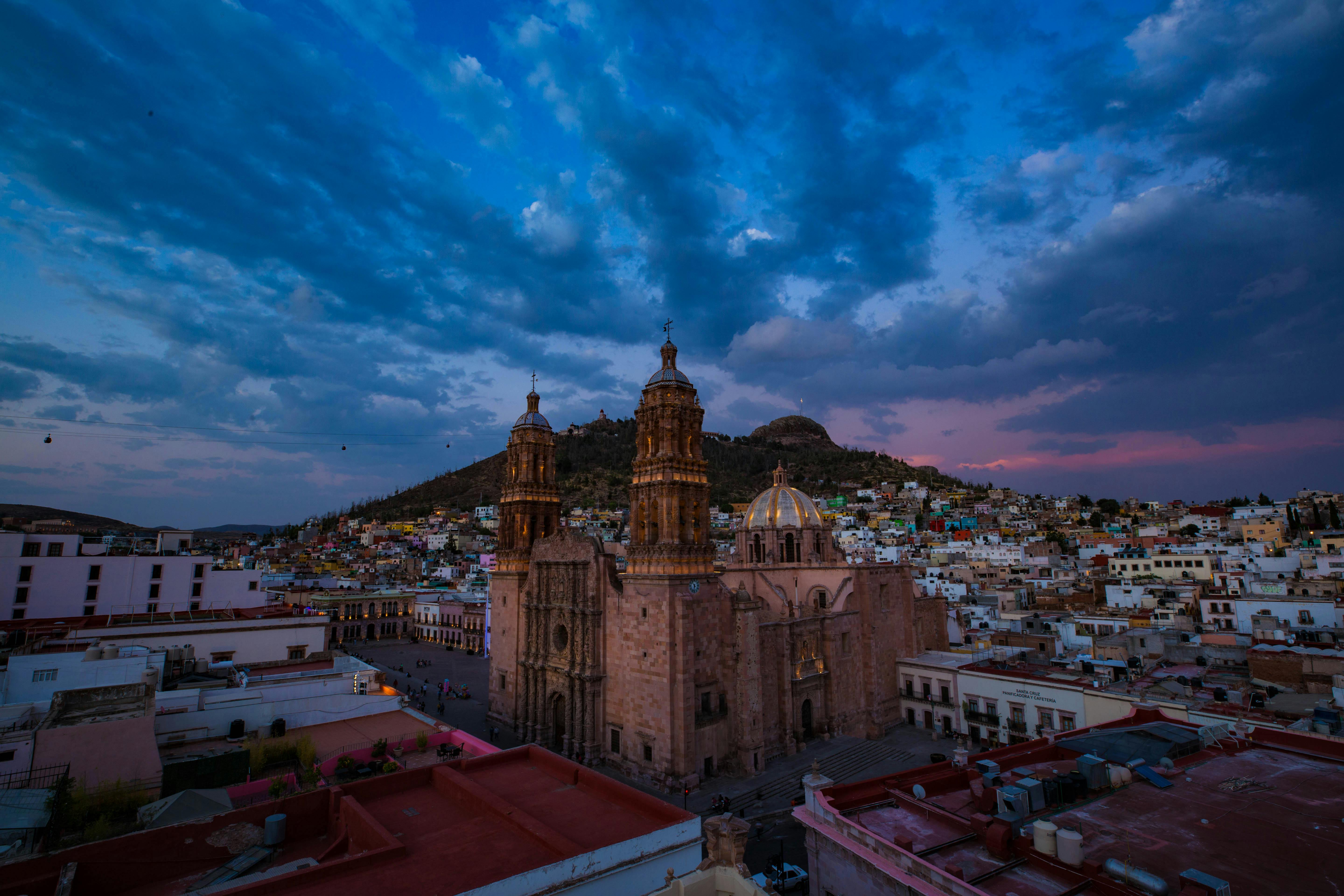
Zacatecas stands as a titan of affordability and potential, boasting a favorable balance between an average monthly salary of $905.07 and a remarkably low average rent of $259.97. While current figures suggest a comfortable standard of living, the city's future is even brighter. As we look toward the 2026 horizon, the region is pivoting from its silver-mining heritage toward renewable energy and advanced manufacturing. This industrial shift is expected to catalyze wage growth, making it a prime target for early-mover investors.
Must-Eat: Asado de Boda (a rich, celebratory pork stew in a savory chocolate-tinged chili sauce).
Hidden Gem: Mina El Edén—an extraordinary underground mine turned museum that features a stunning subterranean nightclub.
⭐ Ranking Score: 82/100
View Zacatecas Data & Comparison →
2. Xalapa, Mexico
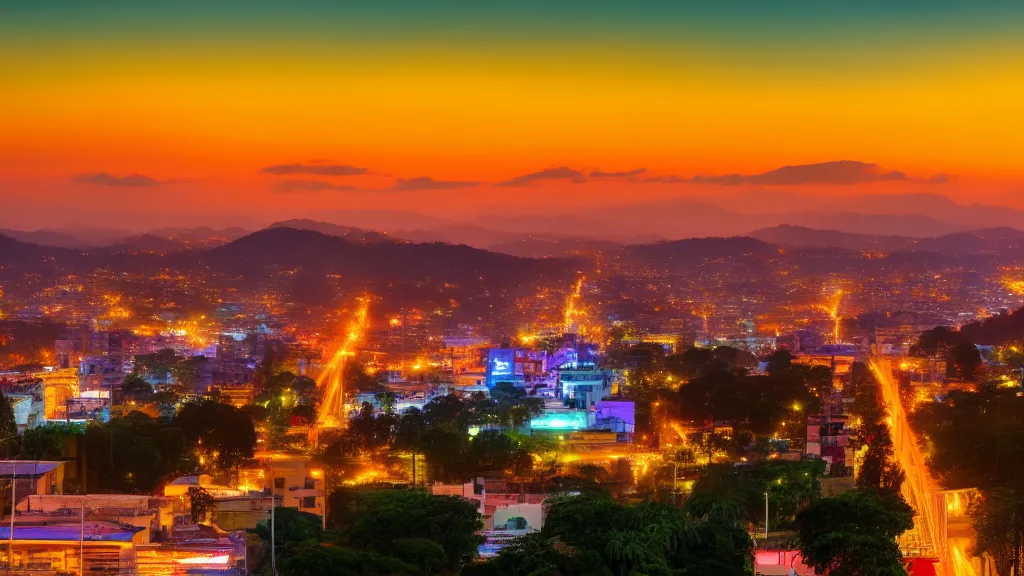
The fiscal narrative of Xalapa is defined by its steady equilibrium, with average salaries hovering at $826.38 against rents of $281.38. Known as the "Athens of Veracruz" for its vibrant cultural scene, Xalapa is increasingly becoming a magnet for high-tech industries. The demand for skilled labor is rising, and while urban development may eventually push rent prices upward, the city remains one of the most stable bets for those seeking a blend of intellectual culture and economic growth.
Must-Eat: Chilaquiles con salsa de chile seco (a local spicy twist on the classic breakfast dish).
Hidden Gem: Macuiltépetl Ecological Park—an ancient volcanic hill offering panoramic views and lush hiking trails in the heart of the city.
⭐ Ranking Score: 54/100
3. Toluca, Mexico
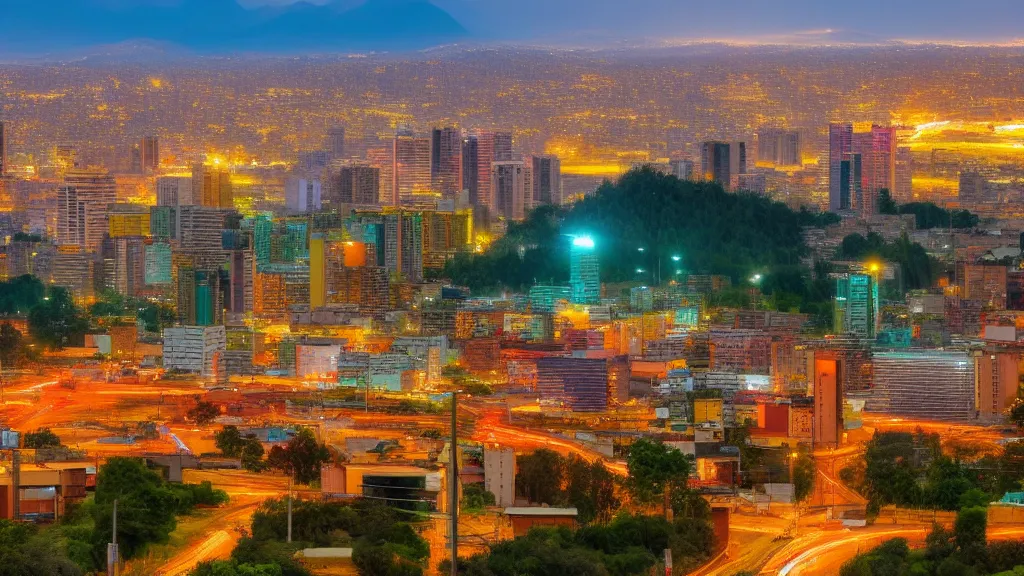
Toluca offers a more high-stakes environment with an average salary of $1,347.97 and rents averaging $712.50. Its proximity to Mexico City makes it an industrial powerhouse, yet the higher cost of living requires careful financial navigation. For investors, the focus here is on the burgeoning industrial automation sector. While the current savings margin is tighter for residents, the city's role as a logistics hub ensures that property values remain resilient.
Must-Eat: Chorizo Verde (a unique green sausage flavored with pumpkin seeds, cilantro, and green chilis).
Hidden Gem: Cosmovitral Jardín Botánico—a breathtaking botanical garden housed in an Art Nouveau building with massive, intricate stained-glass murals.
⭐ Ranking Score: 46/100
4. Durango, Mexico
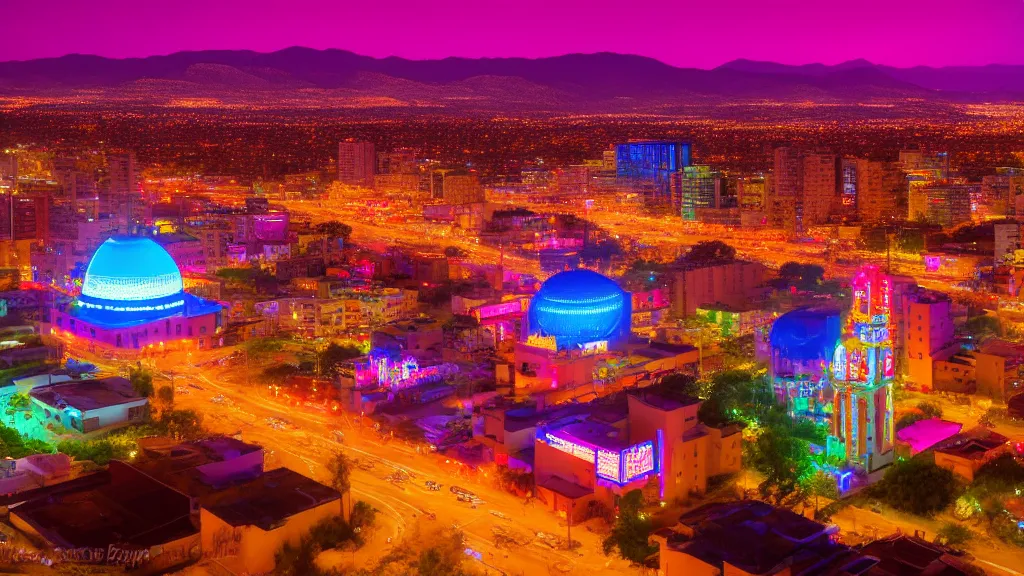
Durango presents a moderate fiscal landscape with a median salary of $566.15 and rent at $317.74. While disposable income is modest, the city is undergoing a transformation. Traditionally famous as a cinematic backdrop for Westerns, Durango is now modernizing its essential services and infrastructure. For the patient investor, subsidies and new wage-increase initiatives make this colonial jewel a "watch-and-wait" opportunity with high upside.
Must-Eat: Caldillo Durangueño (a hearty beef fillet stew prepared with roasted green chilies and garlic).
Hidden Gem: Paseo del Viejo Oeste—a preserved film set where you can experience live Wild West shows and authentic frontier architecture.
⭐ Ranking Score: 43/100
5. Aguascalientes, Mexico
With an average salary of $914.14 and rent at $534.37, Aguascalientes offers a clean, organized urban experience. While housing costs are rising, the city is a manufacturing giant, particularly in the automotive sector. To maintain its competitive edge, local policies are increasingly focused on wage growth to match the rising cost of utilities and healthcare, making it a stable environment for long-term residential real estate.
Must-Eat: Birria de tatemada (slow-roasted, tender goat meat infused with a blend of local spices).
Hidden Gem: Museo Nacional de la Muerte—a fascinating and surprisingly beautiful museum dedicated to the iconography of death in Mexican culture.
⭐ Ranking Score: 37/100
Top things to do in Zacatecas
Guided tours, attractions and local experiences.
Explore tours & activities6. Culiacán, Mexico
Culiacán maintains a moderate cost of living with a $739.48 salary vs. $388.70 rent. Despite its economic productivity as an agricultural hub, the city faces challenges regarding security perceptions, which is reflected in its ranking score. However, for those looking at the 2026 outlook, the city’s investment in private security infrastructure and urban beautification projects is beginning to reshape its residential appeal.
Must-Eat: Aguachile (fresh shrimp submerged in a liquid of lime juice, salt, cilantro, and fiery chiltepín peppers).
Hidden Gem: Jardín Botánico Culiacán—an impressive fusion of world-class contemporary art installations and exotic botanical species.
⭐ Ranking Score: 36/100
7. Guanajuato, Mexico
In the UNESCO World Heritage city of Guanajuato, the rent-to-income ratio is tighter ($750.80 salary vs. $552.65 rent). However, this city is far more than just a tourist destination. It is rapidly evolving into a hub for AI and robotics. These high-tech sectors are drawing a new generation of high-earning professionals, suggesting that while current affordability is squeezed, the appreciation of property value is on a steep upward trajectory.
Must-Eat: Enchiladas Mineras (tortillas dipped in guajillo chili sauce, served with carrots, potatoes, and plenty of ranchero cheese).
Hidden Gem: Templo de la Valenciana—an architectural masterpiece featuring an ultra-ornate churrigueresque altar made of pure gold leaf.
⭐ Ranking Score: 36/100
View Guanajuato Data & Comparison →
8. Hermosillo, Mexico
Hermosillo’s current economic climate is tight, with a median salary of $928.69 and rent at $641.25. However, its strategic proximity to the U.S. border makes it an indispensable player in the "nearshoring" boom. City planners are aggressively courting high-tech industries to boost the median income, making it an intriguing option for investors who believe in the city’s role as a cross-border technological bridge.
Must-Eat: Sonoran-style Carne Asada (widely considered the best beef in Mexico, grilled over mesquite wood).
Hidden Gem: Cerro de la Campana—a viewpoint shaped like a bell that offers the most spectacular sunsets over the desert city landscape.
⭐ Ranking Score: 35/100
9. Pachuca, Mexico
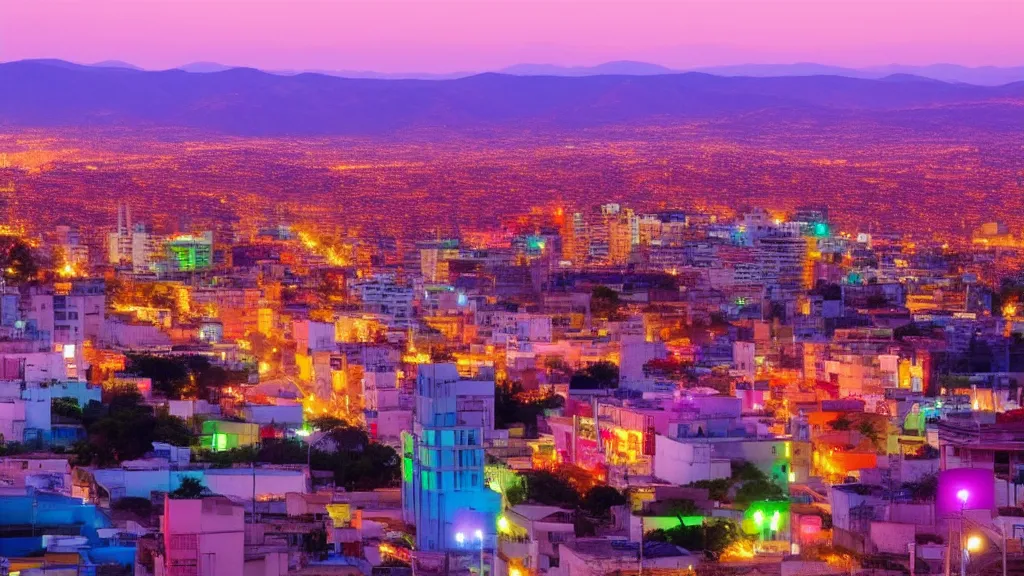
Pachuca offers a compelling case for affordability, with a $691.85 salary and a very accessible $422.80 rent. The "Windy City" is seeing steady industrial growth due to advancements in tech-driven manufacturing. Its lower barrier to entry compared to Mexico City (just 90 minutes away) makes it a burgeoning satellite city with significant long-term potential for residential development.
Must-Eat: Pastes (a local legacy of Cornish miners; savory pastries filled with meat, potatoes, or sweet fillings).
Hidden Gem: Prismas Basálticos—magnificent geometric basalt columns located just a short drive away in Huasca de Ocampo.
⭐ Ranking Score: 33/100
10. San Luis Potosí, Mexico
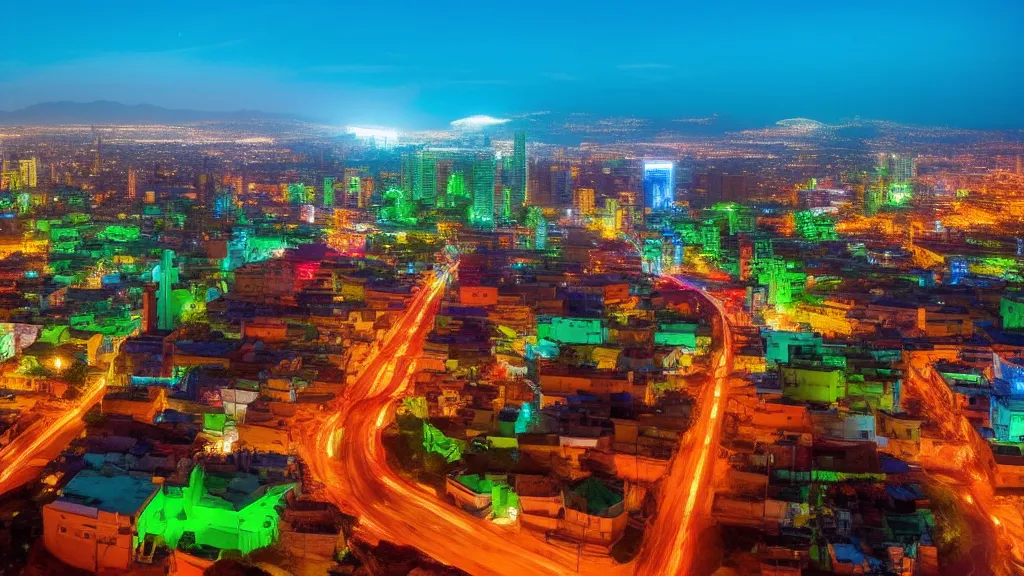
Rounding out the list is San Luis Potosí, where a $914.24 salary meets a $681.69 rent. While disposable income is currently narrow, the city is a critical node in Mexico's manufacturing belt. Government initiatives are currently targeting rent controls and salary incentives to attract more international talent. For investors, the colonial charm and industrial backbone provide a dual-layered security for property investments.
Must-Eat: Enchiladas Potosinas (made with masa infused with chili, filled with cheese, and served with refried beans).
Hidden Gem: Cerro de San Pedro—a ghost town with a rich mining history, now home to bohemian cafes and stunning ruins.
⭐ Ranking Score: 28/100
View San Luis Potosí Data & Comparison →
Editorial Note: Our 2026 analysis incorporates advanced metrics including Maglev transport potential, Brise-soleil architectural efficiency in new builds, and Sulfur-scrubber environmental data for industrial zones.
EDITOR'S ADVICE: While the numbers favor cities like Zacatecas for immediate cash flow, always look for "Cultural Capital." Cities like Xalapa and Guanajuato often see higher long-term property appreciation because their lifestyle appeal attracts the growing "digital nomad" and tech-professional class, which is less sensitive to local salary fluctuations.