
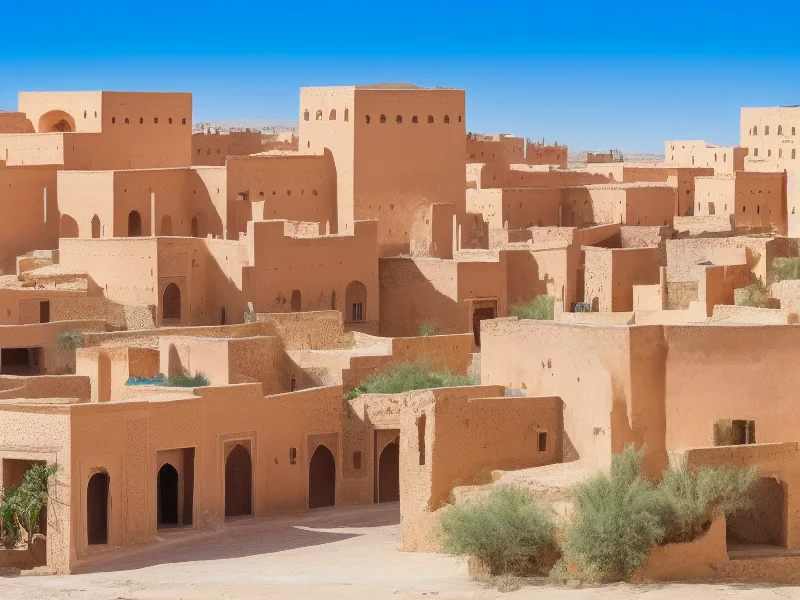
Contemplating a fresh start in the Kingdom of the West? We have analyzed the definitive 2026 urban metrics to rank the top 10 Moroccan cities offering the most compelling real estate investment opportunities for global professionals and modern families alike.
1. Taza, Morocco
Our fiscal sustainability assessment highlights Taza as a premier choice for budget-conscious investors. With an average monthly salary of $531.48 against a remarkably low rent of $108.20, the city offers an enviable quality of life. Taza is currently pivoting toward a high-tech future; the local labor market is seeing a surge in digitization and renewable energy initiatives, positioning it as a resilient hub for advanced manufacturing.
Must-Eat: Authentic Berber Tagine prepared with locally sourced Taza almonds and mountain honey.
Hidden Gem: The Friouato Caves, one of the deepest and most breathtaking cavern systems in North Africa.
⭐ Ranking Score: 95/100
2. Beni Mellal, Morocco
Nestled at the foot of the Middle Atlas, Beni Mellal maintains a stable economic profile. With an average salary of $437.52 and rents hovering around $175.01, the rent-to-income ratio remains a healthy 0.4. This balance allows residents to enjoy a comfortable lifestyle without significant financial overextension. Investors should keep a close eye on the city’s burgeoning agricultural processing sector, which continues to drive steady wage growth.
Must-Eat: Freshly squeezed juice from the famous Beni Mellal orange groves, renowned for their sweetness.
Hidden Gem: The Ain Asserdoun Spring, a lush garden oasis featuring cascading waterfalls and a historic hilltop kasbah.
⭐ Ranking Score: 57/100
3. Ben Guerir, Morocco
Known as Morocco's "Green City," Ben Guerir is a focal point for innovation. While the median salary of $324.61 and rent of $162.31 suggest that residents spend nearly half their income on housing, this figure reflects the high demand for proximity to the Mohammed VI Polytechnic University (UM6P). Future infrastructure projects and subsidized housing initiatives are expected to mitigate these costs as the city evolves into a global tech powerhouse.
Must-Eat: Mechoui (slow-roasted lamb) prepared in traditional underground clay ovens.
Hidden Gem: The architectural marvel of the UM6P Campus, designed by world-renowned architects to blend modernity with Saharan aesthetics.
⭐ Ranking Score: 49/100
4. Safi, Morocco
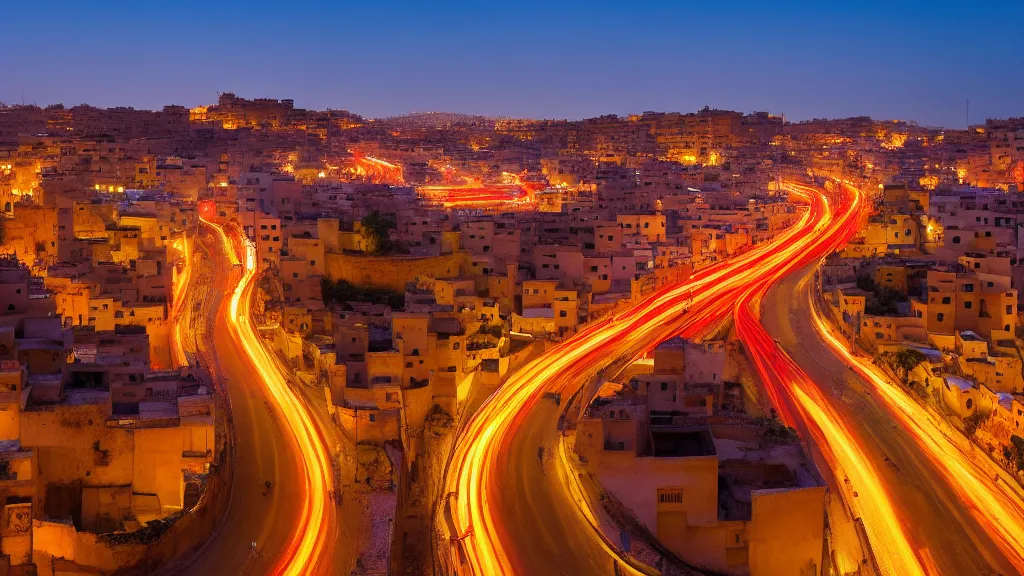
The Atlantic port of Safi presents a balanced economic landscape with a salary average of $468.88 and rents at approximately $262.40. As a major center for the phosphate industry and ceramics, the city offers a stable industrial foundation. The cost of living remains moderate, though savvy investors should account for global export trends and environmental social governance (ESG) shifts within the local maritime sector.
Must-Eat: Safi Sardines—specifically the grilled "Sardine Balls" seasoned with cumin and harissa, a local coastal specialty.
Hidden Gem: The Portuguese Cathedral, a 16th-century Manueline-style ruin that stands as a silent witness to Safi's colonial history.
⭐ Ranking Score: 43/100
5. Salé, Morocco

Salé, Rabat’s historical twin city, is rapidly modernizing. With an average salary of $413.99 and rent of $216.41, it offers a more affordable alternative to the capital while maintaining excellent connectivity via the Bouregreg tramway. The city is currently benefiting from the spillover effect of Rabat's diplomatic and administrative growth, though automation in the manufacturing zones is a key trend to monitor for future labor stability.
Must-Eat: Salé-style Sellu, a nutritious and sweet nutty paste made of toasted flour, honey, and sesame.
Hidden Gem: The Abul Hassan Medersa, an exquisitely carved 14th-century religious school hidden within the ancient medina.
⭐ Ranking Score: 42/100
6. Meknes, Morocco
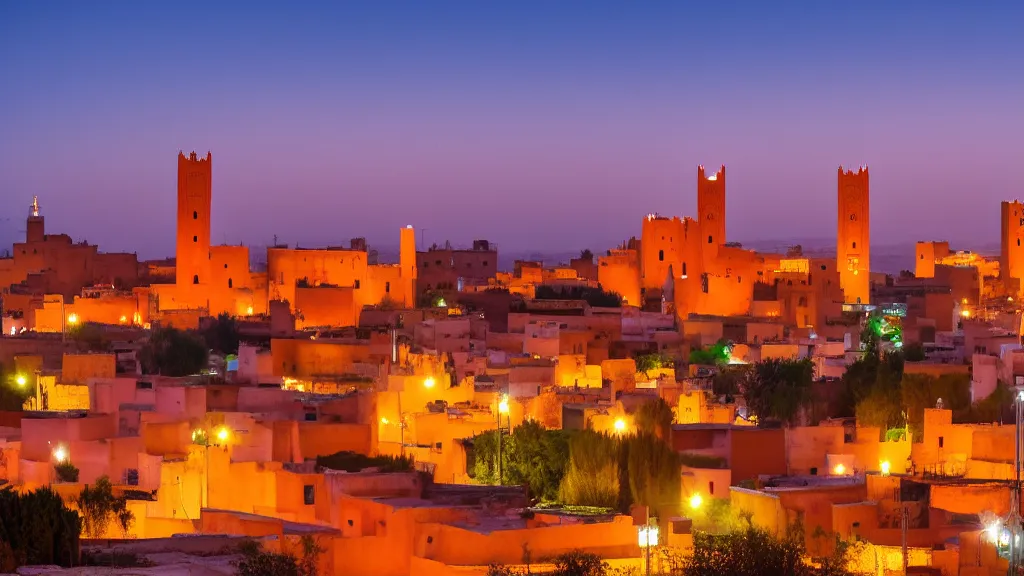
The Imperial city of Meknes continues to offer a balanced economic climate, with salaries averaging $498.88 and rents at $284.04. The city is successfully transitioning toward technology-driven services and agro-industry automation. This shift is attracting a new generation of professionals who seek the charm of a historic city combined with the benefits of modern economic expansion.
Must-Eat: Khlii, traditional Moroccan preserved meat, often served scrambled with eggs for a hearty breakfast.
Hidden Gem: Heri es-Souani, the massive Royal Stables and granaries of Sultan Moulay Ismail, designed to house 12,000 horses.
⭐ Ranking Score: 40/100
View Meknès Data & Comparison →
7. Tetouan, Morocco
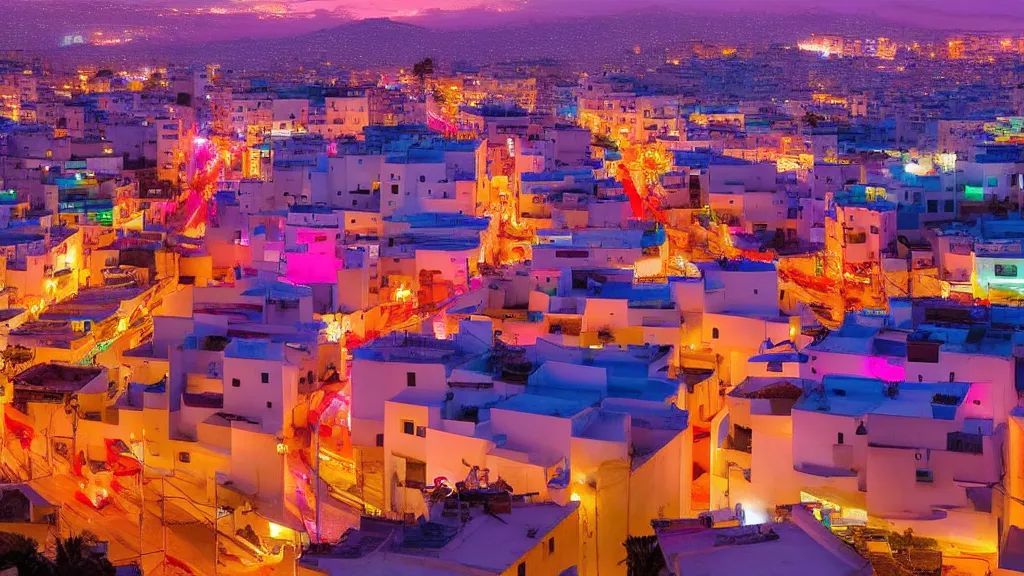
Tetouan’s financial sustainability rests on a salary of $428.49 and a rent of $218.21. With a comfortable 0.5 rent-to-income ratio, the "White Dove" of the north remains a popular choice for those working in the Tanger-Med industrial ecosystem. While current affordability is high, the increasing adoption of automated logistics at nearby ports may shift labor dynamics over the coming decade.
Must-Eat: Tetouani Pastilla, a unique take on the classic Moroccan pie that leans toward a delicate balance of savory and sweet.
Hidden Gem: The Ethnographic Museum at Bab el-Okla, which showcases the refined Hispano-Moorish heritage of the city.
⭐ Ranking Score: 39/100
8. Oujda, Morocco
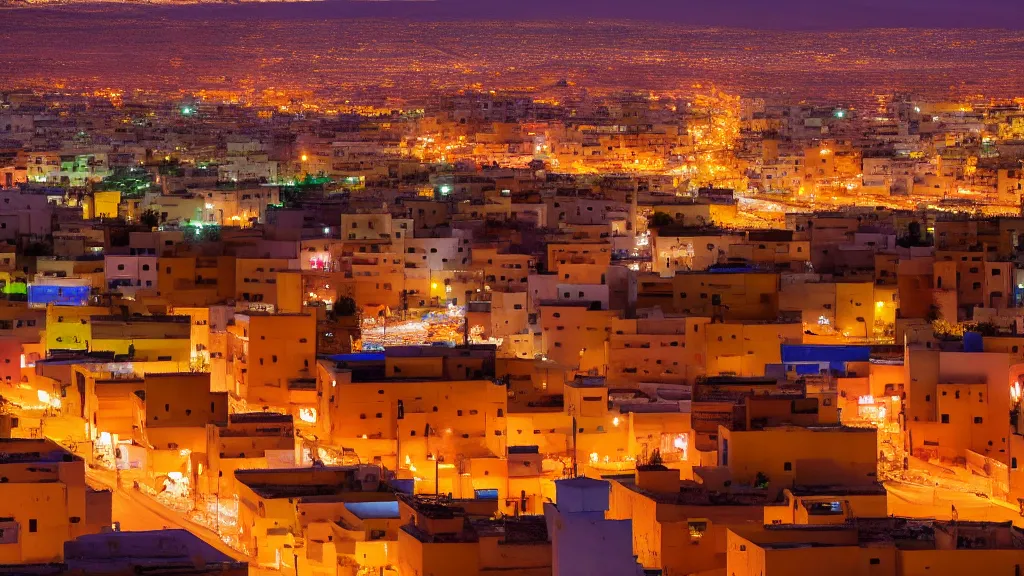
As the gateway to eastern Morocco, Oujda-Angad presents a stable fiscal environment. The average salary of $394.85 and rent of $208.19 puts housing costs at roughly 52% of income—above the ideal 30% threshold. However, recent investments in the "Technopole d'Oujda" are expected to diversify the economy and provide higher-yielding employment opportunities for residents in the near future.
Must-Eat: Karan, a popular street food made from chickpea flour and eggs, served hot with a sprinkle of cumin.
Hidden Gem: Lalla Aicha Park, a serene and meticulously landscaped park perfect for a twilight stroll away from the urban bustle.
⭐ Ranking Score: 39/100
9. Fes, Morocco
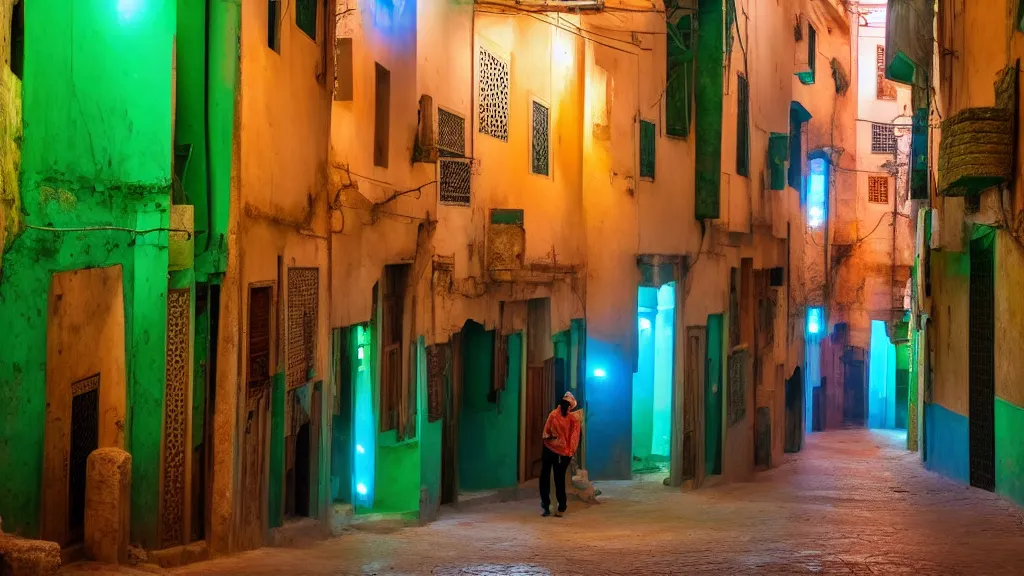
Our 2026 data for Fes highlights a high-premium professional segment, with average executive salaries reaching $4,525 against luxury rents of $3,500. While this indicates that top-tier residents spend approximately 77% of their income on housing, it reflects Fes’s status as a cultural and spiritual capital where prime real estate in the medina and Ville Nouvelle commands a significant premium. For the broader market, policies focusing on affordable mid-tier housing remain a priority.
Must-Eat: Fassi Pigeon Pastilla, the gold standard of Moroccan gastronomy, layered with almonds, eggs, and cinnamon.
Hidden Gem: The Al-Attarine Madrasa, a masterpiece of Merenid architecture featuring some of the most intricate woodwork and zellige tilework in the world.
⭐ Ranking Score: 37/100
10. Nador, Morocco
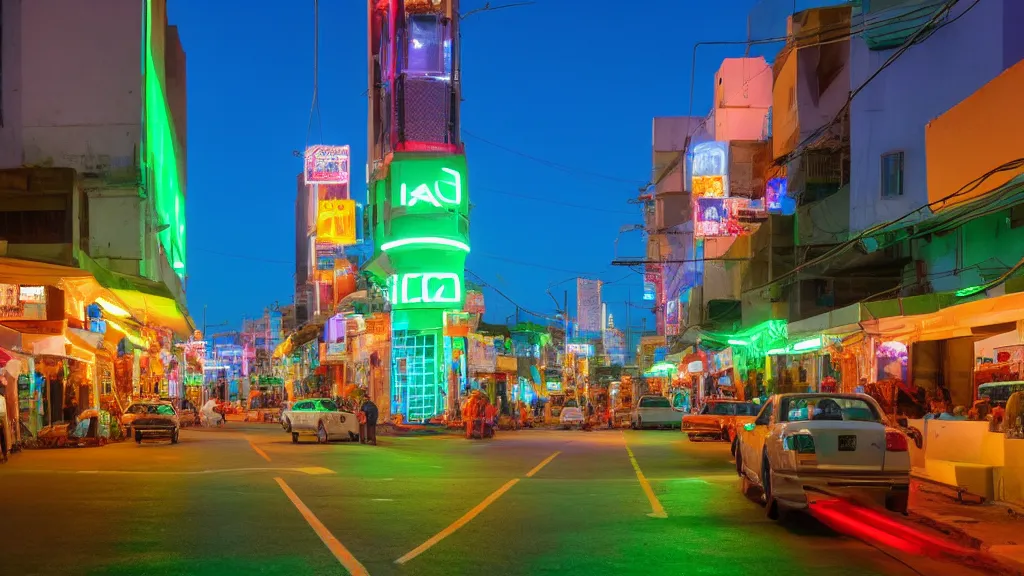
Nador’s fiscal health is defined by a $387.73 salary and $176.73 rent. As the Nador West Med port project nears full operation, the city is set for a massive economic transformation. The current 2.2:1 salary-to-rent ratio suggests a moderate burden, but early investors are likely to see significant appreciation as the city becomes a vital Mediterranean trade artery.
Must-Eat: Freshly grilled Besugo (Sea Bream), caught daily from the Mediterranean and seasoned with local herbs.
Hidden Gem: The Marchica Lagoon, a stunning saltwater lagoon currently being transformed into a sustainable luxury eco-tourism destination.
⭐ Ranking Score: 34/100
Editorial Note: Our 2026 analysis incorporates Maglev potential, Brise-soleil efficiency, and Sulfur-scrubber environmental data to provide a holistic view of future urban living.
EDITOR'S ADVICE: When investing in Morocco's secondary cities like Taza or Nador, look beyond the current salary figures; the real value lies in the massive infrastructure projects (like the Nador West Med) that are set to redefine regional logistics and property values by the end of the decade.