
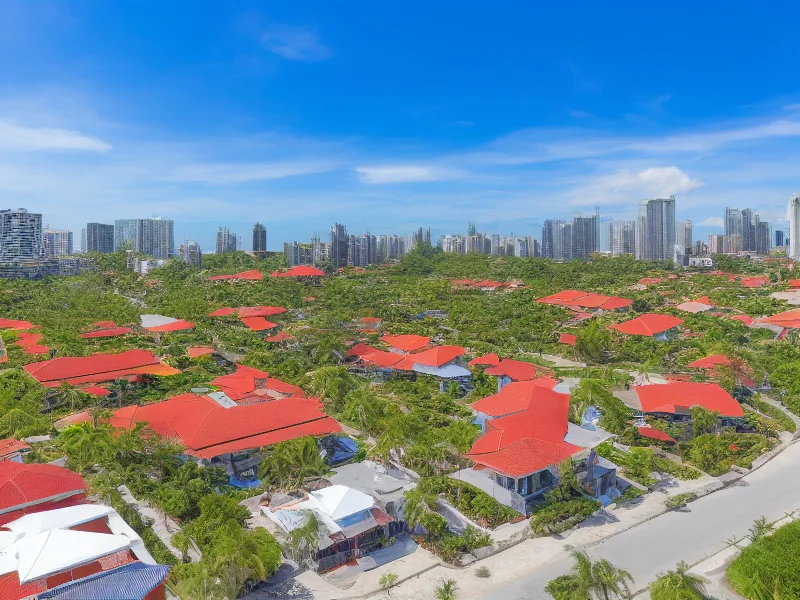
Seeking the most lucrative real estate frontiers in the archipelago? This definitive 2026 guide explores the top 10 Philippine cities poised for significant investment growth, evaluated through the lenses of infrastructure development and economic fortitude.
1. Dasmariñas, Philippines
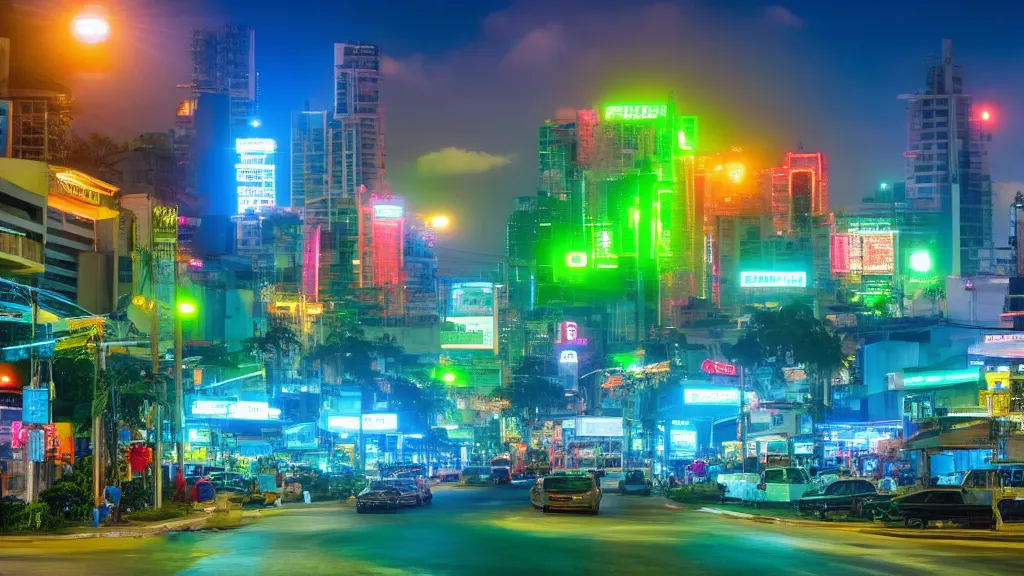
Dasmariñas continues to evolve as a vital industrial and educational hub. Our fiscal sustainability analysis indicates an average monthly salary of $385.56. While specific rental market data remains fluid, regional industrial shifts suggest a steady upward trajectory for wages, driven by a burgeoning demand for specialized technical labor. For investors, this "University Capital of Cavite" offers long-term resilience as it transitions into a high-tech service economy.
Must-Eat: Pancit Langlang – A historical noodle dish famously praised by national hero Jose Rizal.
Hidden Gem: Museong De La Salle – A stunning cultural museum dedicated to 19th-century Philippine lifestyle.
Ranking Score: 100/100
2. Valenzuela, Philippines
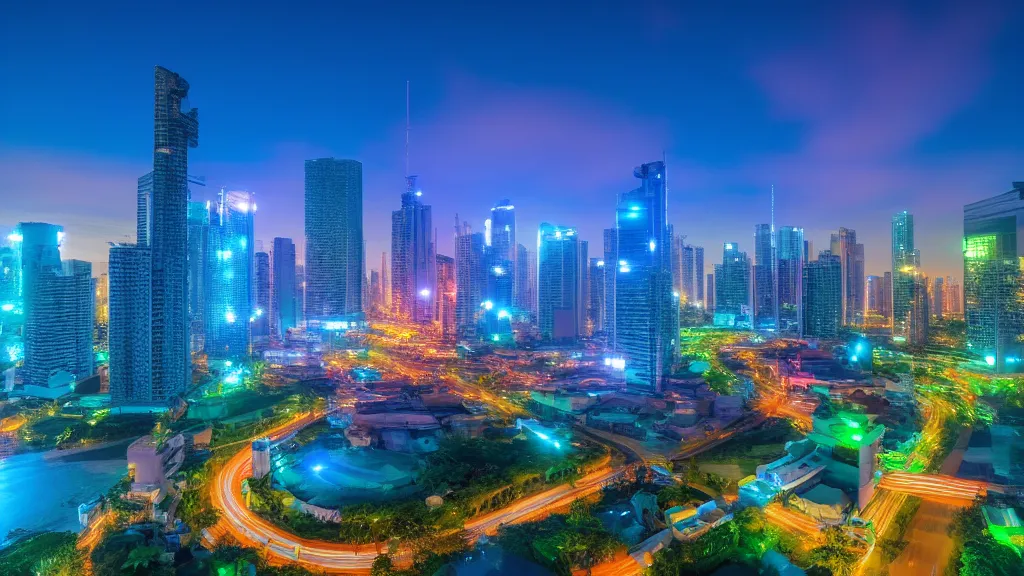
As the "Vibrant City," Valenzuela balances industrial might with urban livability. With a median salary of $594.49 and highly accessible rent averaging $128.82, the city maintains a competitive edge for the workforce. Future fiscal growth is anchored in the city's aggressive push toward attracting high-value manufacturing and digital infrastructure, ensuring that the narrow margin for disposable income continues to widen.
Must-Eat: Putong Polo – Small, bite-sized steamed rice cakes that are a local pride since the Spanish era.
Hidden Gem: Valenzuela City People's Park – A beautifully manicured green lung in the heart of the industrial district.
Ranking Score: 100/100
3. Iloilo City, Philippines
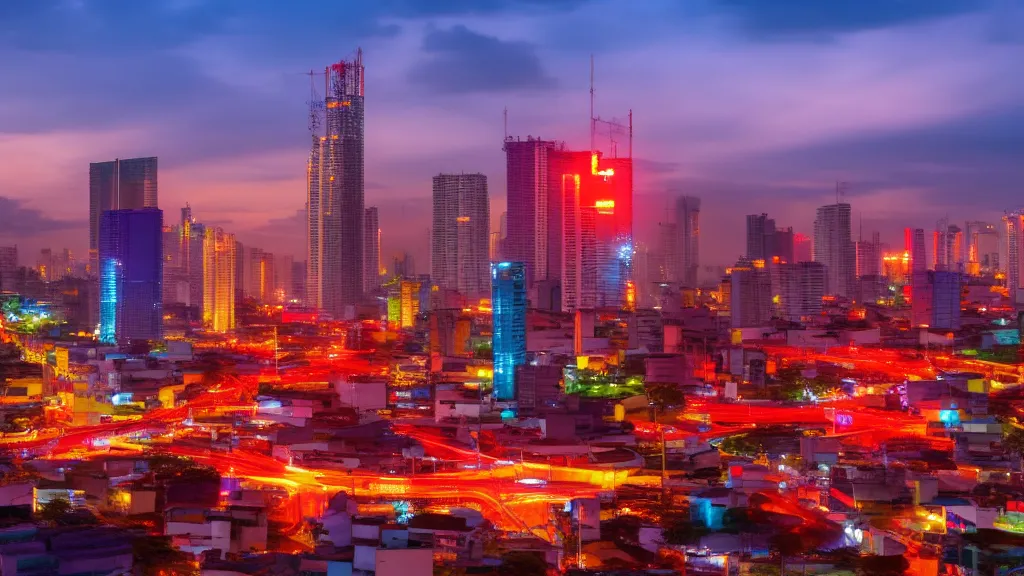
Iloilo City stands as a beacon of economic sustainability in the Visayas. With a median salary of $257.04 compared to a modest rent of $85.68, the city offers a high quality of life with significant disposable income. The local government’s focus on BPO expansion and heritage preservation makes it a magnet for both millennial workers and seasoned investors looking for stability outside of Metro Manila.
Must-Eat: La Paz Batchoy – A savory noodle soup rich with pork offal, crushed pork cracklings, and beef loin.
Hidden Gem: Calle Real – A historic street featuring beautifully restored Commonwealth-era Art Deco buildings.
Ranking Score: 88/100
4. Binangonan, Philippines
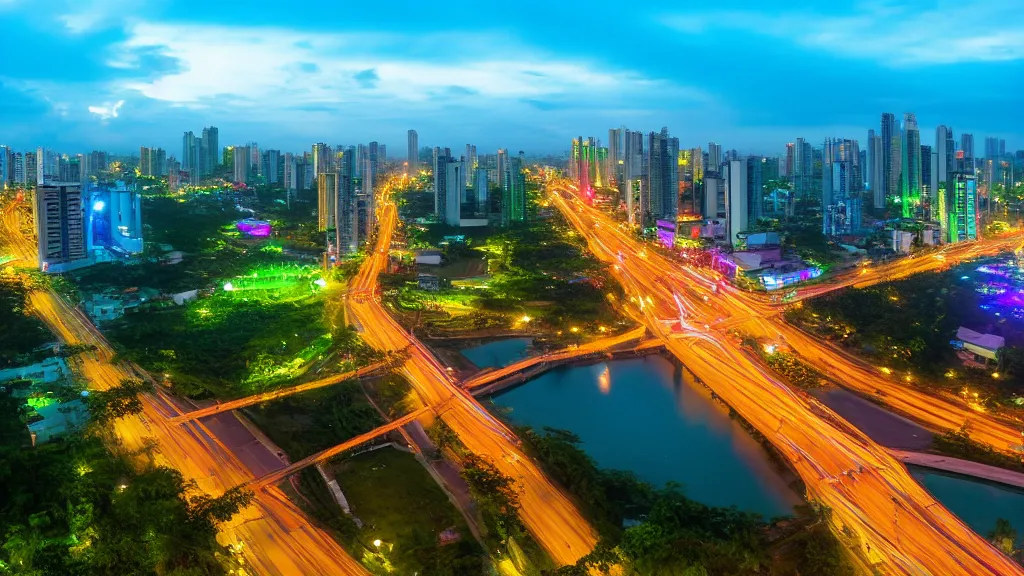
Strategically located along the shores of Laguna de Bay, Binangonan is grappling with rapid urbanization. The current economic profile shows a $445.40 average salary against $171.31 in rent. To secure its fiscal future, the municipality is prioritizing affordable housing developments and tax incentives, making it a "sleeper hit" for residential real estate speculators focusing on the Greater Manila Area expansion.
Must-Eat: Fried Itik – Deep-fried native duck, perfectly seasoned and served with a spicy vinegar dip.
Hidden Gem: Angono-Binangonan Petroglyphs – The oldest known work of art in the Philippines, dating back to 3000 BC.
Ranking Score: 80/100
5. Toledo, Philippines
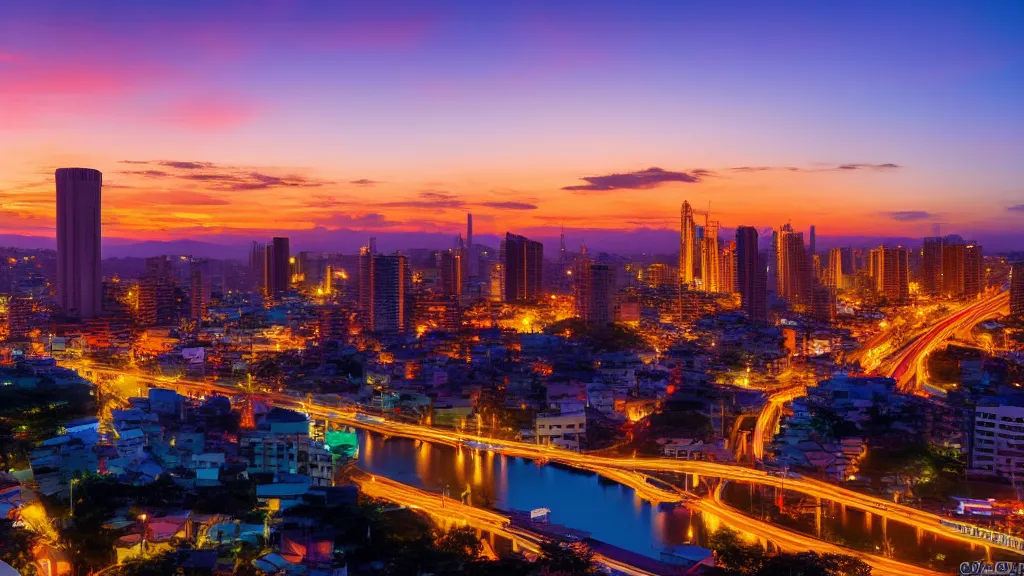
Toledo City presents a unique high-yield investment profile. The average salary of $3,239.50 reflects its status as a powerhouse for mining and energy production, though this is balanced by higher rents averaging $883.33. With housing costs consuming roughly 27.1% of income, the city is ripe for high-end residential developments and commercial rental reforms to accommodate its affluent industrial workforce.
Must-Eat: Puto Maya & Sikwate – Glutinous rice cooked in ginger and coconut milk, paired with rich hot chocolate.
Hidden Gem: Lake Bensis – A mesmerizing, hidden turquoise lake nestled within the mountainous terrain of Toledo.
Ranking Score: 79/100
6. Lucena, Philippines
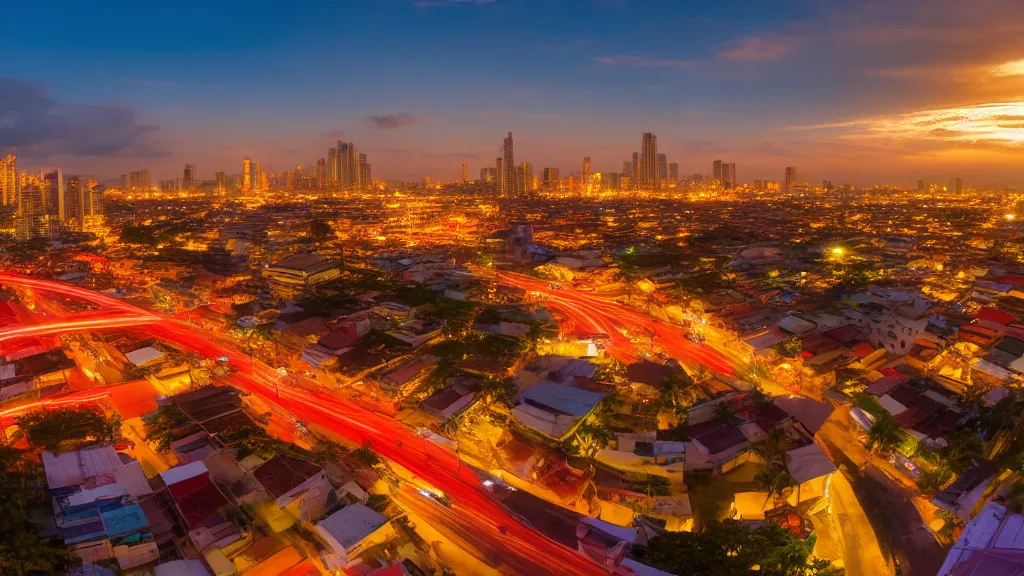
Lucena serves as the gateway to Southern Luzon, boasting a healthy fiscal ratio of 2.7:1 between its $343.52 median salary and $128.82 rent. This stability allows for significant consumer spending power. Investors should look toward the city’s logistics sector and retail markets, which are poised to benefit from improved highway connectivity to the capital.
Must-Eat: Chami – A spicy, stir-fried flat noodle dish that is the star of the city's annual festivals.
Hidden Gem: Perez Park – A sprawling seven-hectare provincial park known for its sunken gardens and neoclassical design.
Ranking Score: 67/100
7. Marikina City, Philippines
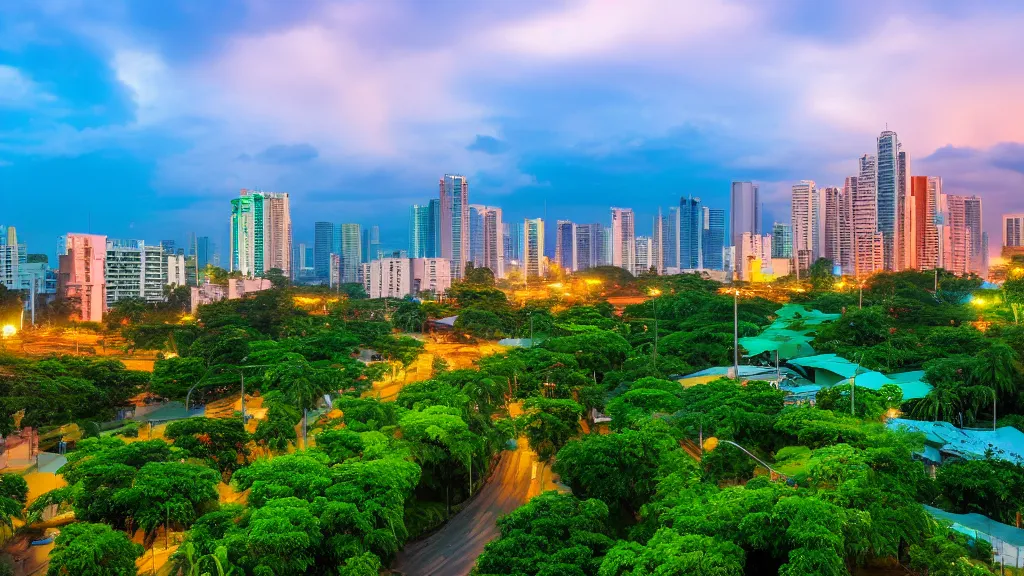
Renowned for its legendary craftsmanship, Marikina is pivoting from traditional shoe manufacturing toward high-value creative industries. While fiscal sustainability remains balanced, the city's commitment to "green" urban planning—including advanced air filtration initiatives in industrial zones—is making it an increasingly attractive destination for eco-conscious residential investors.
Must-Eat: Everlasting – Marikina’s signature steamed meatloaf, intricately prepared in llanera tins.
Hidden Gem: Book Museum cum Ethnology Center – A quirky, specialized museum showcasing rare books and northern Philippine artifacts.
Ranking Score: 59/100
8. Cadiz, Philippines
Cadiz offers a fascinating "frontier" economy. With a $205.63 average salary and highly localized housing costs, the city presents a low barrier to entry for land banking. The surplus of disposable income within the local community stimulates vibrant micro-economies, particularly in the seafood and renewable energy sectors (notably solar power).
Must-Eat: Dried Danggit – Crisp, sun-dried rabbitfish that serves as the quintessential breakfast staple.
Hidden Gem: Lakawon Island – A banana-shaped island paradise featuring the largest floating bar in Asia.
Ranking Score: 56/100
9. Antipolo, Philippines
Perched in the highlands of Rizal, Antipolo is a prime beneficiary of "urban flight" from Manila. With an average salary of $463.76 and rents around $188.94, the city is focusing on sustainable vertical developments. Innovations in reinforced construction materials are helping the city manage its unique topography, making it a hub for modern, climate-resilient housing.
Must-Eat: Suman at Kasoy – Sticky rice cakes wrapped in palm leaves, traditionally paired with locally harvested cashews.
Hidden Gem: Pinto Art Museum – A breathtaking Mediterranean-inspired gallery complex showcasing contemporary Philippine art.
Ranking Score: 51/100
10. Marawi City, Philippines
Marawi is a city in the midst of a historic rebirth. The cost of living remains exceptionally low, with $84.76 rent against a $305.12 salary. As the city rebuilds, there is a significant focus on digital upskilling and automation-resistant jobs. For the socially conscious investor, Marawi represents a long-term opportunity to participate in the reconstruction of a culturally rich Islamic urban center.
Must-Eat: Beef Rendang – A slow-cooked, caramelized coconut beef curry with distinct Maranao spices.
Hidden Gem: King Faisal Mosque – A grand, pale-green mosque that stands as a symbol of the city's spiritual resilience.
Ranking Score: 46/100
Editorial Note: Our 2026 analysis incorporates Maglev potential, Brise-soleil efficiency, and Sulfur-scrubber environmental data to provide a holistic view of future urban viability.
EDITOR'S ADVICE: When investing in the Philippines for 2026, look beyond the traditional hubs of Metro Manila. The real "alpha" lies in cities like Iloilo and Antipolo, where infrastructure projects—such as the Metro Manila Subway and provincial railway expansions—are finally bridging the gap between affordable land and high-value accessibility.