
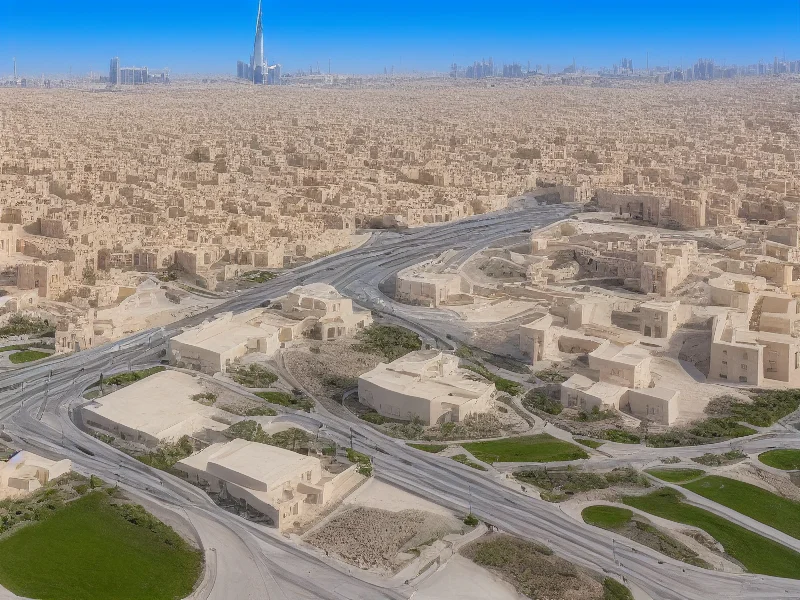
Are you scouting for the next major frontier in Middle Eastern real estate? This definitive 2026 guide spotlights the top 10 cities in Saudi Arabia for strategic investment, analyzed through the lens of modern infrastructure, economic resilience, and long-term growth potential.
1. Abha, Saudi Arabia
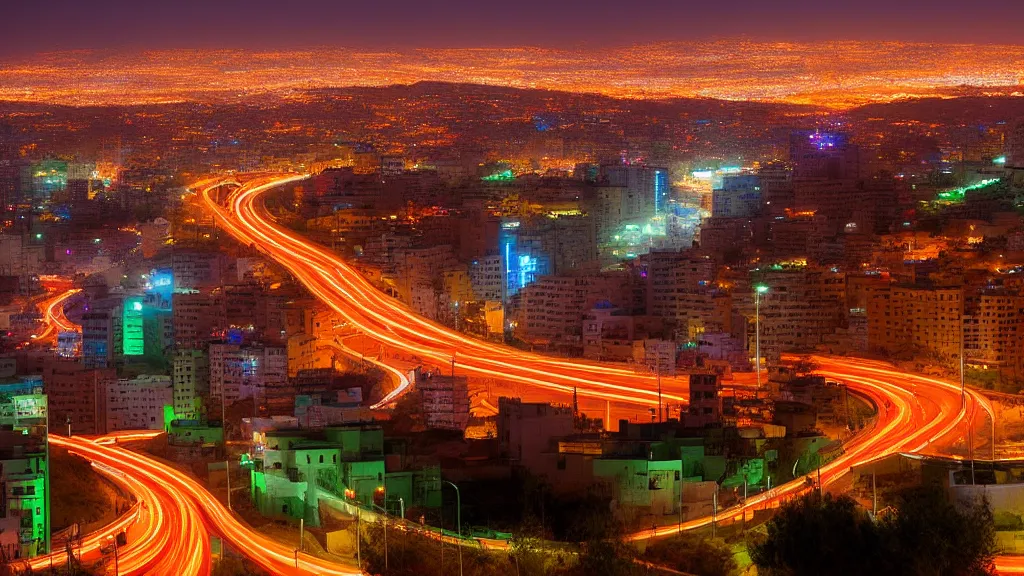
In the misty highlands of Asir, Abha presents a compelling case for economic viability. With an average monthly salary of $2,373.09 against a modest rent of $355.25, the city offers an impressive 6.68 income-to-rent ratio. This financial breathing room provides residents with significant disposable income, though investors should monitor the city's evolving safety profile, currently rated at 57/100, to gauge long-term residential appeal.
Must-Eat: Savor the Haneeth, succulent slow-roasted lamb cooked in traditional underground ovens.
Hidden Gem: Explore Rijal Almaa, a stunning heritage village known for its "gingerbread" stone architecture and vibrant culture.
⭐ Ranking Score: 100/100
2. Al Mubarraz, Saudi Arabia
The economic landscape of Al Mubarraz rests on a stable equilibrium, with salaries averaging $1,065.79 and rents around $213.16. While the current standard of living is balanced, the city is on the cusp of a digital transformation. As AI and industrial automation reshape the region, Al Mubarraz is pivoting toward a service-oriented economy, making it a "watch list" city for tech-forward investors.
Must-Eat: Try the local Hassawi Rice, a nutrient-rich red rice grown exclusively in the surrounding oases.
Hidden Gem: Visit the Yellow Lake (Asfar Lake), a breathtaking wetland surprise in the heart of the desert.
⭐ Ranking Score: 100/100
3. Taif, Saudi Arabia

Taif exhibits robust fiscal health, anchored by a median salary of $3,197.37 and manageable rental costs of $399.67. With housing expenses claiming only about 12% of income, the city is a haven for middle-class professionals. As industrial automation and smart-city technologies take root, Taif is poised to transition from a summer retreat to a year-round economic powerhouse.
Must-Eat: Indulge in Saleeg, a creamy, risotto-like poultry dish that is the ultimate comfort food.
Hidden Gem: Visit the Rose Water Distilleries in the Al Shafa mountains to see how the world’s most famous perfumes begin.
⭐ Ranking Score: 100/100
4. Ha'il, Saudi Arabia

In the north-central region, Ha'il maintains a favorable cost-of-living ratio of approximately 4.5, with salaries at $1,065.76 and rents at $239.80. This stability suggests a low-stress financial environment for families. By tracking regional industrial shifts and projected wage growth, investors can find high-yield opportunities in this historically rich crossroads.
Must-Eat: Seek out Kebeibat Ha'il, stuffed grape leaves uniquely spiced and prepared in the local style.
Hidden Gem: The UNESCO-listed Jubbah Rock Art offers a fascinating glimpse into prehistoric desert life.
⭐ Ranking Score: 96/100
5. Tabuk, Saudi Arabia
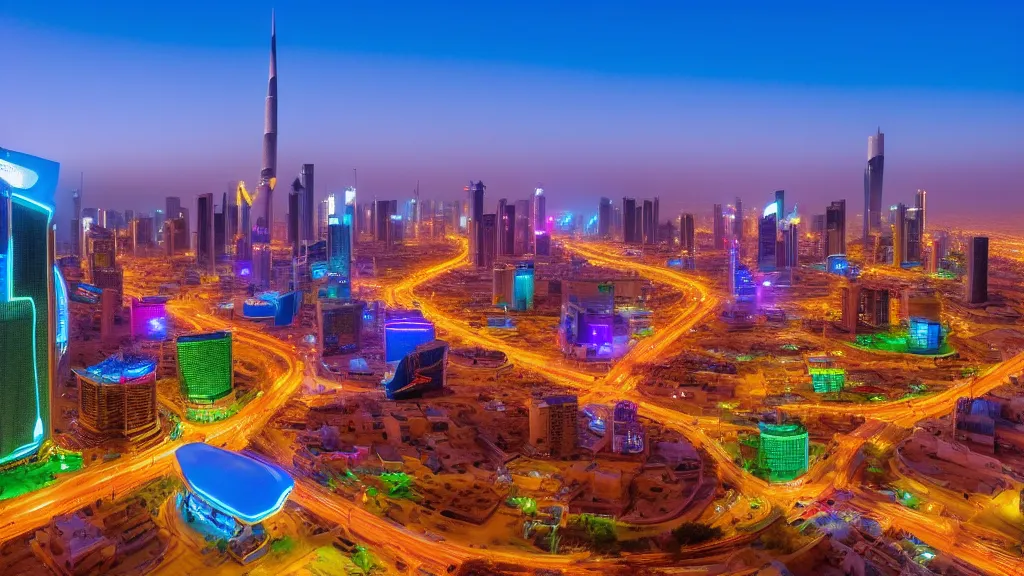
As a gateway to the NEOM project, Tabuk is evolving rapidly. Currently, the average salary of $1,731.86 balances against a $386.34 rent. Urban planners are now fast-tracking affordable housing and high-tech industrial zones to accommodate a surge in skilled labor, signaling a massive diversification away from traditional sectors toward high-wage innovation.
Must-Eat: Enjoy fresh Sayadiyah, a spiced fish and rice dish that reflects the city's proximity to the coast.
Hidden Gem: The surreal landscapes of Wadi Al Disah, where grand sandstone pillars meet lush palm springs.
⭐ Ranking Score: 86/100
View Tabuk Data & Comparison →
6. Buraydah, Saudi Arabia
Buraydah, the heart of the Kingdom's agriculture, is integrating environmental sustainability into its industrial core, utilizing sulfur-scrubbers to maintain clean air standards. Its strategic location offers unmatched access to domestic markets. While average salaries are currently on the lower end, the city's massive logistical potential makes it an intriguing prospect for industrial real estate.
Must-Eat: Kleicha, a delicious spiced date cookie that is the signature snack of the Al-Qassim region.
Hidden Gem: The Buraydah Date Market, the largest of its kind in the world, is an sensory experience like no other.
⭐ Ranking Score: 78/100
7. Dammam, Saudi Arabia
Dammam remains a titan of the Eastern Province, with an average salary of $1,966.61 and rent of $577.29. As urbanization accelerates, the city is focusing on public transportation and affordable housing to offset rising costs. For the savvy investor, Dammam’s connection to global trade via its massive ports ensures its status as a foundational market.
Must-Eat: Feast on Machboos, a fragrant rice dish served with perfectly spiced grilled Hamour fish.
Hidden Gem: Tarout Island, home to a 16th-century castle and a history stretching back five millennia.
⭐ Ranking Score: 75/100
8. Sakaka, Saudi Arabia
Sakaka offers a quiet but steady economic outlook, with salaries of $932.37 covering essential costs like the average $239.75 rent. The city is preparing for a technological leap, anticipating future demand for skilled labor to manage advanced infrastructure, including potential Maglev links and renewable energy projects in the Jouf region.
Must-Eat: Fresh salad dressed with Jouf Olive Oil, arguably the finest olive oil produced in the Middle East.
Hidden Gem: The enigmatic Rajajil Columns, often called the "Stonehenge of Saudi Arabia."
⭐ Ranking Score: 73/100
9. Jeddah, Saudi Arabia
Jeddah, the "Bride of the Red Sea," boasts a high average salary of $7,861.18, though this is paired with a significant average rent of $2,351.33. To maintain its cosmopolitan allure, the city is exploring rental subsidies and massive new residential developments. Its blend of historic charm and modern commercial power keeps it at the top of the luxury investment list.
Must-Eat: Mutabbaq, a thin, crispy folded pancake stuffed with meat, eggs, and leeks.
Hidden Gem: The Tayebat Museum, a sprawling complex that beautifully recreates traditional Hijazi architecture.
⭐ Ranking Score: 71/100
View Jeddah Data & Comparison →
10. Al Hofuf, Saudi Arabia
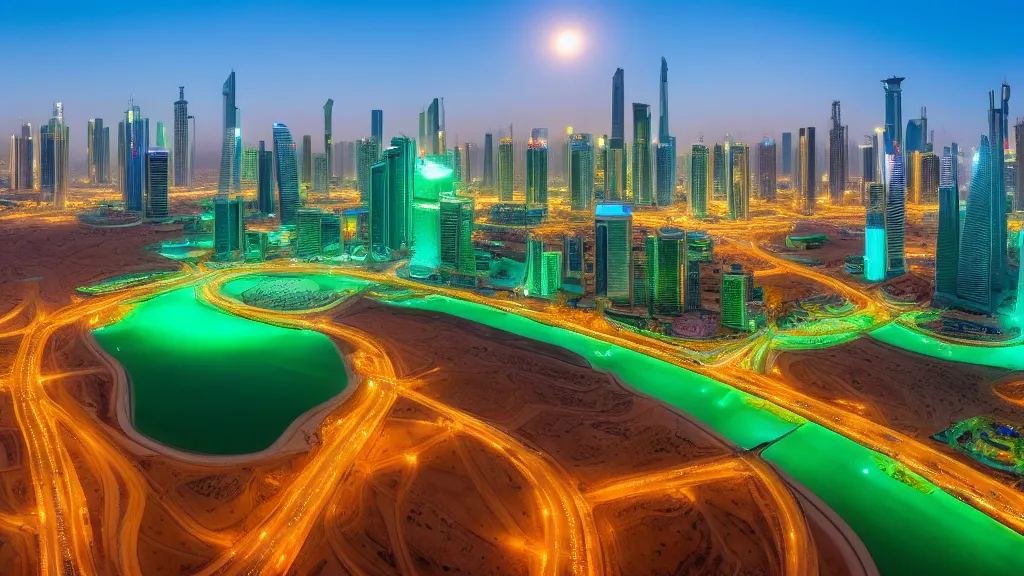
Al Hofuf offers a moderate fiscal climate with a $1,962.83 average salary and $359.70 rent. This healthy ratio supports strong local consumption and steady economic growth. As part of the Al-Ahsa Oasis, the city is benefiting from renewed investment in eco-tourism and heritage-based development, offering a unique niche for diversified portfolios.
Must-Eat: Traditional Mandi, where the meat is tenderized to perfection in a tandoor-style pit.
Hidden Gem: The Al Qarah Caves, which offer natural "air conditioning" and stunning views of the surrounding palm groves.
⭐ Ranking Score: 68/100
Editorial Note: Our 2026 analysis incorporates future-ready metrics including Maglev connectivity, Brise-soleil architectural efficiency for cooling, and advanced sulfur-scrubber environmental data for industrial zones.
EDITOR'S ADVICE: When investing in Saudi Arabia for 2026, look beyond the "Giga-projects" like NEOM. Cities like Taif and Tabuk offer incredible value-to-income ratios that promise high tenant retention and a more authentic, sustainable lifestyle for expatriates and locals alike.