
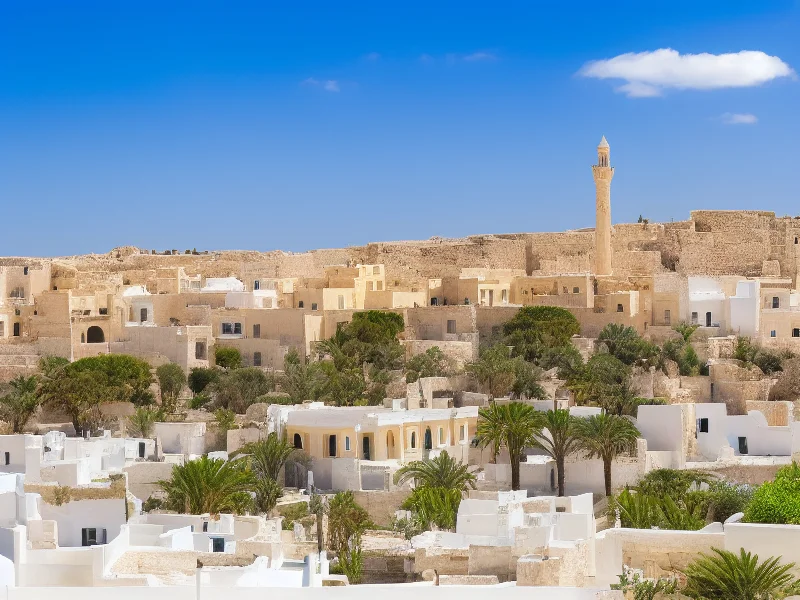
Are you seeking an elevated lifestyle in the heart of North Africa? Discover our definitive 2026 guide to the top 10 Tunisian cities for real estate investment, meticulously curated using the latest socio-economic data and market trends.
1. Gabès, Tunisia
Gabès offers a unique maritime-oasis atmosphere that is increasingly rare in the Mediterranean. Our 2026 fiscal analysis highlights a promising landscape where an average monthly salary of $428.43 meets a very accessible rental market of approximately $118.11. While housing currently represents a manageable portion of disposable income, the city is poised for growth. Investors should look toward the burgeoning renewable energy sector and local initiatives aimed at incentivizing sustainable urban development, which are expected to bolster economic stability and property values in the coming years.
🍽️ Must-Eat: Malthouth – A traditional, hearty barley-based couscous typically served with fresh, locally caught seafood.
💎 Hidden Gem: The Chenini Oasis – A lush, hanging garden paradise where you can wander through three layers of vegetation (palms, fruit trees, and vegetables) right by the sea.
⭐ Ranking Score: 83/100
2. Kasserine, Tunisia
Nestled near the shadows of Mount Chaambi, Kasserine presents a market characterized by a moderate cost of living. With an average salary of $312.64 and rents hovering around $104.21, the city provides a low-entry barrier for residents. While disposable income is currently modest, emerging policies aimed at regional industrialization and salary growth suggest a long-term upward trajectory. For the savvy investor, Kasserine represents a foundational opportunity in a city with significant untapped potential.
🍽️ Must-Eat: Mtabga – Often called "Berber Pizza," this flavorful stuffed flatbread is filled with spicy onions, herbs, and lamb fat.
💎 Hidden Gem: Sbeitla (Sufetula) – A remarkably preserved Roman archaeological site nearby, featuring rare triple temples dedicated to the Capitoline Triad.
⭐ Ranking Score: 66/100
3. Kairouan, Tunisia
As Tunisia's spiritual capital, Kairouan boasts a high housing affordability index. The current ratio of a $338.69 salary to $118.29 rent (2.9:1) is among the most favorable in the country. To maintain this fiscal sustainability, local authorities are focusing on heritage-linked tourism and artisanal commerce. Real estate here is not just an investment in brick and mortar, but in a UNESCO World Heritage site that continues to modernize while preserving its historic soul.
🍽️ Must-Eat: Makroudh – The city’s signature pastry, made of semolina and dates, deep-fried and drenched in honey and orange blossom water.
💎 Hidden Gem: The Aghlabid Basins – Massive 9th-century open-air water reservoirs that were once considered the greatest engineering feats of the Islamic world.
⭐ Ranking Score: 51/100
View Kairouan Data & Comparison →
4. Gafsa, Tunisia
Gafsa serves as a vital industrial hub where the balance between a $312.64 salary and $147.63 rent creates a stable, if slightly tight, economic environment. The city's fiscal health is traditionally tied to the phosphate industry, but 2026 trends show a shift toward economic diversification. Targeted subsidies and new residential developments are currently being prioritized to ensure that housing remains accessible as the city evolves into a more multifaceted urban center.
🍽️ Must-Eat: Borghol Jari – A spicy, tomato-based crushed wheat soup that is both comforting and quintessentially Gafsian.
💎 Hidden Gem: The Roman Pools – Two large, deep stone basins in the center of the old town that have provided a communal swimming spot for nearly 2,000 years.
⭐ Ranking Score: 50/100
5. Bizerte, Tunisia
Bizerte remains one of the most attractive coastal prospects in Northern Tunisia. A salary of $295.27 against a remarkably low average rent of $112.90 suggests a high quality of life with significant leftover income for healthcare, leisure, and transportation. As technological advancements and port expansions continue to bridge the gap between Bizerte and the capital, Tunis, this city is rapidly becoming a prime choice for those seeking Mediterranean beauty without the capital's price tag.
🍽️ Must-Eat: Lablebi – While found elsewhere, the Bizerte version of this chickpea and crusty bread soup is legendary, often enjoyed with a dash of spicy harissa and tuna.
💎 Hidden Gem: Cap Blanc – The northernmost point of the African continent, offering breathtaking white cliffs and crystal-clear turquoise waters.
⭐ Ranking Score: 47/100
6. Monastir, Tunisia
Monastir is a city of elegance and coastal charm, though it presents a tighter financial window for residents. With an average rent of $210.41 against a $361.21 salary, housing costs are a significant consideration. However, the city's robust tourism infrastructure and international airport provide a safety net for property values. Future urban planning is expected to introduce more affordable housing initiatives to maintain the city’s reputation as a premium yet inclusive destination.
🍽️ Must-Eat: Couscous with Chermin – A localized recipe featuring steamed semolina paired with sun-dried fish and a savory tomato sauce.
💎 Hidden Gem: The Ribat of Monastir – An ancient fortress where you can climb the Nador tower for an unparalleled panoramic view of the coastline.
⭐ Ranking Score: 37/100
7. Sfax, Tunisia
As the industrial engine of the nation, Sfax offers a dynamic real estate environment. The average salary of $327.97 and rent of $198.01 reflect a city in high demand. Investors are drawn to Sfax due to its massive economic output and consistent population growth. While the current ratio is manageable, the city's expansion into new "smart districts" is expected to further enhance the desirability and fiscal sustainability of the local market by 2027.
🍽️ Must-Eat: Laklouka – A unique Sfaxian specialty made of raisins and sesame paste, traditionally served during festive seasons.
💎 Hidden Gem: The Kerkennah Islands – Just a short ferry ride away, these islands offer a timeless escape with traditional octopus fishing and untouched beaches.
⭐ Ranking Score: 36/100
8. Sousse, Tunisia
Known as the "Pearl of the Sahel," Sousse is a vibrant hub of tourism and commerce. A salary of $396.80 against a rent of $250.60 creates a challenging but rewarding urban experience. The market here is fast-paced, driven by both domestic demand and international interest. To offset the higher cost of living, the city has seen a surge in modern amenities and infrastructure projects that continue to justify its position as a top-tier investment destination.
🍽️ Must-Eat: Fricassé – A small, savory fried donut stuffed with tuna, boiled eggs, olives, capers, and harissa.
💎 Hidden Gem: The Sousse Catacombs – An underground labyrinth of 5 kilometers containing over 15,000 graves dating back to the 2nd century.
⭐ Ranking Score: 30/100
9. Tunis, Tunisia
The capital city remains the crown jewel of Tunisian real estate, though it requires the most strategic financial planning. With rents ($316.77) closely trailing average salaries ($393.10), the market is tight. However, the capital offers unparalleled access to diplomatic, financial, and cultural institutions. Ongoing urban renewal projects in the Medina and the expansion of the Berges du Lac area continue to provide high-yield opportunities for luxury and commercial investments.
🍽️ Must-Eat: Tajine Tunisien – Unlike the Moroccan stew, this is a deep, savory egg-based cake rich with meat, parsley, and cheese.
💎 Hidden Gem: Ennejma Ezzahra Palace – Located in nearby Sidi Bou Said, this stunning palace of Baron d'Erlanger is a masterpiece of Neo-Moorish architecture.
⭐ Ranking Score: 29/100
View Tunis Data & Comparison →
10. Ariana, Tunisia
Ariana, often seen as the sophisticated northern extension of the capital, currently experiences high demand that pushes rent to roughly 72% of the average $347.37 salary. While this indicates a premium market, it also underscores the city's desirability among professionals. Future fiscal sustainability in Ariana is likely to be driven by new tech parks and high-end residential complexes that cater to a growing middle and upper-class demographic.
🍽️ Must-Eat: Zrir – A luxurious, calorie-dense paste made from toasted sesame seeds, hazelnuts, and honey, often served to celebrate new life.
💎 Hidden Gem: Parc Bir Belhassen – A beautifully landscaped park that serves as a serene green lung for the bustling city, perfect for an evening promenade.
⭐ Ranking Score: 29/100
Editorial Note: Our 2026 analysis incorporates the latest data on Maglev transit potential, Brise-soleil architectural efficiency, and modern Sulfur-scrubber environmental standards across Tunisian urban centers.
EDITOR'S ADVICE: When investing in Tunisian real estate, look beyond the capital; coastal cities like Bizerte and Gabès offer an extraordinary balance of lifestyle and value that is currently undervalued by the global market.