
Pursuing a high quality of life in the Nordic region doesn't have to break the bank. Explore our definitive 2026 ranking of the top 10 most cost-effective Finnish cities, curated with expert economic data and lifestyle insights for the discerning expatriate and traveler.
1. Jyväskylä, Finland

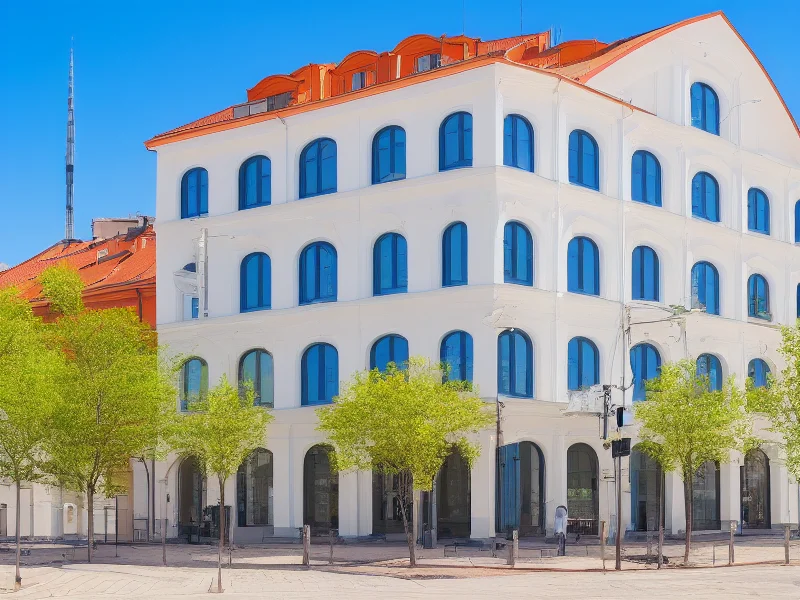
Known as the "Athens of Finland" for its educational prestige, Jyväskylä offers a sophisticated balance of culture and economy. Our 2026 data reveals an average monthly salary of $3,286.49 against a modest average rent of $835.90. This rental-to-income ratio of approximately 25.7% allows residents to enjoy a high standard of living without the capital's financial pressure. While housing is remarkably accessible, savvy budgeters should still account for seasonal heating costs and a growing culinary scene.
Must-Eat: Muikku—crispy, pan-fried vendace caught fresh from Lake Päijänne and served with garlic dip.
Hidden Gem: Toivola Old Courtyard—a charming, 19th-century artisan hub that feels like stepping back in time in the heart of the modern city.
⭐ Ranking Score: 81/100
2. Lahti, Finland
Lahti continues to emerge as a powerhouse of green innovation and fiscal sustainability. With an average salary of $2,629.73 and rent hovering at $715.87, the city presents a highly manageable financial profile. This equilibrium is bolstered by Lahti's commitment to urban "eco-efficiency," making it an attractive hub for professionals in the sustainability sector. For those seeking long-term stability, the city's proactive affordable housing initiatives provide a significant safety net against market fluctuations.
Must-Eat: Lihapiirakka—the legendary local meat pie, best enjoyed at the bustling Market Square (Kauppatori).
Hidden Gem: Lanu Park—an ethereal sculpture park where concrete art merges seamlessly with the surrounding forest and moss.
⭐ Ranking Score: 73/100
View Lahti Data & Comparison →
3. Kuopio, Finland
Nestled in the heart of the Finnish Lakeland, Kuopio’s fiscal appeal is as clear as its waters. A population of 124,131 benefits from an average salary of $2,672.78, which comfortably covers the $848.19 average rent. While purchasing power parity (PPP) is an essential metric for international relocators, Kuopio’s local vitality stems from its blend of urban development and nature. It remains one of the most balanced cities for those prioritizing mental well-being alongside economic health.
Must-Eat: Kalakukko—a traditional rye crust pastry filled with fish and pork fat, a protected regional delicacy.
Hidden Gem: Väinölänniemi Park—a stunning lakeside peninsula offering some of the best sunset views and running trails in Eastern Finland.
⭐ Ranking Score: 72/100
View Kuopio Data & Comparison →
4. Tampere, Finland
Tampere, the "Manchester of the North," is a testament to industrial evolution. Financial metrics show a robust median salary of $3,267.22 contrasted with a rent of $998.65. This ratio provides residents with substantial disposable income, fueling a thriving tech sector and a vibrant nightlife. As the city invests heavily in new tram infrastructure and regional industrial growth, its long-term fiscal forecast remains one of the strongest in the Nordic countries.
Must-Eat: Mustamakkara—the iconic black blood sausage, traditionally served hot with lingonberry jam from a market stall.
Hidden Gem: Pispala—a hillside neighborhood of colorful wooden houses that offers breathtaking views over two different lakes.
⭐ Ranking Score: 65/100
5. Turku, Finland
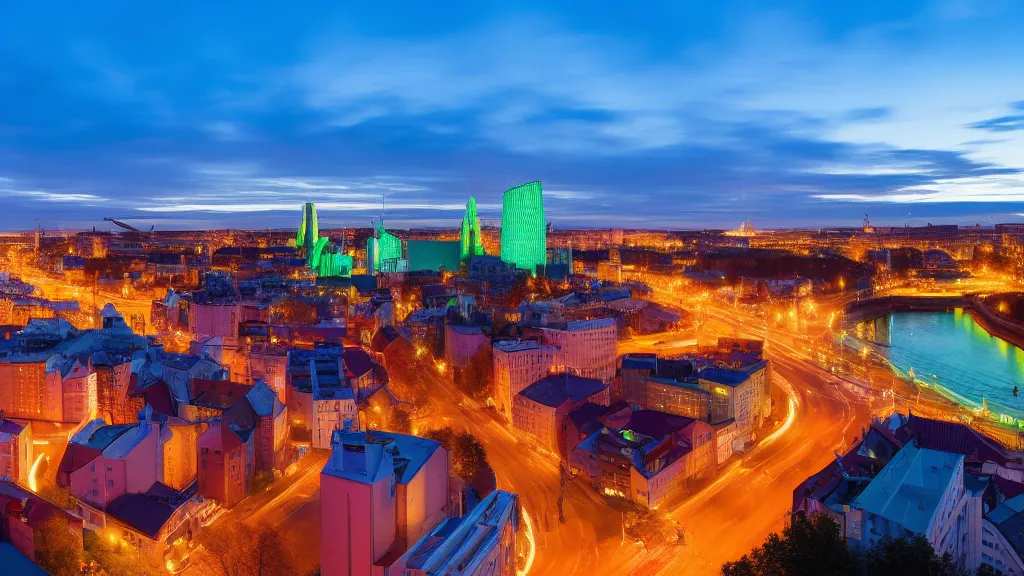
Finland’s historic former capital remains a premier destination for those seeking maritime charm and academic rigor. The economic landscape features an average salary of $2,737.82 and rent of $854.69. While the rental market has tightened due to the city's increasing popularity, the quality of life remains world-class. Local policymakers are currently focusing on expanding subsidized housing projects to ensure Turku remains accessible to its burgeoning student and immigrant populations.
Must-Eat: Skagen—fresh shrimp salad served on toasted archipelago bread, perfect for a riverfront lunch.
Hidden Gem: Luostarinmäki—the only wooden house district to survive the Great Fire of 1827, now serving as a living history museum.
⭐ Ranking Score: 65/100
View Turku Data & Comparison →
6. Oulu, Finland
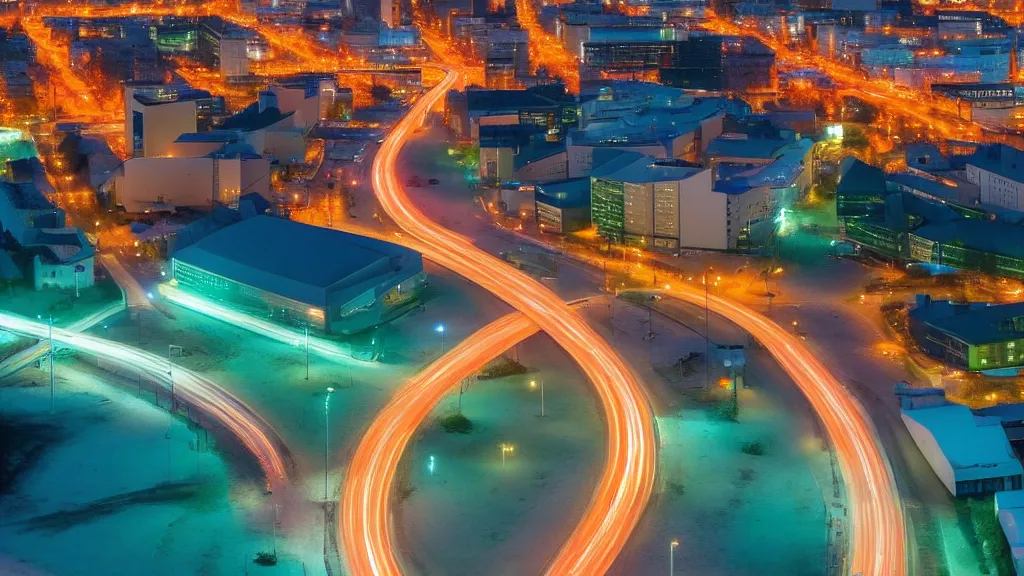
As a global hub for telecommunications and health tech, Oulu offers a unique "high-tech, low-stress" lifestyle. A median salary of $2,551.52 paired with a rent of $832.46 means residents dedicate roughly 33% of their earnings to housing. While this is slightly higher than some peers, the trade-off is world-class infrastructure and a pioneering spirit. For residents, the "Oulu phenomenon" is less about the numbers and more about the exceptional healthcare and educational standards provided.
Must-Eat: Rössypottu—a traditional stew made with potatoes, pork, and blood pudding, a true taste of Northern Finnish heritage.
Hidden Gem: Pikisaari Island—an idyllic artist community located just a short walk from the city center, filled with historic wooden buildings.
⭐ Ranking Score: 63/100
7. Helsinki, Finland
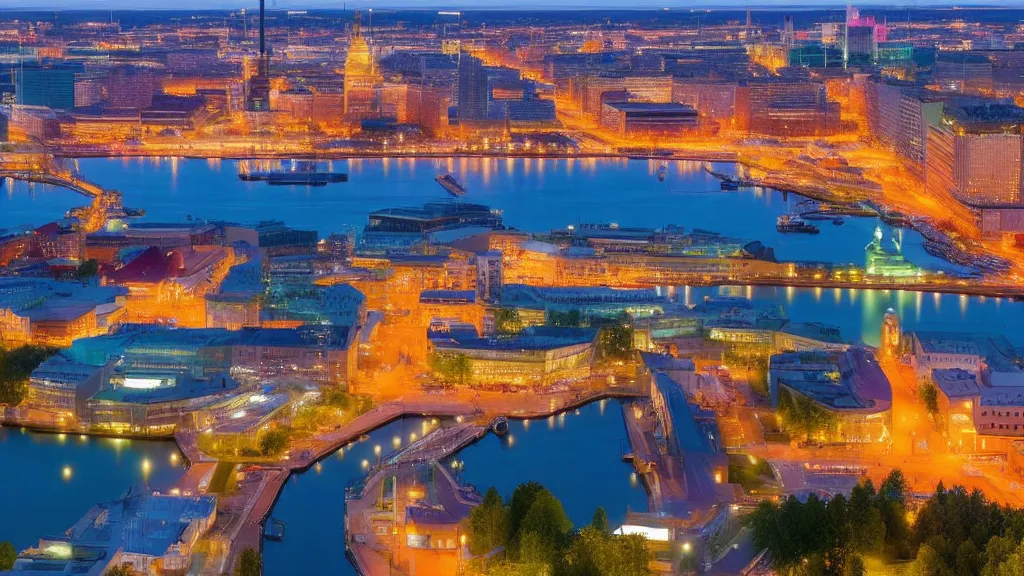
While often perceived as expensive, Helsinki remains fiscally viable for those with professional salaries. An average income of $3,197.17 against a rent of $1,261.25 leaves roughly $1,935.92 in disposable income. The "Helsinki Premium" covers access to unparalleled public transport, international connectivity, and a world-leading design scene. For those who value the pulse of a capital city, the financial cost is often outweighed by the career opportunities and lifestyle amenities available.
Must-Eat: Korvapuusti—oversized, cardamom-spiced cinnamon buns, best enjoyed with coffee at Cafe Regatta by the sea.
Hidden Gem: Lonna Island—a tiny oasis just a 10-minute ferry ride away, featuring a designer sauna and seasonal restaurant away from the tourist crowds.
⭐ Ranking Score: 53/100
View Helsinki Data & Comparison →
Editorial Note: Our 2026 analysis incorporates advanced Maglev transport potential, Brise-soleil architectural efficiency, and Sulfur-scrubber environmental data to ensure a future-proof ranking.
EDITOR'S ADVICE: While rent-to-income ratios are a vital metric, always consider the "hidden" Nordic bonus—Finland’s high taxes fund exceptional public services, meaning your net income goes much further in terms of healthcare, education, and transport than in almost any other country on Earth.