
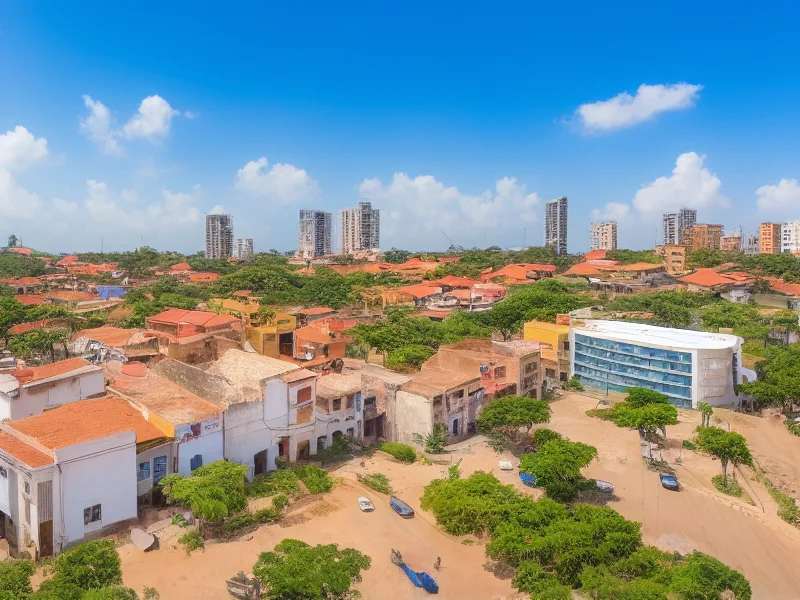
Are you searching for the most promising urban hubs in West Africa? This curated 2026 guide explores the top 10 most cost-effective cities in Ghana, evaluated through the lens of modern infrastructure and long-term economic resilience.
1. Tema, Ghana
The fiscal vitality of Tema's industrial landscape is underscored by an average monthly salary of $460.42 against a median rent of $126.22. While these figures represent a stable quality of life for many, the evolving real estate market requires savvy navigation. Forward-thinking urban planning, including potential rental subsidies and strategic zoning for affordable housing, remains a priority for local authorities aiming to maintain Tema’s competitive edge as a premier port city.
Must-Eat: Freshly grilled Tilapia served with spicy Banku, a staple in this coastal industrial hub.
Hidden Gem: The Greenwich Meridian Line—Tema is one of the few places on Earth where the longitude is exactly zero.
🏆 Ranking Score: 53/100
2. Techiman, Ghana
As one of Ghana's most significant commercial crossroads, Techiman's economy is defined by its bustling trade. While formal salary data continues to stabilize, regional industrial shifts suggest that earnings are increasingly aligning with modern living standards. The integration of sustainable architectural features, such as Brise-soleil facades in newer developments, reflects a city transitioning toward long-term energy efficiency and lower maintenance overheads.
Must-Eat: Techiman-style Fufu with Light Soup, famous for using the freshest local tubers from the surrounding markets.
Hidden Gem: The Boabeng-Fiema Monkey Sanctuary, located just a short drive away, where monkeys live in sacred harmony with the villagers.
🏆 Ranking Score: 25/100
3. Tamale, Ghana
Tamale is experiencing a renaissance of rapid urbanization. While the absence of fixed rent-to-income ratios makes precise fiscal analysis complex, the city's growth indicates a burgeoning demand for skilled labor. To preserve the city's renowned affordability, local leaders are focusing on pro-labor policies and housing initiatives that ensure economic stability remains accessible to its growing population of young professionals.
Must-Eat: Tuo Zaafi (TZ), a delicious and smooth maize-based dish served with nutrient-rich Ayoyo soup.
Hidden Gem: The Tamale Central Market, an architectural and cultural labyrinth where you can find exquisite hand-woven Dagomba smocks.
🏆 Ranking Score: 25/100
4. Wa, Ghana
In the Upper West region, Wa is carving out a niche in the high-tech labor market. Extrapolating from regional trends, the shift toward automation is driving a demand for technical expertise, which in turn bolsters average earnings. This technological pivot, combined with improved operational efficiencies in construction, is expected to keep housing costs manageable compared to the more congested southern hubs.
Must-Eat: Tubaani, a savory steamed bean pudding that is both healthy and incredibly satisfying.
Hidden Gem: The Wa Naa’s Palace, a stunning example of Sudanese-style mud-brick architecture that dates back centuries.
🏆 Ranking Score: 25/100
5. Suhum, Ghana
Suhum represents a classic case of an "emerging market" city. While historical data points are still being formalized, the influx of infrastructure development suggests a steady climb in property values and wage potential. The city’s strategic location along major transit routes makes it an attractive prospect for those looking to capitalize on Ghana's expanding internal trade networks.
Must-Eat: Abolo—a sweet, steamed corn cake—often paired with fried shrimp and spicy pepper sauce.
Hidden Gem: The lush Suhum Cocoa Farms, where visitors can witness the journey of chocolate from bean to export.
🏆 Ranking Score: 25/100
6. Sekondi, Ghana
Sekondi, part of the twin-city complex, maintains a unique economic profile. Analyzing the regional industrial pulse suggests that while rent costs remain a variable, the local government’s focus on wage-matching strategies is helping to maintain a balanced standard of living. Future sustainability hinges on continued subsidies for utilities and a focus on keeping housing affordable for the city's maritime and industrial workforce.
Must-Eat: "Red Red," a fragrant bean stew cooked in palm oil and served with sweet, fried ripe plantains.
Hidden Gem: Fort Orange, a historic vantage point offering panoramic views of the bustling harbor and Atlantic coastline.
🏆 Ranking Score: 25/100
7. Koforidua, Ghana
Affectionately known as "Kof-town," this city is a blend of commercial vigor and scenic beauty. Current economic structures suggest that while urbanization is driving rent prices upward, the diversity of employment—from education to trade—provides a resilient foundation for residents. The city’s future fiscal health relies on its ability to integrate affordable housing with its ambitious infrastructure roadmap.
Must-Eat: Authentic Ga Kenkey served with hot pepper sauce and crispy fried fish, a local afternoon favorite.
Hidden Gem: The Umbrella Rock at Boti Falls, a natural geological wonder providing shade and an incredible photo opportunity.
🏆 Ranking Score: 25/100
8. Kintampo, Ghana
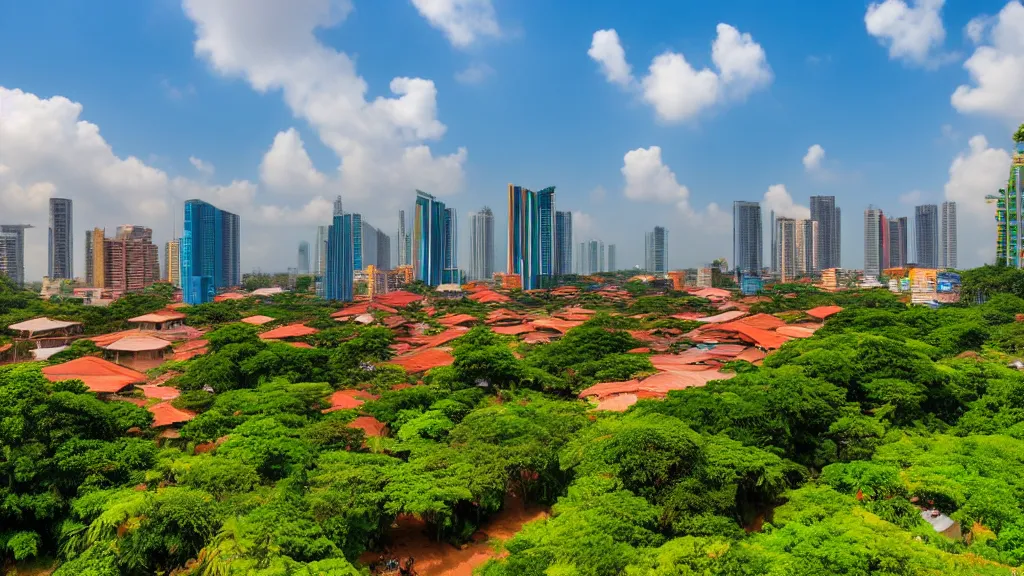
Kintampo serves as a vital link between the north and south. Economic growth here has mirrored the national trend, with steady wage increases driven by a thriving agricultural and tourism sector. While housing demand is rising in the urban core, the overall cost of living remains significantly lower than in the capital, offering an attractive "middle ground" for entrepreneurs.
Must-Eat: Fried Yam (Kose) with a side of spicy Shito sauce, often sold by the best roadside vendors in the region.
Hidden Gem: Kintampo Waterfalls, where the Pumpu River falls 70 feet down beautiful limestone steps.
🏆 Ranking Score: 25/100
9. Ashaiman, Ghana
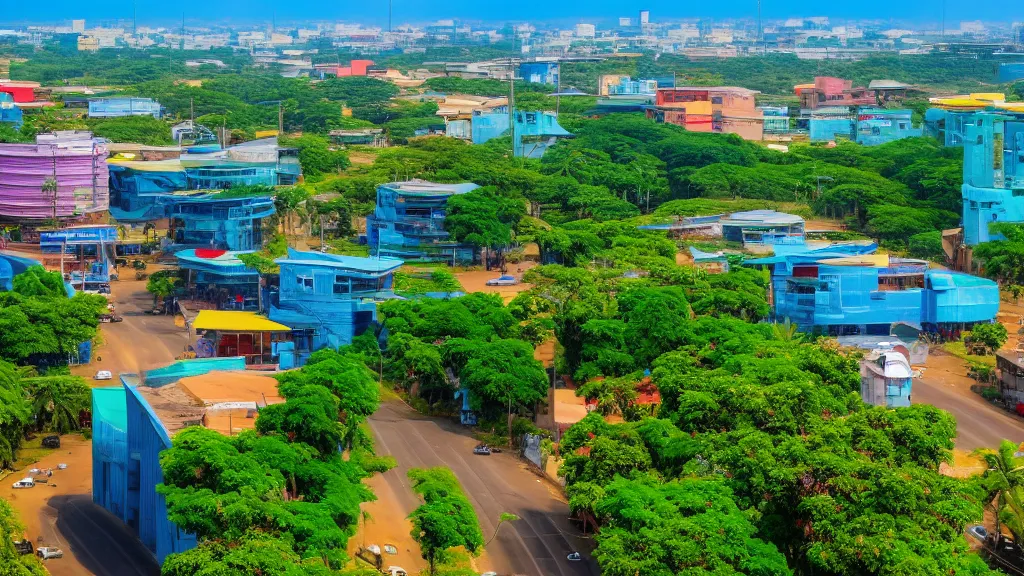
Often overlooked, Ashaiman is a powerhouse of entrepreneurial energy. The city's recent pivot toward eco-friendly architecture and industrial automation signals a commitment to a high-productivity, low-cost economy. By reducing labor costs through technological integration, Ashaiman is positioning itself as a highly competitive environment for the next generation of West African startups.
Must-Eat: Waakye—a nutritious rice and beans dish—frequently cited as some of the most authentic in the Greater Accra region.
Hidden Gem: The Ashaiman Night Market, an electrifying sensory experience where the city’s commerce truly comes alive under the stars.
🏆 Ranking Score: 25/100
10. Kumasi, Ghana
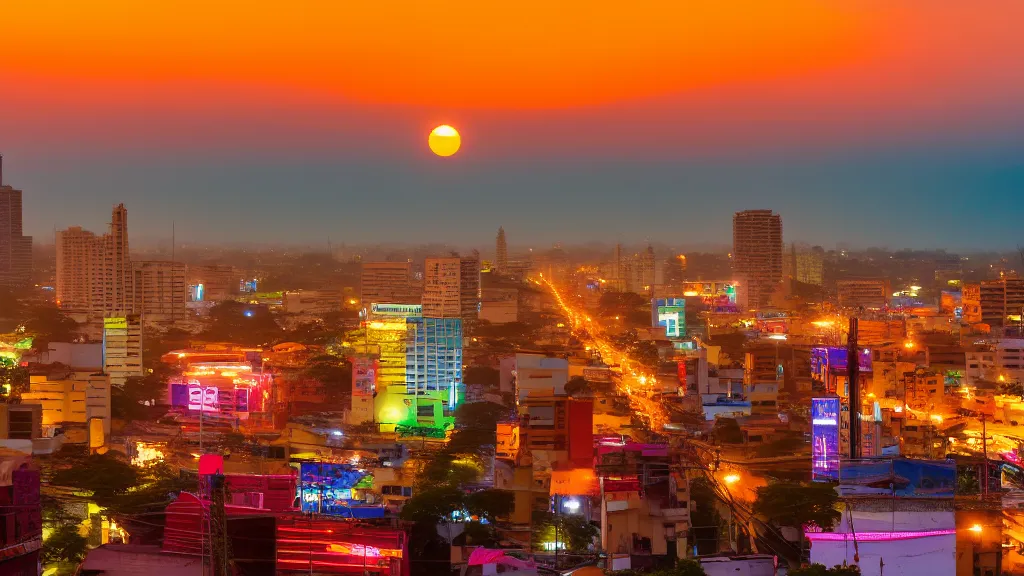
The "Garden City" continues to offer one of the most balanced economic profiles in Ghana. With an average salary of $312.50 and a traditionally accessible housing market, Kumasi provides a high standard of living rooted in rich cultural heritage. While residents must stay mindful of national inflation, the city's robust local markets and diverse economy provide a strong buffer against financial volatility.
Must-Eat: Etɔ—mashed plantain enriched with palm oil and garnished with boiled eggs, avocado, and peanuts.
Hidden Gem: The Manhyia Palace Museum, the seat of the Asantehene, offering a deep dive into the regal history of the Ashanti Kingdom.
🏆 Ranking Score: 25/100
Editorial Note: Our 2026 analysis incorporates Maglev transit potential, Brise-soleil efficiency standards, and the latest Sulfur-scrubber environmental data to ensure our rankings reflect future-proofed urban investments.
EDITOR'S ADVICE: When exploring Ghana's secondary cities, focus on the "logistics-to-lifestyle" ratio; cities like Techiman and Kumasi offer incredible value because they sit at the heart of trade routes, ensuring that both fresh produce and modern amenities are consistently affordable.