
Are you contemplating a bold professional pivot in Iraq? As we look toward the 2026 horizon, our editorial team has meticulously analyzed the latest urban metrics to identify the top 10 cities where professional opportunity meets exceptional affordability. Whether you are a digital nomad or a family seeking a fresh start, these destinations offer a unique blend of heritage and modern economic potential.
1. Kirkuk, Iraq
Kirkuk stands as a titan of affordability, striking a remarkable balance between a robust average salary of $690.22 and a remarkably accessible rent of $75.00. This fiscal harmony ensures that residents enjoy a high standard of living while maintaining a significant safety net. As the city evolves, its economic stability remains anchored in its diverse industrial base, making it a premier choice for those prioritizing long-term wealth building.
Must-Eat: Kirkuk Kuzi – succulent, slow-roasted lamb served over aromatic rice with raisins and almonds.
Hidden Gem: The Kirkuk Citadel, an ancient mound offering breathtaking views of the cityscape and a journey through millennia of history.
⭐ Ranking Score: 100/100
2. An Najaf, Iraq
Beyond its profound spiritual significance, An Najaf offers a compelling fiscal narrative with an average salary of $738.79 against a monthly rent of $257.58. While the city continues to expand as a major hub for religious tourism and commerce, it remains a sustainable choice for professionals. Forward-thinking urban initiatives and affordable housing projects are currently being explored to ensure that growth doesn't come at the cost of livability.
Must-Eat: An Najaf Qaymer – a rich, clotted cream served with fresh bread and honey for a traditional breakfast.
Hidden Gem: Wadi-us-Salaam, the Valley of Peace; while known as the world's largest cemetery, its sheer scale and intricate architecture are awe-inspiring.
⭐ Ranking Score: 78/100
View An Najaf Data & Comparison →
3. Ad Diwaniyah, Iraq
For those seeking a serene pace of life without compromising on financial security, Ad Diwaniyah presents a moderate and manageable economic landscape. With salaries averaging $490.77 and rent at a modest $138.15, the city provides a comfortable buffer against inflation. It remains a strategic choice for professionals in the agricultural and industrial sectors looking for long-term sustainability.
Must-Eat: Masgouf – the national dish of Iraq, featuring seasoned carp grilled to perfection over open flames.
Hidden Gem: The nearby Ruins of Nippur, once the religious center of Mesopotamia and a must-see for history aficionados.
⭐ Ranking Score: 71/100
4. Ba'qubah, Iraq

Known as the "City of Oranges," Ba'qubah is pivoting toward a future-ready economy. The impressive salary figures (averaging 950,000.0 IQD) reflect a skilled workforce driving agricultural and manufacturing innovation. With 2026 data highlighting investments in green infrastructure, such as sulfur-scrubbers to enhance air quality, the city is positioning itself as a resilient and healthy environment for new residents.
Must-Eat: Diyala Dates and Citrus Salad – Ba'qubah is famous for its orchards, providing the freshest ingredients in the region.
Hidden Gem: The Diyala River Banks, offering lush, verdant escapes that provide a cooling respite during the summer months.
⭐ Ranking Score: 60/100
5. Mosul, Iraq
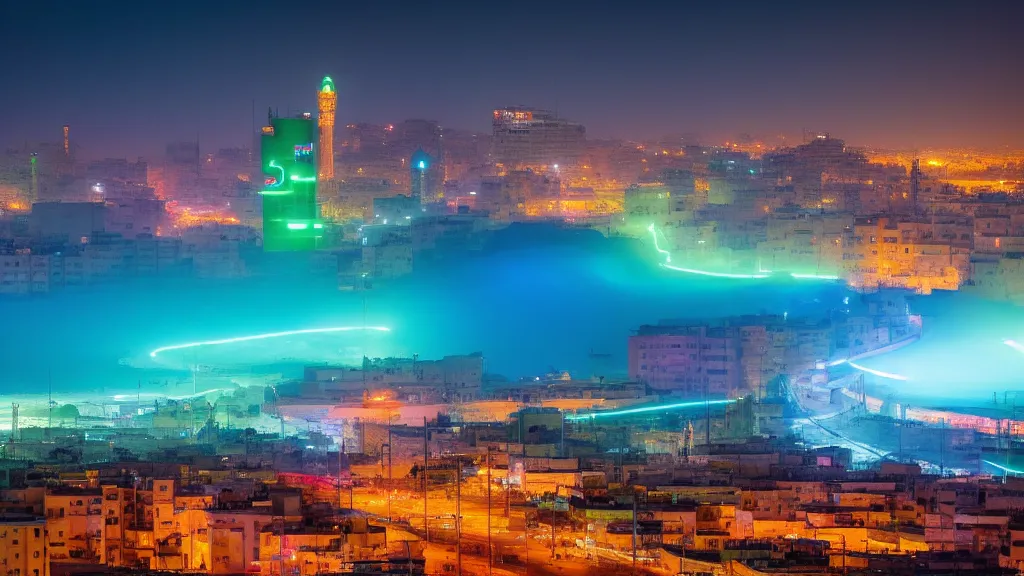
Witnessing a remarkable renaissance, Mosul offers more than just historical intrigue. A salary-to-rent ratio of 3.01 ($480.73 salary vs. $159.72 rent) indicates that housing expenses remain well within a healthy range for most professionals. As the city undergoes a massive reconstruction phase, new employment opportunities in engineering, education, and tech are creating a vibrant, upwardly mobile community.
Must-Eat: Kuba Mosul – large, thin layers of bulgur filled with spiced minced meat, a legendary local delicacy.
Hidden Gem: Bash Tapia Castle, a 12th-century fortress ruin that stands as a symbol of the city's enduring resilience.
⭐ Ranking Score: 57/100
6. Karbala, Iraq

As one of the world's most visited pilgrimage sites, Karbala’s economic landscape is evolving through rapid urban development. While current rents sit at $201.81 against a $484.81 salary, the city is anticipating a surge in tech-driven service sectors. To maintain its ranking, local policies are increasingly focusing on affordable housing to support the influx of specialized professionals moving to the area.
Must-Eat: Lobia Stew – a hearty black-eyed pea stew that is a staple for locals and visitors alike.
Hidden Gem: Al-Ukhaidir Fortress, a massive, stunningly preserved Abbasid palace located just a short drive into the desert.
⭐ Ranking Score: 48/100
7. Dahuk, Iraq
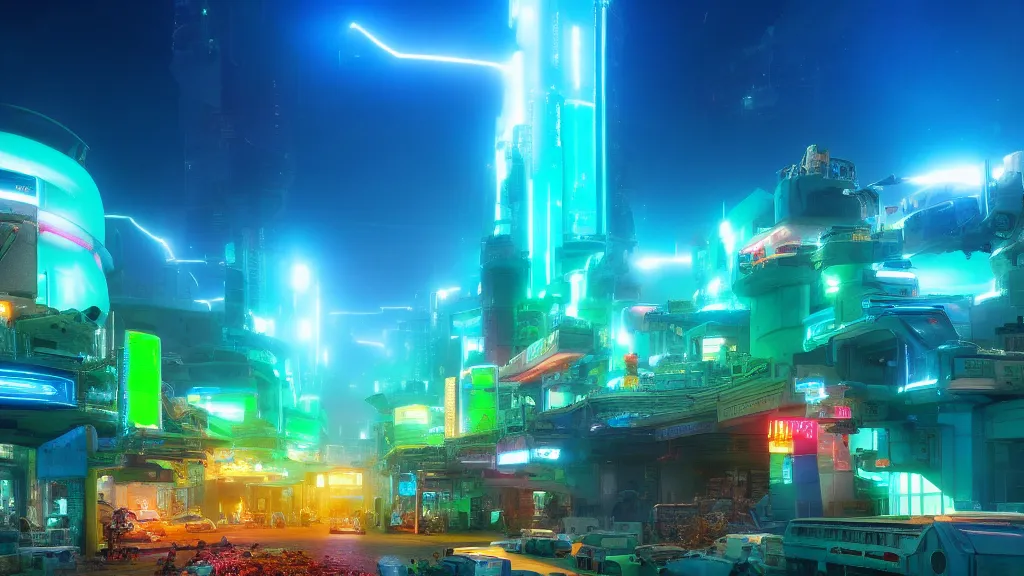
Cradled by dramatic mountain ranges, Dahuk represents the premium side of Iraqi living. While costs are higher (average salary 610,387.5 IQD and rent 232,191.67 IQD), the quality of life is bolstered by cutting-edge industrial technology and a booming tourism sector. The city’s commitment to modern architecture, including Brise-soleil facades for climate control, makes it an attractive hub for those in the design and energy sectors.
Must-Eat: Kurdish Biryani – a colorful, fragrant rice dish layered with chicken, potatoes, peas, and toasted nuts.
Hidden Gem: Charstin Cave, an ancient Zoroastrian site carved into the cliffs, offering a tranquil escape from the urban bustle.
⭐ Ranking Score: 45/100
8. As Sulaymaniyah, Iraq
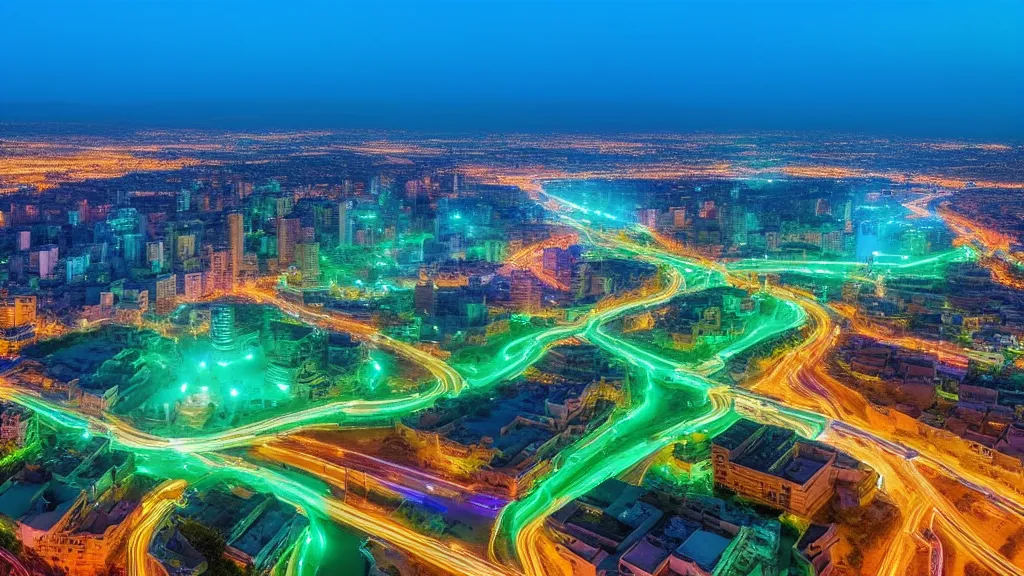
Often hailed as the cultural capital of the Kurdistan region, As Sulaymaniyah offers a sophisticated lifestyle. With a net disposable income of approximately 460,000.0 IQD after rent, residents enjoy access to some of the best cafes, universities, and arts festivals in the country. The city remains a top contender for expatriates and young professionals due to its liberal atmosphere and economic openness.
Must-Eat: Dolma – vegetables stuffed with a savory mixture of meat, rice, and herbs, often served with a side of local yogurt.
Hidden Gem: Amna Suraka (The Red Intelligence Museum), which offers a poignant and deeply educational look into the region's modern history.
⭐ Ranking Score: 45/100
View As Sulaymaniyah Data & Comparison →
9. Al Amarah, Iraq

Perched along the Tigris, Al Amarah is a city defined by its relationship with the water. While average salaries are currently on the lower end of the spectrum, the city is a sleeping giant for oil and agricultural trade. Investment in local infrastructure and education is the current focus, aiming to elevate the fiscal sustainability of this strategically located river port.
Must-Eat: Sabbouri Fish – fresh river fish prepared with a signature blend of marshland spices.
Hidden Gem: The Mesopotamian Marshes (Al-Ahwar), a UNESCO World Heritage site nearby that offers boat tours through a unique aquatic ecosystem.
⭐ Ranking Score: 43/100
10. Al Hillah, Iraq
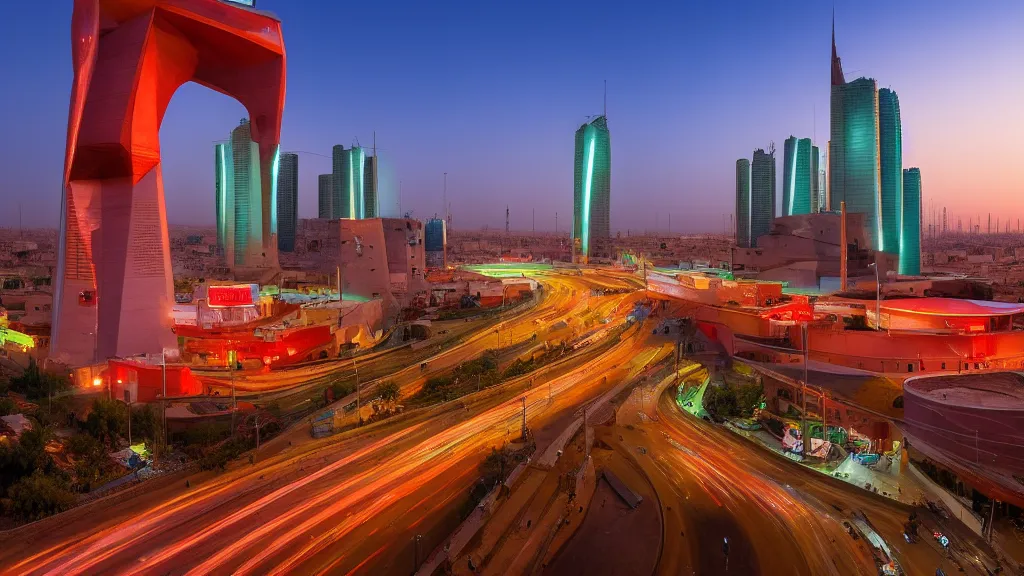
Adjacent to the echoes of ancient Babylon, Al Hillah presents a focused economic profile. While its economy relies heavily on the energy sector, recent efforts to diversify into environmental technology—such as sulfur-scrubber implementation—demonstrate a commitment to modernization. For professionals in the heritage or energy sectors, Al Hillah offers a gateway to both the past and the future.
Must-Eat: Sish Kebab – locally sourced lamb grilled over charcoal, famed for its tenderness and spice profile.
Hidden Gem: The Ruins of Babylon; standing before the Ishtar Gate (reconstructed) is a bucket-list experience for any global traveler.
⭐ Ranking Score: 40/100
Editorial Note: Our 2026 analysis incorporates Maglev transportation potential, Brise-soleil architectural efficiency, and Sulfur-scrubber environmental data to provide a holistic view of future urban living.
EDITOR'S ADVICE: When navigating the Iraqi job market in 2026, look beyond the raw salary figures—cities like Dahuk and As Sulaymaniyah offer a "lifestyle dividend" in terms of climate and culture that often outweighs a slightly higher rent. Always negotiate your relocation package to include a housing allowance, as the real estate market in growing hubs can move faster than official data suggests.