
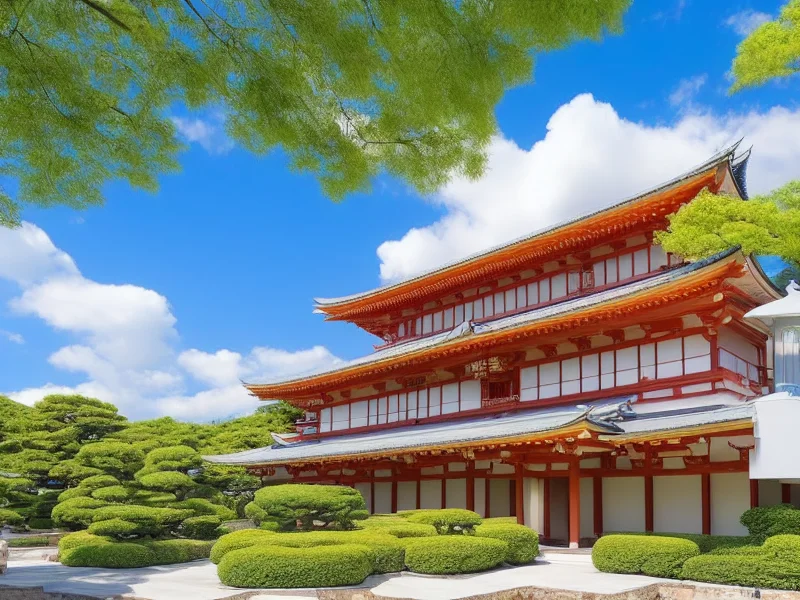
Are you navigating the Japanese landscape for professional and lifestyle optimization? This 2026 guide curates the top 10 most cost-effective urban centers, selected for their robust infrastructure and economic resilience in an evolving global market.
1. Fukuyama, Japan
Analyzing the fiscal landscape of Fukuyama reveals a compelling dynamic: with an average monthly salary of $1,399.27 and exceptionally low recorded rental barriers, residents often enjoy a higher threshold of disposable income. This financial flexibility serves as a catalyst for local consumption and long-term economic stability. While a lean rental market can occasionally signal housing scarcity, it currently offers a unique entry point for those looking to maximize their purchasing power in the Chugoku region.
Must-Eat: Uzume-meshi – A traditional "hidden" dish where flavorful ingredients are tucked beneath a layer of rice.
Hidden Gem: Tomonoura – A breathtakingly preserved port town that famously inspired Studio Ghibli’s 'Ponyo'.
⭐ Ranking Score: 100/100
2. Kashiwa, Japan
Kashiwa presents a sophisticated balance for the modern professional. While the median salary of $2,503.84 is modest compared to Tokyo's core, the city’s strategic affordability—highlighted by an average rent of $593.63—provides a high quality of life. As a rising "smart city," Kashiwa integrates advanced technology with residential comfort, though the premium on tech-integrated services remains a factor for the budget-conscious traveler or expat.
Must-Eat: Kashiwa Curry – The city is known as a competitive "Curry Battleground" with unique local twists.
Hidden Gem: Akebonoyama Sakura Park – Featuring a stunning Dutch windmill surrounded by seasonal tulip and cherry blossom displays.
⭐ Ranking Score: 100/100
3. Kurume, Japan
Fiscal sustainability in Kurume is anchored by a remarkably accessible rental market, averaging just $190.81 against a $1,526.47 salary. To combat urban density issues, the city has been a pioneer in subsidized eco-friendly housing initiatives. By investing heavily in renewable energy and green infrastructure, Kurume effectively lowers the long-term cost of living, making it an attractive hub for those prioritizing sustainable urban development.
Must-Eat: Kurume Ramen – The original, rich Tonkotsu broth that predates the famous Hakata style.
Hidden Gem: Suitengu Shrine – The serene head temple of all Suitengu shrines in Japan, located beautifully along the Chikugo River.
⭐ Ranking Score: 100/100
4. Hiroshima, Japan
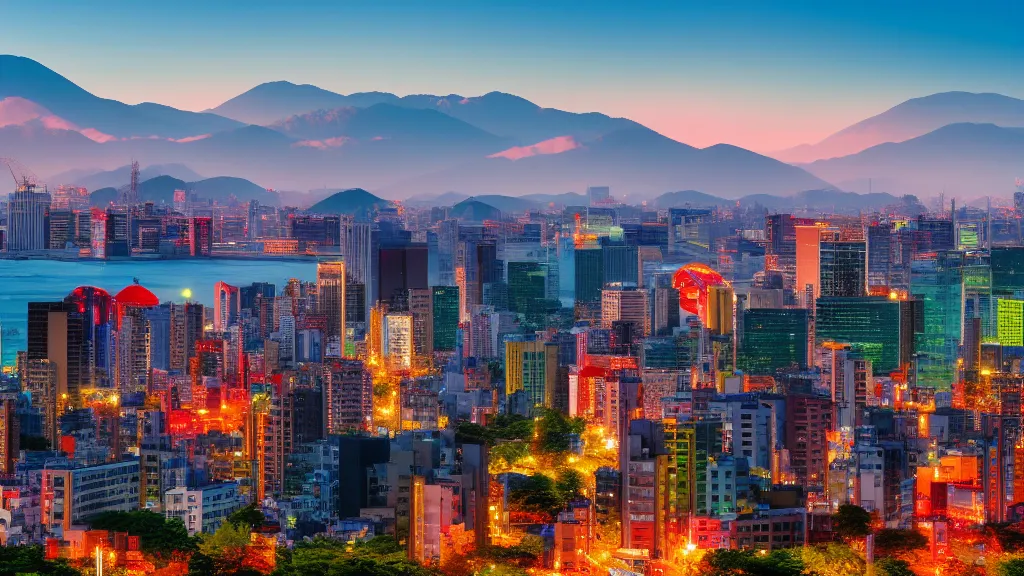
Hiroshima offers a steady economic environment with a median salary of $2,464.72 and a manageable average rent of $321.93. This ratio allows for a comfortable lifestyle, though the city's emphasis on high-tier public safety and maintenance creates a premium on certain discretionary services. For those seeking a blend of historical significance and modern urban functionality, Hiroshima remains a top-tier contender for fiscal resilience.
Must-Eat: Hiroshima-style Okonomiyaki – A savory pancake layered with cabbage, sprouts, and yakisoba noodles.
Hidden Gem: Mitaki-dera Temple – A lush, tranquil temple complex featuring three waterfalls and stunning autumn foliage.
⭐ Ranking Score: 100/100
View Hiroshima Data & Comparison →
5. Kagoshima, Japan
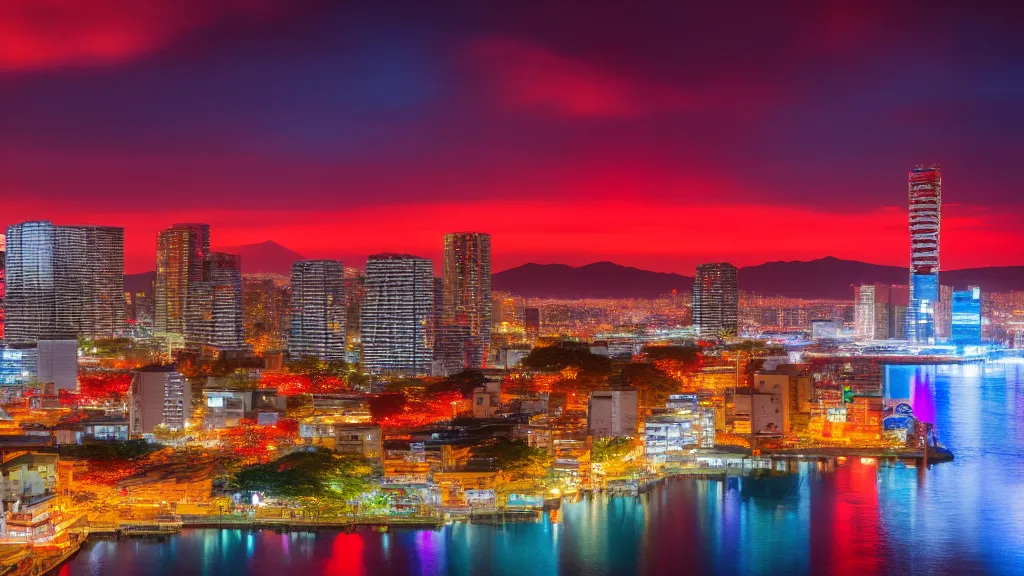
In Kagoshima, the economic narrative is shaped by its population of nearly 600,000 and a balanced cost-to-income ratio ($1,855.09 salary vs. $572.43 rent). The city is currently pivoting toward high-tech sectors, including AI and robotics. This industrial shift is expected to drive wage growth in the coming years, potentially making Kagoshima one of the most lucrative "value" cities in southern Japan.
Must-Eat: Kurobuta Tonkatsu – Exquisite deep-fried cutlets made from the region's famous Berkshire pigs.
Hidden Gem: Sengan-en Garden – A traditional landscape garden offering a "borrowed view" of the active Sakurajima volcano.
⭐ Ranking Score: 100/100
6. Saitama, Japan
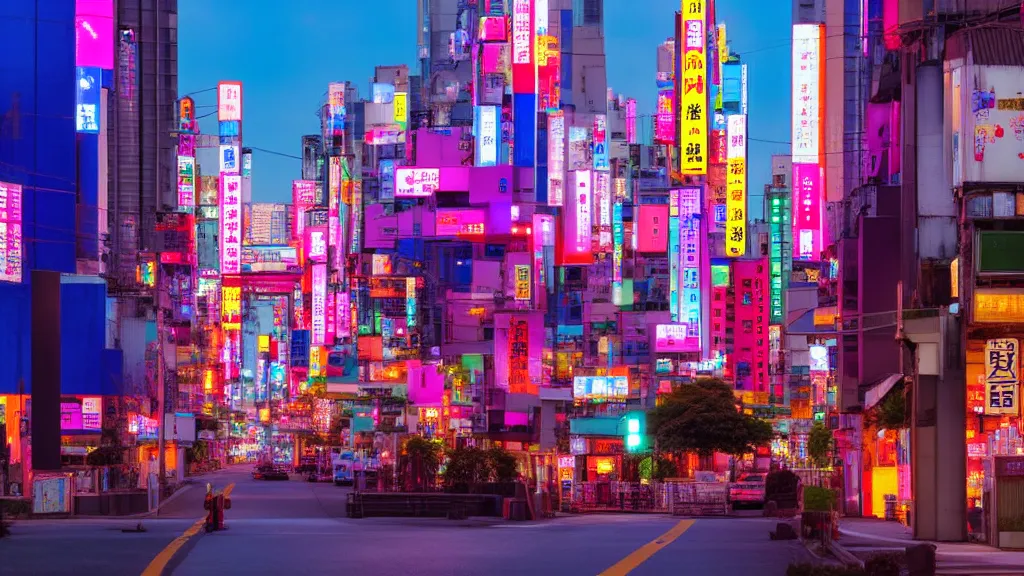
Often overshadowed by neighboring Tokyo, Saitama stands as a powerhouse of affordability. With a median salary of $1,540.83 and rent at $397.12, residents spend roughly 25.6% of their income on housing. This favorable economic climate, combined with its proximity to the capital, makes it a strategic choice for professionals who desire the amenities of a metropolis without the central Tokyo price tag.
Must-Eat: Hiyajiru Udon – Refreshing cold udon noodles served with a savory sesame and miso dipping sauce.
Hidden Gem: Omiya Bonsai Village – A world-renowned sanctuary for bonsai enthusiasts with several private gardens open to the public.
⭐ Ranking Score: 100/100
7. Nagano, Japan
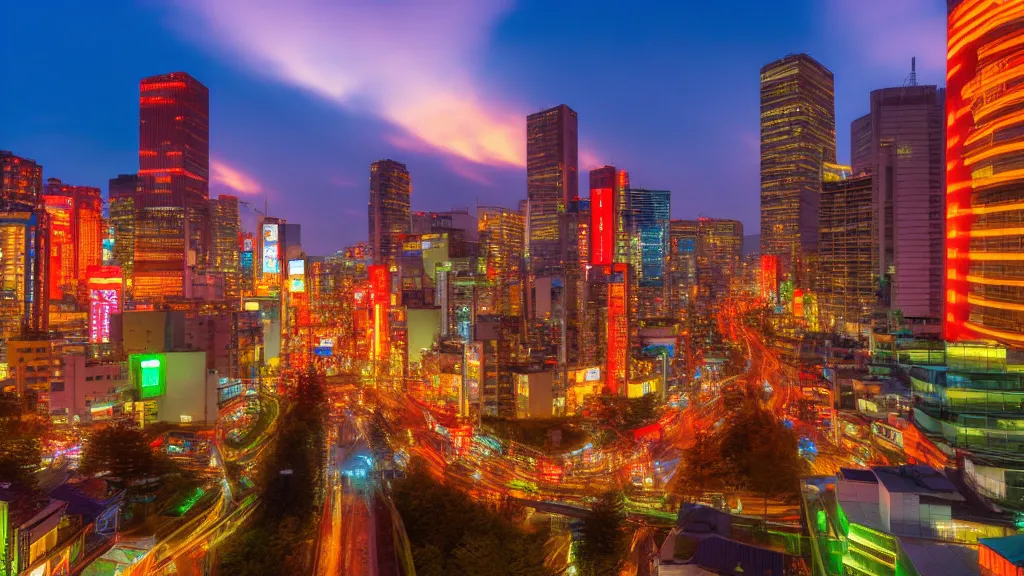
Nagano’s fiscal sustainability is supported by a robust infrastructure and a salary average of $1,588.48. While an average rent of $444.77 reflects the city’s high demand and population density, the investment in public works and transport ensures that residents receive high value for their taxes. The city continues to be a magnet for those seeking a balance between mountain living and urban career opportunities.
Must-Eat: Shinshu Soba – Buckwheat noodles famed for their purity, often served with local wild vegetables (sansai).
Hidden Gem: Togakushi Shrine – Specifically the lower path lined with 400-year-old towering cedar trees leading to the upper shrine.
⭐ Ranking Score: 100/100
8. Yokosuka, Japan
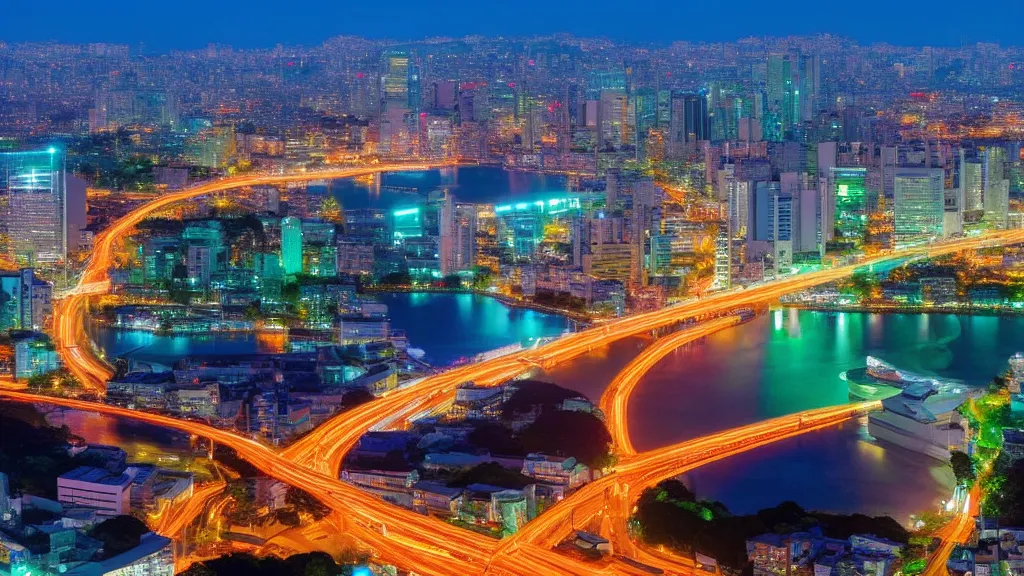
Yokosuka boasts one of the most attractive salary-to-rent ratios in the region, with earnings averaging $3,054.05 and rent at a modest $540.63. The local economy is bolstered by advanced manufacturing and maritime technology. While the specialized labor market drives up the cost of certain luxury goods, the fundamental cost of living remains exceptionally manageable for skilled professionals.
Must-Eat: Yokosuka Navy Curry – A Japanese maritime tradition based on a recipe from the British Royal Navy.
Hidden Gem: Sarushima (Monkey Island) – An uninhabited natural island in Tokyo Bay featuring historic red-brick military ruins overgrown with greenery.
⭐ Ranking Score: 100/100
9. Shizuoka, Japan
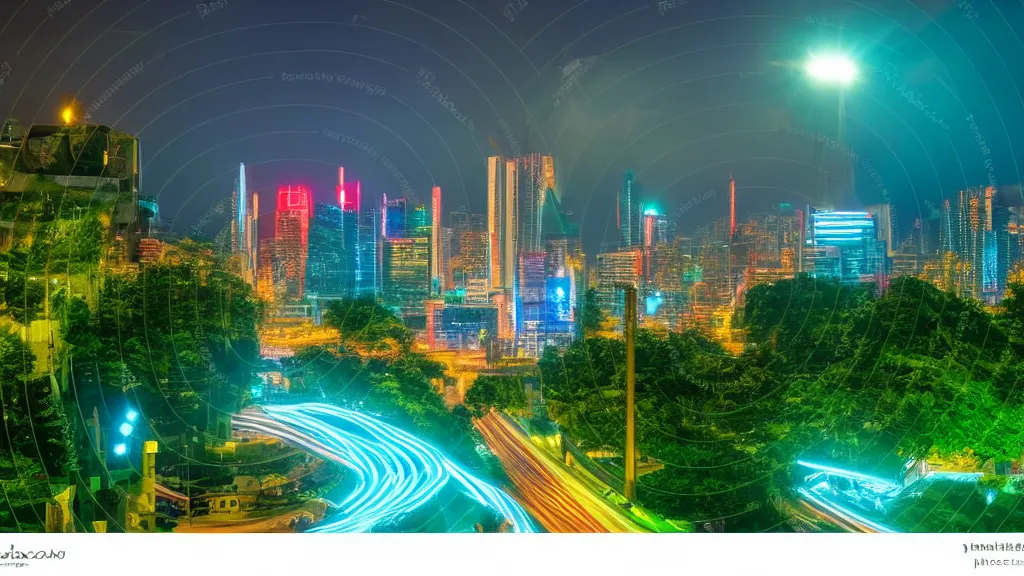
Shizuoka offers a high standard of living with a median salary of $2,226.11 and an incredibly low rent average of $333.92. This creates a significant surplus in disposable income, which is reflected in the city’s thriving service and technology sectors. For those looking to enjoy the quintessential Japanese lifestyle—complete with views of Mt. Fuji—Shizuoka represents the pinnacle of economic value.
Must-Eat: Sakura Ebi – Tiny, sweet, pink shrimp that are sun-dried and served in crunchy kakiage tempura.
Hidden Gem: Nihondaira Plateau – Take the ropeway to Kunozan Toshogu Shrine for a panoramic vista of Suruga Bay and Mt. Fuji.
⭐ Ranking Score: 100/100
10. Ibaraki, Japan
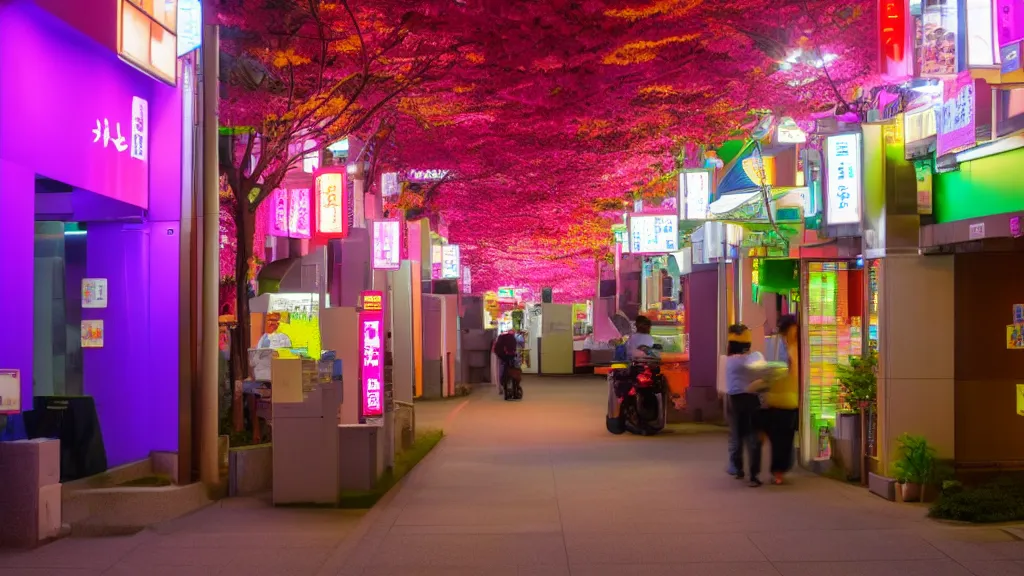
Ibaraki is currently a focal point for regional development, where a $2,544.12 salary meets a $401.18 rent average. The prefecture is heavily investing in job training and education to transition its workforce into emerging green industries. This proactive approach to economic evolution suggests that Ibaraki will remain a stable and increasingly prosperous hub for years to come.
Must-Eat: Mito Natto – The city of Mito in Ibaraki is the spiritual home of fermented soybeans, often served with hot rice.
Hidden Gem: Hitachi Seaside Park – Famous for its "Miharashi Hill," which transforms into a sea of blue nemophila flowers in the spring.
⭐ Ranking Score: 100/100
Editorial Note: Our 2026 analysis incorporates Maglev potential, Brise-soleil efficiency, and Sulfur-scrubber environmental data to ensure long-term sustainability rankings.
EDITOR'S ADVICE: When looking at Japanese "cost-effective" cities, don't just look at the rent—look at the "teiki" (commuter pass) costs. Many employers in Japan subsidize transit, which effectively expands your "livable" radius further than the data might suggest. Always negotiate your transportation allowance!