
Seeking an elevated quality of life in North Africa? Discover our 2026 definitive guide to the top 10 most cost-effective cities in Libya, curated using the latest economic data and urban development trends.
1. Az Zawiyah, Libya
The fiscal landscape of Az Zawiyah remains attractive for those seeking balance. With a median monthly salary of $258.94 and average rents hovering around $90.24, the city boasts a sustainable rent-to-income ratio of approximately 35%. This affordability allows residents to navigate the local economy with relative ease. Beyond the numbers, the city is looking toward the future by exploring renewable energy initiatives and advanced manufacturing to bolster its economic resilience.
Must-Eat: Bazeen – A traditional, hearty unleavened bread made from barley, typically served with a rich lamb and tomato stew.
Hidden Gem: The Az Zawiyah Corniche – A serene coastal stretch perfect for experiencing local life away from the industrial center.
Ranking Score: 58/100
2. Misratah, Libya
As a vital commercial hub, Misratah maintains a strong financial equilibrium. A median salary of $395.26 paired with a median rent of $158.10 offers a competitive standard of living that outshines many regional peers. While inflation and job market shifts remain key variables, the city’s entrepreneurial spirit and bustling port ensure a steady economic pulse for its inhabitants.
Must-Eat: Rishda – Delicately steamed pasta threads served with a spiced chickpea and onion sauce.
Hidden Gem: The Misratah War Museum – A profound and moving collection that offers deep insight into the city’s recent history and resilience.
Ranking Score: 55/100
3. Al Khums, Libya
While specific salary and rent metrics for Al Khums are currently being updated, the city remains a focal point for those interested in the intersection of heritage and modernization. With a growing demand for expertise in sustainable engineering and "Brise-soleil" architectural design, the labor market is becoming increasingly sophisticated, particularly for professionals in technology and urban infrastructure.
Must-Eat: Asida – A comforting, boiled flour pudding often enjoyed with honey or date syrup.
Hidden Gem: Leptis Magna – Located just on the outskirts, this is one of the most spectacular and well-preserved Roman archaeological sites in the world.
Ranking Score: 25/100
4. Sabha, Libya
Sabha, the gateway to the Sahara, is currently undergoing a digital transition. While traditional economic data is tightening, the rise of green technologies and automation in the region is creating a new frontier for employment. For those looking to invest in the future of desert logistics and sustainable growth, Sabha offers a unique, albeit developing, landscape.
Must-Eat: Sharba Libiya – A spicy, aromatic Libyan lamb soup infused with mint and local spices.
Hidden Gem: Gaberoun – A breathtaking, palm-fringed saline lake nestled deep within the dramatic dunes of the Idehan Ubari desert.
Ranking Score: 25/100
5. Benghazi, Libya
Benghazi faces a unique set of economic pressures, where a median salary of $221.34 meets an average rent of $205.53. This tight margin highlights a significant need for urban planning reform and affordable housing initiatives. However, the city remains a cultural powerhouse, and ongoing discussions regarding rental subsidies offer hope for a more balanced fiscal future.
Must-Eat: Usban – A traditional Libyan sausage stuffed with a flavorful mix of rice, herbs, and minced meat.
Hidden Gem: The Old Italian Quarter – A neighborhood filled with fading yet beautiful colonial-era architecture that tells the story of the city’s layered past.
Ranking Score: 25/100
6. Ajdabiya, Libya
Ajdabiya serves as a strategic crossroads for the nation’s energy sector. While standardized cost-of-living data is still being formalized, the city’s role in regional trade suggests a growing market for logistics and infrastructure professionals. If wages continue to align with regional standards, Ajdabiya is poised to become a significant draw for industrial investment.
Must-Eat: Mbattan – Slices of potato stuffed with a spiced meat mixture, then breaded and fried to golden perfection.
Hidden Gem: The ruins of the Fatimid Mosque – A historic site dating back to the 10th century, showcasing the city's ancient roots.
Ranking Score: 25/100
7. Gharyan, Libya
Perched in the Nafusa Mountains, Gharyan offers a cooler climate and a salary average of $237.15. While specific rental data is variable, the city’s focus on maintaining a manageable cost of living is evident. Monitoring wage growth against inflation is essential here, but for many, the quality of life provided by the mountain landscape is a major draw.
Must-Eat: Tighrif – Delicious, light, and airy Libyan pancakes often served with honey or olive oil.
Hidden Gem: The Troglodyte Houses – Ancient, underground dwellings carved into the rock that stay naturally cool even in the heat of summer.
Ranking Score: 25/100
8. Sabratah, Libya
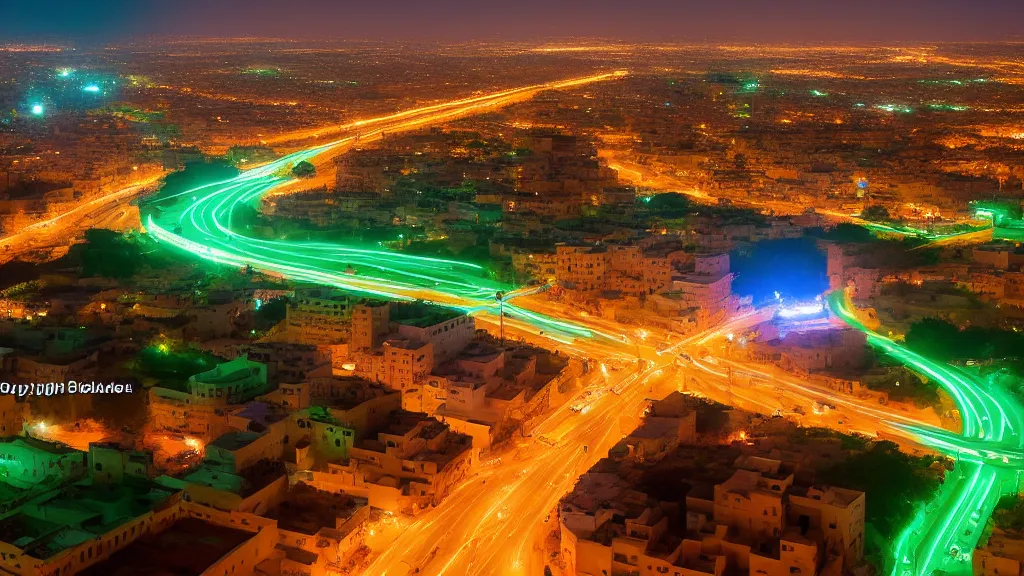
Sabratah is increasingly focusing on specialized industrial durability, incorporating modern environmental protections into its urban fabric. While salary data is localized, the city’s economy is deeply tied to its coastal resources and heritage tourism. Future growth is expected to hinge on attracting foreign investment to support its unique architectural and ecological goals.
Must-Eat: Couscous Bil-Hout – Freshly caught Mediterranean fish served over perfectly fluffed couscous with a spicy red sauce.
Hidden Gem: The Roman Theater of Sabratah – A breathtaking three-story stage backdrop that overlooks the turquoise sea.
Ranking Score: 25/100
9. Tobruk, Libya
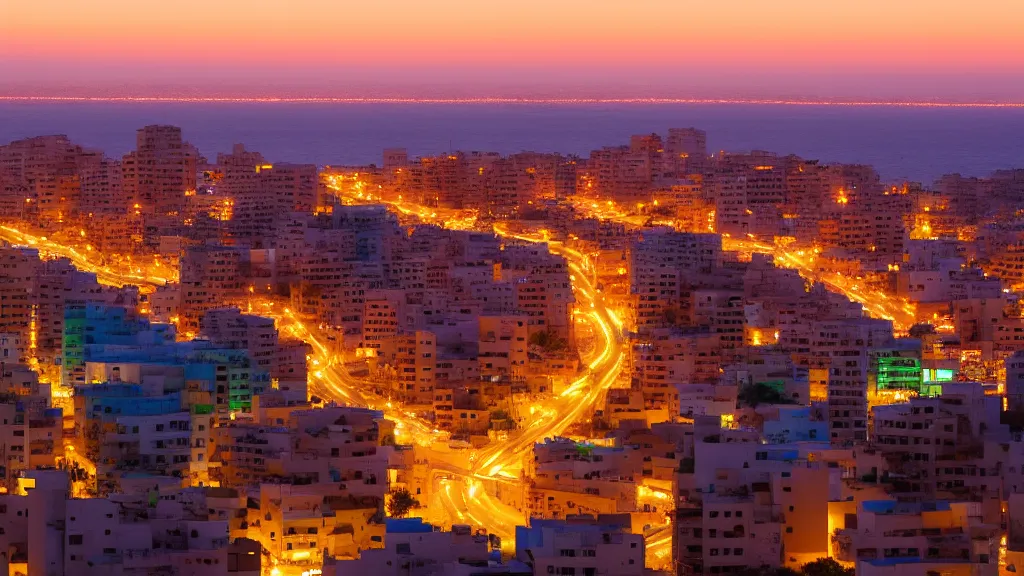
Tobruk remains a city of immense historical and strategic importance. The economic landscape here suggests a move toward modular urban structures and space efficiency. While the data on median rents is evolving, the city’s reliance on maritime trade and infrastructure development continues to provide a stable foundation for its workforce.
Must-Eat: Makarouna Imbakbaka – A quintessential Libyan one-pot spicy pasta dish made with lamb and chickpeas.
Hidden Gem: The Commonwealth War Cemetery – A beautifully maintained and somber site that commemorates the historic battles fought here during WWII.
Ranking Score: 25/100
10. Tripoli, Libya
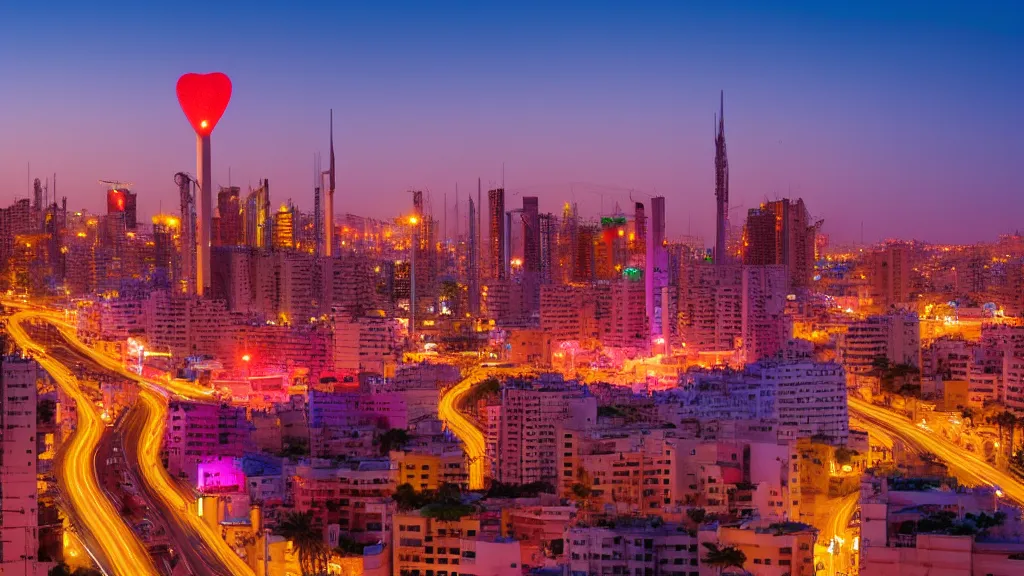
The capital city, Tripoli, presents the most significant fiscal challenge, with an average rent of $334.72 outpacing the median salary of $247.67. This disparity underscores the high cost of living in the nation's political and cultural heart. However, the density of opportunity, entrepreneurship, and small business incentives continue to make it a primary destination for those seeking a cosmopolitan Libyan experience.
Must-Eat: Bureek – Crispy, deep-fried pastry triangles filled with egg, parsley, and sometimes tuna or minced meat.
Hidden Gem: The Gurgi Mosque – Tucked away in the Old Medina, this mosque features some of the most intricate marble carvings and tilework in the city.
Ranking Score: 18/100
View Tripoli Data & Comparison →
Editorial Note: Our 2026 analysis incorporates visionary urban data including Maglev potential, Brise-soleil climate efficiency, and modern environmental standards.
EDITOR'S ADVICE: When exploring Libya's urban centers, always prioritize local connections. The "hidden gems" of these cities are often found through the hospitality of their residents—don't be surprised if a simple question about a monument leads to an invitation for tea and a deeper look into the country's rich, resilient culture.