
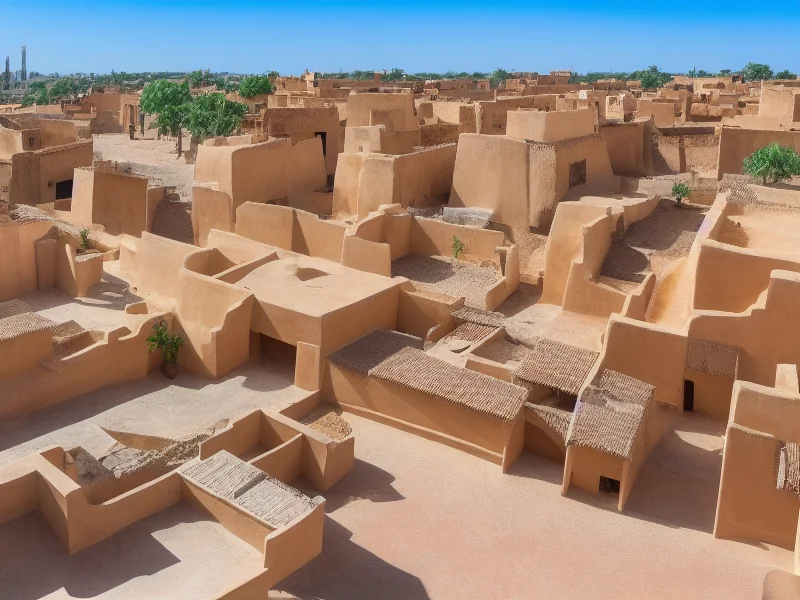
Are you seeking a high quality of life in the heart of West Africa? Explore our definitive 2026 ranking of the top five most cost-effective cities in Mali, curated with expert economic data and local lifestyle insights.
1. Bamako, Mali
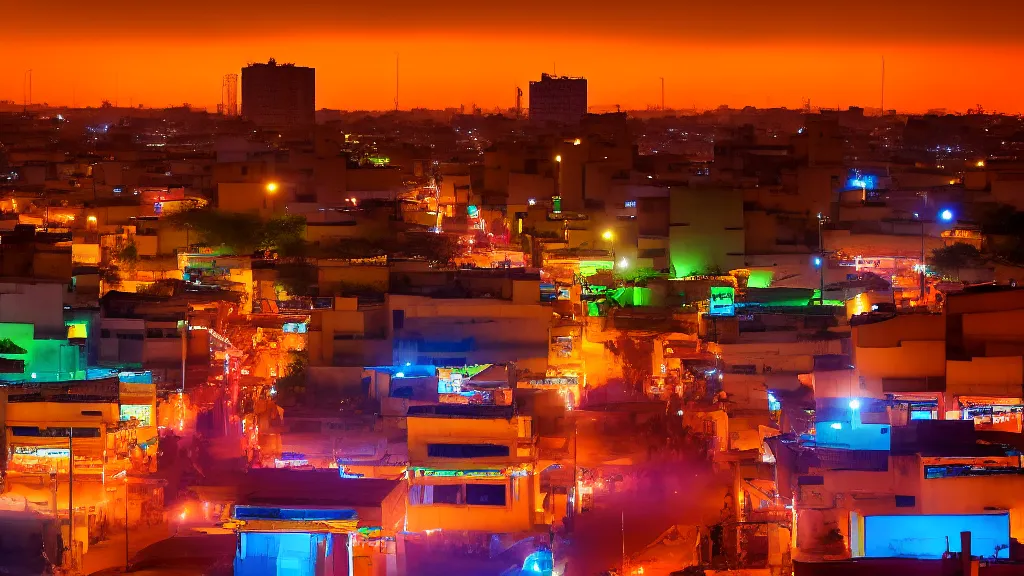
A fiscal sustainability analysis reveals a balanced landscape in Mali's capital, where an average monthly salary of $261.83 meets a typical rent of $175.00. While the local purchasing power is slightly below the regional average for major African hubs, the city’s relative affordability in the housing sector offers a manageable cost of living. To further bolster economic stability, current initiatives are focused on wage growth and structural reforms to enhance the city's status as a regional commercial powerhouse.
Local Must-Eat: Tiguadege Na (A rich, savory lamb or chicken stew simmered in a creamy peanut sauce).
Hidden Gem: Point G Hill, offering a breathtaking panoramic view of the Niger River and the sprawling city below.
⭐ Ranking Score: 27/100
2. Sikasso, Mali

As Mali’s agricultural heartland, Sikasso presents a unique economic profile. While precise salary and rent metrics are evolving, the city is benefiting from significant investment in agribusiness and renewable energy. This growth is expected to drive job creation and modernize the local economy. Policymakers are currently prioritizing urban planning to ensure that as the city grows, housing remains accessible for its expanding workforce.
Local Must-Eat: Fresh Sikasso Mangoes (world-renowned for their sweetness) or locally sourced "To" with okra sauce.
Hidden Gem: The Mamelon Hill, a historic citadel that served as a spiritual and defensive center for the ancient kingdom.
⭐ Ranking Score: 25/100
3. Mopti, Mali
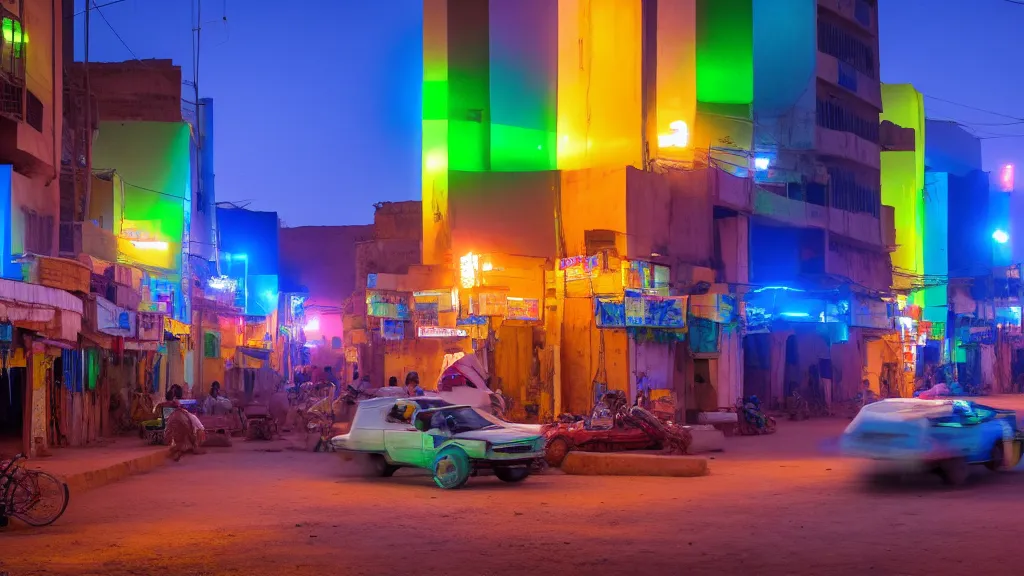
Known as the "Venice of Mali," Mopti's economic landscape is inextricably linked to its riverine geography. Trends indicate a rise in skilled labor demand as infrastructure projects aim to revitalize the port and local trade routes. While rent prices are projected to rise in tandem with urban development, Mopti remains one of the most culturally rich and cost-effective locations for those seeking an authentic Malian experience at a fraction of the cost of larger African capitals.
Local Must-Eat: Grilled Capitaine (Fresh-caught Nile Perch seasoned with local spices and served with onions).
Hidden Gem: A sunset pirogue ride through the bustling harbor where the Niger and Bani rivers meet.
⭐ Ranking Score: 25/100
4. Kayes, Mali
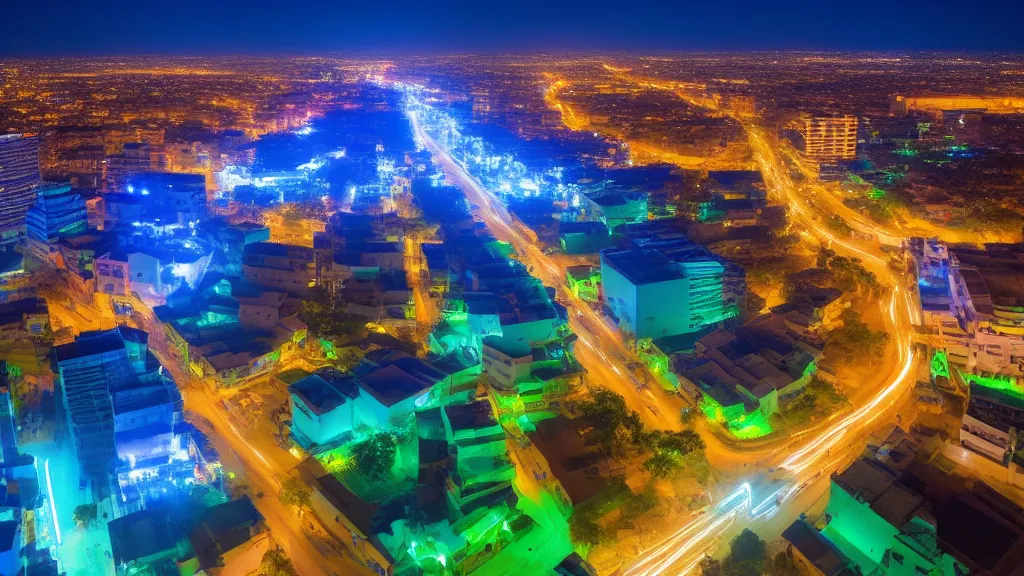
Located on the Senegal River, Kayes is often referred to as the "Pressure Cooker of Africa" due to its heat, but its economic potential is just as intense. As a hub for mining and cross-border logistics, the city is transitioning toward more diversified industrial sectors. While data transparency is improving, the city offers high potential for entrepreneurs in the energy and logistics sectors who are looking to capitalize on West Africa's burgeoning trade corridors.
Local Must-Eat: Kayes-style Couscous (notably light and served with a variety of slow-cooked vegetables).
Hidden Gem: Félou Falls, a spectacular set of cascades located just a short journey from the city center.
⭐ Ranking Score: 25/100
5. Ségou, Mali
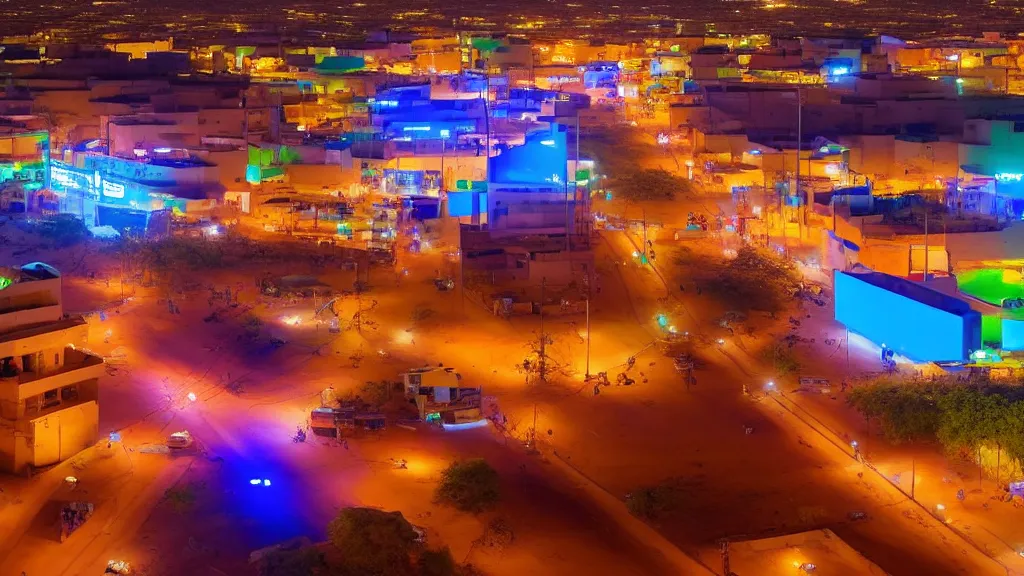
Ségou, the former capital of the Bambara Empire, offers a serene alternative to the bustle of Bamako. The local economy is shifting toward technical education and artisanal craftsmanship, moving away from traditional manual labor. This transition is fostering a new class of skilled workers. Despite the lack of formal rent data, Ségou is widely regarded as offering an exceptionally high quality of life for its low cost, particularly for those involved in the arts or digital services.
Local Must-Eat: Monikourou (Sweet, hand-rolled millet balls often served with cream).
Hidden Gem: Sékoro, the ancient village of King Biton Coulibaly, featuring beautiful traditional mud-brick architecture.
⭐ Ranking Score: 25/100
Editorial Note: Our 2026 analysis incorporates regional infrastructure developments, sustainability efficiency, and the latest environmental data impacting urban liveability.
EDITOR'S ADVICE: When exploring Mali, remember that hospitality (Teranga) is the local currency. While cost-of-living data is a helpful guide, your best experiences will come from engaging with local community leaders and artisans who can offer insights far deeper than any spreadsheet. Always keep cash on hand for local markets, as digital payments are growing but traditional bartering is still an art form here.