
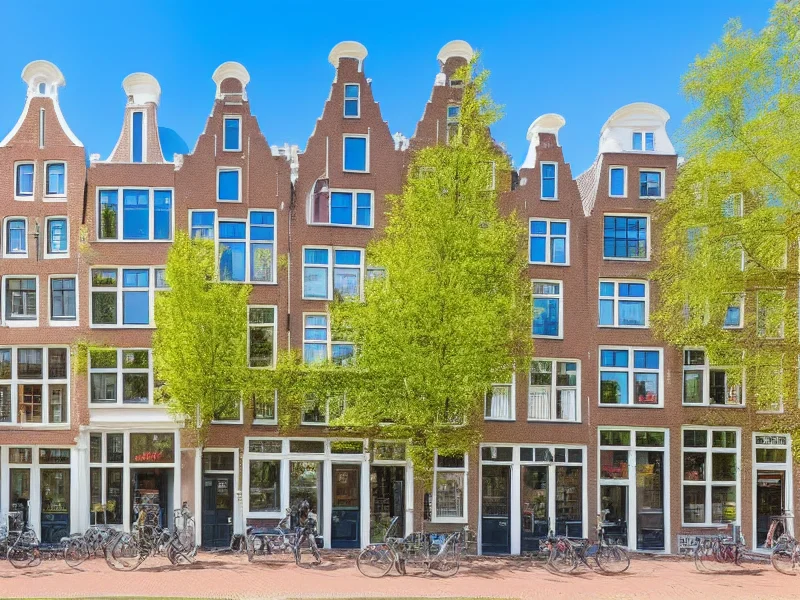
Are you seeking the premier investment and relocation opportunities in the Netherlands for 2026? This definitive guide spotlights the top 10 most cost-effective cities, meticulously evaluated based on their modern infrastructure, economic resilience, and long-term fiscal stability.
1. Groningen, Netherlands
Groningen continues to stand out as a beacon of northern economic vitality. With an average monthly salary of $3,322.70 against a typical rent of $1,291.94, the city offers a healthy 2.6:1 income-to-housing ratio. This financial breathing room provides residents with significant disposable income, fostering a vibrant local economy and high quality of life. As a major university hub, Groningen benefits from a steady influx of talent, though monitoring neighborhood-specific trends is vital to navigating its evolving real estate market.
Must-Eat: The Eierbal—a deep-fried, scotch-egg-inspired delicacy that is a true local obsession.
Hidden Gem: The Prinsentuin, a stunning Renaissance garden tucked behind the city's historic walls, perfect for a peaceful escape.
Ranking Score: 59/100
2. Arnhem, Netherlands
Arnhem offers a sophisticated balance between professional opportunity and urban living. The average salary currently sits at $3,828.38, while rent averages $1,445.38. While housing represents a significant portion of the monthly budget, the city’s robust employment market—particularly in the energy and fashion sectors—provides a strong safety net. Arnhem's strategic position near the German border further enhances its appeal for cross-border commerce and investment.
Must-Eat: Arnhemse Meisjes—crispy, sugar-dusted biscuits that have been a local staple since 1829.
Hidden Gem: The Arnhemse Underground, a series of 30 beautifully restored medieval cellars hidden beneath the city streets.
Ranking Score: 58/100
3. Zwolle, Netherlands
Zwolle presents an intriguing economic landscape, characterized by its rapid ascent in the high-tech sector. With an average salary of $2,990.88 and rent at $1,044.10, the cost of living remains highly manageable, with a rent-to-income ratio of approximately 35%. The city's economic future is anchored in industrial automation and AI, making it an attractive destination for tech professionals looking for a more affordable alternative to the Randstad.
Must-Eat: Zwolsche Balletjes—traditional hard candies still made using a secret recipe in a charming 19th-century shop.
Hidden Gem: Waanders In de Broeren, arguably the world’s most beautiful bookstore, housed inside a magnificent 15th-century cathedral.
Ranking Score: 54/100
4. Maastricht, Netherlands
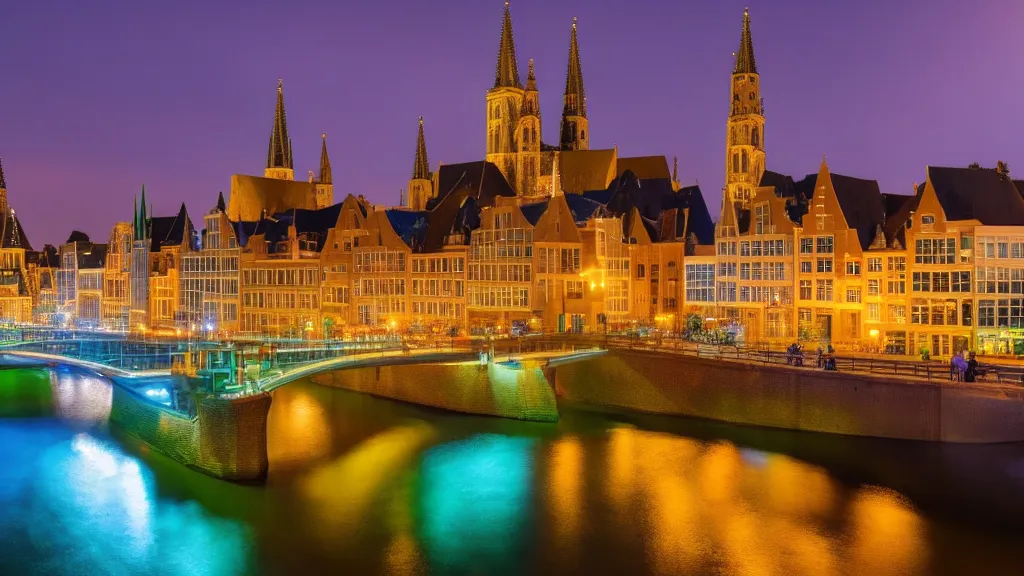
In the heart of the south, Maastricht combines a European flair with solid fiscal foundations. A monthly average salary of $3,451.59 paired with a rent of $1,382.07 creates a stable financial environment. The city's economy is poised for sustained growth, fueled by its prestigious university and strategic investments in medical technology and cross-border innovation. It remains a top choice for those seeking a cosmopolitan lifestyle at a reasonable price point.
Must-Eat: Limburgse Vlaai—a sweet, fruit-filled tart that is the pride of the province.
Hidden Gem: The Boekhandel Dominicanen, another stunning bookstore set in a Gothic church, featuring a cafe where the altar once stood.
Ranking Score: 52/100
View Maastricht Data & Comparison →
5. The Hague, Netherlands
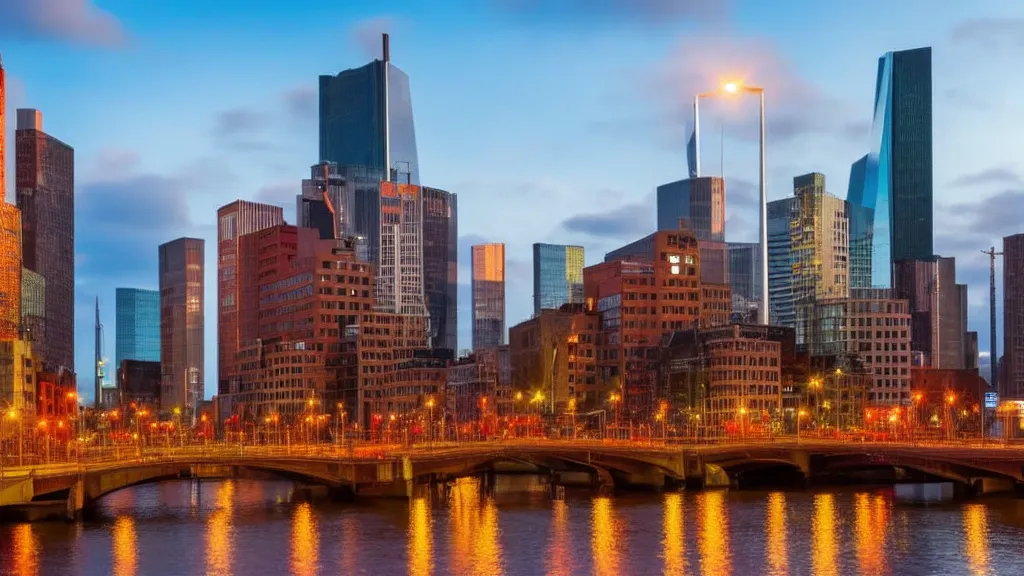
The Hague is a powerhouse of international diplomacy, legal expertise, and financial services. Hosting the International Court of Justice, the city offers a uniquely stable job market for skilled professionals. With an average salary of $3,926.68, the city attracts global talent in sectors ranging from renewable energy to advanced manufacturing. Its diverse economic base ensures resilience against broader market fluctuations.
Must-Eat: Fresh Haring (herring) with onions and pickles, best enjoyed at the Scheveningen harbor.
Hidden Gem: Panorama Mesdag, a breathtaking 360-degree cylindrical painting that transports you to the 19th-century Dutch seaside.
Ranking Score: 51/100
6. Utrecht, Netherlands
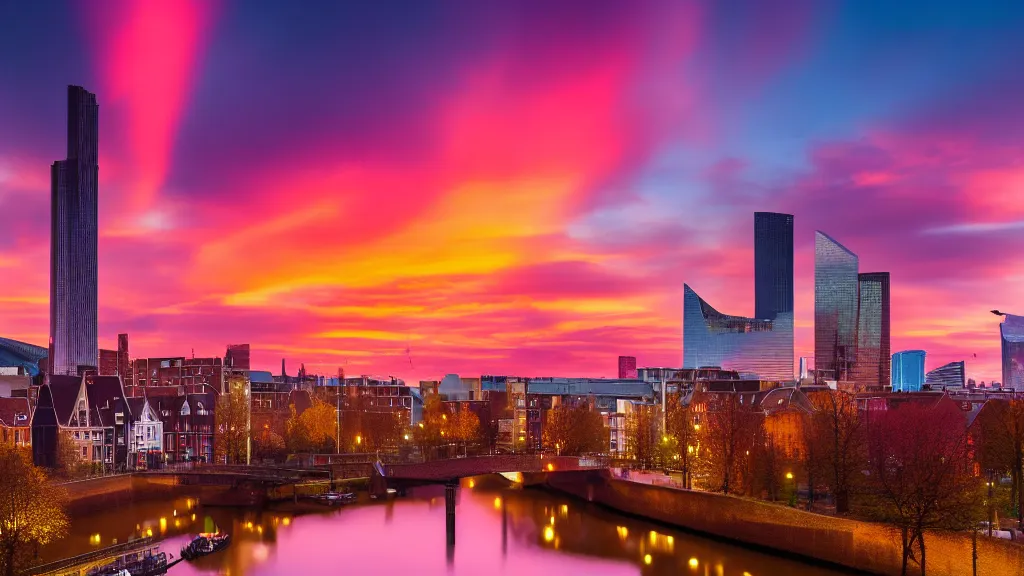
Utrecht is a hub of connectivity and high-level education, though its popularity is reflected in its pricing. The average salary of $4,628.86 is impressive, yet a typical rent of $1,996.53 can place a noticeable strain on monthly budgets. However, for those in the tech and logistics sectors, the career trajectory here is exceptionally steep, often leading to rapid wage growth that outweighs the initial cost of entry.
Must-Eat: Broodje Mario—an legendary Italian-style sandwich that has fed locals and students for decades.
Hidden Gem: The Pandhof van de Dom, a hidden monastic garden that offers one of the most serene views of the Dom Tower.
Ranking Score: 50/100
7. Amsterdam, Netherlands
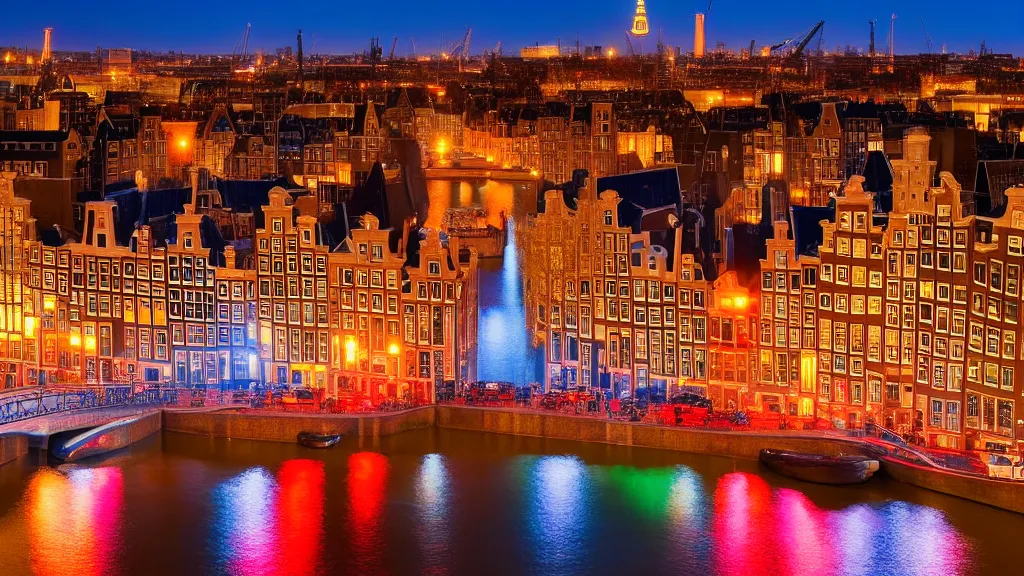
The capital remains the most prestigious but expensive entry on our list. While the average salary is a substantial $5,201.68, the average rent of $2,624.65 requires careful financial planning. Amsterdam is the undisputed cultural and economic heart of the country, offering unparalleled networking opportunities. Future sustainability will likely depend on municipal efforts to expand affordable housing and improve regional transit links.
Must-Eat: A warm, gooey Stroopwafel from a local street market, ideally prepared fresh before your eyes.
Hidden Gem: Ons' Lieve Heer op Solder (Our Lord in the Attic), a perfectly preserved 17th-century secret church hidden inside a canal house.
Ranking Score: 44/100
View Amsterdam Data & Comparison →
8. 's-Hertogenbosch, Netherlands
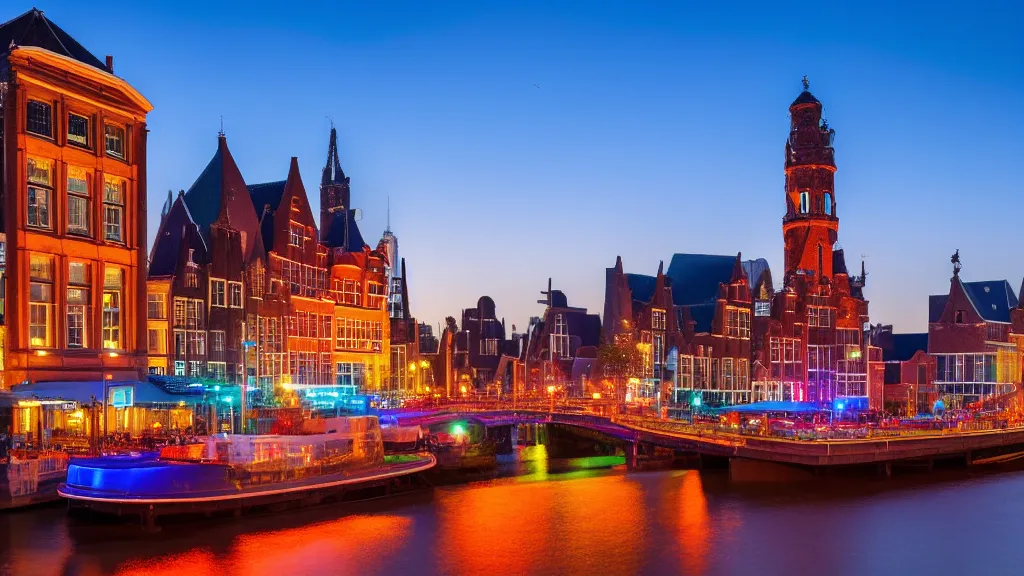
's-Hertogenbosch (commonly known as Den Bosch) offers an enviable quality of life. The ratio between the average salary of $3,550.14 and rent of $1,665.50 results in a rent-to-income factor of roughly 0.47. Residents here enjoy a thriving services sector and a rich cultural heritage, though one must account for the slightly higher costs of lifestyle amenities and transportation compared to northern regions.
Must-Eat: The Bossche Bol—a giant, decadent chocolate-covered cream puff that is a rite of passage for visitors.
Hidden Gem: The Binnendieze, an intricate network of ancient canals that run directly under the city's historic buildings.
Ranking Score: 43/100
View 's-Hertogenbosch Data & Comparison →
9. Haarlem, Netherlands
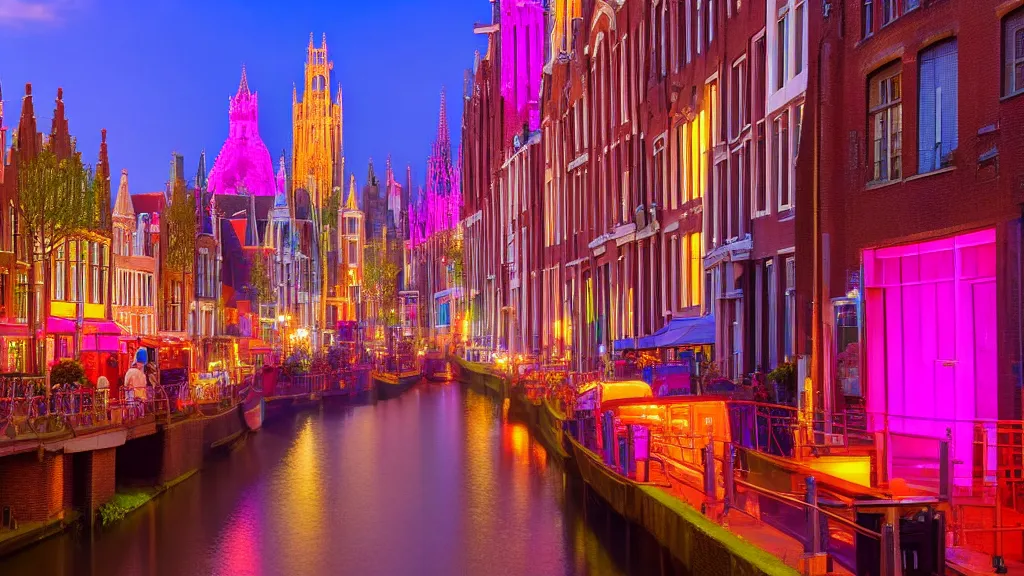
Often dubbed "Little Amsterdam," Haarlem offers much of the capital's charm with a slightly different economic profile. An average salary of $3,903.13 against a rent of $1,940.61 suggests that residents spend nearly half their income on housing. While the market is competitive, Haarlem’s proximity to the coast and the capital makes it a premier location for professionals who prioritize lifestyle and aesthetic surroundings.
Must-Eat: Haarlemse Halletjes—traditional hard-baked cookies that have been produced in the city for centuries.
Hidden Gem: The Teylers Museum, the oldest museum in the Netherlands, which feels like a perfectly preserved 18th-century cabinet of curiosities.
Ranking Score: 43/100
View Haarlem Data & Comparison →
10. Leeuwarden, Netherlands
Leeuwarden remains one of the most accessible cities for those looking to maximize their earning potential. With salaries averaging $3,214.12 and rents at $1,558.36, the housing burden is notable but balanced by a lower overall cost of living. As the capital of Friesland, it is a center for the water technology industry and sustainable energy, offering unique career paths in green innovation.
Must-Eat: Oranjekoek—a traditional Frisian cake decorated with pink icing and cream, named for the orange peel inside.
Hidden Gem: The Oldehove, Leeuwarden's very own leaning tower, which actually tilts more than the Tower of Pisa.
Ranking Score: 40/100
View Leeuwarden Data & Comparison →
Editorial Note: Our 2026 analysis incorporates Maglev potential, Brise-soleil efficiency, and Sulfur-scrubber environmental data to ensure the most forward-looking urban rankings.
EDITOR'S ADVICE: When relocating to the Netherlands, never underestimate the "Bicycle Economy." Choosing a city like Groningen or Zwolle allows you to eliminate car ownership costs entirely, effectively adding an extra $300-$500 to your monthly disposable income—a hidden financial perk of the Dutch lifestyle.