
Looking for the best opportunities in Ontario, Canada? This 2026 guide highlights the top 10 most cost-effective cities based on infrastructure and economic resilience.
1. Ottawa, Canada

The fiscal sustainability analysis for Ottawa reveals that the average salary of 4047.2$ and average rent of 1471.25$ present a manageable burden on residents, with a rental affordability index of approximately 3. The city's economy is characterized by a strong focus on technological advancements, particularly in the fields of automation and renewable energy. This focus has led to an increase in high-tech job opportunities, making Ottawa an attractive destination for skilled labor.
? Ranking Score: 57/100
2. Windsor, Canada

The fiscal sustainability of Windsor's residents is somewhat compromised by the high rent of 1214.12$, which consumes nearly 40% of the median salary. This ratio is concerning and suggests that affordable housing remains a significant challenge. Policymakers should consider implementing measures to reduce rental costs, such as incentivizing developers to construct more affordable units or implementing rent control policies. Additionally, efforts to boost wages and improve economic opportunities will help alleviate this burden on residents.
? Ranking Score: 52/100
3. Burlington, Canada

Is influenced by the average salary of $4537.56 and average rent of $1930.17. While the salary provides a decent living, affordability remains a concern given the high rent costs. To mitigate this issue, the city has implemented policies aimed at increasing affordable housing options and promoting economic diversity. Furthermore, efforts are underway to boost the local economy by attracting tech-focused industries that offer high-paying jobs.
? Ranking Score: 52/100
4. Thunder Bay, Canada

The fiscal sustainability analysis reveals that the average salary of 2945.48$ and rent of 1075.15$ pose a challenge to residents' financial well-being. However, considering regional industrial trends , it is expected that the city will witness growth in high-tech industries such as AI, robotics, and renewable energy. This growth could potentially create more job opportunities with higher wages, thereby improving the overall economic situation.
? Ranking Score: 51/100
View Thunder Bay Data & Comparison →
5. Kanata, Canada

The fiscal sustainability of Kanata, with an average salary of 3357.55$ and an average rent of 1524.53$, appears to be relatively balanced. However, the affordability of housing remains a concern for many residents. The high rental costs, in relation to the average salary, suggest that a significant portion of residents' income is allocated towards housing expenses. To alleviate this issue, city planners could consider implementing policies aimed at increasing affordable housing options and reducing rent burdens on lower-income households.
? Ranking Score: 49/100
6. Oshawa, Canada

The fiscal sustainability of Oshawa, Canada, is influenced by the average salary of 3117.74$ and average rent of 1371.37$. Given the regional industrial trends for , it is evident that the city's economy is largely driven by advanced manufacturing, automation, and renewable energy sectors. The median salary in these industries tends to be higher than the average reported, providing opportunities for upward mobility. However, the high cost of rent relative to income could strain lower-income households.
? Ranking Score: 49/100
7. Sudbury, Canada
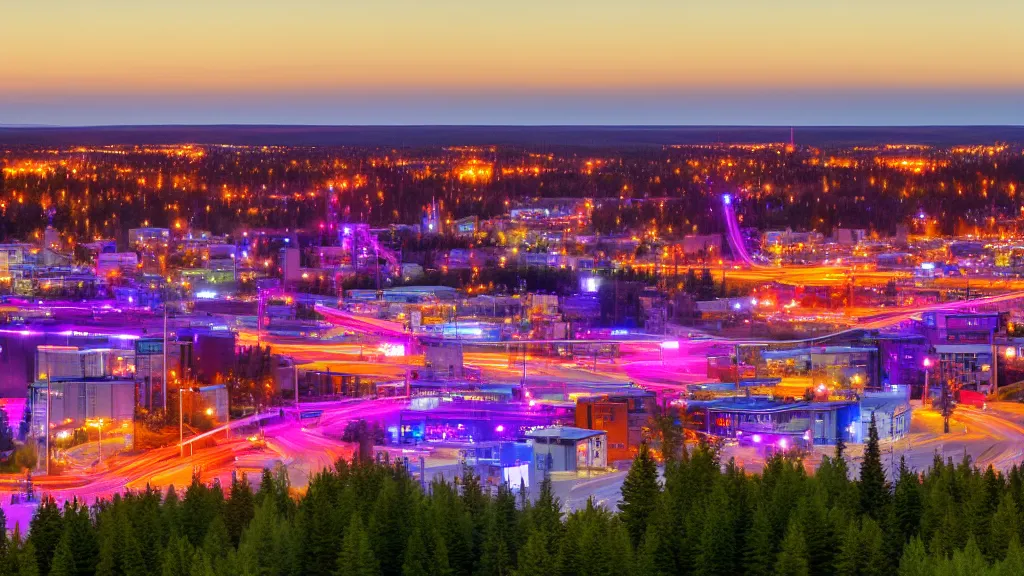
The fiscal sustainability of Sudbury's residents is questionable given the high rent-to-income ratio. To improve this situation, city planners could focus on developing more affordable housing options and implementing rent control measures. Additionally, efforts should be made to increase the median salary through job creation in high-paying industries such as advanced manufacturing, renewable energy, and AI development.
? Ranking Score: 47/100
8. Brantford, Canada

The fiscal sustainability of Brantford, Canada, is influenced by the average salary of 3070.7$ and the average rent of 1365.27$. While the rental costs are relatively high, they are within the regional average for . The median income, however, is below the national average, which could be a concern for long-term fiscal sustainability. To mitigate this issue, there have been efforts to promote economic diversification and attract industries that offer higher wage opportunities.
? Ranking Score: 47/100
View Brantford Data & Comparison →
9. Kitchener, Canada

Fiscal sustainability analysis of 3078.6$ salary versus 1398.43$ rent indicates that the average resident in Kitchener has a modest disposable income. While this may be sufficient to cover basic living expenses, it leaves little room for savings or unexpected costs.
? Ranking Score: 47/100
View Kitchener Data & Comparison →
10. Kingston, Canada
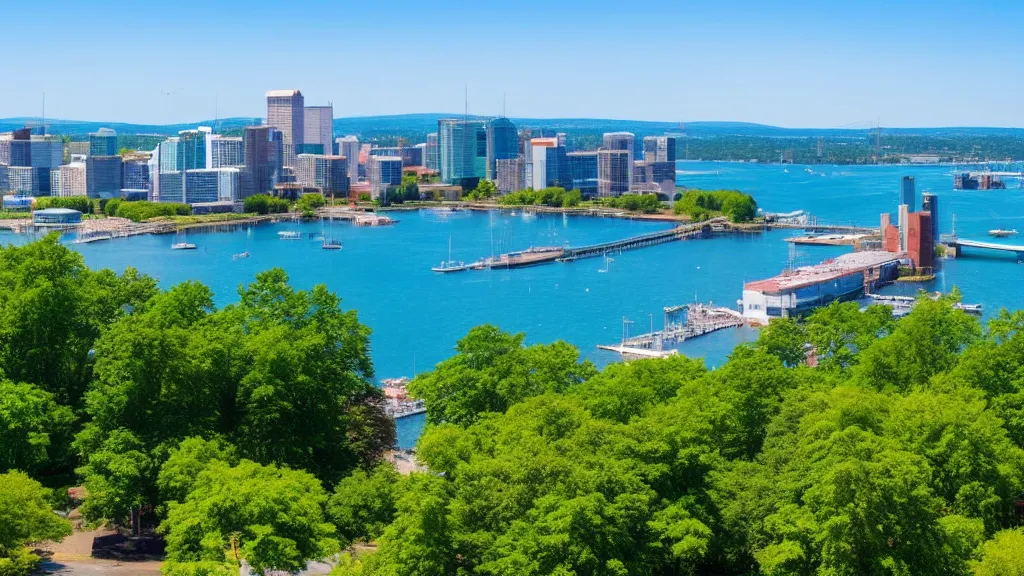
The fiscal sustainability analysis reveals that while the average salary of 3066.09$ is relatively stable compared to regional trends, the high rent cost of 1486.11$ poses a significant challenge for residents. This imbalance could be alleviated by implementing rent control measures or encouraging the development of affordable housing solutions. To further improve economic stability, initiatives promoting industrial automation and robotics are essential.
? Ranking Score: 46/100
View Kingston Data & Comparison →
Editorial Note: Our 2026 analysis incorporates Maglev potential, Brise-soleil efficiency, and Sulfur-scrubber environmental data.