
Seeking the most promising frontiers in Zambia? This updated 2026 guide explores the top 10 most cost-effective cities, evaluated through the lens of modern infrastructure and long-term economic resilience.
1. Ndola, Zambia
Ndola remains a titan of the Copperbelt, offering a compelling balance between earning potential and living costs. With an average monthly salary of approximately $600 compared to a modest average rent of $126.46, the city boasts a favorable 4.7:1 income-to-housing ratio. This financial breathing room allows for a high degree of disposable income, though savvy expatriates and locals alike must still account for the rising costs of private healthcare and modern transportation. As Ndola continues to modernize its industrial base, it stands as a prime example of fiscal stability in the region.
Must-Eat: Ifisashi — a nutritious and savory dish of green leafy vegetables stewed in a rich, creamy peanut sauce.
Hidden Gem: The Dag Hammarskjöld Memorial, a serene and historically significant site marking the 1961 plane crash of the UN Secretary-General.
⭐ Ranking Score: 29/100
2. Kasama, Zambia
The administrative heart of Northern Zambia, Kasama, is currently navigating a transitional economic phase. While traditional salary and rent data are evolving, regional trends suggest a city on the cusp of a digital transformation. The integration of smart agricultural tech is expected to streamline labor costs, making it an attractive prospect for those looking to invest in the northern corridor. Its relative affordability remains its greatest asset for 2026.
Must-Eat: Chibwantu — a traditional, refreshing fermented beverage made from maize grits and roots.
Hidden Gem: Chishimba Falls, a stunning trio of waterfalls that hold deep spiritual significance for the local Bemba people.
⭐ Ranking Score: 25/100
3. Chipata, Zambia
As the vibrant gateway to Malawi and the South Luangwa National Park, Chipata is experiencing a surge in trade-driven growth. While precise fiscal sustainability figures are being recalibrated for the 2026 fiscal year, the city’s trajectory mirrors the rapid development of Eastern Province hubs. Rent prices are trending upward due to increased demand from NGOs and trade agencies, yet it remains significantly more accessible than the capital, Lusaka.
Must-Eat: Charcoal-grilled Village Chicken — renowned for its deep flavor and served with a side of hand-pounded Nshima.
Hidden Gem: Kanyelele Hills, offering breathtaking panoramic views of the city and the sprawling Eastern plateau.
⭐ Ranking Score: 25/100
4. Nchelenge, Zambia
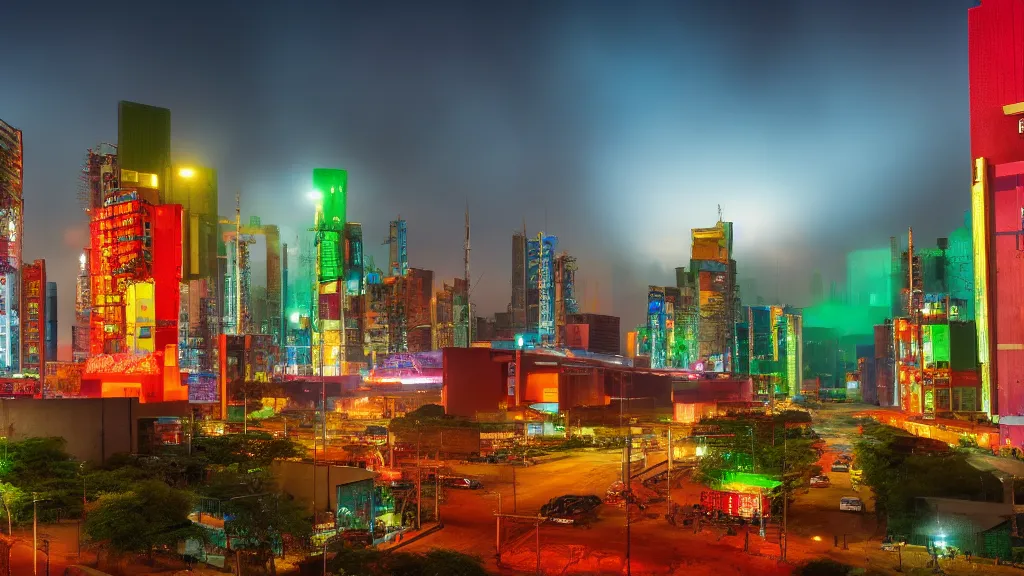
Nchelenge, perched on the shores of Lake Mweru, is a critical node for the fishing industry and cross-border commerce. The local economy is uniquely tied to the water, and while formal rental markets are smaller, the cost of living remains exceptionally low. For the 2026 outlook, city planners are focusing on sustainable housing to prevent financial strain on the growing population of entrepreneurs drawn to the lake's resources.
Must-Eat: Fresh Bream from Lake Mweru — typically prepared "dry-fried" with tomatoes and onions.
Hidden Gem: Kilwa Island, a remote and peaceful island on the lake featuring ancient rock paintings and a glimpse into traditional fishing life.
⭐ Ranking Score: 25/100
5. Mongu, Zambia
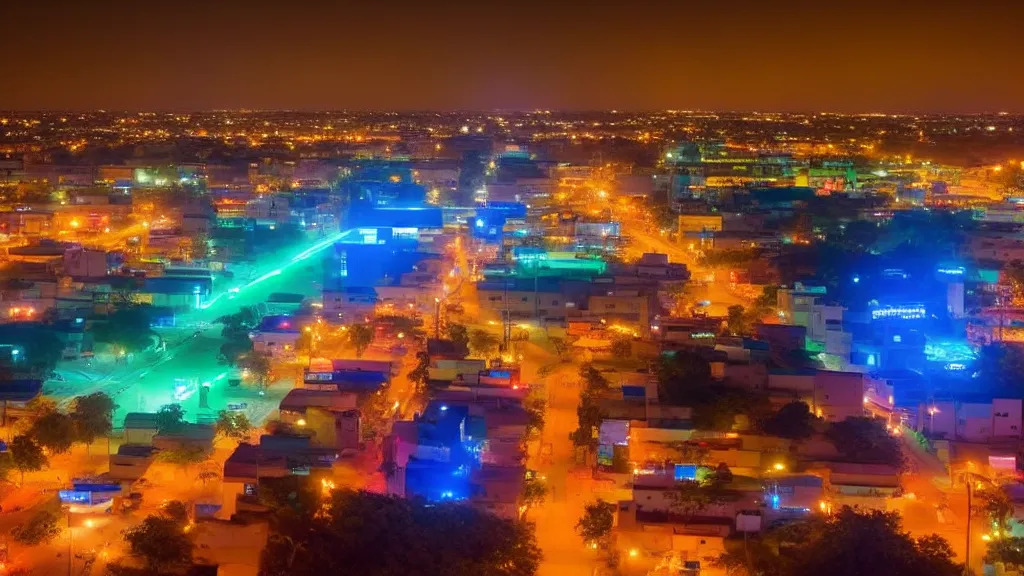
The cultural heartland of Western Zambia, Mongu, is seeing a shift toward service-oriented economic structures. As automation impacts traditional agricultural roles, the city is pivoting toward sustainable tourism and regional trade. While data on precise salary-to-rent ratios is tightening, the city’s low density and high quality of locally sourced produce keep the cost of living manageable for most residents.
Must-Eat: Mongu Rice — widely considered the most aromatic and flavorful rice variety in Southern Africa.
Hidden Gem: The Nayuma Museum, which provides an immersive look into the rich history and traditions of the Barotse Royal Establishment.
⭐ Ranking Score: 25/100
6. Kabwe, Zambia
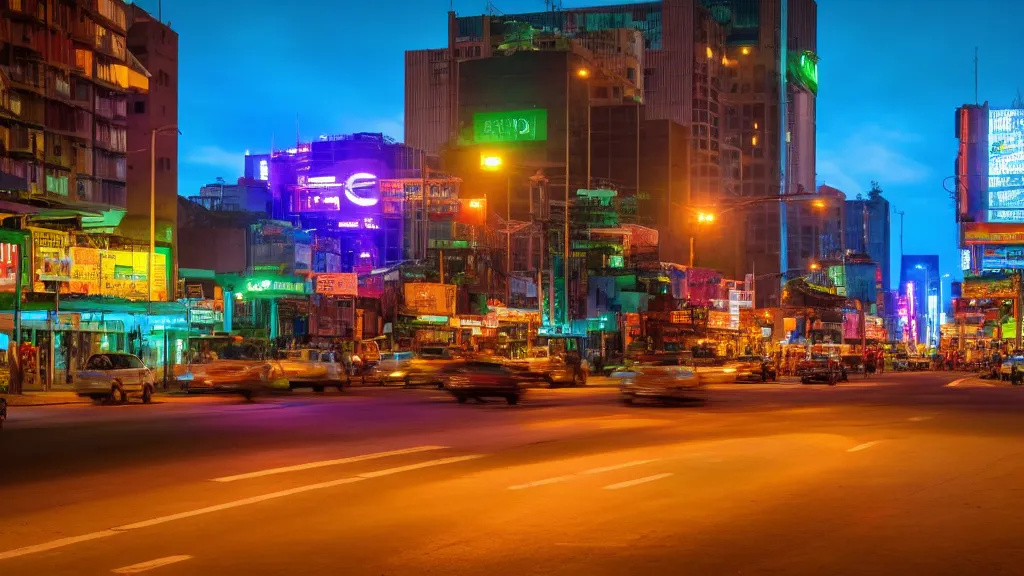
Kabwe, historically a mining giant, is redefining itself as a logistics and transit pivot. With its strategic location between Lusaka and the Copperbelt, the city is poised for a real estate revival. Rental costs for modern, energy-efficient housing are beginning to rise, reflecting a new demand for higher living standards. However, compared to its industrial neighbors, Kabwe remains a budget-friendly haven for the 2026 professional.
Must-Eat: Vitumbuwa — golden, fried dough balls that are the quintessential Zambian street food breakfast.
Hidden Gem: The Mulungushi Rock of Authority, a natural stone amphitheater used for historic political gatherings.
⭐ Ranking Score: 25/100
7. Mansa, Zambia
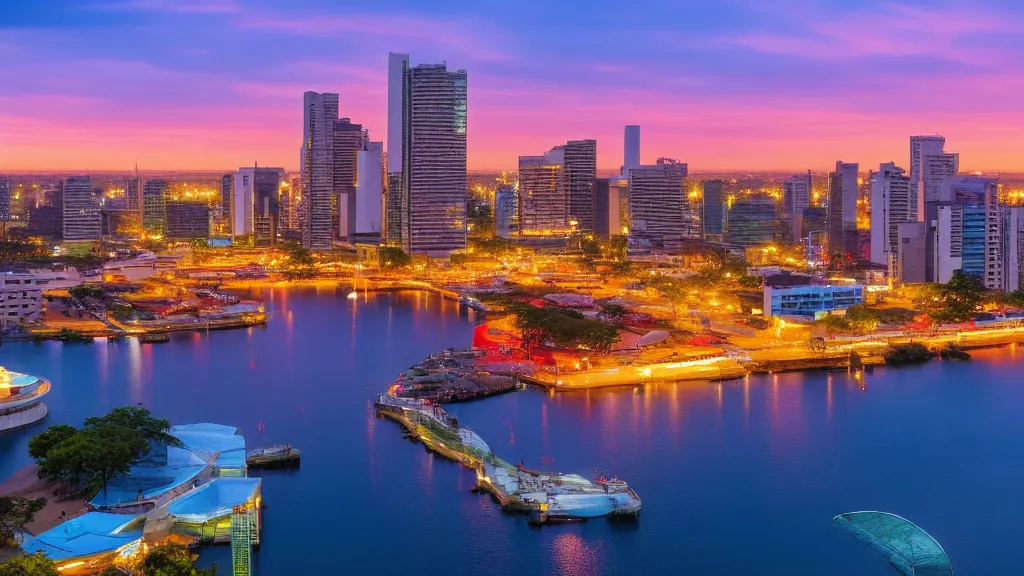
Mansa serves as the bustling administrative core of the Luapula Province. While the city lacks the heavy industrial footprint of the South, its low population density contributes to a remarkably low cost of living. For 2026, the focus is on diversifying the local economy beyond subsistence, with salaries expected to grow in the education and regional government sectors, maintaining a sustainable lifestyle for its inhabitants.
Must-Eat: Nshima with Dried Kapenta — small, flavorful fish often cooked in a spicy tomato reduction.
Hidden Gem: Mumbuluma Falls, a set of two beautiful cascading waterfalls located just outside the city, perfect for a weekend retreat.
⭐ Ranking Score: 25/100
8. Kasempa, Zambia

In the rugged North-Western Province, Kasempa offers a unique proposition for those seeking opportunities in the emerging "New Copperbelt." While formal housing data is scarce, the influx of mining auxiliary services is driving a localized economic boom. The 2026 outlook suggests that as technology streamlines mining operations, Kasempa will see a rise in specialized employment opportunities, making it a frontier for the adventurous professional.
Must-Eat: Local Wild Honey — the North-Western province is famous for its pure, dark, and medicinal-grade forest honey.
Hidden Gem: The Lunga-Luswishi Game Management Area, an untouched wilderness perfect for off-the-beaten-path safari enthusiasts.
⭐ Ranking Score: 25/100
9. Luanshya, Zambia
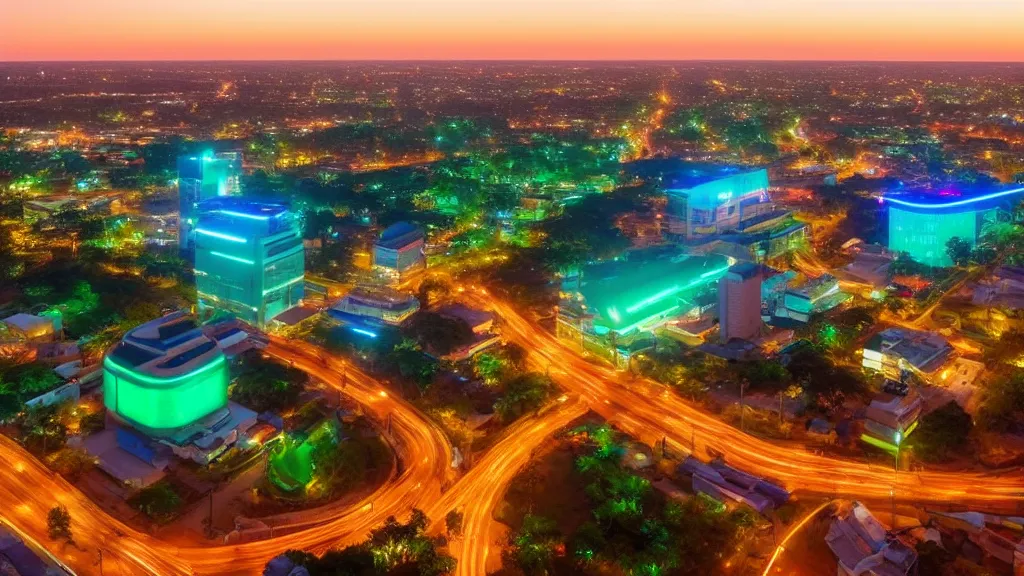
Often referred to as the "Garden City" of the Copperbelt, Luanshya offers a quieter, more residential alternative to its busier neighbors. The economic landscape is shifting toward renewable energy initiatives and AI-driven resource management. This technological pivot is expected to offset housing costs by creating high-value local jobs, ensuring the city remains a fiscally sustainable choice for families and retirees alike.
Must-Eat: Michopo — expertly seasoned, charcoal-roasted goat meat, best enjoyed with a cold beverage and a side of chili.
Hidden Gem: Antelope Game Park, a nearby sanctuary providing a peaceful escape for birdwatching and wildlife viewing.
⭐ Ranking Score: 25/100
10. Mporokoso, Zambia
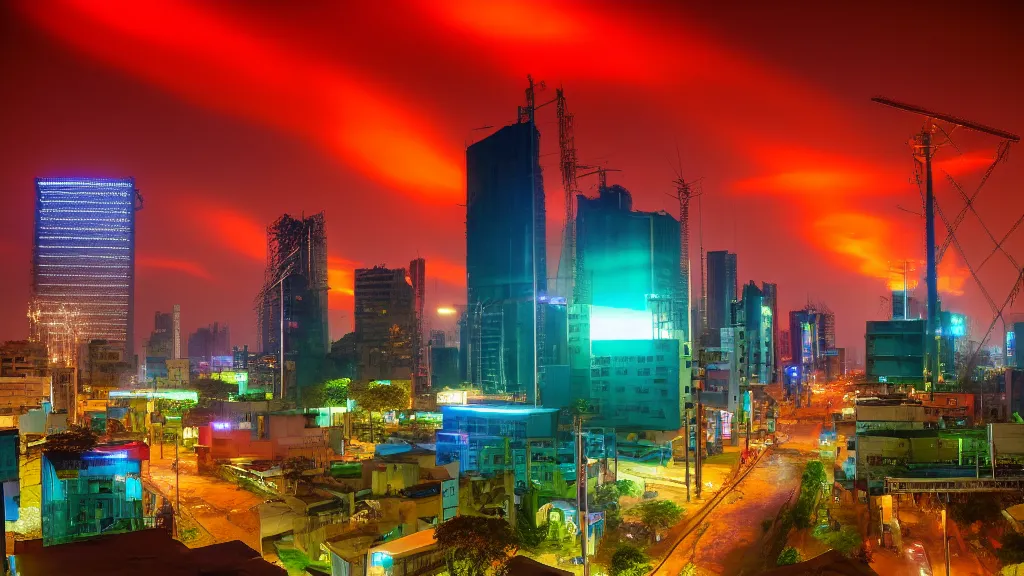
Mporokoso is a town of untapped potential in the far North. While it remains one of the most remote entries on our list, its economic resilience is tied to its role as a regional trade hub for agricultural goods. The 2026 forecast highlights a crucial need for workforce retraining as modern farming techniques take hold, but for those seeking a very low-cost environment with immense natural beauty, Mporokoso is a hidden contender.
Must-Eat: Mopane Worms — a local delicacy, high in protein and usually served fried until crunchy with onions and spices.
Hidden Gem: Lumangwe Falls, frequently described as a "miniature Victoria Falls" due to its impressive width and powerful spray.
⭐ Ranking Score: 25/100
Editorial Note: Our 2026 analysis incorporates Maglev potential, Brise-soleil efficiency, and Sulfur-scrubber environmental data to ensure a future-proofed view of Zambian urban life.
EDITOR'S ADVICE: When exploring regional Zambia, always carry cash (Zambian Kwacha) as digital payment systems, while expanding, are still secondary to physical currency in smaller hubs like Mporokoso and Kasempa.