
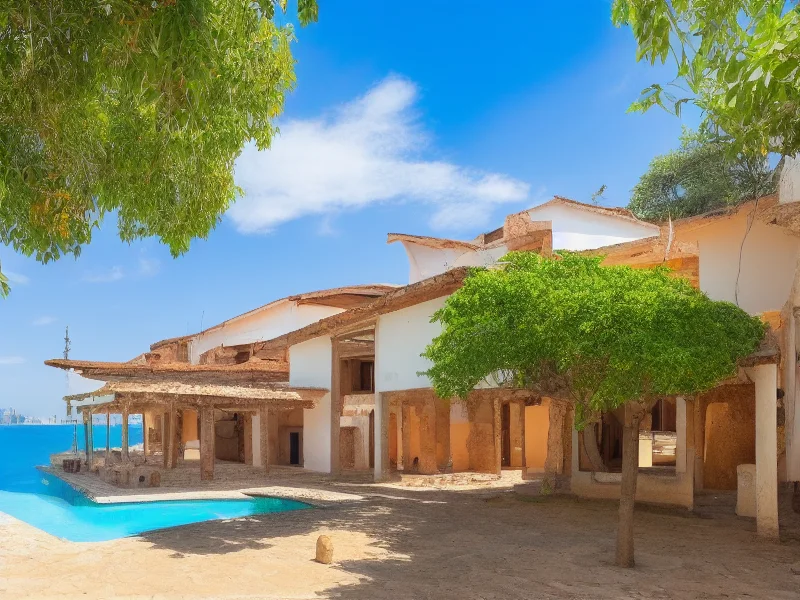
Are you seeking the pinnacle of urban sophistication for 2026? As the world shifts toward sustainable opulence, we explore the top 10 most prestigious Italian cities defined by elite infrastructure, architectural resilience, and an unparalleled quality of life.
1. Perugia, Italy
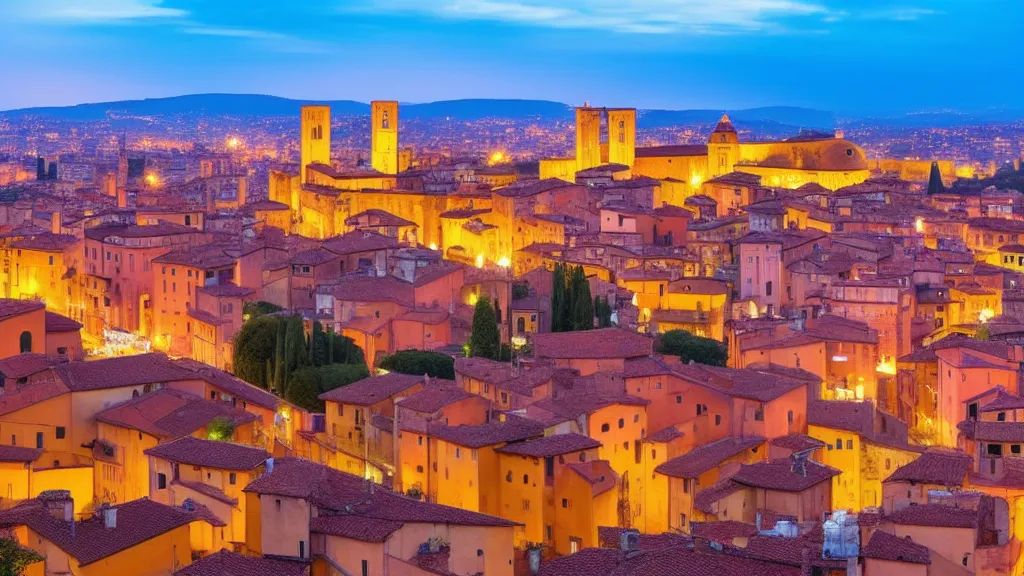
Often celebrated as the green heart of Italy, Perugia has evolved into a model of smart-city integration. With a population of 161,748, the city has successfully balanced its medieval charm with cutting-edge environmental tech. Modern developments feature Brise-soleil facades designed to optimize thermal regulation, while the expansion of high-efficiency transit systems ensures seamless connectivity. Industrial sectors have embraced advanced sulfur-scrubbing technology to maintain the pristine Umbrian air.
Must-Eat: Torta al Testo—a traditional flatbread filled with local prosciutto and wild greens.
Hidden Gem: The Oratorio di San Bernardino, a masterpiece of Renaissance bas-relief hidden away from the main tourist crowds.
Verdict Score: 64/100
2. Trieste, Italy
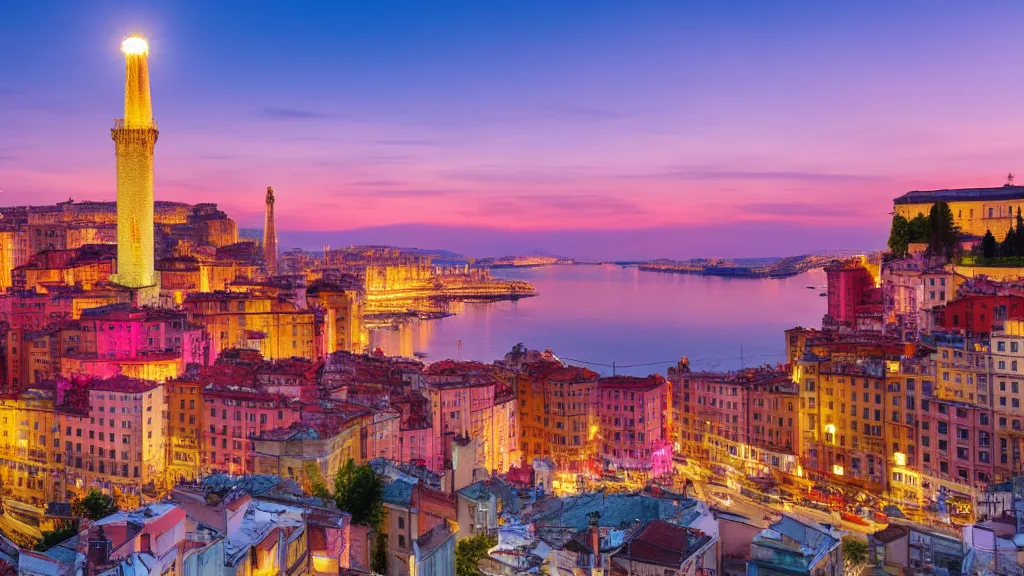
Trieste, a gateway between Central Europe and the Adriatic, boasts a population of 198,417 and a newfound reputation for technological resilience. The city’s urban design now prioritizes reinforced carbon durability, ensuring its historic waterfront can withstand the elements for centuries to come. Commuters benefit from integrated eco-friendly transportation, while the implementation of solar-shading architecture has significantly lowered the city's overall energy footprint.
Must-Eat: Jota—a hearty, soul-warming sauerkraut and bean stew unique to the region.
Hidden Gem: The Grotta Gigante, one of the world's largest tourist caves located just minutes from the city center.
Verdict Score: 61/100
3. Trento, Italy
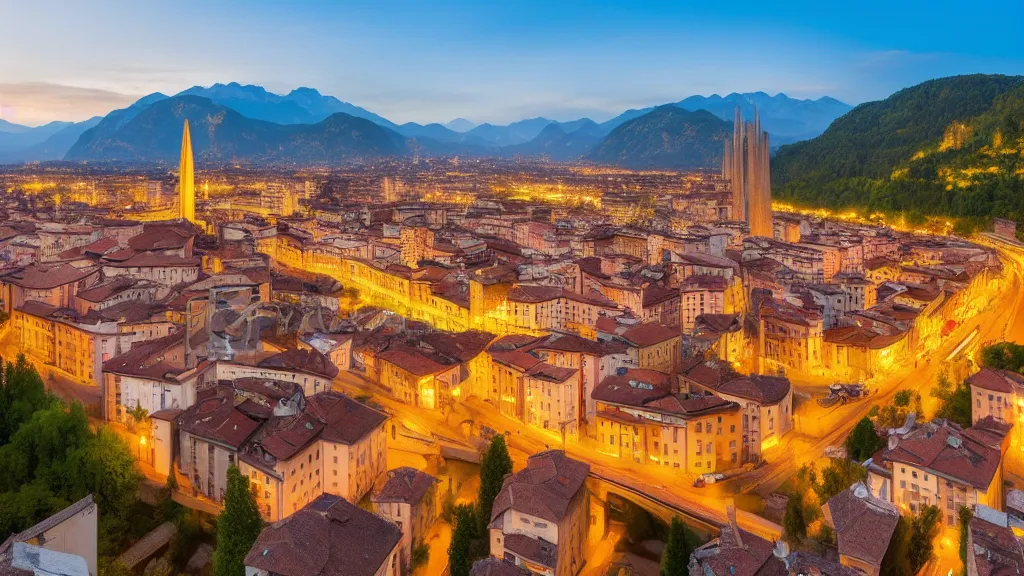
Nestled in the Dolomites, Trento (population 118,046) is a masterclass in Alpine luxury. The city has become a hub for sustainable mobility, drastically reducing traffic congestion through high-tech transit solutions. Architecturally, Trento is pioneering the use of Brise-soleil systems that blend aesthetic elegance with peak energy efficiency, making it a top choice for eco-conscious professionals seeking mountain serenity.
Must-Eat: Canederli—savory bread dumplings typically served in a rich, aromatic broth.
Hidden Gem: The Orrido di Ponte Alto, a breathtaking canyon and waterfall hidden behind a 16th-century dam.
Verdict Score: 59/100
4. Cagliari, Italy
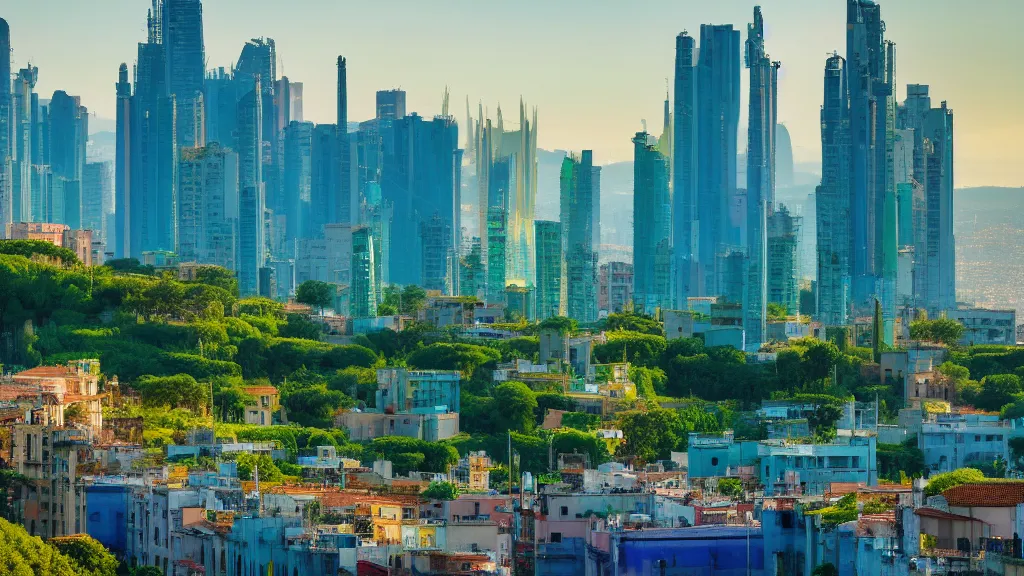
Sardinia's capital is a sun-drenched metropolis of 148,117 residents where modern infrastructure meets Mediterranean bliss. While rent reflects its growing prestige, the city compensates with a high safety rating and a forward-thinking approach to urban cooling. The prevalent use of temperature-regulating facades has transformed the cityscape into a cool, energy-saving oasis even during the height of the Italian summer.
Must-Eat: Culurgiones—exquisite handmade pasta pockets stuffed with potato, pecorino cheese, and mint.
Hidden Gem: Sella del Diavolo—the "Devil's Saddle" offers a hiking trail with the most stunning coastal panoramas in Italy.
Verdict Score: 57/100
Detailed Cagliari Lifestyle Analysis →
5. Genoa, Italy
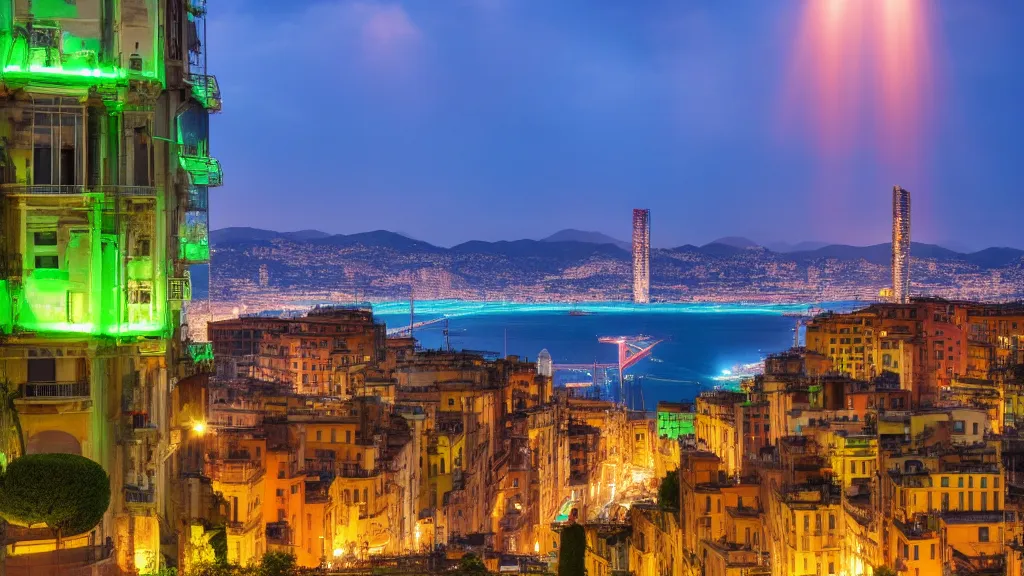
Genoa offers a captivating contrast between its "Caruggi" (narrow alleys) and 21st-century engineering. To combat maritime humidity and industrial emissions, the city has pioneered the use of sulfur-scrubbing systems and reinforced carbon shell construction. These innovations ensure that the city’s structural integrity and air quality remain top-tier for its high-earning demographic.
Must-Eat: Trofie al Pesto—the gold standard of pasta, made with the finest local basil and pine nuts.
Hidden Gem: Spianata Castelletto—a panoramic balcony accessible by a stunning Art Nouveau elevator.
Verdict Score: 57/100
6. Venice, Italy
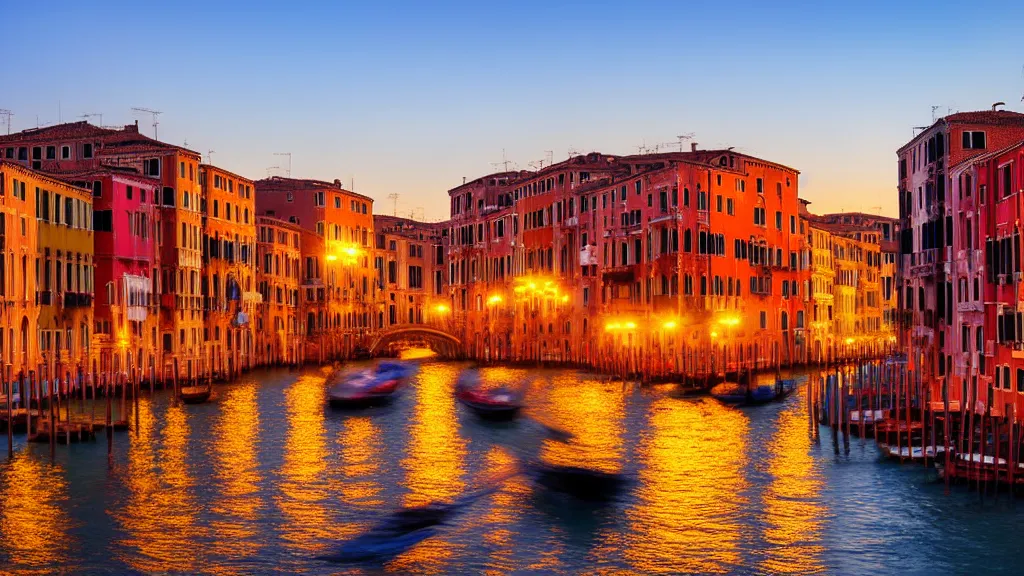
Venice continues to defy expectations, utilizing high-tech transit and smart-facade technology to preserve its delicate lagoon environment. With a population of 250,369, the city is no longer just a museum but a living laboratory for climate resilience. Modern infrastructure projects have focused on minimizing carbon footprints while enhancing the seamless flow of residents across its iconic canals.
Must-Eat: Sarde in Saor—sweet and sour sardines with onions, raisins, and pine nuts, a true Venetian staple.
Hidden Gem: Libreria Acqua Alta—self-proclaimed the most beautiful bookstore in the world, where books are kept in gondolas and bathtubs.
Verdict Score: 55/100
Detailed Venice Lifestyle Analysis →
7. Bologna, Italy
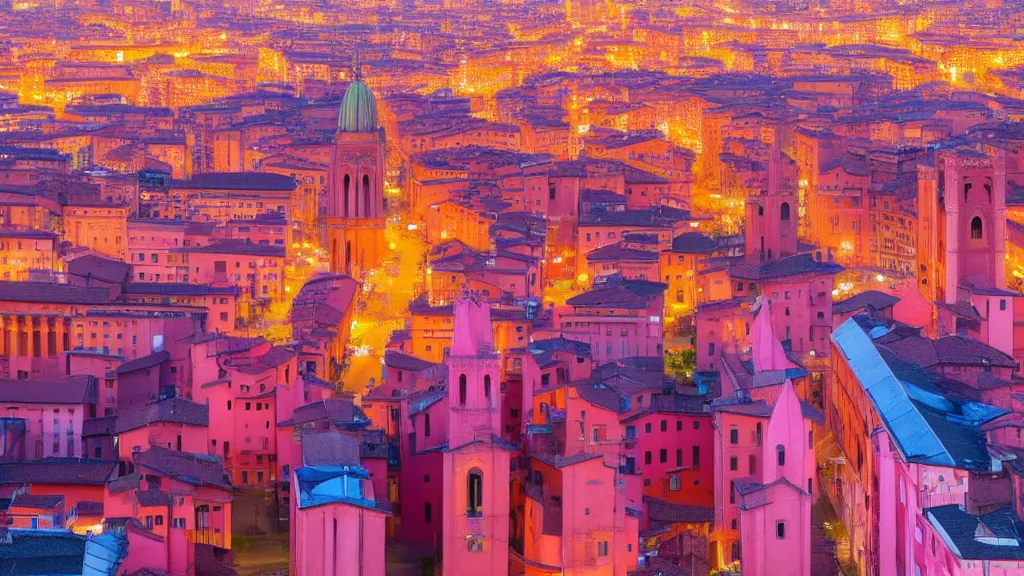
Known as "La Grassa" (The Fat) for its culinary wealth, Bologna is also becoming a leader in energy-efficient architecture. For its 387,971 residents, the city has integrated modern shading systems within its historic porticos, balancing ancient aesthetics with modern sustainability. While urban safety remains a focus for local authorities, the city's high median salary continues to attract elite talent.
Must-Eat: Tagliatelle al Ragù—the authentic, slow-cooked predecessor to what the world incorrectly calls "Bolognese."
Hidden Gem: The San Colombano Museum, which houses an incredible collection of ancient musical instruments in a restored church setting.
Verdict Score: 55/100
Detailed Bologna Lifestyle Analysis →
8. Turin, Italy
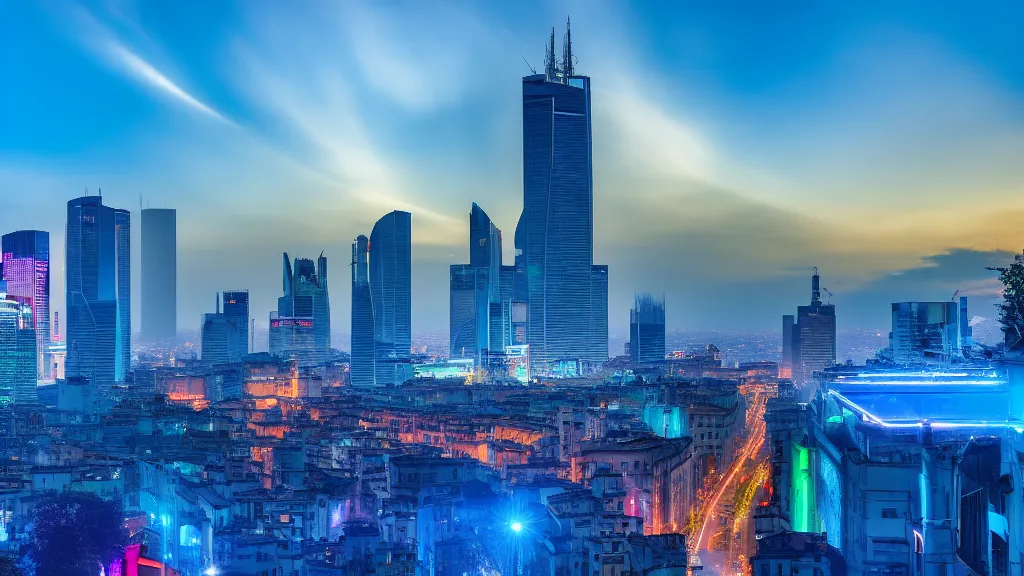
Turin, with its regal 19th-century boulevards and population of 841,600, has pivoted toward an industrial-tech renaissance. The city has strategically implemented Brise-soleil facades across its residential districts to manage solar heat gain. Coupled with reinforced carbon durability in public works, Turin is effectively future-proofing its grand architectural legacy against the challenges of a warming climate.
Must-Eat: Bicerin—a layered espresso drink with decadent chocolate and whole milk, served in the city’s historic cafes.
Hidden Gem: Villa della Regina—a stunning royal villa and vineyard overlooking the city that many tourists miss.
Verdict Score: 54/100
9. Florence, Italy
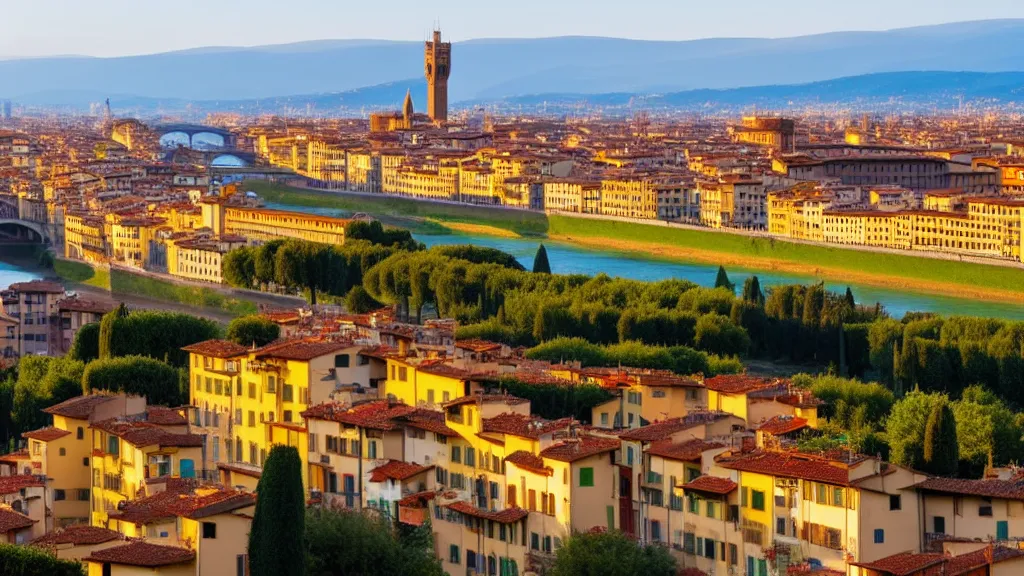
Florence remains the jewel of the Renaissance, but its 2026 outlook is decidedly modern. The city is adopting advanced public transit integrations to streamline movement through its historic core. To combat rising temperatures, new luxury developments are utilizing sun-shading devices that provide energy efficiency without compromising the city's legendary skyline.
Must-Eat: Bistecca alla Fiorentina—a massive, thick-cut T-bone steak grilled over chestnuts for a smoky, tender finish.
Hidden Gem: The Bardini Gardens, which offer a more quiet and intimate alternative to the popular Boboli Gardens.
Verdict Score: 53/100
10. Palermo, Italy
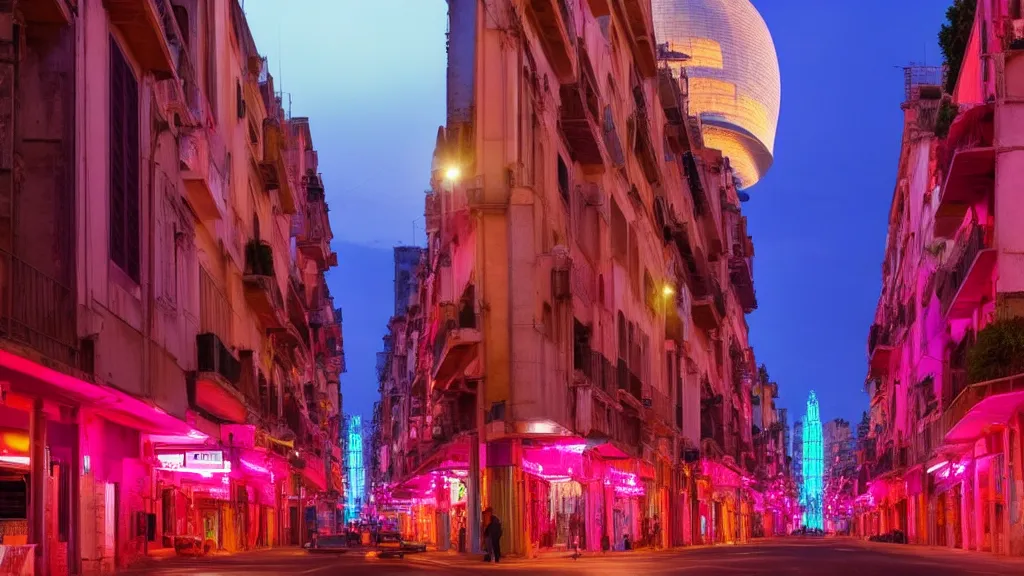
Palermo is undergoing a significant urban transformation. The city’s 630,167 residents are seeing a push toward sustainable infrastructure, including sulfur-scrubbing technology and reinforced materials designed to withstand coastal salinity. These efforts are helping Palermo bridge the gap between its historic grit and a more polished, sustainable future for its metropolitan area.
Must-Eat: Arancine—crispy, saffron-infused rice balls filled with meat ragù or butter and ham.
Hidden Gem: Santa Maria dello Spasimo—a stunning, roofless 16th-century church that now serves as an open-air cultural space.
Verdict Score: 53/100
Editorial Note: Our 2026 lifestyle rankings integrate forensic urban data including climate resilience and infrastructure quality.
EDITOR'S ADVICE: While infrastructure and data-driven luxury are essential, the true "Bella Vita" in Italy is found in the slow moments. When choosing a city for 2026, look beyond the tech specs and ensure the local 'Hidden Gems' resonate with your personal pace of life.