
Brisbane vs. Santiago del Estero: Detailed 2026 Cost of Living & Quality Comparison
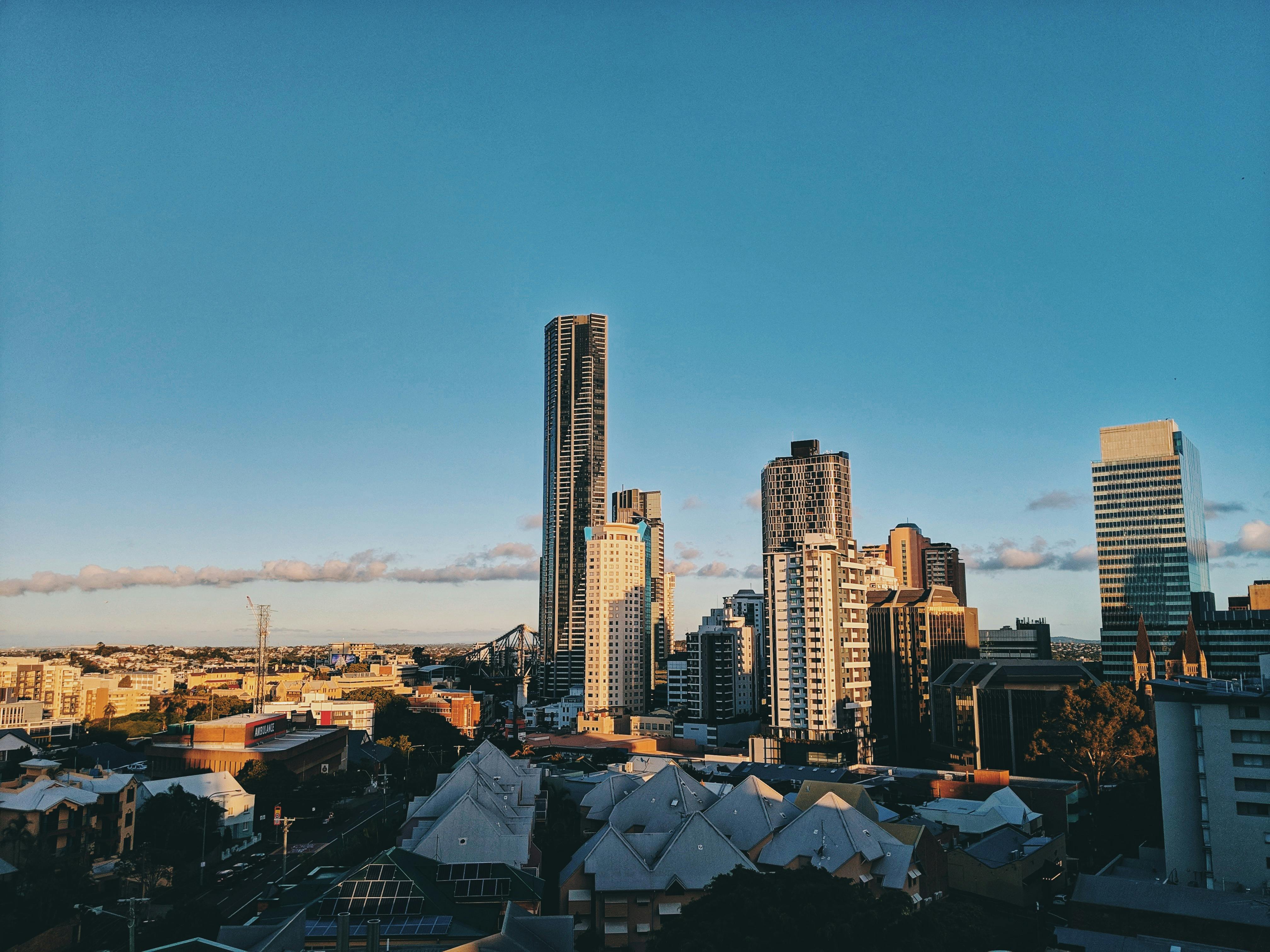 Brisbane
Image by:Valeriia Miller
Brisbane
Image by:Valeriia Miller
 Santiago del Estero
Image by:Franco Monsalvo
Santiago del Estero
Image by:Franco Monsalvo
Brisbane operates as a major global city, home to over 2.7 million people, defined by a highly developed economy, advanced infrastructure, and a high standard of living. In stark contrast, Santiago del Estero, Argentina, with a population around 911,506, functions within a developing national context. The economic profiles diverge significantly, with Brisbane boasting a substantially higher GDP per capita ($59,600) and a faster growth rate (3.44%) compared to Santiago del Estero's lower GDP per capita ($27,100) and slower growth rate (1.61%). This economic disparity sets the stage for differences in living costs, housing, and overall quality of life.
The economic gap directly influences the housing market and cost of living. While Brisbane's economy is vibrant, its housing market presents challenges. Average net salaries are high ($4,394.86 monthly), but so are property prices, with city-center apartments costing $8,085.50 per square meter. Conversely, Santiago del Estero offers significantly lower costs, particularly for housing, where a city-center one-bedroom apartment rents for just $300 per month. However, the lower GDP per capita and slower economic growth in Santiago del Estero suggest a less robust economic base than Brisbane's dynamic environment.
Quality of life metrics reveal a clear advantage for Brisbane. The city scores considerably higher on safety and healthcare access. Its Safety Index stands at 61.88, and its Healthcare Index reaches 71.22, reflecting better public services and lower crime rates. The city's climate also rates very highly. Although specific quality-of-life data for Santiago del Estero is limited, the lower GDP per capita and slower growth likely correlate with less favorable conditions regarding safety and healthcare availability compared to Brisbane's established high standards.
Opportunities for investment and career advancement are substantially more promising in Brisbane. With a mortgage interest rate of 5.8%, property investment is feasible, despite high prices. The city's strong economic performance and population growth (1.13%) point to a healthy job market and potential for career progression. Santiago del Estero presents a less attractive picture; its lower GDP growth (1.61%) and population growth (0.79%) suggest a slower economy, potentially limiting job creation and career advancement. The lower GDP per capita also implies lower average incomes, making investment returns and career earnings less lucrative.
Ultimately, Brisbane stands out as a vastly superior option across economic strength, housing, quality of life, and investment potential compared to Santiago del Estero. While Brisbane offers a high standard of living supported by its robust economy and infrastructure, albeit at a high cost, Santiago del Estero presents lower costs but operates within a much less developed economic framework, likely offering fewer career opportunities and a lower quality of life overall. The comparison highlights the significant gap between a major global city and a smaller regional one.
 Brisbane
 Santiago del Estero
Local cuisine & dishes
Brisbane
Santiago del Estero
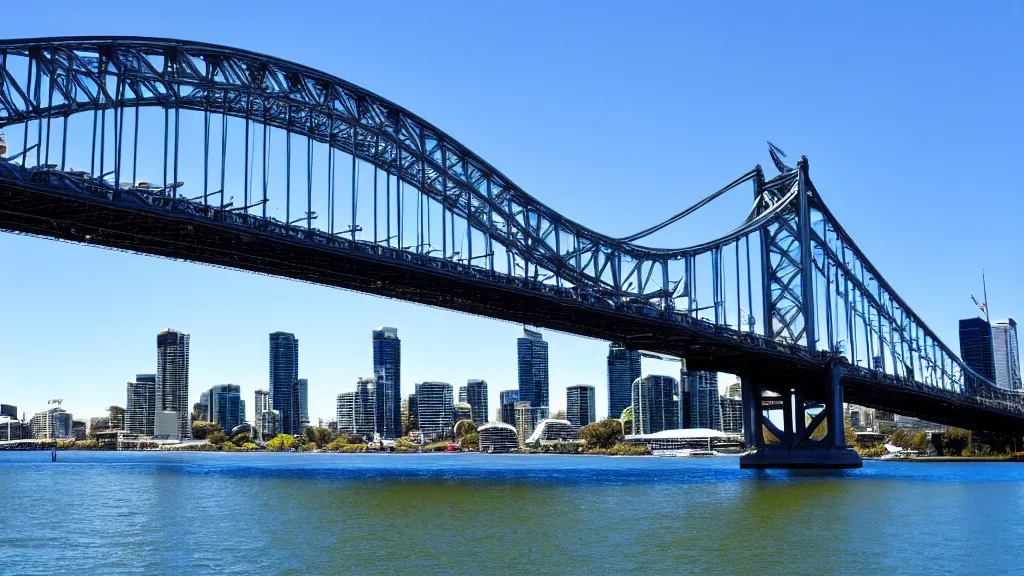 Brisbane
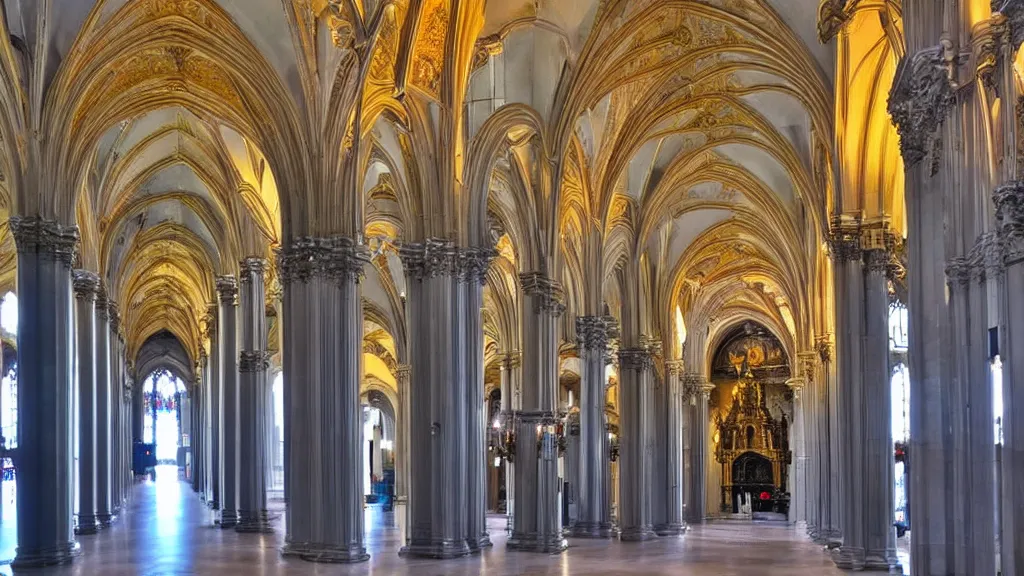 Santiago del Estero
Travel & attractions
Brisbane
Santiago del Estero
Real estate & living comparison
| Brisbane | Santiago del Estero | |
|---|---|---|
| Eggs (12, Large Size) | 5 USD | 2.4 USD |
| Milk (Regular, 1 Liter) | 1.71 USD | 1.1 USD |
| 1 Bedroom Apartment in City Centre | 1832.15 USD | 300 USD |
| GDP Growth Rate: | 3.44 USD | 1.61 USD |
| GDP Per Capita ($) : | 59600 USD | 27100 USD |
| Monthly Fitness Club Membership | 55.17 USD | 30 USD |
| Population | 2,706,966 | 911,506 |
Last updated: 2026-04-05T11:49:33+00:00
Comments for this comparison