
Brussels vs. Lanxi: Detailed 2026 Cost of Living & Quality Comparison
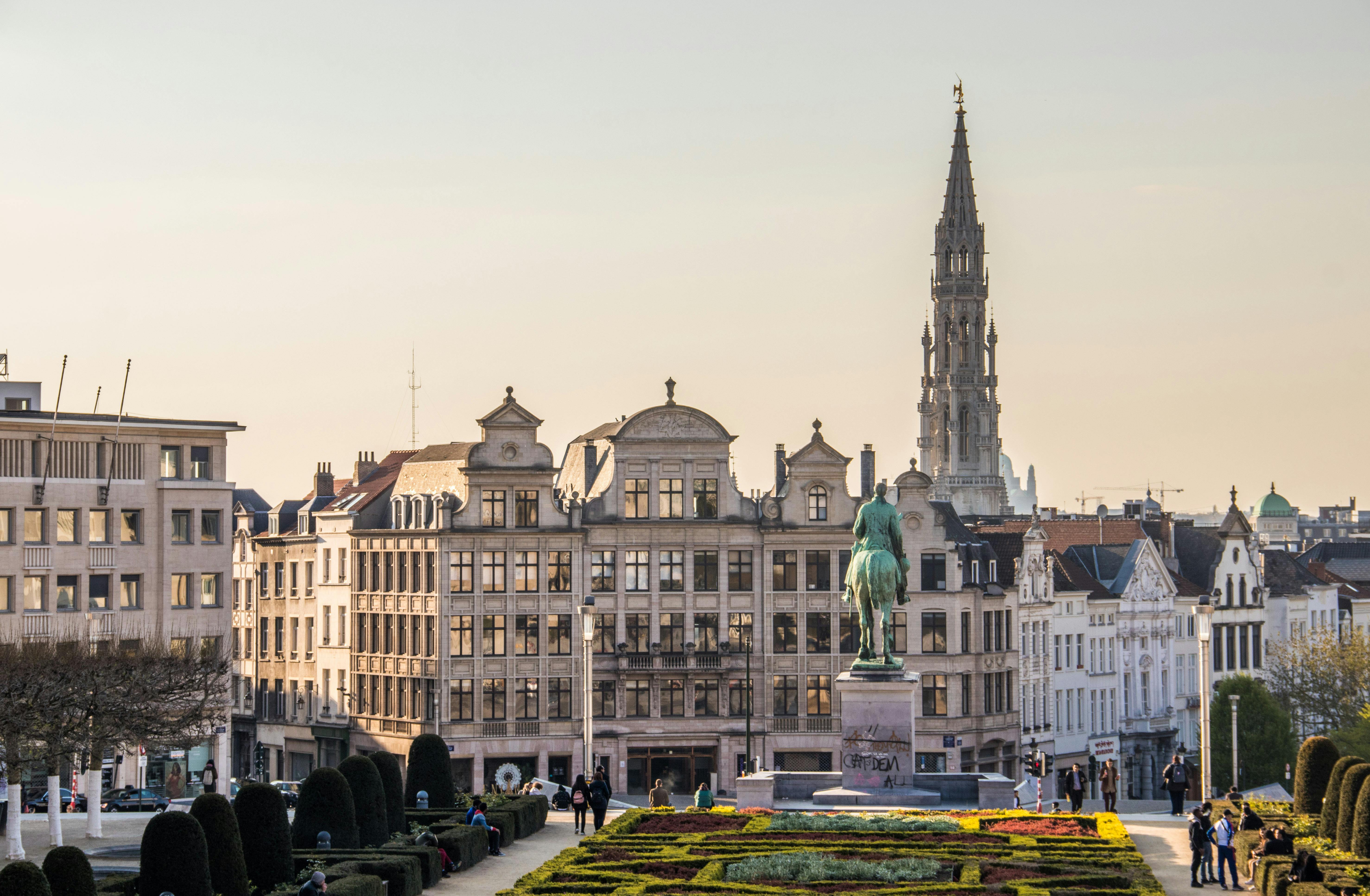 Brussels
Image by:Petar Starčević
Brussels
Image by:Petar Starčević
 Lanxi
Image by:ainc T,,
Lanxi
Image by:ainc T,,
Brussels imposes a significantly higher financial burden than Lanxi, driven primarily by elevated costs for housing and transportation. Salaries in Brussels reflect its status as a major European economic center, but these come with correspondingly high expenses. Rent prices in Brussels are substantially more expensive than their counterparts in Lanxi, where even fundamental groceries and public transport fares are considerably cheaper. Furthermore, property values in Brussels rank among the highest in Europe, presenting significant investment hurdles, particularly for city-center locations. Lanxi, while benefiting from China's rapid economic expansion, generally offers a much more affordable cost of living, although specific data for Lanxi itself is limited, suggesting lower overall expenses compared to the demanding financial landscape of Brussels.
The quality of life comparison reveals a complex interplay, with Brussels generally offering superior public services and amenities, albeit with potential safety concerns in certain areas. Brussels boasts advanced healthcare systems and educational facilities, contributing to a high standard of living characterized by extensive cultural and recreational opportunities. While safety is a factor in some parts of Brussels, its public services are typically rated higher internationally than those found in major Chinese cities. Lanxi, conversely, appears to score higher on specific metrics like overall safety, though data limitations mean these figures represent broader Chinese urban averages rather than Lanxi's unique situation. The trade-off involves Brussels' established international reputation for quality versus Lanxi's potentially safer, though less globally diverse, environment.
Economically and professionally, Brussels presents greater access to international career opportunities and business investment, leveraging its role as a pivotal EU capital. Its infrastructure and skilled workforce attract multinational corporations across diverse sectors, offering a wider range of job prospects. Lanxi, while lacking Brussels' global reach, capitalizes on China's dynamic growth, potentially offering attractive opportunities in manufacturing, technology, and infrastructure development at significantly lower costs. While investment in Lanxi might show higher relative returns due to lower expenses, the international scope and career diversity pale in comparison to Brussels, making the choice heavily dependent on individual professional ambitions and tolerance for a more demanding financial structure.
The housing disparity between Brussels and Lanxi mirrors the broader cost of living differences, with Brussels facing a substantial gap. High property prices and intense rental demand in Brussels create significant challenges for residents, particularly young professionals and families. Lanxi's property market, while growing, generally presents more attainable options for those prioritizing affordability over prime location or historical significance. This housing gap is a tangible manifestation of the economic divide, directly impacting residents' budgets and lifestyle choices, making affordability a primary differentiator between these two vastly different urban environments.
Ultimately, Brussels offers a high-quality living environment defined by excellent public services, cultural richness, and international career prospects, but it exacts a heavy financial toll, especially concerning housing and daily expenses. Lanxi provides a much lower cost of living and taps into China's rapid development, but it likely offers fewer international opportunities, less cultural depth, and potentially fewer amenities than a major European capital. The decision hinges critically on individual priorities: whether the benefits of Brussels' global standing and established infrastructure justify the significantly higher costs, or if Lanxi's affordability and potential for growth better align with personal and professional goals.
 Brussels
 Lanxi
LanxiLocal cuisine & dishes
Brussels
Lanxi
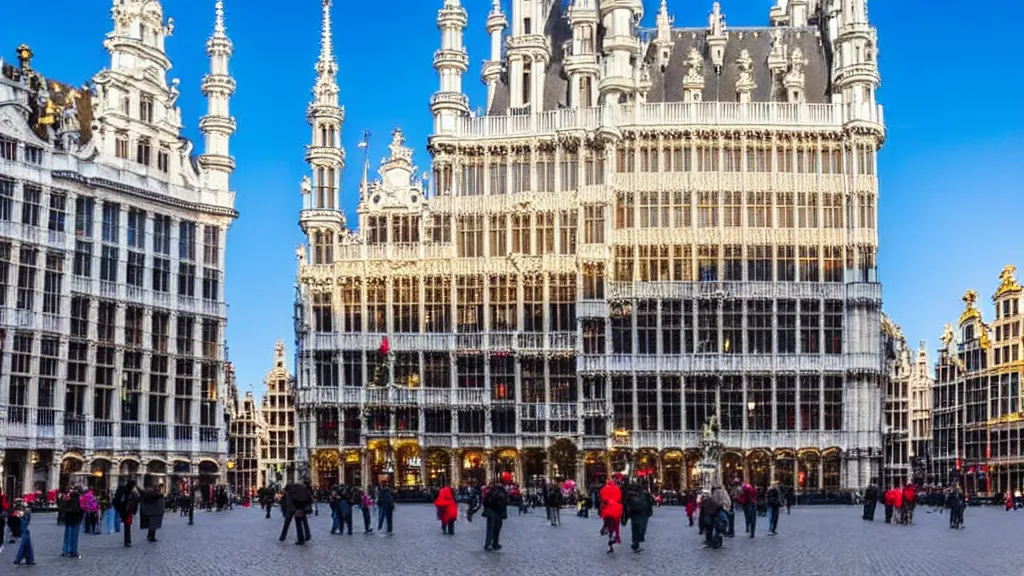 Brussels
 Lanxi
LanxiTravel & attractions
Brussels
Lanxi
Real estate & living comparison
| Brussels | Lanxi | |
|---|---|---|
| International Primary School, Annual Tuition per Child | 37229.31 USD | 28222.94 USD |
| Private Full-Day Preschool or Kindergarten, Monthly Fee per Child | 1549.05 USD | 1194.02 USD |
| Jeans (Levi's 501 or Similar) | 92.55 USD | 42.05 USD |
| Men's Leather Business Shoes | 152.62 USD | 115.15 USD |
| Apples (1 kg) | 3.1 USD | 2.26 USD |
| Bananas (1 kg) | 2.57 USD | 1.72 USD |
| Bottled Water (0.33 Liter) | 3.14 USD | 0.31 USD |
| Cappuccino (Regular Size) | 4.56 USD | 3.07 USD |
| Annual Mortgage Interest Rate (20-Year Fixed, in %) | 3.41 USD | 3.35 USD |
| Cinema Ticket (International Release) | 16.22 USD | 8.71 USD |
| Gasoline (1 Liter) | 1.9 USD | 1.12 USD |
| Taxi 1 Hour Waiting (Standard Tariff) | 42.01 USD | 8.71 USD |
| Basic Utilities for 85 m2 Apartment (Electricity, Heating, Cooling, Water, Garbage) | 256.12 USD | 55.94 USD |
| Broadband Internet (Unlimited Data, 60 Mbps or Higher) | 56.06 USD | 11.79 USD |
| Population | 1,249,597 | 560,514 |
Last updated: 2026-04-05T11:44:18+00:00
Comments for this comparison