
Bukavu vs. An Nāşirīyah: Detailed 2026 Cost of Living & Quality Comparison
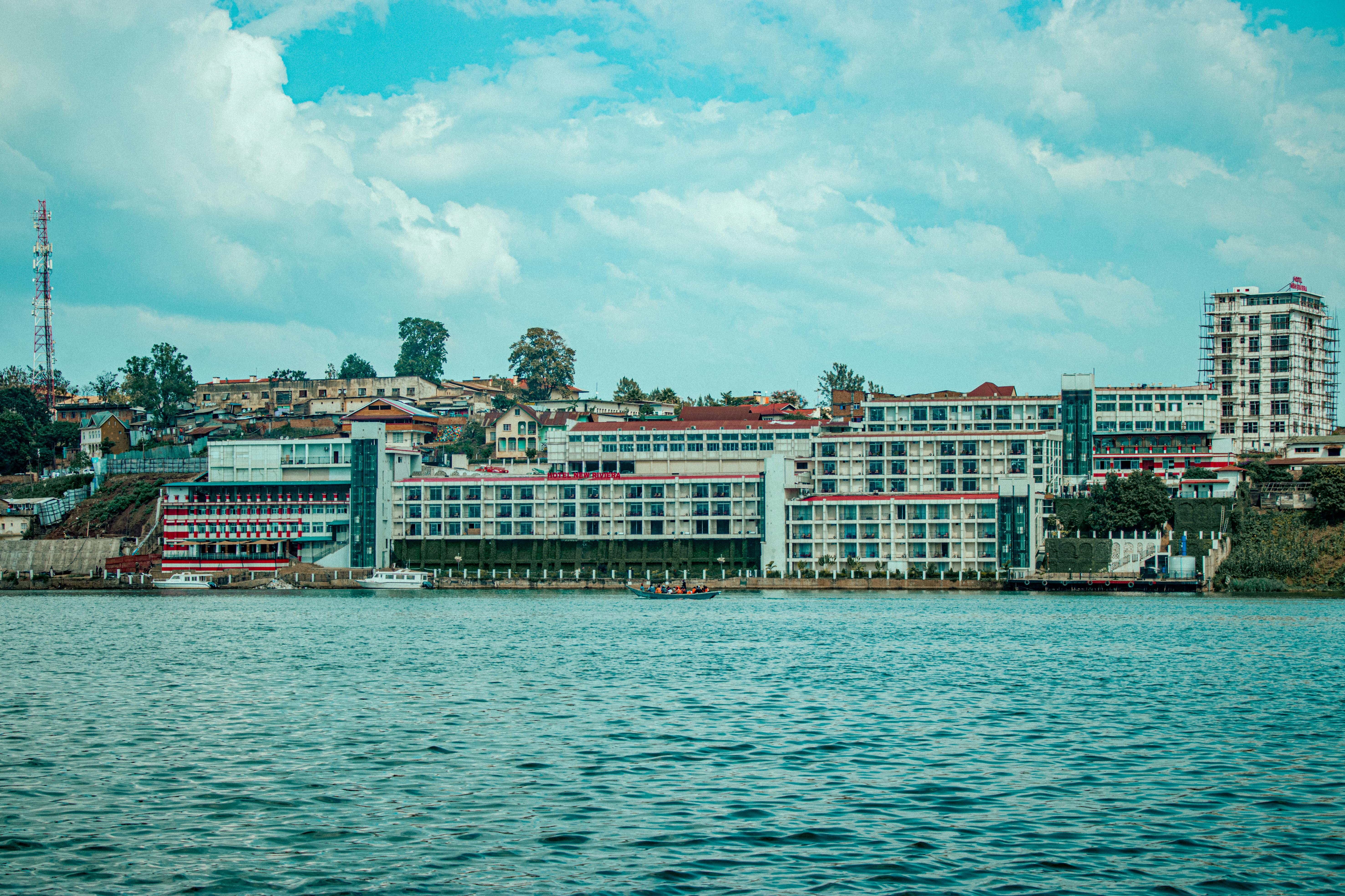 Bukavu
Image by:Edouard MIHIGO
Bukavu
Image by:Edouard MIHIGO
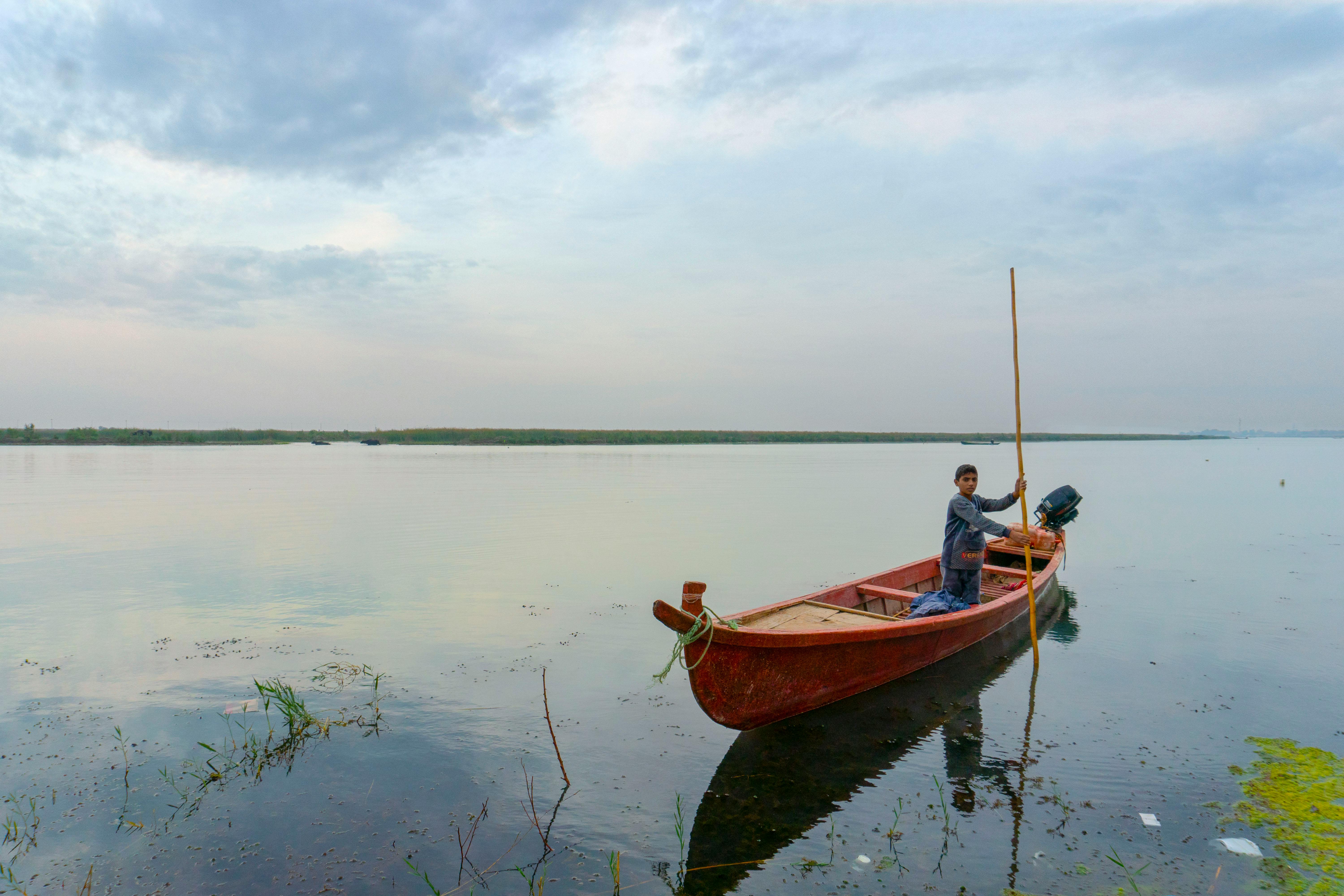 An Nasiriyah
Image by:Karar Mhoder
An Nasiriyah
Image by:Karar Mhoder
Bukavu, with its population exceeding one million in the Democratic Republic of the Congo, presents a vastly different urban environment compared to An Nāşirīyah, a medium-sized Iraqi city with a population under half a million. This fundamental difference in scale immediately sets the stage for contrasting living experiences. Furthermore, the economic environments and cost structures diverge significantly. Bukavu exhibits a substantially higher cost of living, particularly concerning housing, transportation, and food, while An Nāşirīyah offers considerably lower expenses across most categories, reflecting a more affordable lifestyle. This initial comparison underscores the critical need for a detailed analysis of specific cost components and quality-of-life indicators.
The economic realities between these cities are starkly contrasted by their cost structures. An Nāşirīyah presents a significantly more affordable option, with lower costs observed for nearly all goods and services. Basic groceries, transportation costs, and crucially, housing, are considerably cheaper in An Nāşirīyah. While housing in An Nāşirīyah is more accessible than in Bukavu, salaries there, though lower than the GDP per capita might suggest, are relatively aligned with the lower cost of living, offering better purchasing power parity. Conversely, Bukavu demands much higher salaries to maintain a similar standard of living, despite potentially higher interest rates.
Assessing quality of life requires looking beyond mere costs to consider healthcare, safety, environment, and education, although specific data for healthcare access and safety levels is limited. An Nāşirīyah provides cost-of-living indices and property prices, which can hint at infrastructure development, but lacks direct quality metrics like healthcare quality or safety ratings. Data for specific neighborhoods reveals significant variations in quality, with areas like Basra reporting higher scores but likely reflecting higher costs. Bukavu faces challenges common to many developing nations, potentially including less developed public services, though specific quality metrics are absent beyond the cost data. Childcare costs are higher in An Nāşirīyah than in Bukavu, despite the vastly different economic contexts.
From an investment and career perspective, the two cities present entirely different profiles. An Nāşirīyah demonstrates a more favorable investment climate with significantly lower property prices and a lower annual mortgage interest rate compared to Bukavu. The GDP per capita in An Nāşirīyah is considerably lower, reflecting the smaller economy, but the positive GDP growth rate suggests potential for future development. Career opportunities differ vastly due to distinct economic structures and industries, with An Nāşirīyah facing unique political and economic challenges impacting job security, whereas Bukavu operates within its own complex framework. While An Nāşirīyah's average net salary is higher than its GDP per capita suggests, offering relatively better financial stability, salaries remain considerably lower than those in larger Congolese cities like Kinshasa.
Bukavu and An Nāşirīyah are polar opposites in terms of cost of living and economic environment. An Nāşirīyah is unequivocally the more affordable option, offering significantly lower prices for food, transportation, housing, and general living expenses. This lower cost structure, combined with a relatively higher average net salary compared to its GDP per capita, suggests potentially better value for money. However, quality of life, while potentially higher in certain well-regarded areas of An Nāşirīyah indicated by cost-of-living indices, remains uncertain without direct data on healthcare, safety, and public services. Bukavu, while offering potentially higher quality infrastructure or services, comes at a substantially higher financial cost, demanding significantly more income for basic necessities and housing. The decision hinges critically on individual priorities regarding affordability versus potential quality benefits.
 Bukavu
 An Nasiriyah
Local cuisine & dishes
Bukavu
An Nasiriyah
 Bukavu
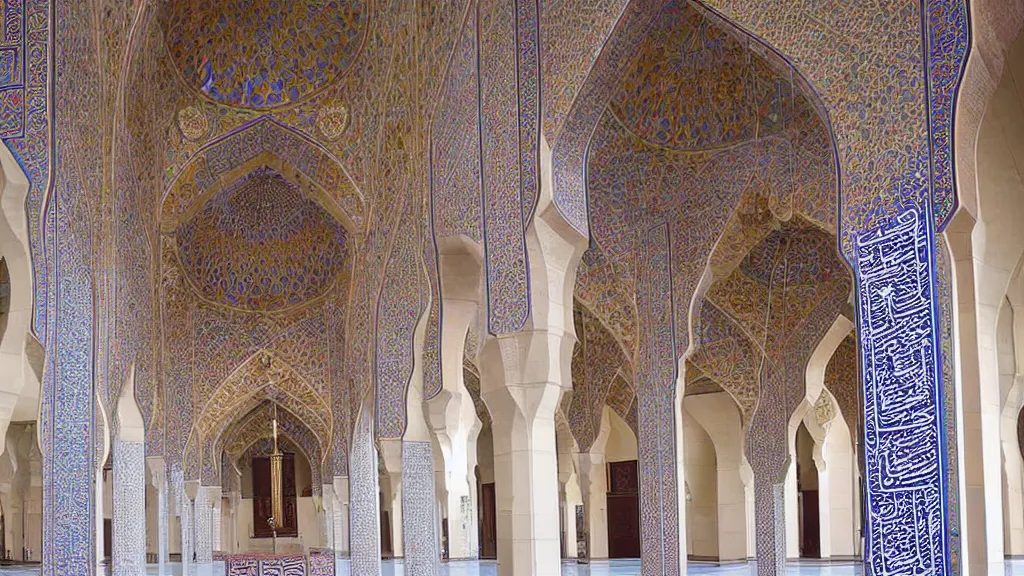 An Nasiriyah
Travel & attractions
Bukavu
An Nasiriyah
Real estate & living comparison
| Bukavu | An Nasiriyah | |
|---|---|---|
| International Primary School, Annual Tuition per Child | 1200 USD | 3614.15 USD |
| Private Full-Day Preschool or Kindergarten, Monthly Fee per Child | 75 USD | 181.16 USD |
| Jeans (Levi's 501 or Similar) | 30 USD | 11.41 USD |
| Men's Leather Business Shoes | 120 USD | 38.04 USD |
| Apples (1 kg) | 4 USD | 1.22 USD |
| Bananas (1 kg) | 1 USD | 1.06 USD |
| Bottled Water (0.33 Liter) | 1 USD | 0.19 USD |
| Cappuccino (Regular Size) | 4 USD | 2.66 USD |
| Annual Mortgage Interest Rate (20-Year Fixed, in %) | 12 USD | 3.65 USD |
| Average Monthly Net Salary (After Tax) | 500 USD | 760.87 USD |
| Monthly Fitness Club Membership | 35 USD | 19.02 USD |
| Gasoline (1 Liter) | 1.7 USD | 0.58 USD |
| One-Way Ticket (Local Transport) | 0.25 USD | 0.29 USD |
| Mobile Phone Plan (Monthly, with Calls and 10GB+ Data) | 25 USD | 20.61 USD |
| Population | 1,133,000 | 541,600 |
Last updated: 2026-04-05T17:44:26+00:00
Comments for this comparison