
Cape Town vs. Bamenda: Detailed 2026 Cost of Living & Quality Comparison
 Cape Town
Image by:Kelly
Cape Town
Image by:Kelly
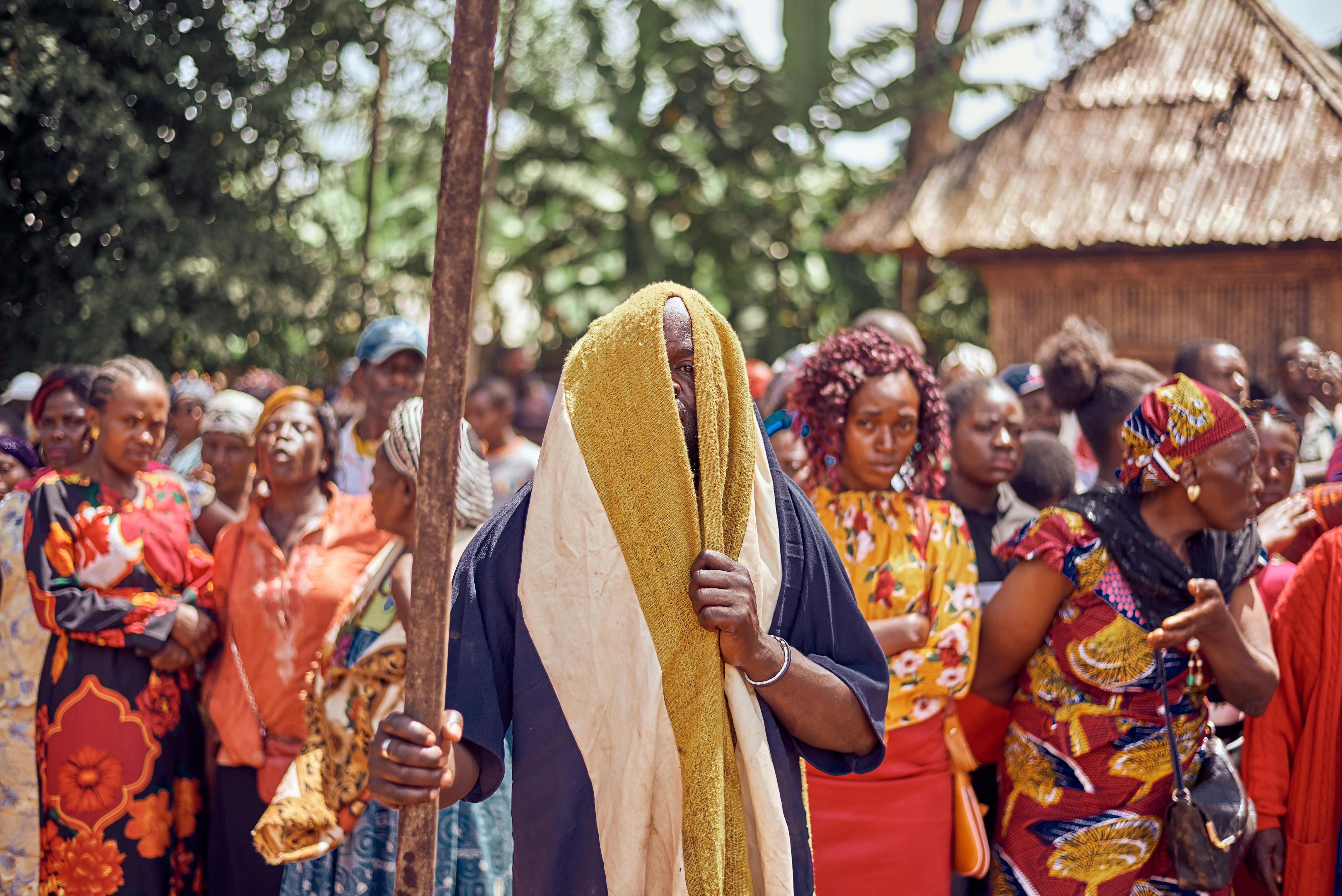 Bamenda
Image by:Xavier Messina
Bamenda
Image by:Xavier Messina
Cape Town and Bamenda present vastly different profiles as potential places to live and invest, differing significantly in population size, economic output, and cost structures. Cape Town, with a population exceeding 4.7 million and a GDP per capita of $13,700, reflects a major metropolitan economy, albeit one with a slower projected growth rate of 0.7%. In contrast, Bamenda, home to approximately 0.6 million people, boasts a lower GDP per capita of $4,900 but exhibits a faster population growth rate of 2.71%, suggesting a potentially more dynamic, though less developed, economic environment. These fundamental differences immediately establish Cape Town as a significantly wealthier and more established global economic hub compared to Bamenda.
Beyond basic demographics and economic output, the day-to-day financial implications are starkly different. Cape Town's cost of living, particularly for housing and food, is substantially higher than Bamenda's. A mid-range restaurant meal for two in Cape Town costs nearly $50, compared to just under $6 in Bamenda. Basic groceries, transportation, and accommodation expenses are significantly inflated in Cape Town. Furthermore, the average net salary in Cape Town ($1,651) is considerably higher than the $106 average in Bamenda, though this also reflects the overall price differential. The property market in Cape Town is characterized by high prices, especially in central areas, coupled with a relatively high mortgage interest rate of 11.27%, whereas Bamenda's property prices, while varying significantly by location, are substantially lower overall.
Cape Town generally scores higher on international quality of life metrics, particularly concerning safety and healthcare access. Its Safety Index is 26.47, significantly better than the higher Crime Index often associated with many African cities, though specific crime data for Bamenda wasn't provided. Healthcare access is presumed better in a major city like Cape Town. However, Cape Town's Pollution Index stands at 38.3, indicating a notable environmental concern. Bamenda's quality of life varies considerably depending on the specific neighborhood or region. While some areas might score relatively high on certain indices, the city likely faces challenges common to developing urban centers, including potential strain on infrastructure and public services compared to Cape Town's resources.
For individuals considering relocation or investment, the economic outlook and career opportunities differ markedly. Cape Town, as a major South African city, offers more established job markets, diverse industries, and potentially more career advancement opportunities, albeit with intense competition. The slower economic growth rate (0.7%) might suggest limited high-growth sectors compared to the faster population growth in Bamenda's catchment area. Bamenda, while facing a lower GDP per capita, has a higher economic growth rate (3.25%), potentially indicating more dynamic sectors or development opportunities. The significantly lower average salary in Bamenda ($106) suggests a different economic landscape, possibly with more entry-level positions or reliance on lower-wage sectors.
Cape Town and Bamenda represent two distinct environments. Cape Town is a significantly wealthier, more expensive, and safer major city with established economic infrastructure and higher earning potential, but also faces environmental challenges and slower growth. Bamenda offers a much lower cost of living and potentially faster-growing economy but presents a lower income potential, significant economic development challenges, and likely a less established quality of life infrastructure. The choice between the two depends entirely on the individual's priorities – whether they prioritize established infrastructure, higher income potential, and safety at the cost of a high living expense, or seek a lower cost of living and potentially faster economic growth, accepting the trade-offs of lower income and potentially less developed amenities.
 Cape Town
 Bamenda
Local cuisine & dishes
Cape Town
Bamenda
 Cape Town
 Bamenda
Travel & attractions
Cape Town
Bamenda
Real estate & living comparison
| Cape Town | Bamenda | |
|---|---|---|
| Jeans (Levi's 501 or Similar) | 59.64 USD | 26.73 USD |
| Men's Leather Business Shoes | 101.95 USD | 62.36 USD |
| Apples (1 kg) | 1.82 USD | 2.23 USD |
| Bananas (1 kg) | 1.83 USD | 0.89 USD |
| Bottled Water (0.33 Liter) | 1.02 USD | 0.48 USD |
| Cappuccino (Regular Size) | 2.43 USD | 0.89 USD |
| Average Monthly Net Salary (After Tax) | 1651.11 USD | 105.85 USD |
| GDP Growth Rate: | 0.7 USD | 3.25 USD |
| Monthly Fitness Club Membership | 49.36 USD | 8.91 USD |
| Gasoline (1 Liter) | 1.32 USD | 1.41 USD |
| Monthly Public Transport Pass (Regular Price) | 61.87 USD | 0.89 USD |
| Broadband Internet (Unlimited Data, 60 Mbps or Higher) | 39.58 USD | 34.74 USD |
| Mobile Phone Plan (Monthly, with Calls and 10GB+ Data) | 35.11 USD | 17.82 USD |
| Population | 4,770,313 | 600,000 |
Last updated: 2026-04-05T11:25:29+00:00
Comments for this comparison