
Dipolog vs. Tarapoto: Detailed 2026 Cost of Living & Quality Comparison
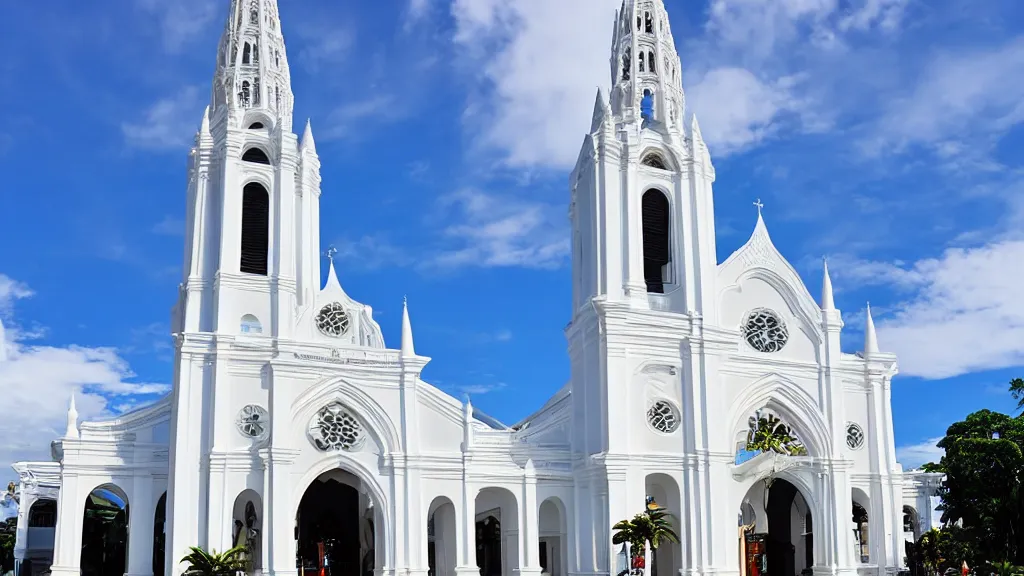
 Dipolog
Image by:Charlou Mark Sangoan
Dipolog
Image by:Charlou Mark Sangoan
 Tarapoto
Image by:Bill Salazar
Tarapoto
Image by:Bill Salazar
Dipolog and Tarapoto present fundamentally different economic profiles in 2026. Dipolog, with a population of 138,141, shows dynamism through its robust 5.55% GDP growth rate, suggesting strong recent development potential. Its GDP per capita of $9,900, while lower than Tarapoto's $15,300, indicates a smaller economic base. Tarapoto, home to 240,453 people, boasts a higher average income but exhibits much slower economic expansion, with a mere 0.55% growth rate. This points to a more established economy, yet one with limited recent dynamism.
The cost of living and housing starkly contrast these economies. Tarapoto's overall cost of living index stands significantly higher at 328.2 compared to Dipolog's 241.3, reflecting higher expenses for essentials like food and drink. This is mirrored in housing costs, where Tarapoto's index is substantially elevated. Crucially, despite Tarapoto's higher GDP figures, its adjusted net salary ($257.64 average monthly in Dipolog) suggests residents there face a much higher cost-to-income ratio than might initially appear.
Regarding the quality of life factors, the data offers a nuanced picture, particularly concerning safety and healthcare access, though direct comparisons are limited. While specific safety metrics aren't provided, the economic vitality of a city can indirectly influence perceptions of safety. Healthcare access, similarly, benefits from a city's resources. Tarapoto, with its larger population and higher GDP, likely possesses more developed public and private healthcare infrastructure. Dipolog, while potentially facing resource constraints, benefits from being part of the Northern Philippines region, which may offer certain regional healthcare advantages. The comparison of consumables shows mixed results, with Tarapoto slightly cheaper for some items like imported beer and soft drinks, but more expensive for basic staples like milk, bread, rice, eggs, chicken, and beef compared to Dipolog.
From an investment and career standpoint, the trade-offs are clear. Tarapoto offers a larger market, a higher GDP per capita, and potentially more established career infrastructure, albeit with sluggish growth. Dipolog, conversely, presents a compelling case for those prioritizing lower operational costs and higher savings potential due to its significantly cheaper cost of living and housing, alongside a dynamic growth trajectory. The faster GDP expansion in Dipolog signals potential for future opportunities, but existing job diversity might be less extensive than in the larger Tarapoto.
Ultimately, the choice between Dipolog and Tarapoto hinges on prioritization. Tarapoto appeals to those valuing established economic structures, potentially higher purchasing power (adjusted for costs), and a likely more developed social infrastructure, accepting the trade-off of a much higher cost of living. Dipolog attracts individuals and businesses seeking lower expenses, greater savings potential, and capitalizing on rapid economic development, requiring a tolerance for potentially fewer immediate opportunities and a smaller market scale. The decision demands a careful weighing of budget, career ambitions, and tolerance for growth versus established comfort.
 Dipolog
 Tarapoto
Local cuisine & dishes
Dipolog
Tarapoto
 Dipolog
 Tarapoto
Travel & attractions
Dipolog
Tarapoto
Real estate & living comparison
| Dipolog | Tarapoto | |
|---|---|---|
| Imported Beer (0.33 Liter Bottle) | 2.06 USD | 2.97 USD |
| Meal at an Inexpensive Restaurant | 1.46 USD | 2.97 USD |
| GDP Growth Rate: | 5.55 USD | 0.55 USD |
| GDP Per Capita ($) : | 9900 USD | 15300 USD |
| Population | 138,141 | 240,453 |
Last updated: 2026-04-05T11:48:09+00:00
Comments for this comparison