
Dublin vs. Şabrātah: Detailed 2026 Cost of Living & Quality Comparison
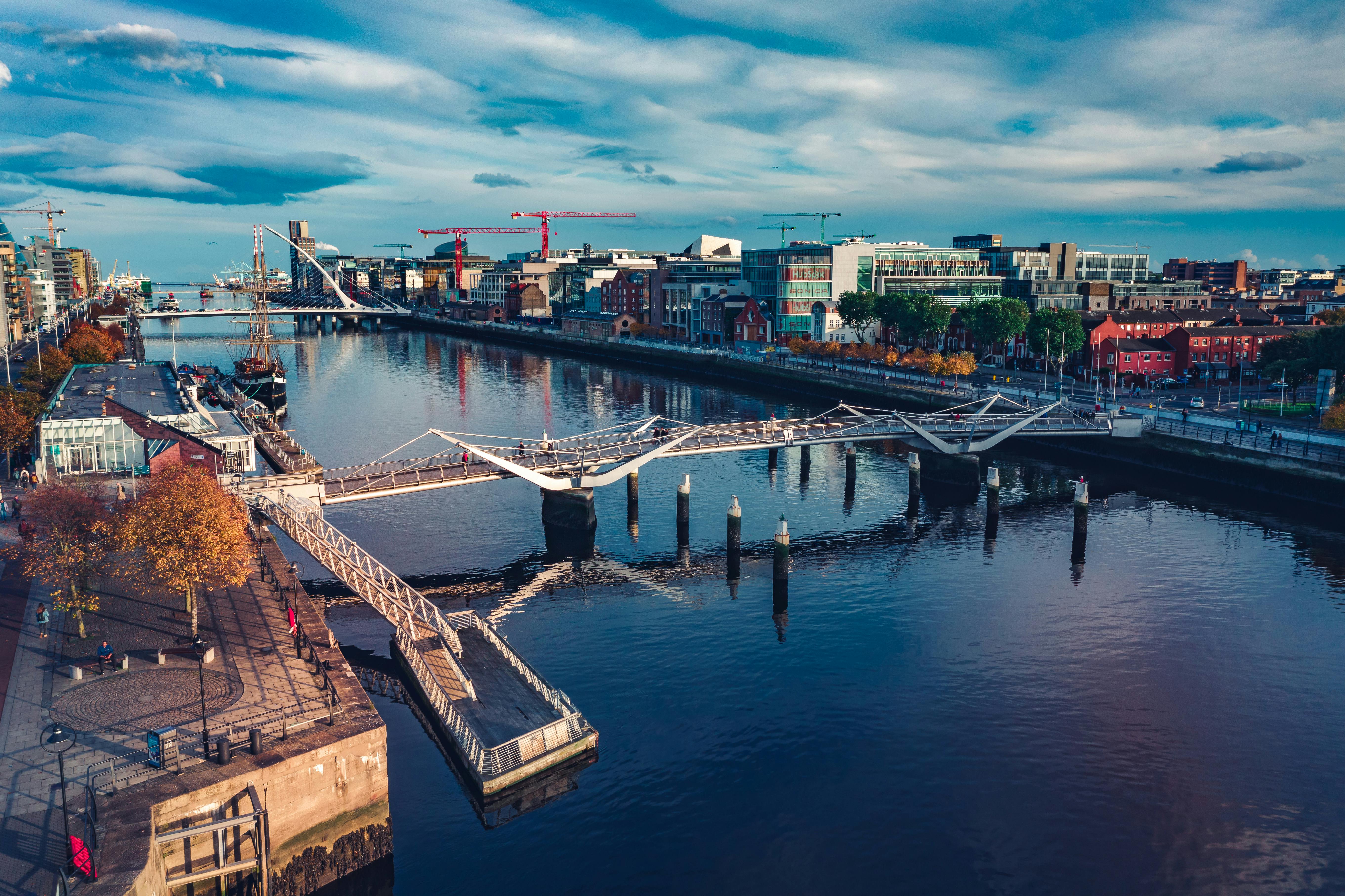 Dublin
Image by:Luciann Photography
Dublin
Image by:Luciann Photography
 Sabratah
Image by:MART PRODUCTION
Sabratah
Image by:MART PRODUCTION
Dublin operates within a vastly different economic reality than Şabrātah. The capital of Ireland boasts a high GDP per capita of $114,900, reflecting a developed nation's economic strength, while Şabrātah, situated in Libya, functions within a developing country context, likely indicating significantly lower average wealth and economic output. This fundamental difference sets the stage for the contrasting living standards and opportunities between the two cities. Furthermore, Dublin's population of approximately 592,713 dwarfs Şabrātah's 102,038 residents, highlighting a scale disparity that often correlates with economic resources and service provision. The economic stability implied by Ireland's positive GDP growth rate of 0.93% in 2026 contrasts sharply with the uncertain economic environment potentially facing Şabrātah, given the lack of reported GDP growth data for Libya.
The financial burden of residing in these cities differs dramatically, particularly concerning housing and income. Dublin's average monthly net salary after taxes stands at $4,303.20, significantly higher than what can be inferred for Şabrātah given the lower economic context. This disparity is mirrored in housing costs, where city-center apartments in Dublin command $8,208.15 per square meter, necessitating substantial mortgages even at a low interest rate of 3.81% for a 20-year fixed loan. Şabrātah presents a starkly different picture, with property prices being drastically lower, making housing more accessible, but reflecting the city's fundamentally different economic base and likely lower salary levels. Consequently, the overall cost of living index for Dublin is considerably higher, placing a heavier financial strain on residents compared to the significantly lower cost of living index in Şabrātah, driven by cheaper food, transportation, utilities, and rent.
Quality of life metrics paint an even clearer picture of the two cities' divergent realities. Dublin scores 160.86 on the Quality of Life Index, alongside high marks for Purchasing Power ($131.14), Safety (45.87), and Health Care (51.28), despite a high Cost of Living index of 75.8. These high quality scores underscore the reliability and standard of essential services and infrastructure in the capital. Şabrātah, conversely, shows much lower quality metrics, particularly in safety and healthcare, compared to Dublin. While climate data isn't provided for Şabrātah, Libya's generally hotter and drier climate presents different environmental challenges than Dublin's moderate climate score of 85.89. The lower cost of living in Şabrātah comes at the expense of potentially inferior quality in safety, healthcare, and other public services compared to the well-established systems in Dublin.
Dublin offers substantially superior investment and career opportunities within a stable, developed economy. With a GDP per capita nearly 100 times higher than Libya's implied figure and a positive GDP growth rate of 5.53% in 2026, Ireland presents a dynamic and secure environment for professional development and financial investment. Career prospects are generally stronger in Dublin, characterized by higher salaries and a more diverse job market, supported by likely higher investment in infrastructure, education, and technology. Şabrātah, located in Libya, faces severe economic challenges. The absence of reported GDP growth data and the backdrop of potential political and economic instability make long-term career planning and investment highly uncertain. While salaries might be lower, the overall economic environment offers significantly less security and fewer advancement opportunities than the prospects available in Dublin.
In essence, Dublin and Şabrātah represent polar opposites for residents and potential migrants. Dublin delivers a high standard of living, backed by strong economic prospects, reliable infrastructure, and quality services, though at a very high financial cost. Şabrātah, while much more affordable, operates within a less developed and potentially unstable context, with likely inferior quality of life in key areas like safety and healthcare. The decision between these cities hinges on individual priorities: choosing Dublin means prioritizing economic security and high-quality services, accepting a high cost burden; choosing Şabrātah means prioritizing extreme affordability, but accepting a lower quality of life and greater economic uncertainty.
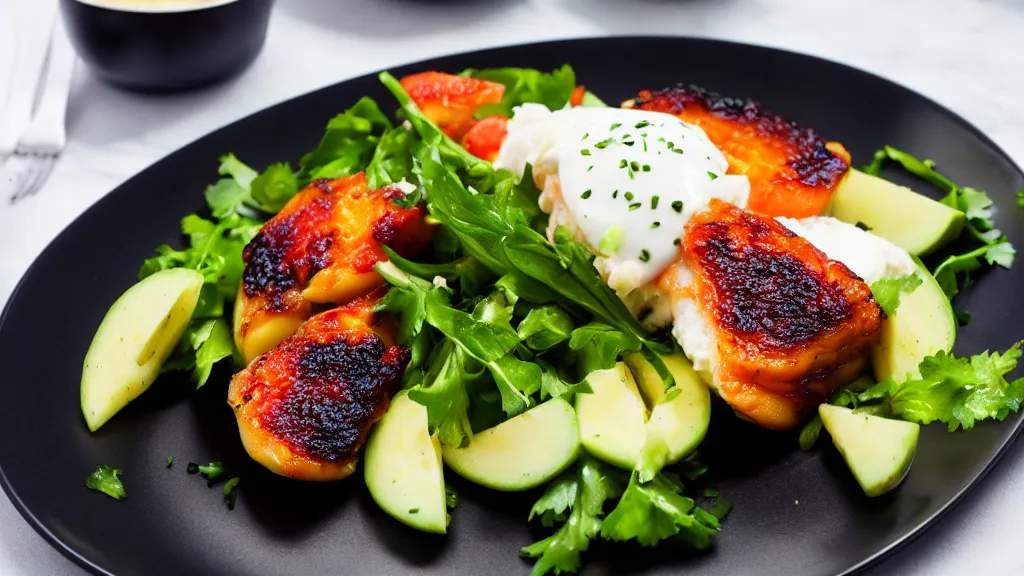 Dublin
 Sabratah
Local cuisine & dishes
Dublin
Sabratah
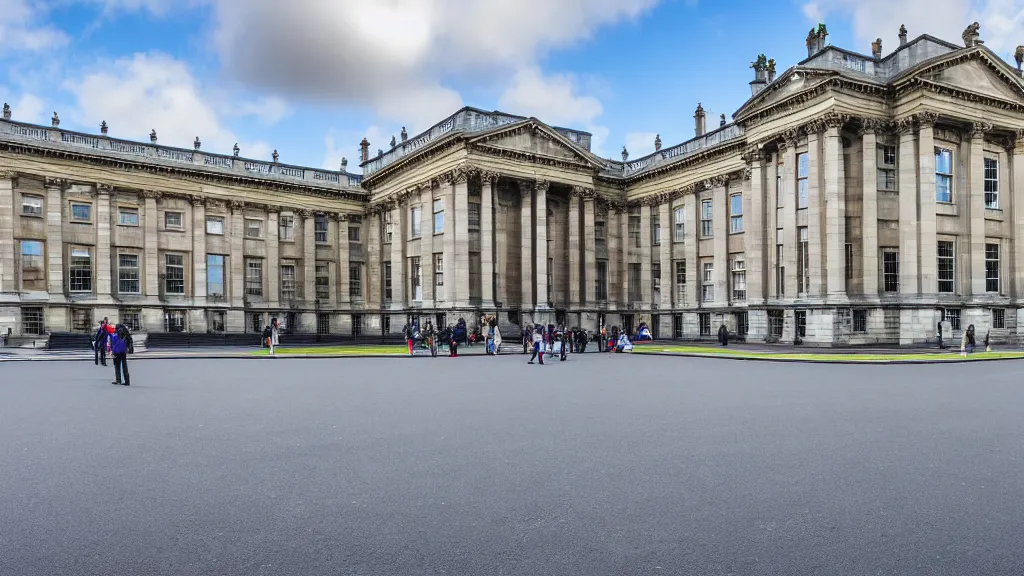 Dublin
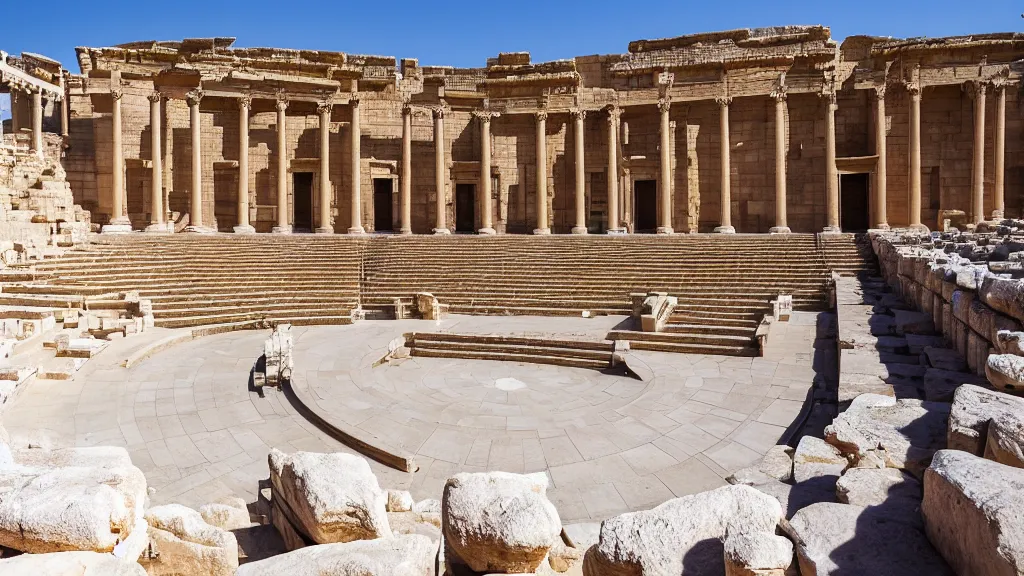 Sabratah
Travel & attractions
Dublin
Sabratah
Real estate & living comparison
| Dublin | Sabratah | |
|---|---|---|
| International Primary School, Annual Tuition per Child | 12115.48 USD | 1158.69 USD |
| Private Full-Day Preschool or Kindergarten, Monthly Fee per Child | 1303.33 USD | 63.17 USD |
| Jeans (Levi's 501 or Similar) | 112.02 USD | 20.82 USD |
| Men's Leather Business Shoes | 107.01 USD | 66.77 USD |
| Apples (1 kg) | 3.16 USD | 2.19 USD |
| Bananas (1 kg) | 2.11 USD | 1.35 USD |
| Bottled Water (0.33 Liter) | 2.46 USD | 0.1 USD |
| Cappuccino (Regular Size) | 4.91 USD | 0.42 USD |
| Gasoline (1 Liter) | 2.09 USD | 0.02 USD |
| Taxi 1 km (Standard Tariff) | 1.58 USD | 0.79 USD |
| Basic Utilities for 85 m2 Apartment (Electricity, Heating, Cooling, Water, Garbage) | 263.62 USD | 94.27 USD |
| Broadband Internet (Unlimited Data, 60 Mbps or Higher) | 54.64 USD | 28.44 USD |
| Population | 592,713 | 102,038 |
Last updated: 2026-04-05T15:32:47+00:00
Comments for this comparison