
Ghaznī vs. João Pessoa: Detailed 2026 Cost of Living & Quality Comparison
 Ghazni
Image by:Suliman Sallehi
Ghazni
Image by:Suliman Sallehi
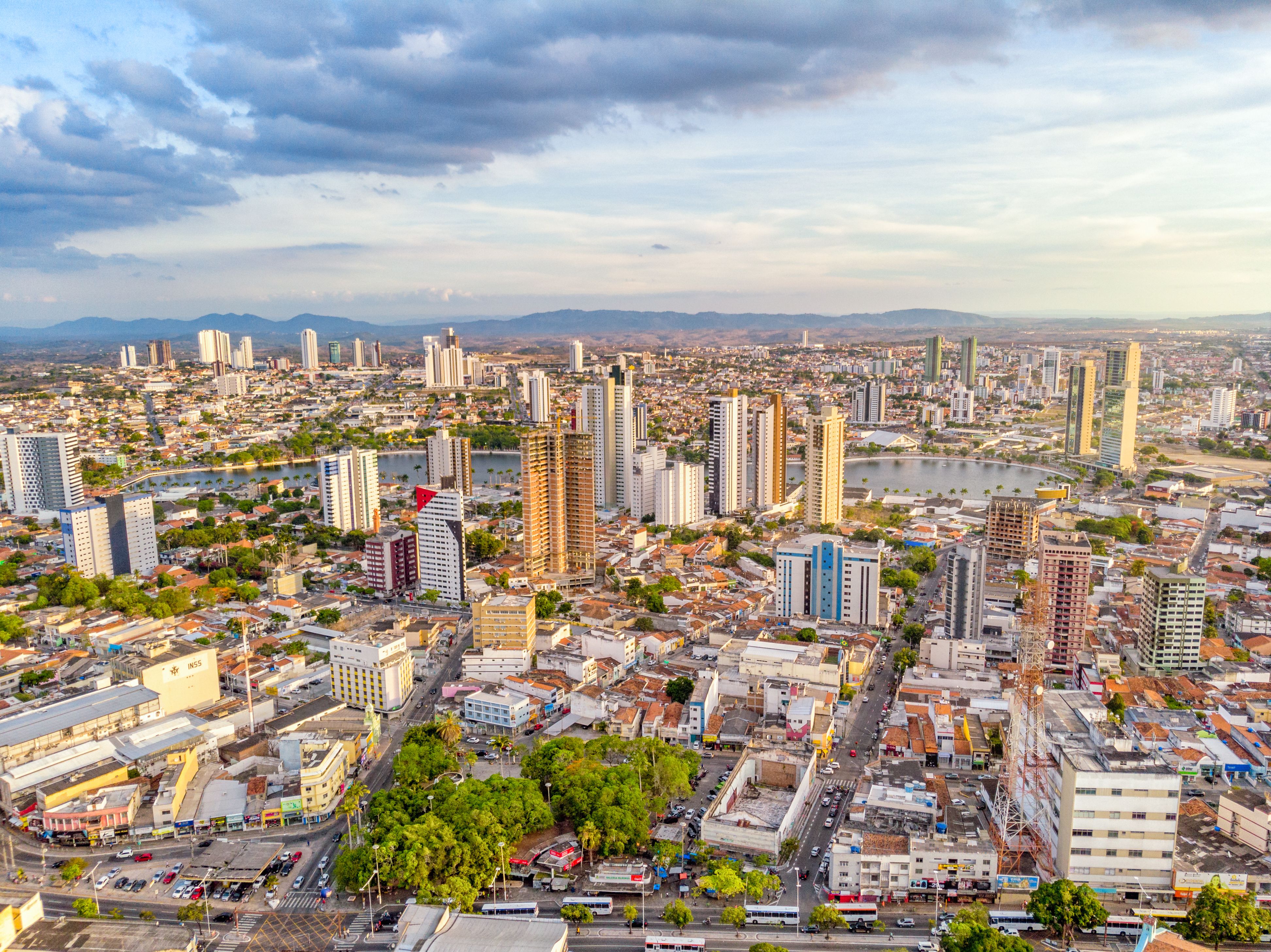 Joao Pessoa
Image by:Diego Pontes
Joao Pessoa
Image by:Diego Pontes
Ghaznī vs. João Pessoa: A 2026 Cost of Living and Quality Comparison
Ghaznī and João Pessoa represent two fundamentally different urban experiences, largely defined by scale and development. Ghaznī, with a population of around 143,379, is a significantly smaller Afghan city, while João Pessoa, boasting over 833,932 residents, is a major Brazilian coastal metropolis. This inherent difference is reflected in their cost of living and quality of life metrics. Ghaznī exhibits extremely low cost of living figures, with indices and property price to income ratios among the lowest globally, though specific quality metrics for the city itself are not provided. In stark contrast, João Pessoa offers a higher cost of living, indicative of a developed urban center, with a GDP per capita of $19,000, suggesting a larger and more robust economy. The comparison immediately highlights a dichotomy: Ghaznī presents a low-cost, yet potentially unstable and resource-limited environment, while João Pessoa offers a higher-cost, more developed, and generally safer and healthier urban setting.
Economically, the gap between Ghaznī and João Pessoa is pronounced, particularly concerning income and housing costs. While Ghaznī's GDP per capita is not provided, its low cost of living indices suggest a much lower standard of living or purchasing power. Housing costs in Ghaznī are extremely low, with property prices significantly lower than in João Pessoa, even accounting for the smaller population base. Conversely, João Pessoa demonstrates a much higher cost of living, especially for housing and transportation. The average monthly net salary in João Pessoa is considerably higher than any comparable figure provided for Ghaznī, yet the cost of basic groceries, dining out, and utilities is substantially greater. Furthermore, João Pessoa has a lower annual mortgage interest rate (10.5%) than the implicit or available data for Ghaznī, suggesting potentially more favorable borrowing conditions, though Ghaznī's specific mortgage rates are not provided. The stark difference in housing costs and income levels means that while Ghaznī offers drastically cheaper accommodation, João Pessoa presents a much more expensive housing market relative to income, despite its developed status.
The quality of life disparity between Ghaznī and João Pessoa is profound, extending across safety, healthcare, and climate. Specific quality metrics for Ghaznī itself are not directly provided, but the context of its location in Afghanistan and comparisons with other Afghan locations imply significant challenges regarding safety, healthcare access, political stability, and basic services. In contrast, João Pessoa boasts significantly higher quality of life indices. Its safety index, healthcare index, and climate index are considerably higher than typical figures for less developed regions, indicating a generally safer urban environment, better access to healthcare services, and a more temperate climate. The pollution index for João Pessoa is also lower than many major global cities, suggesting relatively cleaner air. Ghaznī's quality metrics, where available, are substantially higher than those typically associated with its national context, but still significantly lower than the indices reported for João Pessoa, highlighting a deep gap in stability, safety, and overall living conditions.
From an investment and career perspective, João Pessoa presents a far more promising scenario based on available data. The city boasts a significantly higher GDP per capita ($19,000) compared to the implicit or unavailable data for Ghaznī, indicating a larger and more developed economy. João Pessoa also has a lower annual mortgage interest rate, making property investment potentially more attractive for long-term residents and investors. The higher cost of living in João Pessoa naturally correlates with higher potential salaries and better career prospects within a developed urban economy. Conversely, Ghaznī lacks comparable economic data, making a direct investment or career analysis difficult. The lack of data on salaries, unemployment, GDP growth, and business environment in Ghaznī suggests a limited formal economy and fewer career advancement opportunities compared to the structured Brazilian job market. While Ghaznī might offer lower operational costs for businesses or individuals, the data does not provide sufficient information to assess its investment potential or career prospects meaningfully, leaving João Pessoa as the clear leader.
In conclusion, the comparison between Ghaznī and João Pessoa reveals two fundamentally distinct urban environments. Ghaznī offers extremely low costs for living and housing, but within the challenging context of Afghanistan, implying significant trade-offs in terms of safety, stability, healthcare, and overall quality of life. The data suggests a much lower standard of living and fewer economic opportunities. On the other hand, João Pessoa provides a significantly higher cost of living, reflecting its status as a developed Brazilian city with a robust economy, higher income potential, and much better quality of life metrics across safety, healthcare, and climate. While the cost of living in João Pessoa is substantially higher, it is offset by greater stability, better services, and more career prospects. For individuals or businesses seeking a high quality of life, safety, and economic stability, João Pessoa is the clear choice, despite the higher financial burden. Ghaznī might appeal to those prioritizing extreme cost savings above all else, but the associated risks and lower quality of life make it a considerably riskier proposition for long-term residency or investment compared to João Pessoa.
 Ghazni
 Joao Pessoa
Local cuisine & dishes
Ghazni
Joao Pessoa
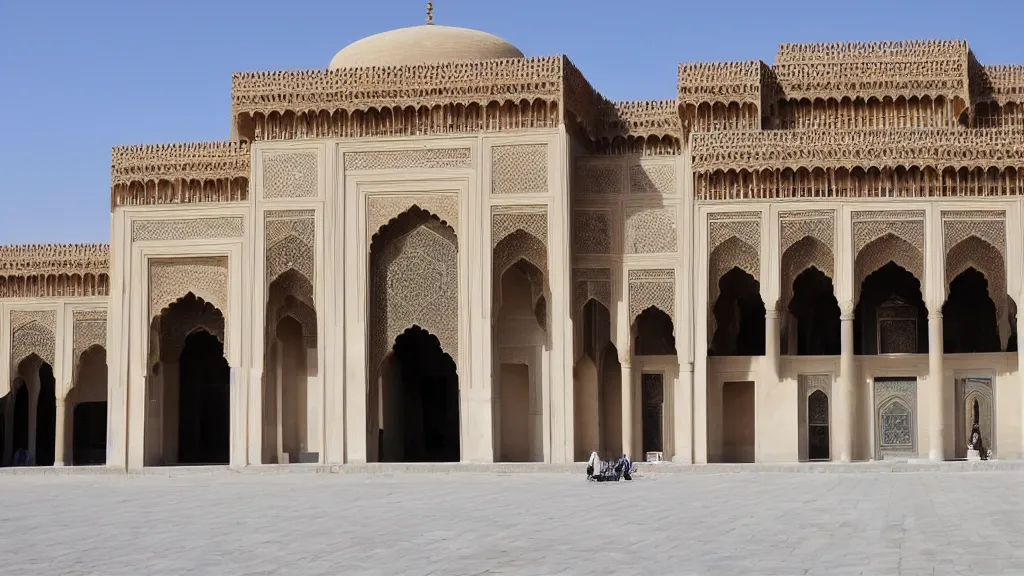 Ghazni
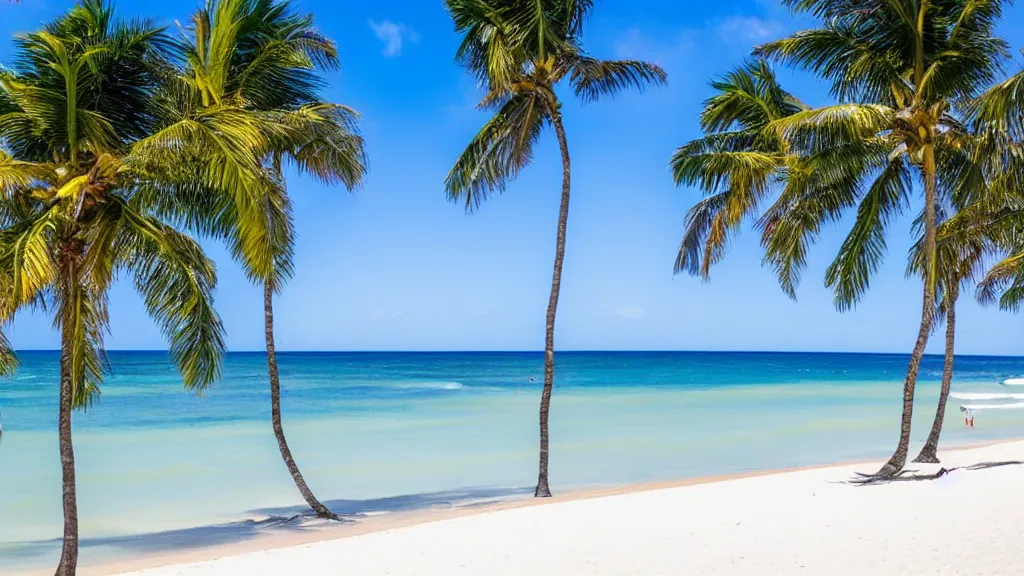 Joao Pessoa
Travel & attractions
Ghazni
Joao Pessoa
Real estate & living comparison
| Ghazni | Joao Pessoa | |
|---|---|---|
| International Primary School, Annual Tuition per Child | 1587.3 USD | 6319.72 USD |
| Private Full-Day Preschool or Kindergarten, Monthly Fee per Child | 20.9 USD | 372.69 USD |
| Jeans (Levi's 501 or Similar) | 10.32 USD | 49.69 USD |
| Men's Leather Business Shoes | 24.4 USD | 73.26 USD |
| Apples (1 kg) | 0.57 USD | 3.15 USD |
| Bananas (1 kg) | 0.85 USD | 0.93 USD |
| Bottled Water (0.33 Liter) | 0.16 USD | 0.67 USD |
| Cappuccino (Regular Size) | 1.06 USD | 1.5 USD |
| Cinema Ticket (International Release) | 2.38 USD | 10.32 USD |
| Gasoline (1 Liter) | 1.06 USD | 1.17 USD |
| Taxi 1 Hour Waiting (Standard Tariff) | 2.78 USD | 3.06 USD |
| Basic Utilities for 85 m2 Apartment (Electricity, Heating, Cooling, Water, Garbage) | 53.71 USD | 88.6 USD |
| Broadband Internet (Unlimited Data, 60 Mbps or Higher) | 113.1 USD | 21.4 USD |
| Population | 143,379 | 833,932 |
Last updated: 2026-04-05T04:53:38+00:00
Comments for this comparison