
Ghazni vs. Lima: Detailed 2026 Cost of Living & Quality Comparison
 Ghazni
Image by:Suliman Sallehi
Ghazni
Image by:Suliman Sallehi
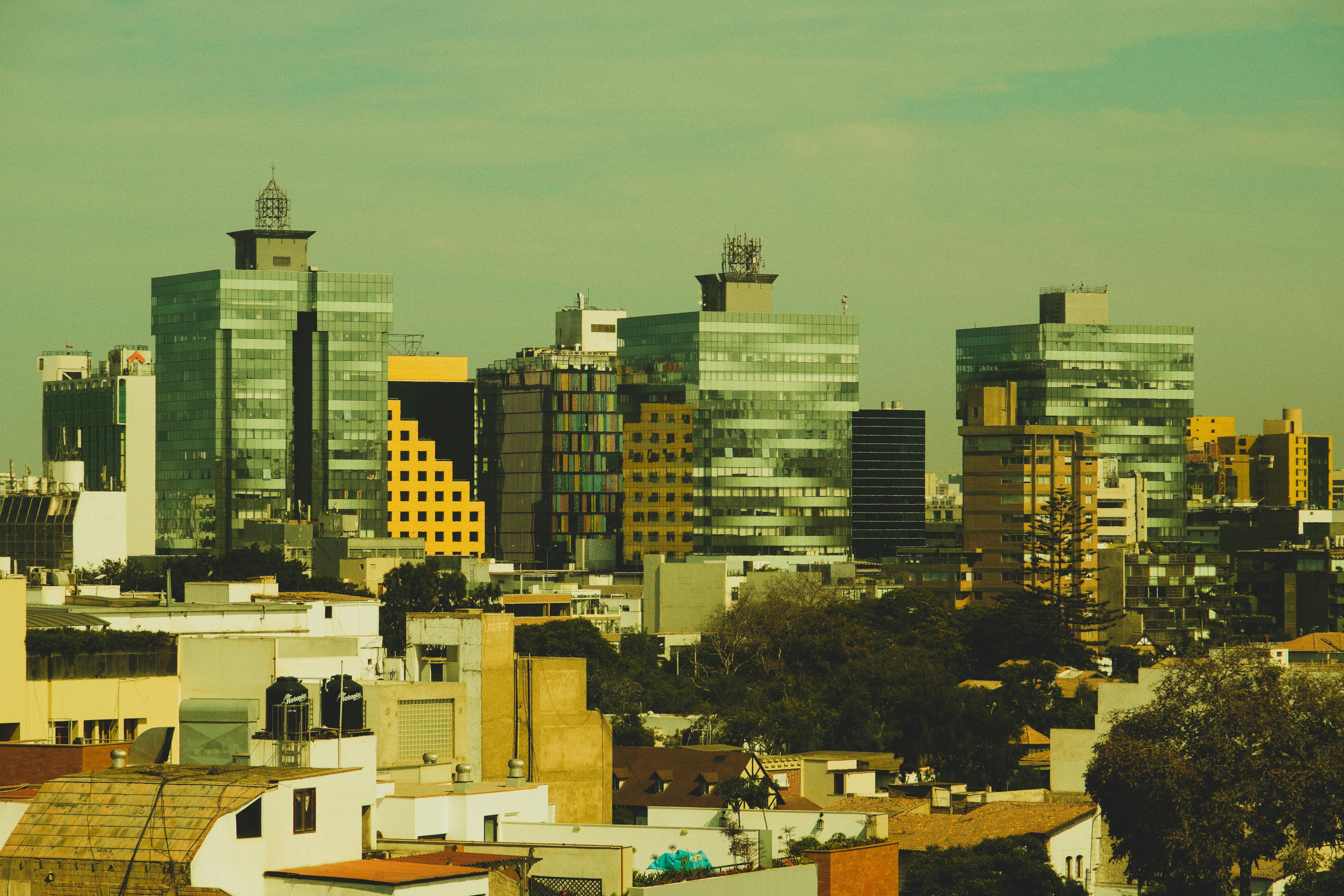 Lima
Image by:Marcelo Mora
Lima
Image by:Marcelo Mora
Ghazni and Lima represent fundamentally different environments, diverging sharply in scale, economic stability, and quality of life. Ghazni, a regional Afghan hub, contends with significant instability and a lower quality of life baseline. In stark contrast, Lima, Peru's sprawling coastal capital, offers a developed economic landscape and generally higher living standards, albeit with its own urban pressures. This analysis delves into the specifics of living costs, housing affordability, and essential quality-of-life factors like safety and healthcare for the year 2026.
Economically, Lima presents a far more robust picture. Its GDP per capita is substantially higher than Ghazni's, underpinning a considerably larger average net salary. This translates directly into higher living costs, particularly for housing. Lima's rental market ranges from $370 to $713 monthly, and apartments command prices between $1,493 and $2,273 per square meter – figures significantly elevated compared to Ghazni. While Lima's mortgage interest rate is relatively lower at 9.25%, Ghazni's much lower property values come at a steep cost: its average net salary is substantially less, resulting in a much higher cost-to-income ratio. Basic expenses in Ghazni are disproportionately burdensome relative to earnings.
The quality-of-life gap between these cities is equally pronounced. Lima excels in safety, healthcare, and environmental quality. Residents enjoy better security, access to more reliable medical services, and presumably cleaner air. Even the costs of urban amenities, like a fitness club membership or a cinema ticket, reflect Lima's developed status. Conversely, Ghazni faces severe challenges. Its safety index is alarmingly low, healthcare access is severely limited, and pollution levels are dangerously high. The lack of international schooling options further diminishes its appeal for many families.
For investment and career prospects, Lima holds a clear advantage. Its higher GDP per capita suggests greater economic resilience and potential returns. The lower mortgage rate, combined with the city's status as a major capital, unlocks better opportunities for homeownership and career advancement across diverse sectors. Ghazni, while potentially attractive for its lower operational costs, presents a high-risk profile due to political instability, economic volatility, and limited growth potential.
Ultimately, the choice between Ghazni and Lima involves weighing distinct priorities. Ghazni offers drastically lower costs for living, housing, and transport, appealing to those prioritizing extreme frugality or seeking escape from major urban expenses. However, this comes with significant trade-offs: high instability, poor safety, inadequate healthcare, and a generally lower standard of living. Lima, conversely, provides a more stable environment, a superior quality of life, better healthcare, and stronger economic prospects, despite substantially higher costs. For most seeking security, development, and amenities, Lima's higher costs are a necessary, though potentially challenging, investment for a better standard of living.
 Ghazni
 Lima
LimaLocal cuisine & dishes
Ghazni
Lima
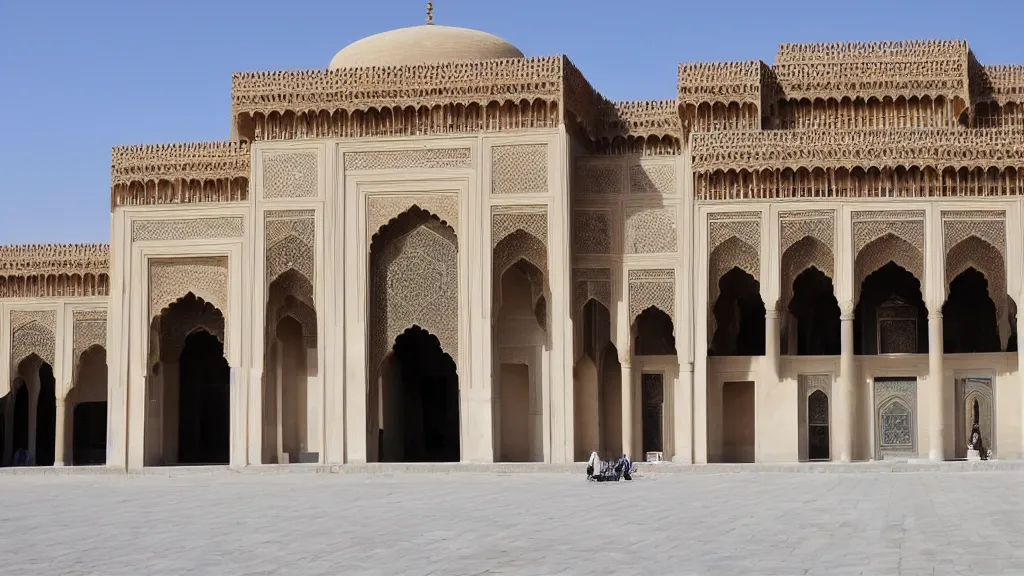 Ghazni
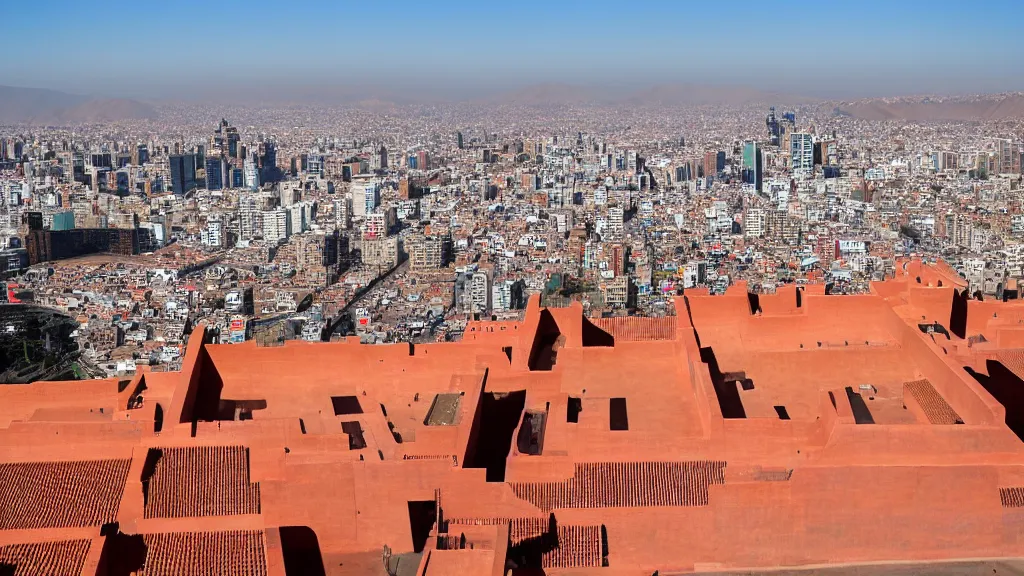 Lima
LimaTravel & attractions
Ghazni
Lima
Real estate & living comparison
| Ghazni | Lima | |
|---|---|---|
| International Primary School, Annual Tuition per Child | 1587.3 USD | 13349.33 USD |
| Private Full-Day Preschool or Kindergarten, Monthly Fee per Child | 20.9 USD | 198.91 USD |
| Jeans (Levi's 501 or Similar) | 10.32 USD | 52.8 USD |
| Men's Leather Business Shoes | 24.4 USD | 87.76 USD |
| Apples (1 kg) | 0.57 USD | 2.09 USD |
| Bananas (1 kg) | 0.85 USD | 1.05 USD |
| Bottled Water (0.33 Liter) | 0.16 USD | 0.65 USD |
| Cappuccino (Regular Size) | 1.06 USD | 3.09 USD |
| Cinema Ticket (International Release) | 2.38 USD | 7.41 USD |
| Gasoline (1 Liter) | 1.06 USD | 1.32 USD |
| Taxi 1 Hour Waiting (Standard Tariff) | 2.78 USD | 7.89 USD |
| Basic Utilities for 85 m2 Apartment (Electricity, Heating, Cooling, Water, Garbage) | 53.71 USD | 63.32 USD |
| Broadband Internet (Unlimited Data, 60 Mbps or Higher) | 113.1 USD | 25.51 USD |
| Population | 143,379 | 10,320,000 |
Last updated: 2026-04-05T17:42:37+00:00
Comments for this comparison