
Ghazni vs. Nairobi: Detailed 2026 Cost of Living & Quality Comparison
 Ghazni
Image by:Suliman Sallehi
Ghazni
Image by:Suliman Sallehi
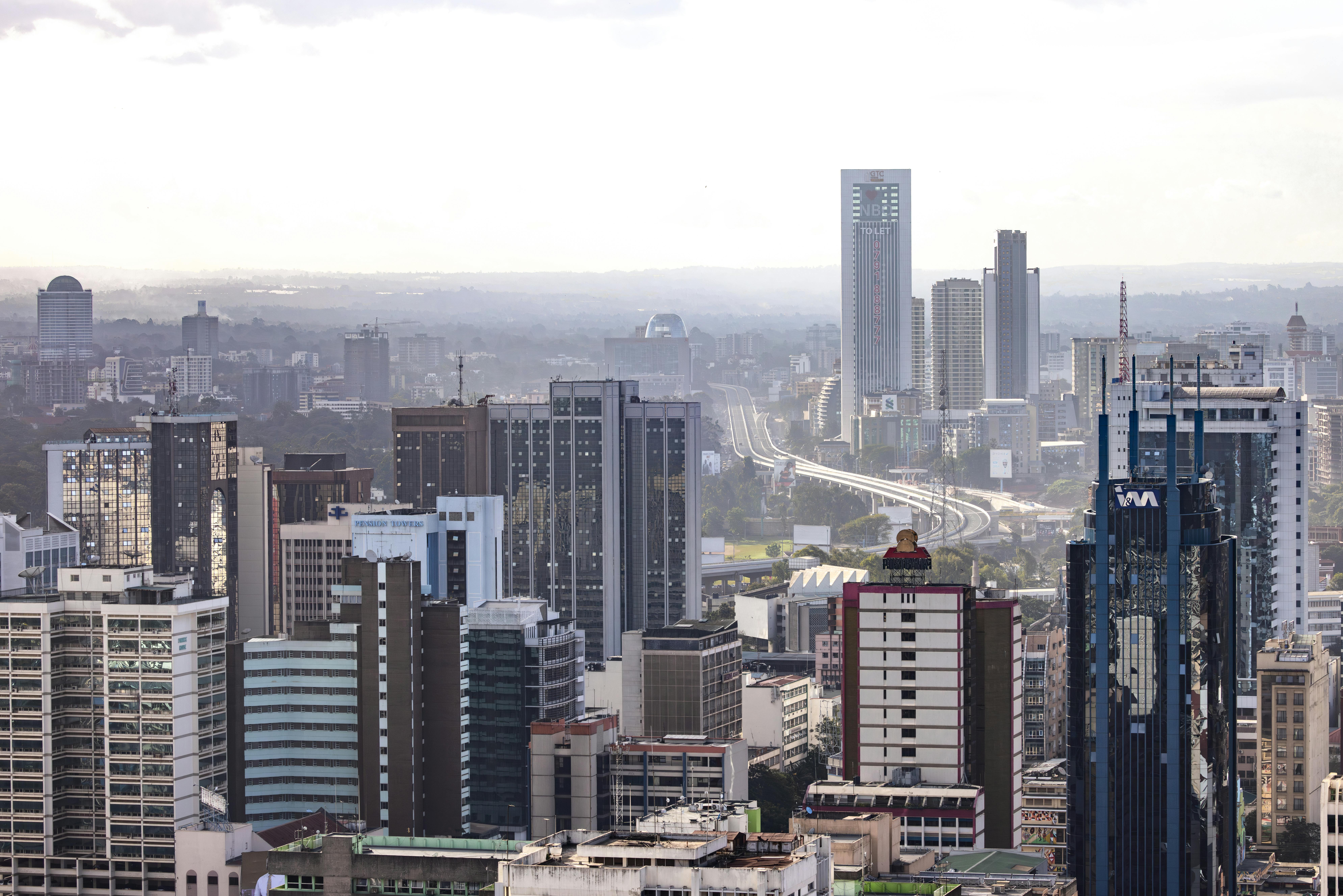 Nairobi
Image by:Ken Mwaura
Nairobi
Image by:Ken Mwaura
Ghazni presents a stark contrast to Nairobi, differing significantly in scale, economic structure, and quality of life. Ghazni, with its population of around 143,379, offers extremely low living costs across nearly all categories, from groceries to utilities and housing. Salaries, however, are substantially lower than Nairobi's average monthly net salary of $403.12, reflecting the city's overall economic context. In contrast, Nairobi, the bustling Kenyan capital with over 5.5 million inhabitants, operates at a much higher cost-of-living level, particularly concerning salaries, housing, groceries, and transportation. While Ghazni's affordability is undeniable, its quality of life indicators, including safety and healthcare access, are considerably lower than Nairobi's.
Economically, the disparity is pronounced. Basic goods like groceries are vastly cheaper in Ghazni, as are transportation costs and utilities for an 85m² apartment. Yet, the most striking difference emerges in housing and salaries. Ghazni's property prices are exceptionally low, but salaries are insufficient to meet these costs comfortably, presenting a significant affordability challenge. Nairobi offers higher average monthly net salaries, reflecting its overall cost structure, though mortgage interest rates are substantially higher at 15.12%. Despite the lower salaries in Ghazni, the city lacks the robust economic infrastructure seen in Nairobi, potentially hindering investment stability and career prospects compared to Kenya's capital.
The quality of life gap between the two cities is equally significant. Key metrics such as safety, healthcare access, and environmental factors appear considerably worse in Ghazni. While modern infrastructure like improved 'Brise-soleil facades' for climate control might be absent or rudimentary, contributing to a less comfortable urban environment, Nairobi generally offers a higher quality of life. This is supported by better public services, healthcare infrastructure, and likely safer conditions, making Nairobi a more attractive place to live despite the high financial cost.
Investment potential appears more favourable in Ghazni due to property affordability, but the overall economic stability and growth rate (5.56% in Nairobi) suggest a different investment climate. Career prospects are likely more limited and less stable in Ghazni, reflecting the economic context of Afghanistan. Nairobi, despite facing challenges, offers potentially more diverse job opportunities and career advancement possibilities, supported by higher salaries and better infrastructure, although savings potential is reduced by the high cost of living. Industrial capacity, potentially bolstered by infrastructure like 'Sulfur-scrubbers' for pollution control, also differs vastly between the two urban centers.
Ultimately, Ghazni and Nairobi represent entirely different living environments. Ghazni offers exceptionally low living costs, potentially attractive for those seeking extreme frugality or facing financial constraints, but at the cost of a significantly lower quality of life, safety concerns, and limited economic opportunities. Nairobi, while substantially more expensive, provides a much higher quality of life, greater economic opportunities, and potentially safer conditions. The choice hinges critically on individual priorities, balancing budget constraints against the desire for safety, healthcare, career prospects, and a higher standard of living, perhaps facilitated by advanced transport like 'Maglev' systems in other contexts.
 Ghazni
 Nairobi
Local cuisine & dishes
Ghazni
Nairobi
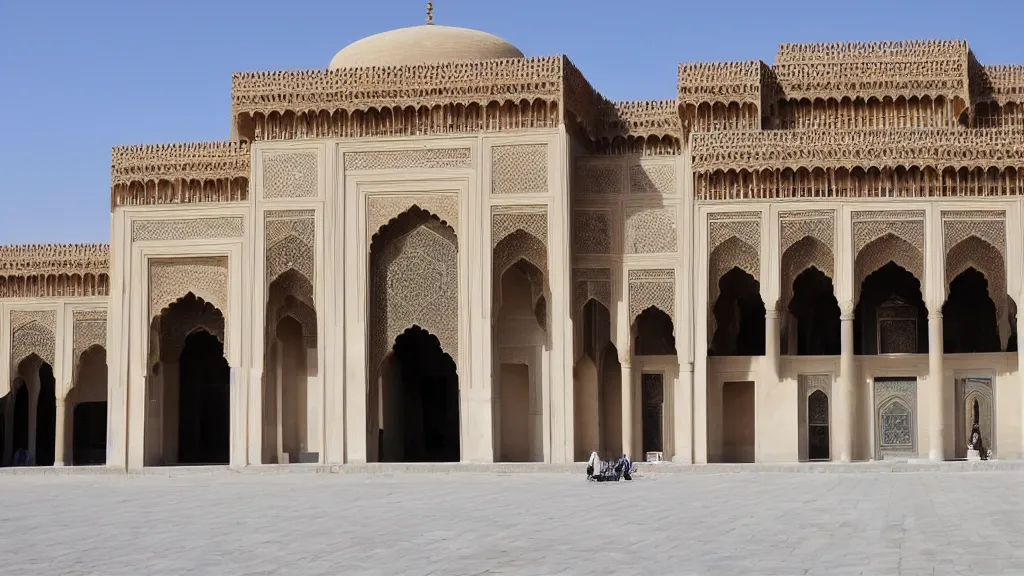 Ghazni
 Nairobi
Travel & attractions
Ghazni
Nairobi
Real estate & living comparison
| Ghazni | Nairobi | |
|---|---|---|
| International Primary School, Annual Tuition per Child | 1587.3 USD | 9038.33 USD |
| Private Full-Day Preschool or Kindergarten, Monthly Fee per Child | 20.9 USD | 219.81 USD |
| Jeans (Levi's 501 or Similar) | 10.32 USD | 19.73 USD |
| Men's Leather Business Shoes | 24.4 USD | 65.48 USD |
| Apples (1 kg) | 0.57 USD | 3.1 USD |
| Bananas (1 kg) | 0.85 USD | 1.01 USD |
| Bottled Water (0.33 Liter) | 0.16 USD | 0.52 USD |
| Cappuccino (Regular Size) | 1.06 USD | 2.46 USD |
| Cinema Ticket (International Release) | 2.38 USD | 7.76 USD |
| Gasoline (1 Liter) | 1.06 USD | 1.42 USD |
| Taxi 1 Hour Waiting (Standard Tariff) | 2.78 USD | 3.01 USD |
| Basic Utilities for 85 m2 Apartment (Electricity, Heating, Cooling, Water, Garbage) | 53.71 USD | 41.74 USD |
| Broadband Internet (Unlimited Data, 60 Mbps or Higher) | 113.1 USD | 38 USD |
| Population | 143,379 | 5,545,000 |
Last updated: 2026-04-05T17:44:25+00:00
Comments for this comparison