
Hangzhou vs. Ghazni: Detailed 2026 Cost of Living & Quality Comparison
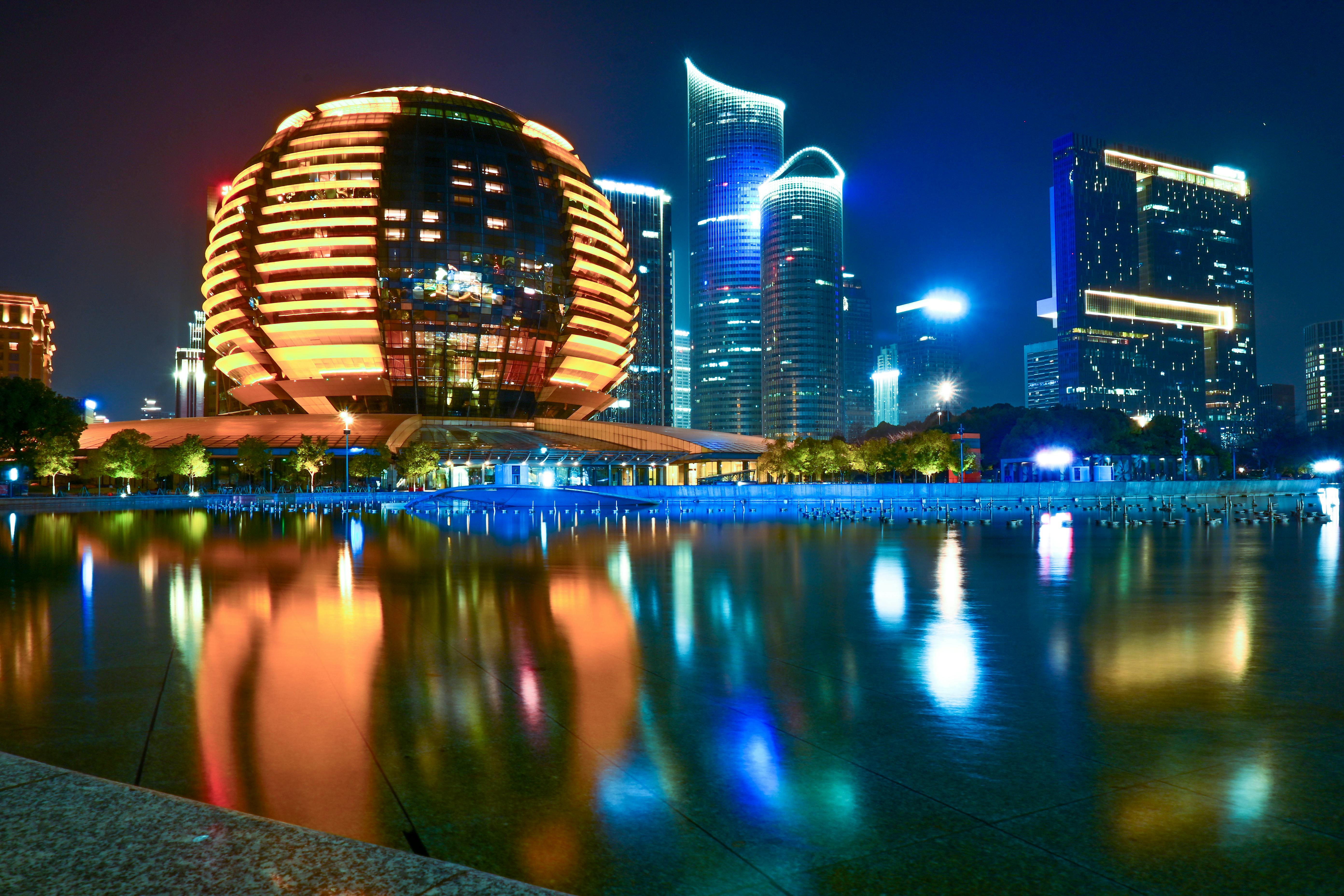 Hangzhou
Image by:Shane hao
Hangzhou
Image by:Shane hao
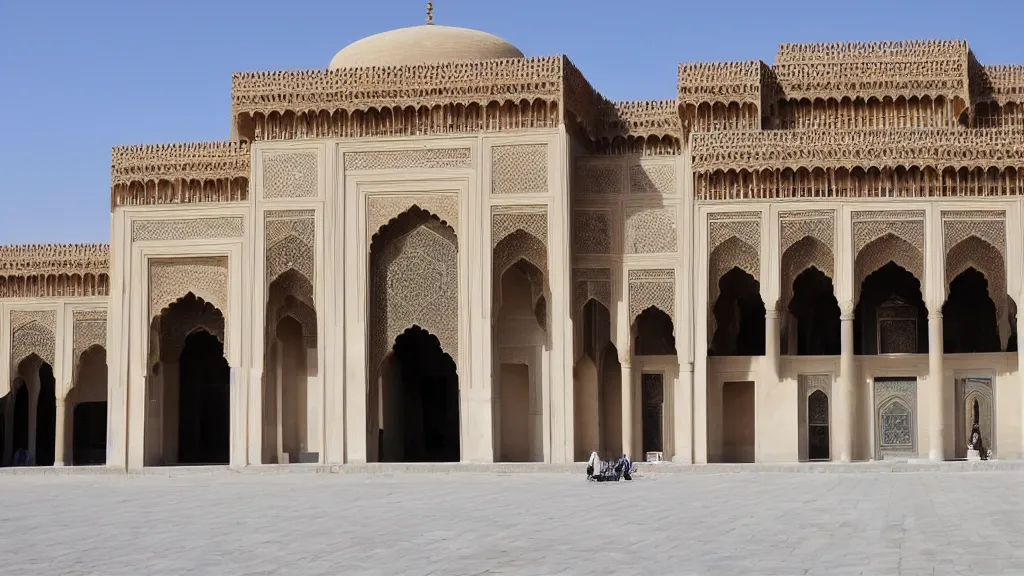
 Ghazni
Image by:Suliman Sallehi
Ghazni
Image by:Suliman Sallehi
Hangzhou, with a population exceeding nine million, represents a major economic hub in China, boasting a high GDP per capita of $21,000 and a slow population growth rate of 0.23%. In stark contrast, Ghazni is a significantly smaller Afghan city, with a population of around 143,379, operating under very different economic conditions and development priorities shaped by its much smaller scale.
The gap in quality of life between these two cities is profound. Hangzhou consistently outperforms Ghazni across key indicators like safety, healthcare access, educational opportunities, and environmental quality. While Ghazni faces challenges related to its less developed economic base and basic infrastructure, Hangzhou demonstrates superior performance in public services and overall urban development, offering a vastly more comfortable and secure living environment.
Cost considerations present a major divergence. Hangzhou is substantially more expensive to live in than Ghazni. Even excluding rent, monthly utility bills average around $338 in Hangzhou, more than five times Ghazni's $54. Groceries, transportation, and dining out are all significantly cheaper in Ghazni, reflecting the fundamental difference in the cost structure of these two cities. Although Ghazni's used car price is around $2,000 – comparable to Hangzhou – the overall cost differential is clear.
The disparity extends to housing, where Hangzhou's property costs reflect its status as a leading economic center, creating a significant financial hurdle for residents compared to the more affordable options available in Ghazni. This housing gap is part of the broader economic and lifestyle differences between the two locations.
Ultimately, the choice between Hangzhou and Ghazni hinges on individual priorities. Ghazni offers a significantly lower cost of living, but Hangzhou provides a vastly superior quality of life, driven by its economic dynamism, well-developed public services, and overall advancement. The decision involves weighing lifestyle, economic opportunity, and budget constraints against the tangible benefits of living in a major global city versus a much smaller regional town.
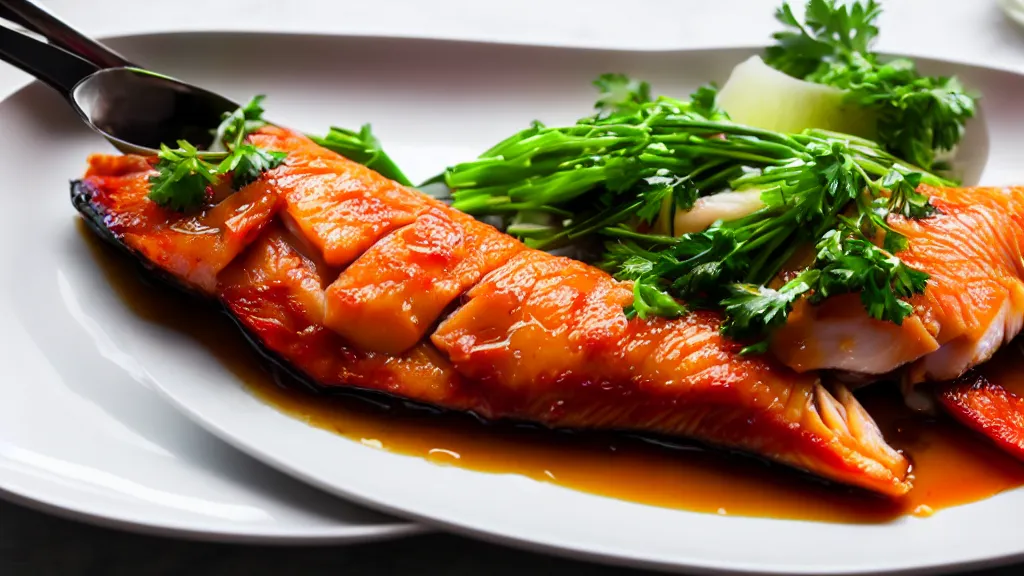 Hangzhou
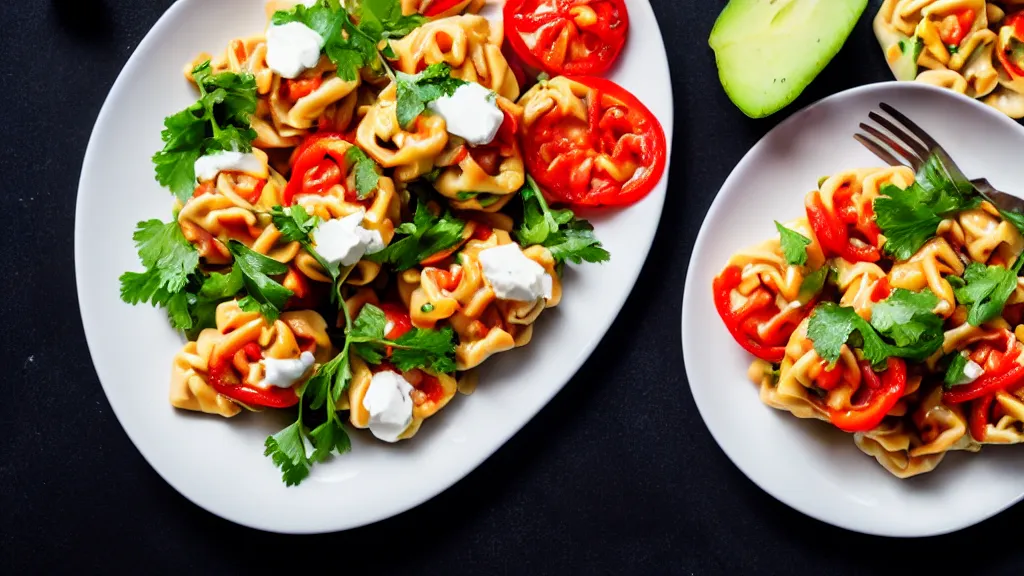 Ghazni
Local cuisine & dishes
Hangzhou
Ghazni
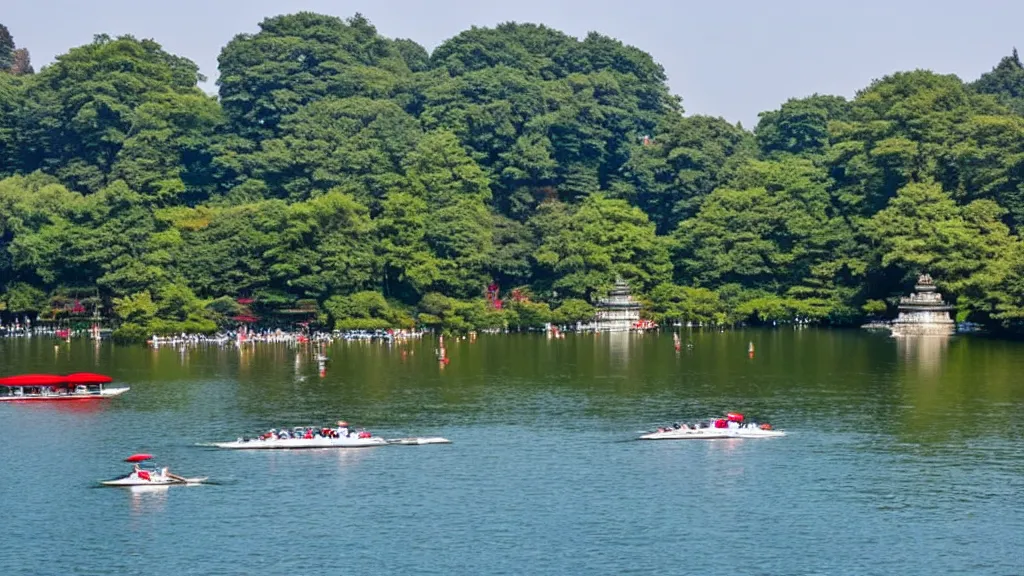 Hangzhou
 Ghazni
Travel & attractions
Hangzhou
Ghazni
Real estate & living comparison
| Hangzhou | Ghazni | |
|---|---|---|
| International Primary School, Annual Tuition per Child | 30226.53 USD | 1587.3 USD |
| Private Full-Day Preschool or Kindergarten, Monthly Fee per Child | 532.89 USD | 20.9 USD |
| Jeans (Levi's 501 or Similar) | 55.05 USD | 10.32 USD |
| Men's Leather Business Shoes | 97.93 USD | 24.4 USD |
| Apples (1 kg) | 2.14 USD | 0.57 USD |
| Bananas (1 kg) | 1.65 USD | 0.85 USD |
| Bottled Water (0.33 Liter) | 0.28 USD | 0.16 USD |
| Cappuccino (Regular Size) | 3.5 USD | 1.06 USD |
| Cinema Ticket (International Release) | 7.25 USD | 2.38 USD |
| Gasoline (1 Liter) | 1.14 USD | 1.06 USD |
| Taxi 1 Hour Waiting (Standard Tariff) | 7.83 USD | 2.78 USD |
| Basic Utilities for 85 m2 Apartment (Electricity, Heating, Cooling, Water, Garbage) | 50.78 USD | 53.71 USD |
| Broadband Internet (Unlimited Data, 60 Mbps or Higher) | 15.51 USD | 113.1 USD |
| Population | 9,523,000 | 143,379 |
Last updated: 2026-04-05T15:44:33+00:00
Comments for this comparison