
Harar vs. Maebashi: Detailed 2026 Cost of Living & Quality Comparison
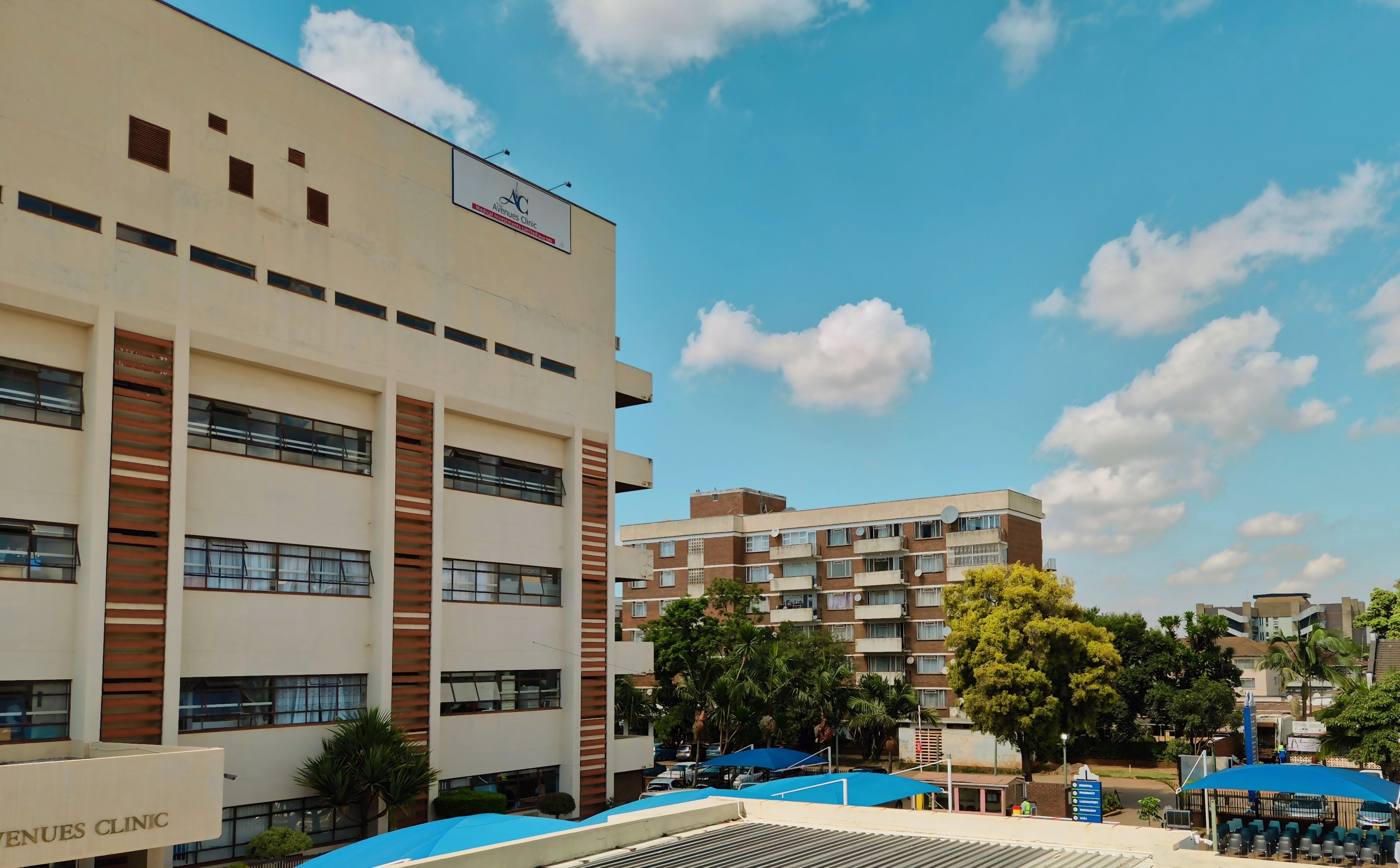 Harar
Image by:Joel Muzhira
Harar
Image by:Joel Muzhira
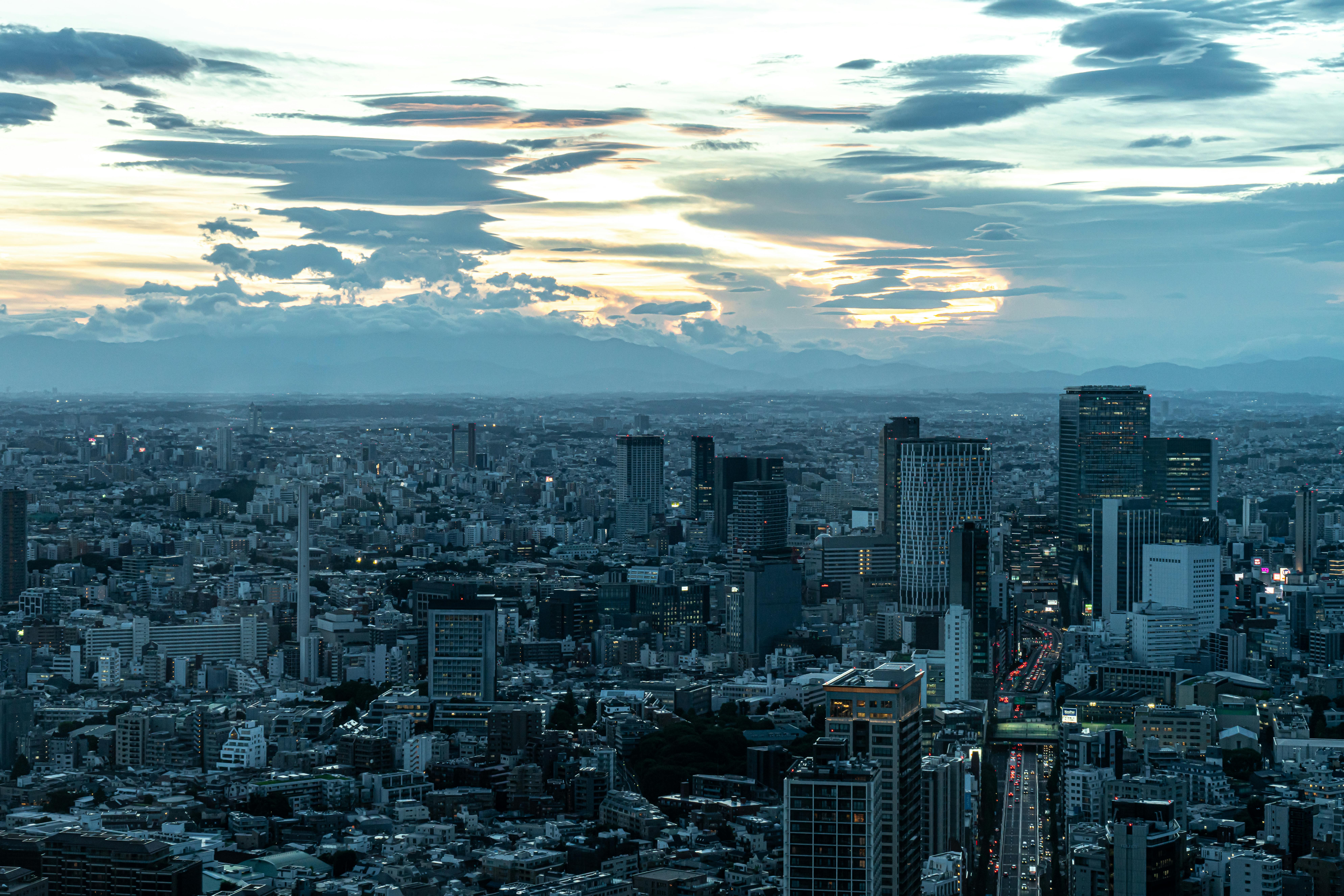 Maebashi
Image by:Kuma Jio
Maebashi
Image by:Kuma Jio
Harar and Maebashi present fundamentally different urban landscapes, reflected starkly in the available data. Harar, Ethiopia, with a population of around 129,000, is a significantly smaller city, lacking the depth of information characteristic of Maebashi, Japan, which boasts a population exceeding 331,000. The data for Harar is sparse, offering only one quality of life index and one cost of living index, both referencing Dire Dawa and providing little insight into Harar's specific conditions. In contrast, Maebashi provides a wealth of granular data, covering various quality of life and cost of living aspects across multiple locations, painting a much clearer picture of its environment.
Economically, the gap between the two cities is evident. Maebashi demonstrates a higher GDP per capita ($46,200) and a higher GDP growth rate (1.68%), indicating a more developed economy. This is supported by a defined average monthly net salary ($1,719.57). Harar lacks any comparable economic indicators, making assessment impossible. Housing costs in Maebashi are quantifiable, ranging from $185 to $573 per month depending on size and location, though property prices vary widely across the region. For Harar, specific housing data is entirely absent, leaving a major gap in understanding basic living expenses.
The quality of life comparison reveals a clear advantage for Maebashi. Its quality of life index stands at 104.88, substantially higher than the 52.02 figure provided for Dire Dawa (and likely Harar). This suggests superior public services, safety, or amenities in Maebashi. While cost of living varies significantly within Maebashi's region, its overall quality-of-life benchmark is considerably higher than the available Harar data would suggest. Harar's scarcity of quality-of-life metrics makes any meaningful comparison in this area impossible, highlighting a critical lack of information.
Assessing investment and career opportunities, Maebashi appears more established. It shows a stable population growth rate (0.43%) and offers relatively lower property prices than major Japanese hubs like Tokyo, suggesting potential affordability for relocation or investment. The defined net salary figure confirms a developed economy context. Harar, however, offers no data on employment, economic prospects, or population trends, rendering any evaluation of its investment potential or career opportunities completely unfeasible based on the provided figures.
In essence, the data portrays two vastly different realities. Maebashi emerges as a larger, more developed city with a higher quality of life, a defined economic profile, and measurable housing costs. Harar, conversely, remains largely unknown territory, hampered by a severe lack of specific data on its economy, housing, and quality of life. Without this fundamental information, a comprehensive comparison between the two cities is impractical, and Maebashi stands out as the only place with sufficient data for analysis.
 Harar
Harar Maebashi
Local cuisine & dishes
Harar
Maebashi
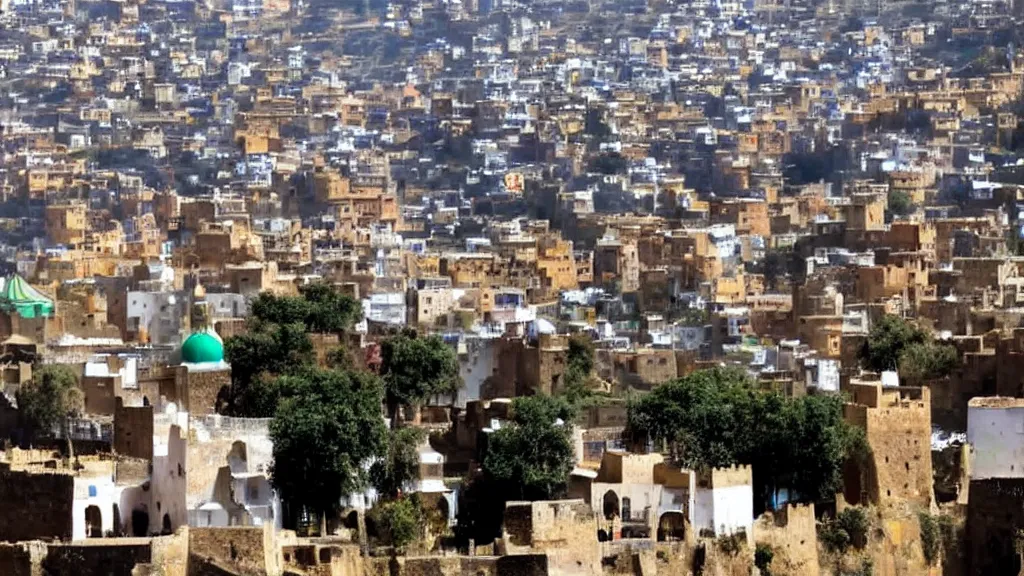 Harar
Harar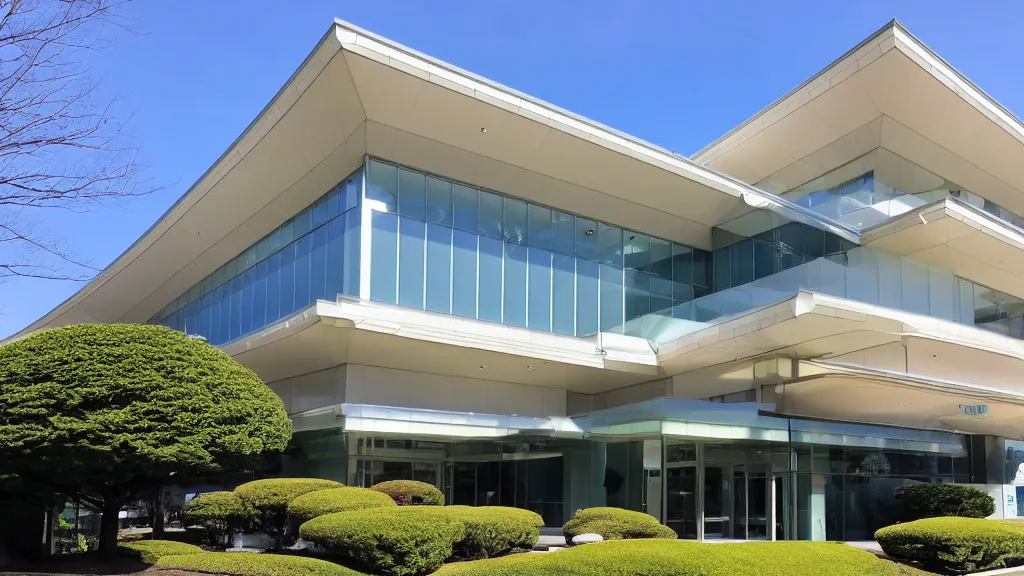 Maebashi
Travel & attractions
Harar
Maebashi
Real estate & living comparison
| Harar | Maebashi | |
|---|---|---|
| Population | 129,000 | 331,849 |
Last updated: 2026-04-05T17:39:24+00:00
Comments for this comparison